10 Minutes of Intensive Workout Can Trigger Powerful Anti-Cancer Effects: New Study

Credit: Fitsum Admasu

Those brief, intense workouts you’ve heard about that boost fitness might also help fight certain types of cancer by releasing molecules into the bloodstream that can spur DNA repair and inhibit cancer growth signals.

When embarking on an exercise routine for the new year, take heart that new research reveals that just 10 minutes of intense exercise could help fight cancer, too.

Short bursts of energetic activity can trigger rapid molecular changes in the bloodstream, shutting down bowel cancer growth and speeding up DNA damage repair, a new study has shown.

Researchers at Newcastle University have found that exercise increases the concentration of several small molecules in the blood—many linked to reducing inflammation, improving blood vessel function, and metabolism.

When these exercise-induced molecules were applied to bowel cancer cells in the lab, the activity of more than 1,300 genes was altered, including those involved in DNA repair, energy production, and cancer cell growth.

The findings, published in the International Journal of Cancer, help explain one way exercise can protect against bowel cancer: by sending molecular signals in the bloodstream that influence the activity of genes that govern tumor growth and genome instability.

The study is another step forwards in the fight against bowel cancer and further strengthens the importance of staying active.

‘Opens door to new treatments’

“What’s remarkable is that exercise doesn’t just benefit healthy tissues, it sends powerful signals through the bloodstream that can directly influence thousands of genes in cancer cells,” said Dr. Sam Orange, Senior Lecturer in Clinical Exercise Physiology at Newcastle University, who led the study.

“It’s an exciting insight because it opens the door to find ways that mimic or augment the biological effects of exercise, potentially improving cancer treatment and, crucially, patient outcomes.

“In the future, these insights could lead to new therapies that imitate the beneficial effects of exercise on how cells repair damaged DNA and use fuel for energy.”

The Newcastle researchers found that exercise boosted the activity of genes that support mitochondrial energy metabolism, enabling cells to use oxygen more efficiently.

At the same time, genes linked to rapid cell growth were switched off, which could reduce the aggressiveness of cancer cells, and exercise-conditioned blood promoted DNA repair, activating a key repair gene called PNKP.

The study involved 30 volunteers, male and female aged 50–78, all overweight or obese (a risk factor of cancer) but otherwise healthy.

After completing a short, intense cycling test lasting approximately 10 minutes, researchers collected blood samples and analysed 249 proteins. As many as 13 proteins increased after exercise, including interleukin-6 (IL-6), which helps repair the DNA of damaged cells.

“These results suggest that exercise doesn’t just benefit healthy tissues, it may also create a more hostile environment for cancer cells to grow,” said Dr. Orange, a Clinical Exercise Physiologist at The Newcastle Hospitals NHS Foundation Trust.

“Even a single workout can make a difference. One bout of exercise, lasting just 10 minutes, sends powerful signals to the body.”

“It’s a reminder that every step, every session, counts when it comes to doing your best to protect your health.”

Bowel cancer is the 4th most common cancer in the UK, after breast, prostate and lung—and it’s estimated that physical activity reduces the risk by approximately 20%.

It can be done by going to the gym, playing sports or through active travel such as walking or biking to work, but also as part of household tasks or work like gardening or cleaning.In the future, researchers plan to test whether repeated exercise sessions produce lasting changes and explore how these effects interact with standard cancer treatments like chemotherapy and radiotherapy. 10 Minutes of Intensive Workout Can Trigger Powerful Anti-Cancer Effects: New Study
Read More........

Fussy Girl Overcomes Vegetable Phobia and Now Loves Brussels Sprouts Thanks to Eating Disorder Specialist

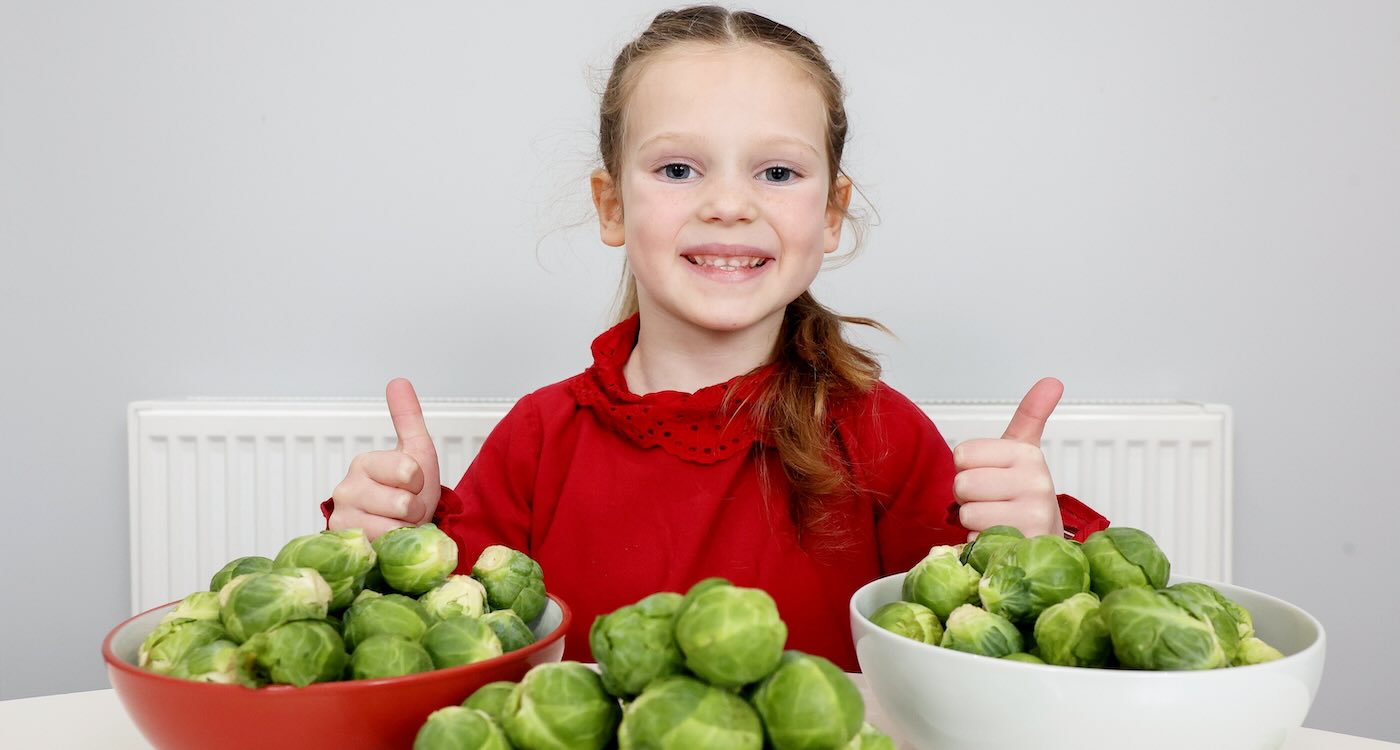
Emie Williams at home -SWNS

A fussy five-year-old girl has overcome her phobia of vegetables and now loves Brussels sprouts–just in time for her mother’s Christmas dinner.

Emie Williams would scream and cry if her mom, Hayley, tried to give her anything except crackers, french fries, or other beige-colored foods.

It meant family meals were fraught with conflict—Emie wanting different food and refusing to even taste hot dinners.

“She’d just refuse to eat any vegetable or any meat. We took her for check ups and health visits for advice but they just said give her what she wants because it’s probably a phase.”

But Hayley suspected that she may have ARFID (Avoidant/Restrictive Food Intake Disorder), believing she had “all the signs”.

Emie’s energy levels dipped, and she would get really tired at the end of the day.

“I explained (to doctors) that if I don’t give her what she wanted then she wouldn’t eat.”

Last month, Emie had a routine health check-up and a blood test revealed she had erratic sugar levels, so Hayley and her husband took their daughter to the hospital where doctors warned them Emie was in danger of developing diabetes unless she changed her diet.

In desperation, Hayley decided to take drastic action and contacted David Kilmurry, who specializes in obsessive eating conditions.

“We were pretty desperate when we contacted David but the results have been amazing,” the mother-of-3 from Coventry, England, told the SWNS news agency.

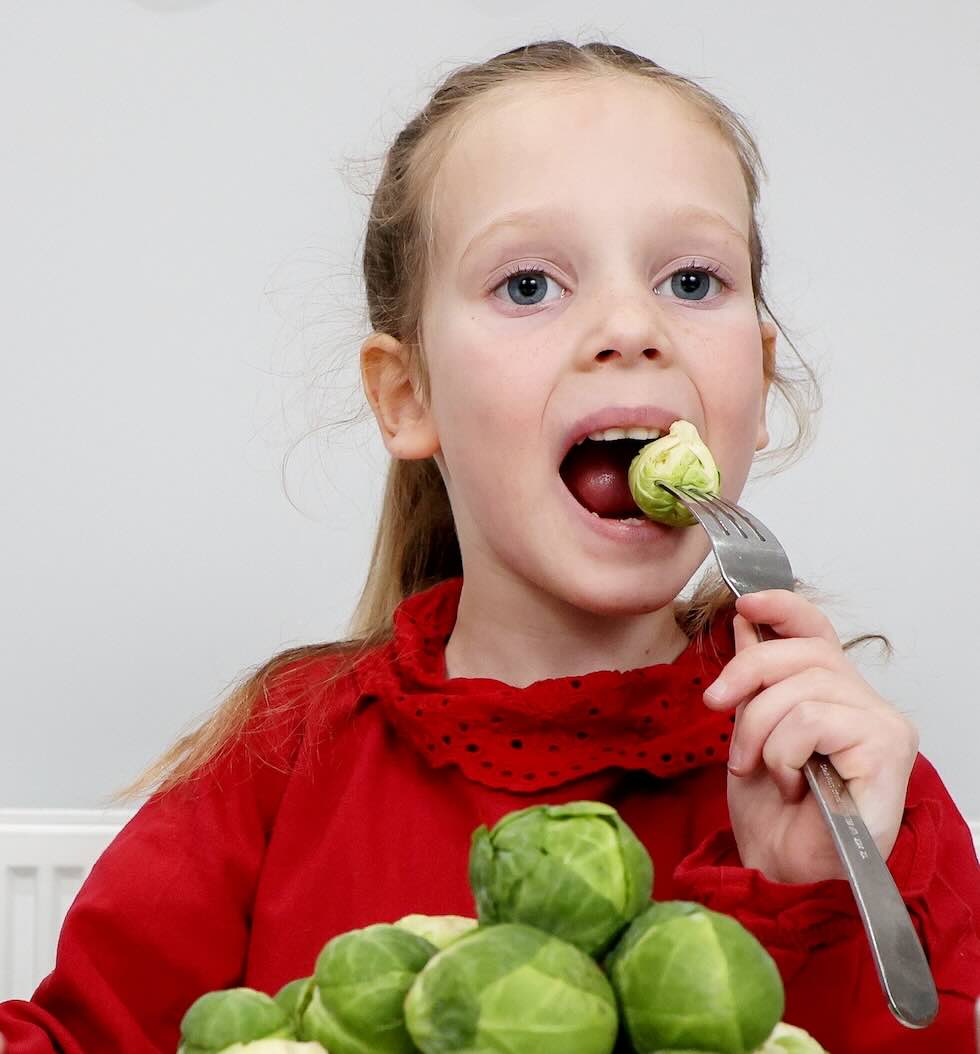
After a series of two-hour sessions, Emie now counts 30 foods that she willingly eats. Her favorite is Brussel sprouts, which she even enjoys raw.

Emie Williams eating her new favorite food, Brussel sprouts – SWNS

Due to her age, Emie was not hypnotized, but David, a cognitive behavioral hypnotherapist, sat with the youngster and gradually encouraged her to try different foods.

Hayley attended all the sessions and just watched Kilmurry at work.

“He’d do magic tricks and talk to Emie to gain her trust, and then brought out different foods.

“Slowly, she tried more and more until she was really enjoying apples and oranges.

“She’s really taken with Brussel sprouts, especially eating them raw. I can’t wait to see her enjoying her first ever Christmas dinner with all the trimmings.”

David, who runs practices in Coventry and London, said: “ARFID isn’t taken seriously enough.“It doesn’t just go away.” Fussy Girl Overcomes Vegetable Phobia and Now Loves Brussels Sprouts Thanks to Eating Disorder Specialist
Read More........

Amputee Thrilled With Hand Transplant is Now Left-handed: ‘Feels so incredible, as if I’ve had it my whole life’

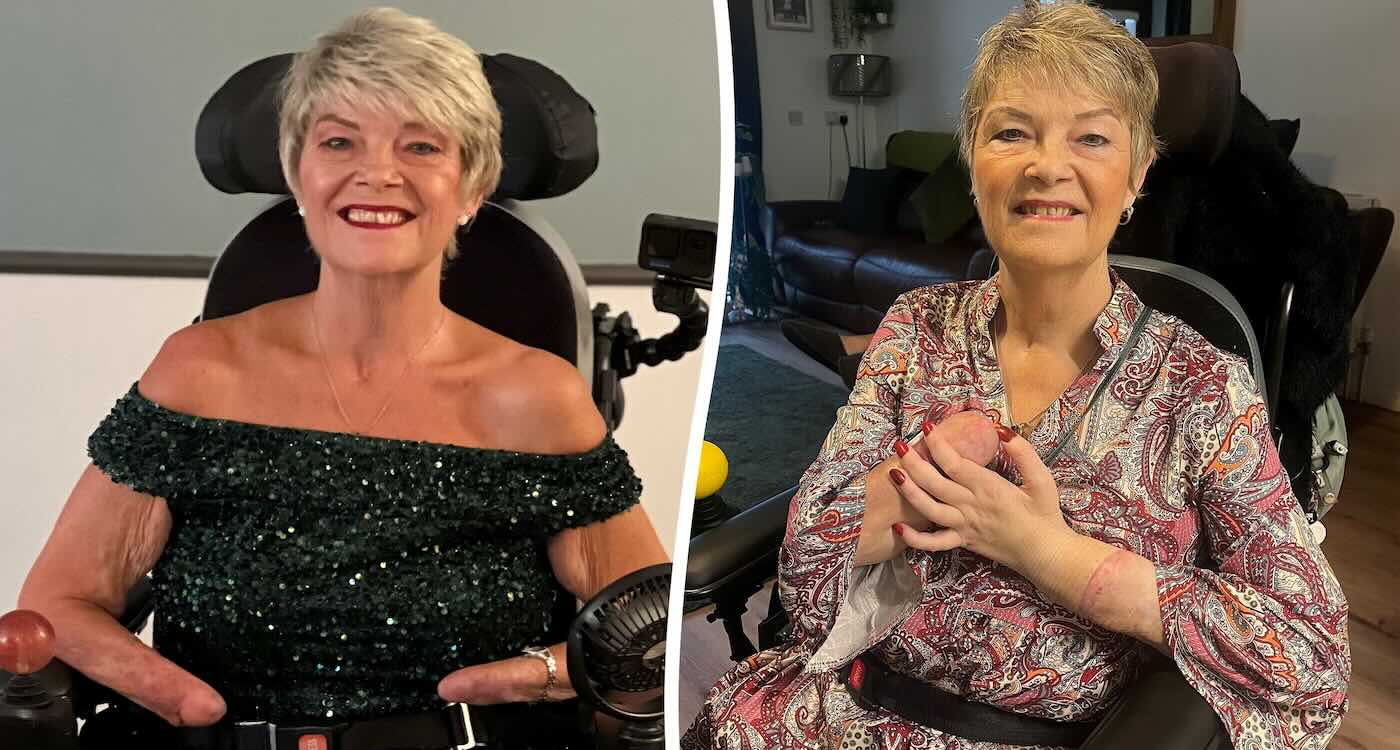
Amputee Kim Smith pre- and post-transplant – SWNS

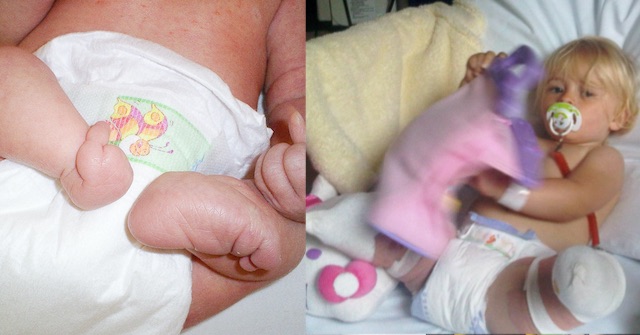
A woman who lost all her limbs after contracting an infection and getting sepsis while on vacation in Spain eight years ago is now thrilled after receiving a new hand.

Kim Smith and her doctors were trying for a double hand transplant during the 14-hour surgery, but the right hand had to be abandoned. Despite that, she’s ‘over the moon’ and has declared herself now to be left-handed.

“I was right-handed, but now I just do everything left-handed and it came naturally,” said the 64-year-old. “I have even written with my left hand.”

“I am absolutely over the moon about my new arm, because it feels so incredible, almost as if I’ve had it my whole life.”

The woman from Buckinghamshire, England, even joked how her husband Steve was going to buy her new wedding and engagement rings because the fingers of her new hand were slightly bigger.

“I’ve gone full-on glass-half-full now—just grateful that at least one transplant worked,” Kim told SWNS news agency.

“The hand itself is perfect—and beautiful—and looks like it’s meant to be mine.”

Kim Smith after hand transplant – SWNS

Kim described how she was overjoyed when she first saw her new hand, and has been amazed how quickly she’s been able to use it.

“I honestly didn’t expect to be able to do so much so soon, even though motor skills can take a year or so to come back—four years until I get full feeling.

“I’m already picking things up and managing to clean my teeth, do my hair, and put on my makeup.

“The day after the operation, when they finally unbandaged the arm and let me very gently move my fingertips, it felt absolutely incredible because I could feel myself moving it, and from that moment it has just gone from strength to strength.”

“I was most excited to brush my teeth and feed myself again because holding a toothbrush or a fork—and actually being able to use it—felt like the loveliest little miracle after being told for so long that ‘it might never work’.
Kim Smith – SWNS

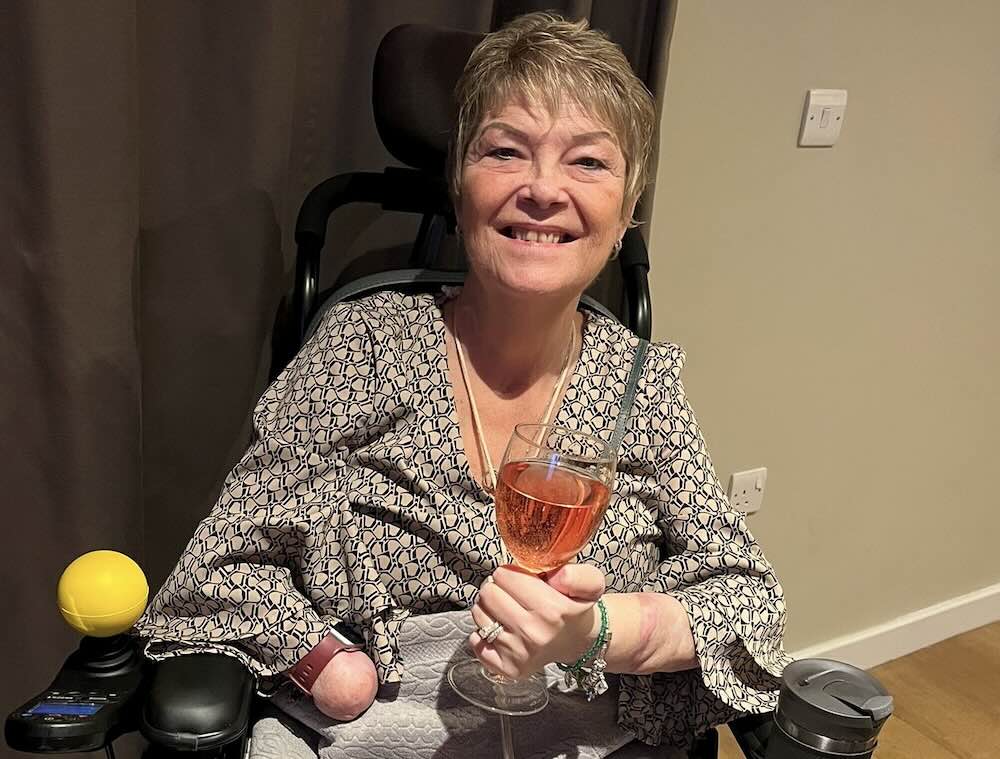
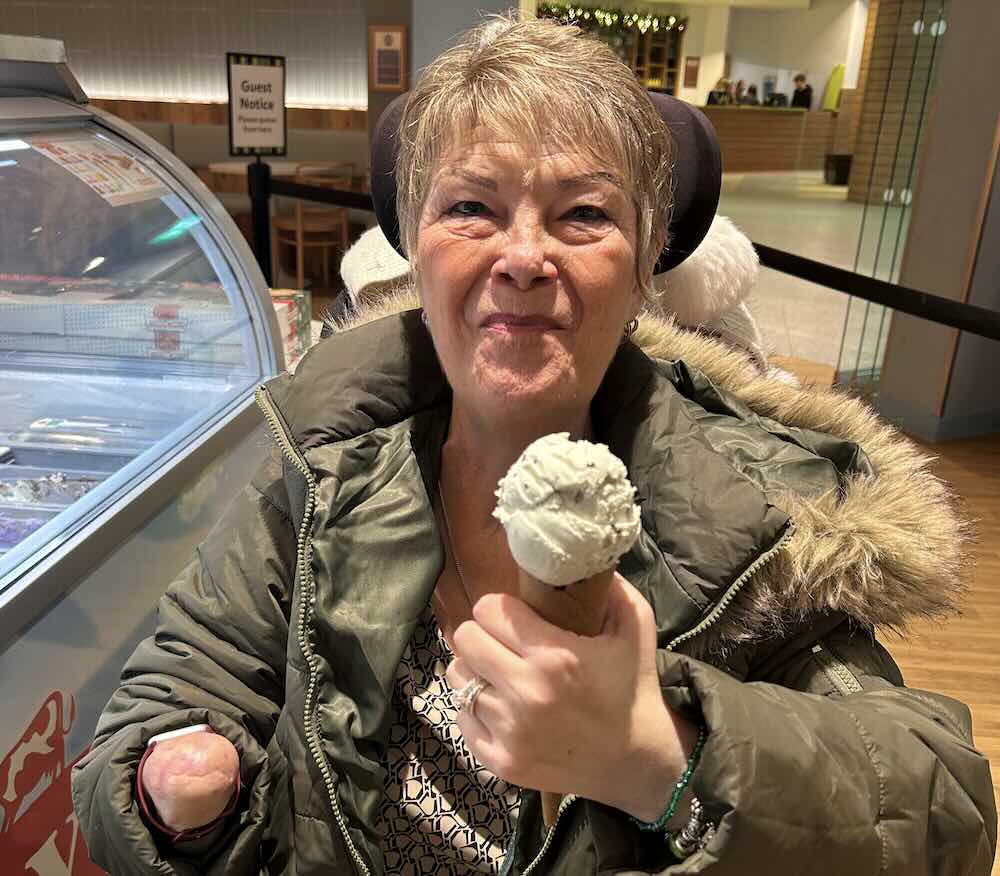
“The first time I picked up a glass of wine with no problem and then held an ice cream without dropping it, I was in disbelief at how far I’d already come.”

Kim has pretty much given up on her dream of having two hands, but is happy with her lovely new left hand.

“While I never say never about a right-hand transplant, I’m 64, now and it would mean waiting another year even to be considered.”

“I’m honestly just happy to have this one for the rest of my life because it’s already giving me so much independence.

“I don’t know who the donor was, but I’ve written to their family to say how grateful I am, knowing they’re grieving and (they) might not reply.

“Meanwhile I’m regaining strength little by little, able to hold my phone, type on it, and wear my Pandora bracelet again.”

Kim’s transplant was carried out by Professor Simon Peter Jabir Kay OBE at Leeds Teaching Hospitals NHS Trust, who commented on the surgery.

“Hands are so much more than mechanical parts, they play an irreplaceable role in human communication and connection, and so it is always an honor to be able to carry out such a life-changing surgery.

“Kim faced unexpected and severe complications during surgery which meant we could only successfully complete one hand transplant, not the double replacement we had hoped to carry out.”

“Nonetheless her recovery has been remarkable.”

“It is heart-warming to see how much her life has changed with her new hand, thanks to the generosity of her donor and their family.”Kim’s journey of overcoming tragedy is the subject of The Gift, a powerful new Sky News documentary released a week ago. You can watch it here on YouTube, or watch the trailer below… Amputee Thrilled With Hand Transplant is Now Left-handed: ‘Feels so incredible, as if I’ve had it my whole life
Read More........

Stem cell therapy may help reduce heart failure after a heart attack

(Photo: AI generated image/IANS)

New Delhi, (IANS) Patients with weak heart function who receive stem cell therapy shortly after a heart attack are less likely to suffer heart failure, according to a study.

Heart failure can occur after a heart attack when the heart muscle is extensively damaged, weakening its ability to pump blood effectively.

This can be a sudden complication (acute heart failure) or a long-term one. Symptoms include trouble breathing, fatigue, swelling in the legs, and an irregular heartbeat.

The clinical trial, published by the BMJ, suggests stem cell therapy may be a valuable add-on procedure for this particular group of patients after a heart attack to prevent subsequent heart failure and reduce the risk of future adverse events.

An international team of researchers, including those from Queen Mary University of London in the UK, set out to assess the impact of delivering stem cells directly into coronary arteries (known as intracoronary infusion) after a heart attack on the development of heart failure over three years.

“The results suggest that this technique may serve as a valuable adjunctive procedure after myocardial infarction to prevent the development of heart failure and reduce the risk of future adverse events," the team said.

The trial included 396 patients (average age 57-59 years) with no previous heart conditions at three teaching hospitals in Iran. They had all experienced a first heart attack (myocardial infarction).

Of these, 136 patients in the intervention group received an intracoronary infusion of allogenic Wharton's jelly-derived mesenchymal stem cells within 3-7 days of their heart attack in addition to standard care.

The remaining 260 control group patients received standard care alone.

Compared with the control group, intracoronary infusion of stem cells was associated with reduced rates of heart failure (2.77 vs. 6.48 per 100 person years), readmission to hospital for heart failure (0.92 vs. 4.20 per 100 person years), and a combined measure of cardiovascular death and readmission for heart attack or heart failure (2.8 vs. 7.16 per 100 person years).

The intervention did not have a statistically significant effect on readmission to the hospital for heart attack or death from cardiovascular disease.However, by six months, heart function in the intervention group showed a significantly greater improvement compared with the control group, said the researcher, while also urging the need for additional trials confirming the finding. Stem cell therapy may help reduce heart failure after a heart attack | MorungExpress | morungexpress.com
Read More........

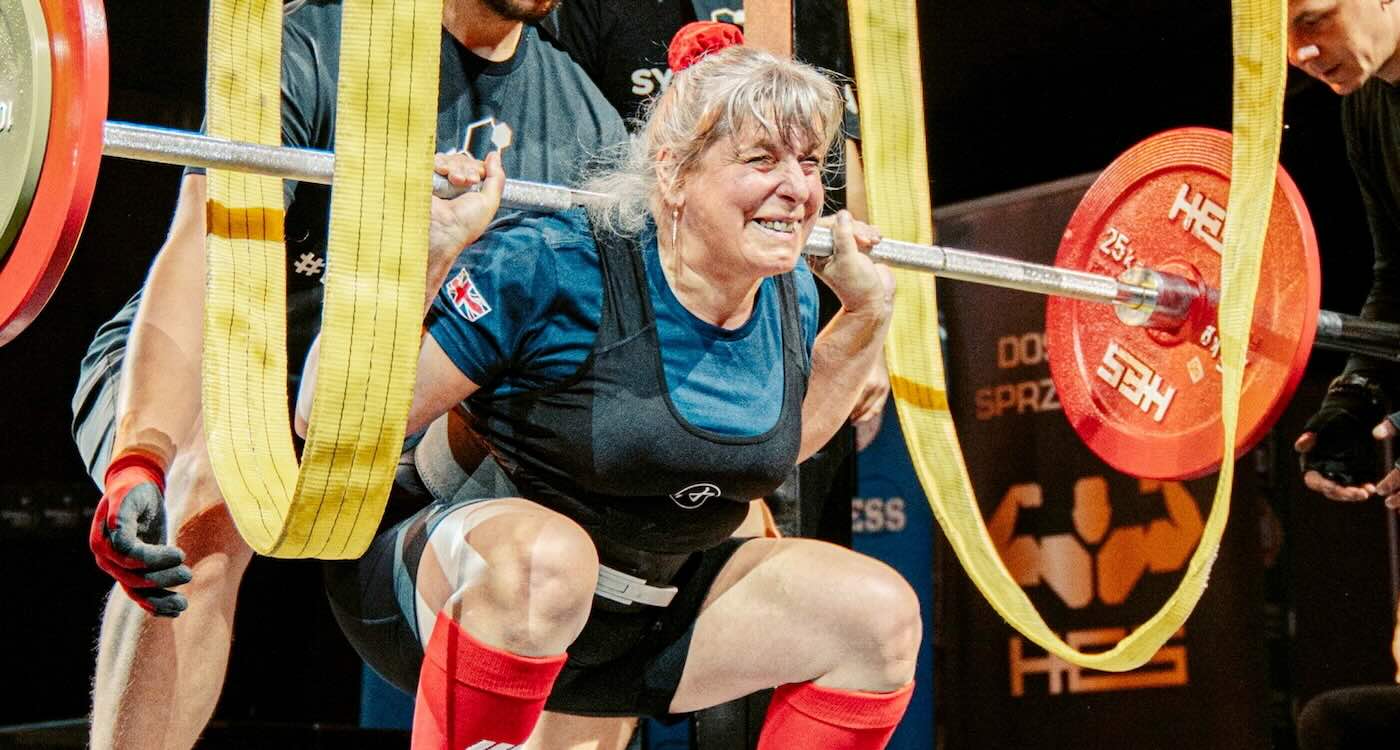
Britain’s Strongest Grandmother Breaks 4 World Records Just Months After Taking Up Powerlifting

Powerlifter Martine Barons competing in Squat at the European Championships – SWNS
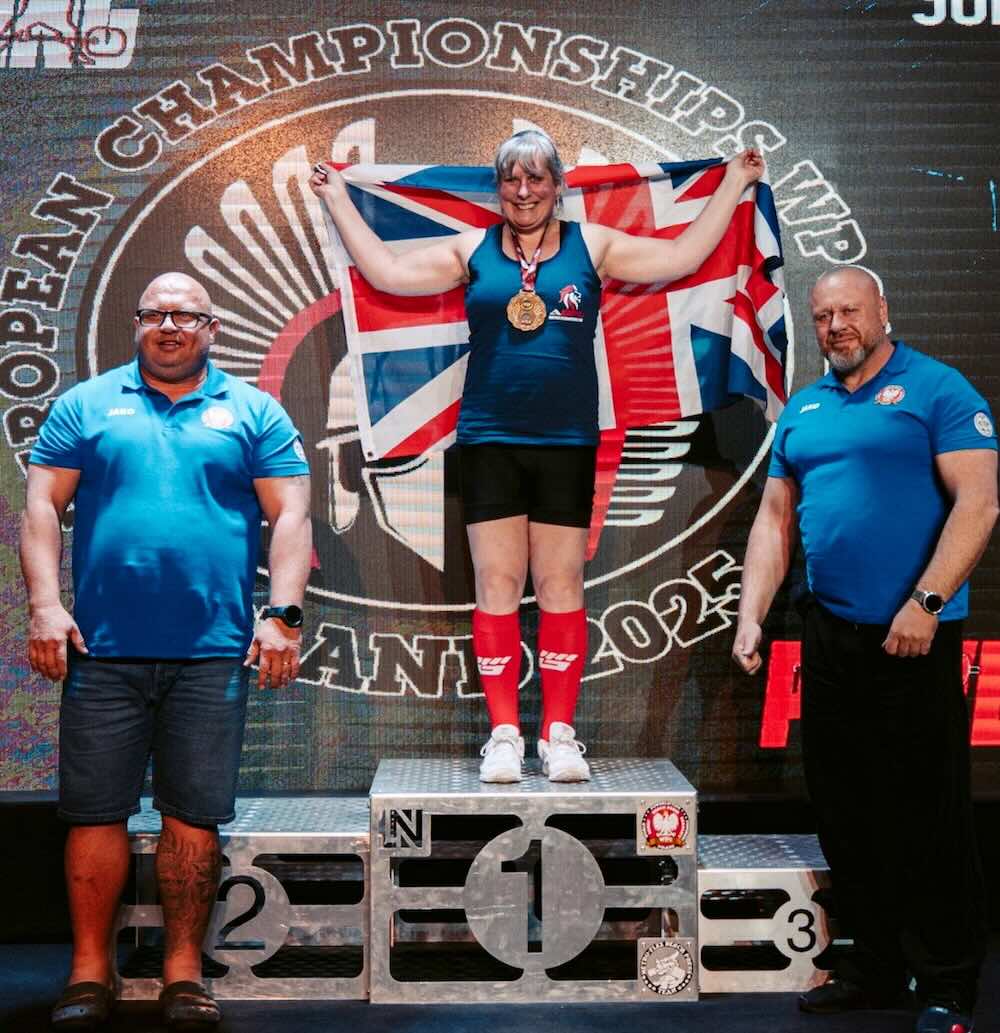
‘Britain’s strongest grandmother’ has broken four world records just 18 months after taking up powerlifting “by accident”.

At the age of 65, Martine Barons has become a four-time champion after lifting for Great Britain at the World and European Championships.

The 5-foot 6-inch mother-of-three with four grandchildren started lifting weights for fun back in December 2023 but soon realized she had a natural gift.

She’s since been training five times a week for two hours a day—all while working full-time as an academic researcher at Warwick University.

“I was surprised to find a talent for powerlifting at the age of 63 after being poor at sports all my life.

“I get enormous pleasure from training and competing—and the health benefits of increased strength and mobility are astonishing.”

She first won the European Championships in Finland last June before successfully defending her title again this June in Poland.

Twelve weeks later, she continued her winning streak in the U.S. at the World Powerlifting championship in Idaho. She previously won the 2024 World Championships in Limerick, Ireland, so all together she’s won four major titles in her division since taking up the sport.

Powerlifter Martine Barons on winners platform at European Championships – SWNS
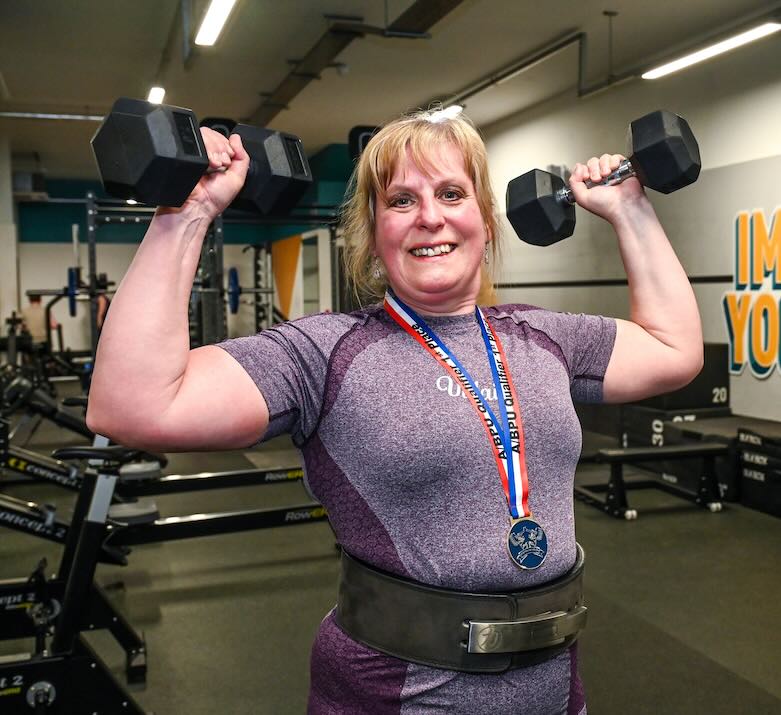
“It does make me happy and quite emotional to think about what I have managed to achieve. I never thought in the space of 18 months I could have achieved this.

“I have to pinch myself sometimes as I can’t believe it’s me. I’m still in shock, as it all started by chance, really.”

The married woman from Stratford-upon-Avon, in Warkshire, England told SWNS news agency it began as a fun gym session with a work colleague last April.

“I took up powerlifting by complete accident. I went to a gym with a friend of mine who is a physical training instructor and she showed me how to deadlift.

“She was impressed that I could pick up 60kg. Then I picked up 100kg a few weeks later.

“It must be good genetics. I’m unusually strong for my age and gender.”

SWNS

Martine added 10kg to the squat world record to lift 100kg (220 lbs) and 7.5kg to the deadlift world record by lifting 155kg (342 lbs).

She also bench pressed 57.5kg (127 lbs) and added 12.5 kg to the powerlifting total world record by lifting 312.5kg (689 lbs).

Her most recent success was becoming the 2025 world champion in powerlifting, deadlift, and bench press in the Masters 5, Raw, U90kg division.

“I’m a person who needs a goal, so when my friend said you should compete, it was ‘all hands on deck’.

“To be good at a sport for the first time is kind of nice,” she added. “I’ve found I’m good at something, so why not?”

Her next big competition is the British Single Lifts Championship at the Arnold Sports Festival at Birmingham’s NEC in March 2026.“I’m proud to be represent my country. It’s not something I thought I’d ever do!” Britain’s Strongest Grandmother Breaks 4 World Records Just Months After Taking Up Powerlifting
Read More........

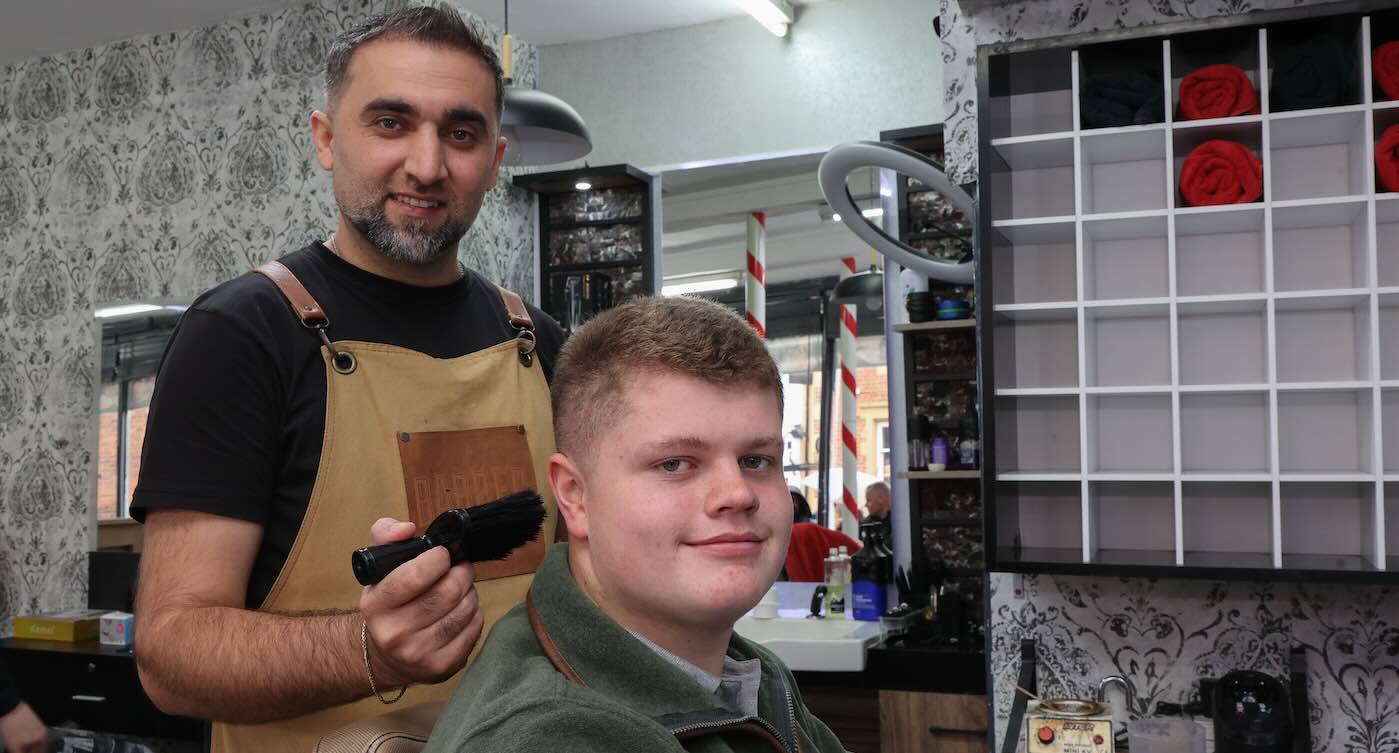
Diligent Barber May Have Saved Boy’s Life After Spotting Cancerous Lump on His Neck

Barber Firat Davutoglu and Owen Norgrove – SWNS

An eagle-eyed barber saved a teenager’s life by spotting a lump that turned out to be a rare cancer.

A Turkish stylist name Firat Davutoglu spied it the 17-year-old’s neck after he’d come in for a trim of his back and sides.

He advised him to “get it checked out”—and the next week Owen went to his doctor who referred him to a specialist.

Following a series of tests, Owen was diagnosed with Hodgkin lymphoma, an uncommon cancer that develops in the lymphatic system—and he immediately started aggressive chemotherapy following the diagnosis in January.

Owen Norgrove, from Shropshire, England, is now in remission and hoping to be given the all clear next June.

“Owen had just gone for his normal haircut and Firat noticed the tiny lump on his neck,” his mother Hayley told SWNS news agency. “When Owen came home he told us what Firat had advised and we immediately got him an appointment with his GP.

“Once we saw it, it did start to grow; by the time he was diagnosed it was a sizable lump in his neck.

“Firat really helped Owen have the cancer diagnosed much quicker so he could start treatment sooner. He underwent five months of chemotherapy at Royal Shrewsbury Hospital and is being supported by the Teenage Cancer Trust.

“He had his last chemo on May 1. Then in early June he was in remission.

“You just don’t expect cancer at that age, it was a shock for everyone. But everyone rallied around and we had a strong support network. With his age and resilience, his body fought back.

This week Owen was reunited with Firat for the first time since he took the barber’s life-saving advice.
\
Teen Boy Owen Norgrove getting chemo VERTICLE – via SWNS

Recalling the day he had his trim, Owen said: “I came to the barber as I do every few weeks. Suddenly Firat stopped and said to me ‘do you realize you’ve got a lump on your neck? You might want to get that checked by a doctor.’

“I’m really grateful that the barber noticed the lump,” he said recently.

Firat, who runs New Styles hair salon, said: “I’m just giving him a haircut and I saw that his neck, the right side of it, is swelling. I just asked what is it?

“He said he didn’t know and I got the mirror and he said he hadn’t seen it before. I told him, ‘Mate, you should go see the doctor’.

“He came with his dad (five months later) and I didn’t remember him because he had chemotherapy and had no hair. His dad told me the story and I feel emotional.

“He’s alright now and that’s what’s important now.“I hope he’s going to have a long life, healthy, and he’s never going to see the hospital and doctors again.” Diligent Barber May Have Saved Boy’s Life After Spotting Cancerous Lump on His Neck
Read More........

Deep Breathing Can Create Psychedelic Bliss in Your Brain, Study Shows

– credit, Andrej Lisakov via Unsplash

A study recently found that deep-breathing exercises induce similar patterns of blood flow to the brain seen in patients using psychedelic substances like psilocybin.

This altered state of consciousness matched one first described by Freud, and was characterized by blissful feelings, positively experienced depersonalization, and the sensation of unity.

Breathing exercises like high-ventilation breathing or holotropic breathing have been growing in popularity as forms of neuromodulation that can combat overactive feelings of fear, stress, anxiety, and helplessness.

Exactly why these exercises, known collectively as breathwork, have such a profound, almost psychedelic effect in the brain however, is not known.

To that end, Amy Amla Kartar from Brighton and Sussex Medical School in the UK, designed a trial to study blood flows in and out of the brain during 20 to 30 minute breathwork sessions accompanied by music.

“Conducting this research was a fantastic experience,” Kartar told PLOS, where the paper on her experiment was published.

“It was thrilling to explore such a novel area—while many people anecdotally recognize the health benefits of breathwork, this style of fast-paced breathing has received very little scientific attention. We are very grateful to our participants for making this work possible.”

Kartar and her team, which included Dr. Alessandro Colossanti, the director of the Colossanti Laboratory for Clinical Neuroscience, where the experiment took place, analyzed self-reported data from 15 individuals who participated online, 8 individuals who participated in the lab, and 19 individuals who underwent magnetic resonance imaging.

Relaxing music was played at baseline, while progressively evocative music was played during breathwork sessions.

The results showed that the intensity of blissful, psychedelic experiences brought on by breathwork were proportional to cardiovascular sympathetic activation, as indicated by a decrease in heart rate variability.

In addition, these states were associated with a “profound” decrease in blood flow to the left operculum and posterior insula: brain regions implicated in representing the internal state of the body, including breathing. Additionally, large reductions in blood flow to the brain were observed, but there was a progressive increase in blood flow to the right amygdala and anterior hippocampus, which are brain regions involved in the processing of emotional memories.

These blood flow changes correlate with those seen in the brains of patients undergoing psychedelic experiences, demonstrating that these alterations may underlie the positive effects of this breathwork.

During all experimental sessions, participants reported a reduction in fear and negative emotions, with no adverse reactions. In general, the reports matched with something the father of psychoanalysis, Sigmund Freud, described as “Oceanic Boundlessness,” associated with a blissful feeling of oneness, detachment, and spirituality.

Music alone is not known to produce such profound states, and so the authors suggest that the findings be replicated with larger study groups with more focus into the musical content.

“Breathwork is a powerful yet natural tool for neuromodulation, working through the regulation of metabolism across the body and brain,” said Dr. Colossanti. “It holds tremendous promise as a transformative therapeutic intervention for conditions that are often both distressing and disabling.”Not sure where to get started with breathwork? Popular health influencer Gray Brecka is something of a breathwork missionary, and this 9-minute excerpt from his podcast may be as good a place to start. Deep Breathing Can Create Psychedelic Bliss in Your Brain, Study Shows
Read More........

Beet Juice Lowers Blood Pressure in Older People by Changing Their Oral Microbiome

Photo by Alex Lvrs (cropped)

The blood pressure lowering effect of nitrate-rich beetroot juice in older people may be due to specific changes in their oral microbiome, according to the largest study of its kind.

Researchers at the University of Exeter in England conducted the study which was published in the journal Free Radical Biology and Medicine. It followed previous research that had shown a high nitrate diet can reduce blood pressure—which, in turn, can reduce the risk of heart disease.

Nitrate is crucial to the body and is consumed as a natural part of a vegetable-rich diet. When older adults drank a concentrated ‘shot’ of beetroot juice twice a day for two weeks, their blood pressure decreased – an effect not seen in a younger group used for comparison.


“Encouraging older adults to consume more nitrate-rich vegetables could have significant long term health benefits,” said study author Professor Anni Vanhatalo, of the University of Exeter.

“We know that a nitrate-rich diet has health benefits, and older people produce less of their own nitric oxide as they age.”

“The good news is that if you don’t like beetroot, there are many nitrate-rich alternatives like spinach, rocket, fennel, celery and kale.”

The study recruited 39 adults under age 30 and 36 adults in their 60s and 70s (through the NIHR Exeter Clinical Research Facility).

In both groups, the make-up of the oral microbiome changed significantly after drinking the nitrate-rich beetroot juice, but these changes differed between the younger and older age groups.

According to Exeter News, “The new study provides evidence that this outcome was likely caused by the suppression of potentially harmful bacteria in the mouth. An imbalance between beneficial and harmful oral bacteria can decrease the conversion of nitrate (abundant in vegetable-rich diets) to nitric oxide—which is key to healthy functioning of the blood vessels, and therefore the regulation of blood pressure.”

The older age group experienced a notable decrease in the mouth bacteria Prevotella after drinking the juice, along with an increase in the growth of bacteria known to benefit health, such as Neisseria. The older group had higher average blood pressure at the start of the study, which fell after taking the nitrate-rich beetroot juice, but not after taking the placebo supplement.

“This study shows that nitrate-rich foods alter the oral microbiome in a way that could result in less inflammation, as well as a lowering of blood pressure in older people,” said co-author Professor Andy Jones.

“This paves the way for larger studies to explore the influence of lifestyle factors and biological sex in how people respond to dietary nitrate supplementation.”

“By uncovering how dietary nitrate affects oral bacteria and blood pressure in older adults, the study opens up new opportunities for improving vascular health through nutrition,” said Dr. Lee Beniston from BBSRC, which funded the research. Beet Juice Lowers Blood Pressure in Older People by Changing Their Oral Microbiome
Read More........

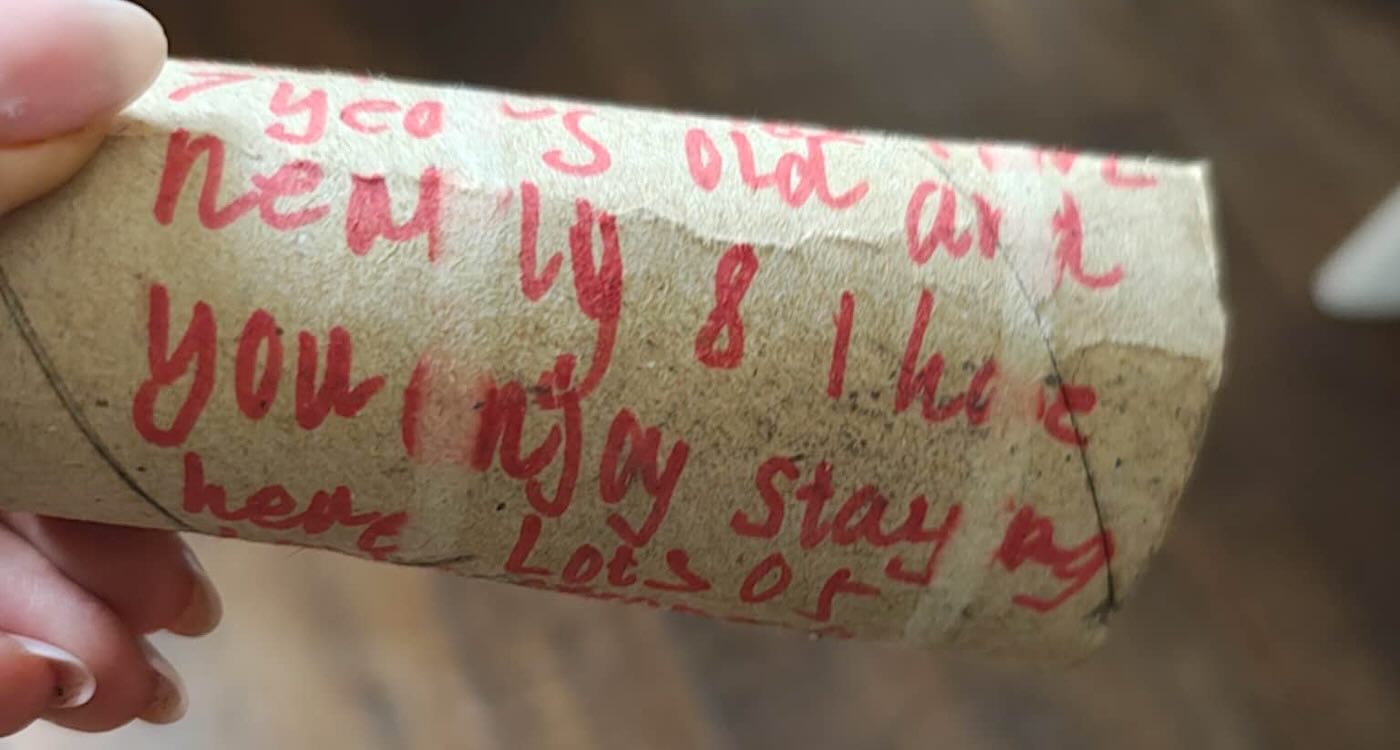
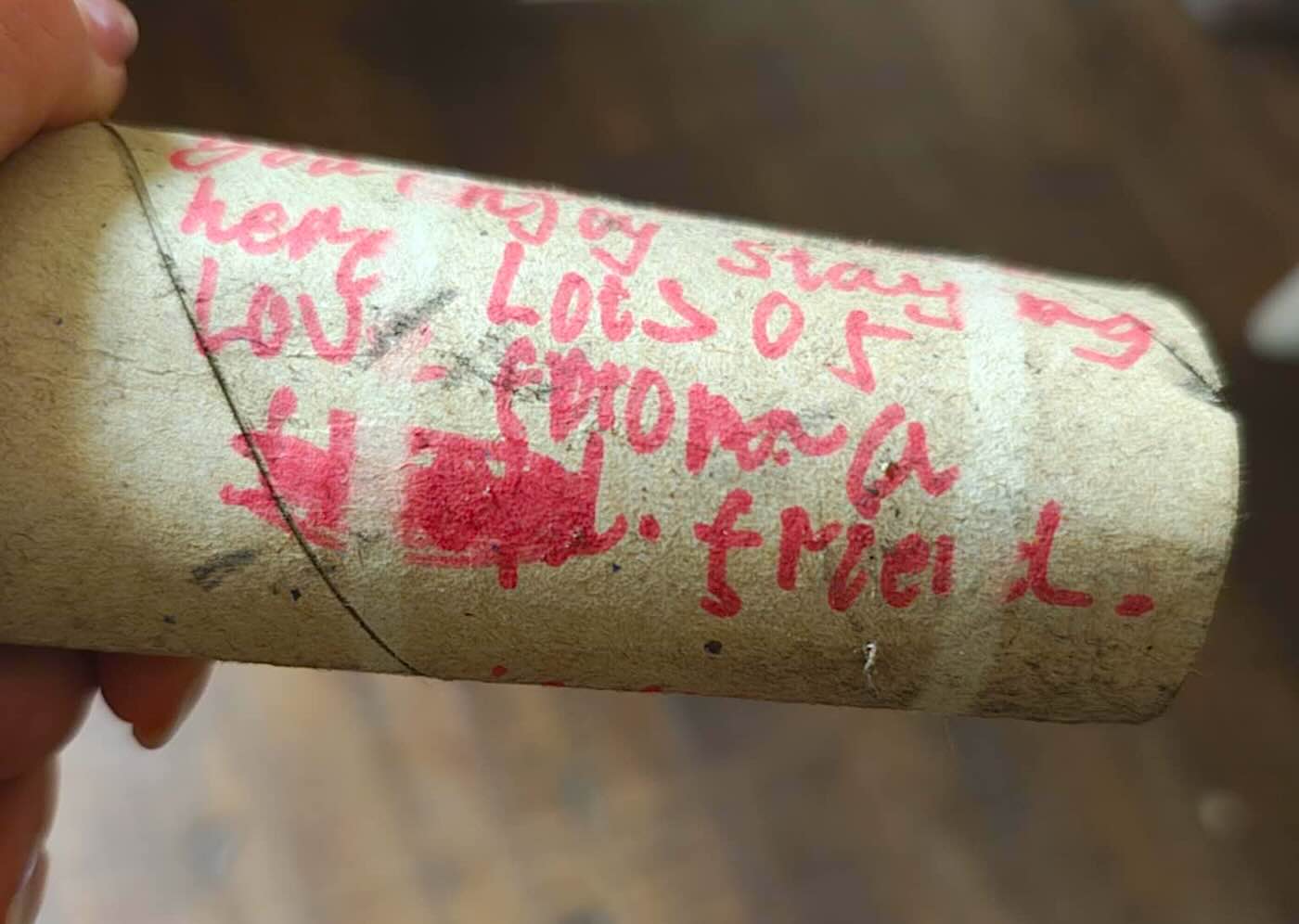
Woman Finds Message on Toilet Paper Roll Written 35 Years Ago by Little Girl

Message on 35-year-old toilet paper roll –Charlotte England-Black / SWNS

A couple renovating their new home discovered hidden inside their loft a heartwarming message written by a little girl 35 years ago—on the side of an empty toilet paper roll.

Charlotte England-Black found the touching note, which was concealed in the attic of their property in Nottingham, England, in 1989 when the little girl was moving out.

The 30-year-old moved into the house with her husband five months ago, but only found the hidden time capsule last Friday.


The note was penned by Emma—who was seven years old at the time—as a secret message for the home’s future owners.

Written in red marker, it reads: “I hope you enjoy staying here. Lots of love, from a friend.’

It began, “My name is Emma Waddingham. My birthday is February the 4th. I was born in 1982. I’m seven years old and nearly eight.

Charlotte immediately wondered where Emma was now—so she reached out on a Facebook community page in a bid to track her down. Amazingly, she was found within the hour.

“It’d been up there years,” Charlotte told SWNS news agency. “It was discovered along with an old sink, a vintage cap and some used overalls.

“It was really cute. She’d obviously written it hoping someone would find it one day. It really is quite touching.

Message on toilet paper roll left by girl 35 years ago –Charlotte England-Black / SWNS

“We posted it on a community page on Facebook. Within ten minutes someone had tagged her in it and others had commented saying they’d remembered her from the street, which was great.

“I thought, I bet she could easily be found and it’d be nice for her. It’s just a connection with the past.”

Today, Emma’s last name is Smith, and she still lives in Nottingham. Now 43-years-old, Emma doesn’t remember penning the note, but says she had fond memories of living there.

“I don’t remember doing it and why I chose the toilet roll,” she said. “We’ll forever be wondering.

“It was a lovely place to spend those years. I had amazing wallpaper in my bedroom of Tom and Jerry.”

In the future, when Charlotte moves out, she plans to leave the cardboard tube in the attic for the next homeowners, so they can also discover the time capsule.

In another 35 years someone else might find it… It’ll be nice to see if it gets found.” Woman Finds Message on Toilet Paper Roll Written 35 Years Ago by Little Girl
Read More........

Woman Hires Private Detective and Finds 2 Long-Lost Sisters After 44 Years and the Death of Adoptive Parents

Magda Berg with her two sisters Beata and Daria -via SWNS

An adopted woman met her two sisters for the first time in 44 years—after hiring a private detective to track down her birth family.

Magda Berg hired the detective after her own 20-year search hit a dead end. She paid $1,300 and had the names and addresses of her family members four months later.

The 44-year old and mother-of-one was able to meet her birth mother and discovered she had three half siblings, including two sisters. Now she feels a “real sense of family”.

“My sisters and I connected straight away, it was amazing,” said the receptionist from Buckinghamshire, England, who now has regular contact with Beata and Daria, both in their early 40s. “I am very, very happy.

“We have a lot in common. We all talk about life in the same way, like we were raised together, and we’re able to finish each others’ sentences.

“I now have that real sense of family that I had been missing.

Magda grew up in Poland and was told that she was adopted as a baby. She moved to the UK in 2005 but all she knew about her birth mom was her name, the village where she gave birth, and the location of the convent where she had been left.

Magda Berg as a child – via SWNS

She started to feel curious about her birth family at age 18 after her adoptive parents were killed in a car crash. However, the convent where she’d been left as an infant had closed and she couldn’t find out any more information about her origins.

A change in Polish law meant she could request her original birth certificate in January 2018, so she was able to discover her birth mother’s maiden name and the town she had lived in.

After struggling to get any further, Magda decided to hire a private detective who discovered the name and address for her mum and revealed she had three half siblings: two sisters and a brother.

The detective sent two letters of introduction to her birth mother on Magda’s behalf but got no answer. Then, Magda’s half sister Beata found one of the letters and contacted the detective and arranged to meet Magda.

They met up in a restaurant when Magda was on holiday in Warsaw just after Christmas.

“It was like meeting my other half,” Magda told SWNS news agency. “We talked like we’d known each other our whole lives.”

A year later Magda’s mother finally agreed to meet her in a café, and revealed that she was 20-years-old and unmarried when she became pregnant with Magda. She later married a different man, with whom she had the other three children.

Magda now also has a young niece who calls her ‘my auntie in the UK’.

Magda Berg with her sister – via SWNS

The three sisters get together twice a year and send long messages every month.

“It’s so lovely to have Daria and Beata. We look quite alike, and we all like reading, sight seeing, and going to the forest. I share interests with them that I did not share with my adoptive parents.

“I have a whole new sense of belonging. We really love each other. I’ve never had such a great relationship.”“It’s funny because I now talk about ‘my sisters,’ and when I hear myself say it I’m still really surprised.” Woman Hires Private Detective and Finds 2 Long-Lost Sisters After 44 Years and the Death of Adoptive Parents
Read More........

Watch the Moment a Dad From Public Housing Wins Stunning Home Worth 2.5 Million in Charity Drawing

OMAZE home winners

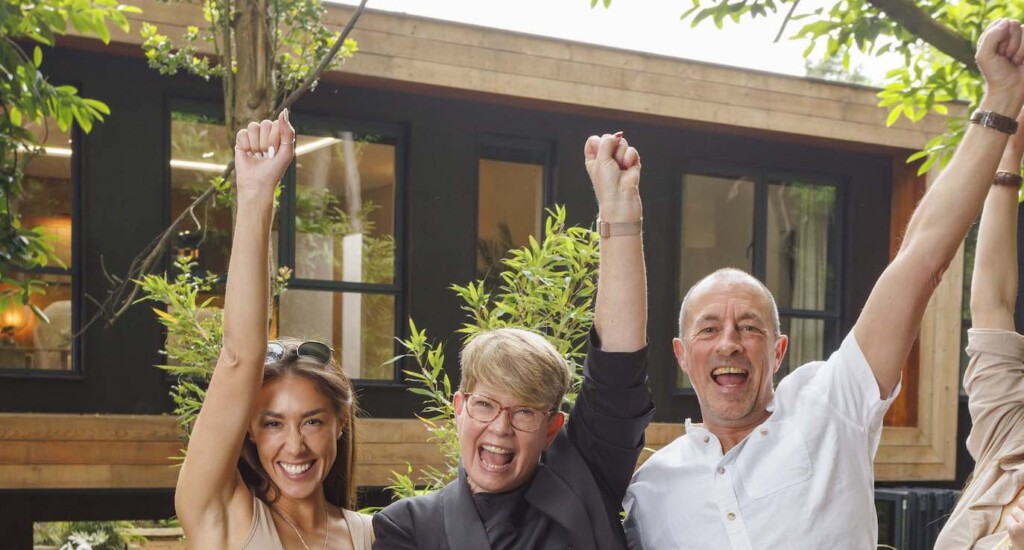
A dad who grew up in public housing has won a stunning home worth 2.5 million in a prize drawing that raised over three million for charity.

Chris Milnes scooped up the magnificent 5,000-sq-ft home after entering the latest Omaze charity drawing without telling his wife and kids.

The thrilled 60-year-old who lives with his wife Jules in West Yorkshire, England, also received a cash prize of £100,000 tax free.

“When I got the call from Omaze to say I’d won something, I thought wow, a couple of grand would go down a treat at the minute,” said the father of three. “I never imagined that I might’ve won a house worth more than a couple of million—it’s crazy!”

“I spent much of my childhood living in a council flat in Leeds. Things like this don’t happen to people like me.”

Chris now plans to sell the luxury home in Dorset, so he can give his children “the start in life I never had”.
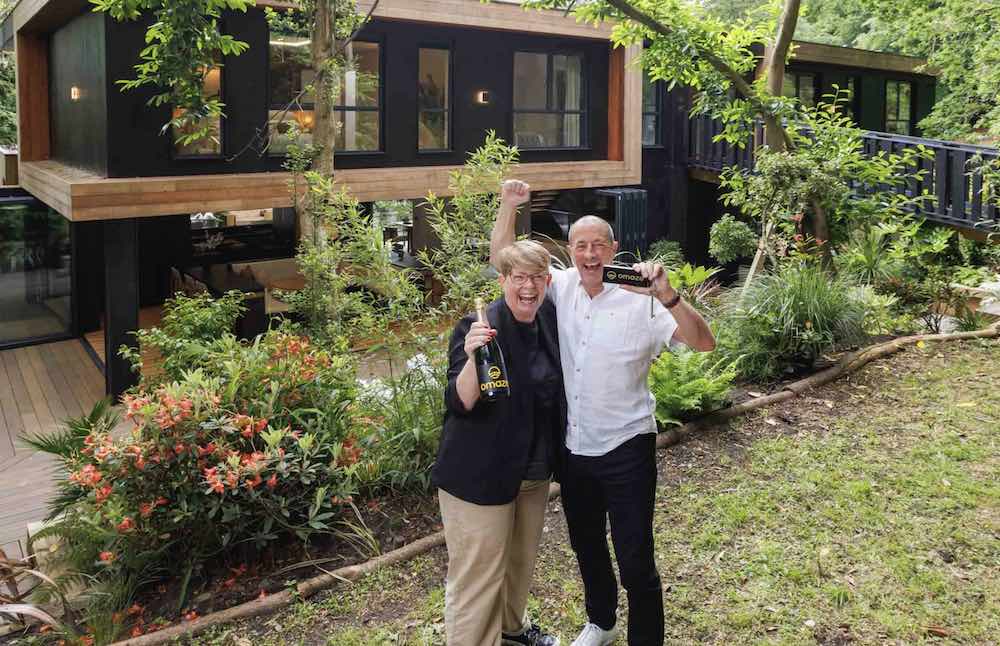
OMAZE home in Dorset with Chris and Jules celebrating

“It was a massive surprise to me—but an even bigger one for my wife as she had no idea I’d even entered. To say she was shocked is a bit of an understatement, she was utterly speechless.” (Watch the moment Chris was surprised in a video below…)


Chris had recently talked with his wife about downsizing, but they have now put their financial worries behind them.

“We currently live in a rented house, and only last week were discussing having to downsize to help keep our living costs down.

“We’ve worked hard all our lives and we’ve had to manage some challenging times over the years—but now everything has changed.

The salesman plans to spend a ‘big holiday’ with his family in the three-tiered home, before putting it on the market later this year.

OMAZE home in Dorset

The o-mazing 3-tiered home features a kitchen that opens onto a hardwood deck, spa-like bathrooms attached to each of the four bedrooms, and a cinema room. The rainforest-inspired garden also has a hot tub and outdoor shower.

Even though the drawing was open only to UK residents—with tickets starting at just £10—the contest raised a whopping £3,150,000 for BBC Children in Need.

And it was “a lovely coincidence” that when they won, Chris and Jules were living in a town called Pudsey, because the face of the BBC charity is Pudsey Bear.

With this and previous home raffles across the UK, Omaze has raised over £43 million for a variety of good causes. Worldwide, Omaze has raised $170 million by raffling luxury cars, campers, homes—and even lunch dates with celebrities or presidents.

Omaze gives people the chance to win amazing houses, like this beautiful house in Dorset, whilst also introducing charities to vast new audiences that they wouldn’t otherwise reach,” explained James Oakes, Chief International Officer at Omaze. “It’s a real win-win for both charities and entrants.”

If they did decide to rent it out, it’s estimated the property could achieve a long-term rental value between £5,000-6,000 per month, but instead the couple will buy a new smaller home together in Yorkshire, knowing the contest has changed their family’s lives forever.

“Not only will we be able to afford a new house for us, but we can also get all our children on the property ladder now. It means so much to be able to give them the start we never had.“My son lives in Australia and we’ve only seen him once in the past 6 years – now we can go and see him whenever we want and fly them all over in style too—it’s just bonkers!”Watch the Moment a Dad From Public Housing Wins Stunning Home Worth 2.5 Million in Charity Drawing

Read More........

Teen Bullied Over Her Weight Goes On to Become Cheerleading Coach and Beauty Queen Finalist

Sophie McGarva – via SWNS
A student who was picked-on for being an overweight teenager has shut down the bullies by becoming a cheerleading coach and Miss England semi-finalist.

Sophie McGarva said she was mocked by cruel classmates after she reached almost 200 pounds during middle school by gorging on junk food and snacks before turning 13.

The Englishwoman suffered from low self-esteem but became determined to “prove everyone wrong” and went on to lose 49 pounds. Now 21, Sophie even made the semi-finals of the Miss England competition last weekend.

The English Literature degree student now keeps in shape by coaching cheerleading for the ‘YSJ Kats’ at York St John University and going to the gym three times a week.

“The issues with my weight first started once I got to secondary school,” explained the North Yorkshire woman. “I wasn’t very sporty then and I was eating a lot of bad food, like chocolates and sweets..

“But at that point you start to become more image aware and the girls around me were all really slim.

“I was never too concerned, but then a few girls started picking on me because of my size and saying mean and horrible things.

“I even reported it to teachers at one point, but it was sort of brushed under the carpet, which didn’t help matters.

“After about a year of this, I knew it was time for a change and I became determined to prove everyone wrong.

“I also wanted to prove to myself that if I put my mind to something I could do it. So I began watching my diet and exercising more.”

After getting into dance, swimming, and ice-skating, she lost almost 50 pounds.

“I have maintained this determined, strong-willed mindset in my adulthood and I still go to the gym.”

“Once I got to university I wanted to join a society as they say that’s the best way to meet people. I chose cheerleading and it just went from there. I now choreograph routines and teach up to a level two standard.

“We’re not competitive. We’re a varsity squad so do events and cheer on the football teams and things like that. I absolutely love it.”

Cheerleading gave Sophie the confidence to model on four occasions at York Fashion Week, giving her the belief that she could even compete in a beauty pageant.

“I entered Miss England after seeing it publicized on social media, thinking I wouldn’t stand a chance.

“I like the charity aspect and what they stand for—about beauty not being solely about what’s on the outside.

“At school I was a young and impressionable girl who was taught by those around me that beauty was merely the reflection in the mirror—which, after the weight loss, I came to the realization that this is not entirely true.

“I entered Miss England to challenge myself again, in aims of gaining confidence within myself and to also make my younger self proud.”

Indeed, she became one of 44 women to make it through to the Miss England national finals last weekend.

“I wanted to gain a deeper connection with myself and those around me, proving to myself that I can succeed in things outside my comfort zone. Source: https://www.goodnewsnetwork.org/teen-bullied-over-her-weight-goes-on-to-become-cheerleading-coach-and-beauty-queen-finalist/
Read More........

Man Who Built Adorable Mouse Village to Cope With Depression Adds a Pub, Book Shop, and Hobbit Homes–LOOK

By Simon Dell / SWNS

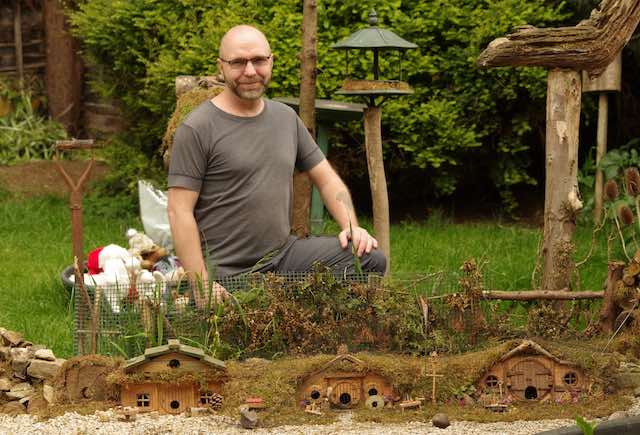
A British man who six years ago built an adorable mouse village to cope with depression has added a pub, a book shop, and Hobbit homes so he could capture even more heartwarming photos.

Simon Dell began creating the ‘mini shire’ when he spotted a wild mouse in his back garden and wanted to protect it from neighborhood cats.

Since then, the 50-year-old has attracted more mice to the luxury mouse town, constructed from recycled materials and repurposed trash.

Simon documents daily village activities across his social media channels (George the Mouse in a log pile house) with an impressive following of over 150,000.

“Without photography, and the fun of making little things for little things, I could soon sink back into deep depression,” said Simon.

“Photography gave me a reason to get up and out again and the mouse village gave me back my smile.

“I hope it gives others the same joy it gives me.”
The Log Pile Inn pub (with ‘No Cats’ sign out front) in Simon Dell’s mouse village – SWNS

A book shop in Simon Dell’s mouse village / SWNS

Back in 2018, Simon recalls sitting in his garden in South Yorkshire when he “could see cats sitting just feet away from this little mouse at the other side of a fence.”

He piled some small logs around a box as a home for the mouse and covered it with moss and straw to give him a little shelter, and wire fencing to keep the cats at bay.
SWNS

After erecting the shelter for the mouse, which he named George, he began adding more homes next door. Within days, a few mice pals had moved in, looking to get-in on the creature comforts.
Barrel outside the Log Pile Inn by Simon Dell / SWNS

The wildlife photographer began adding intricate detail to the tiny houses, fashioning dining tables and giving them props for hobbies like painting, boating, gardening, and photography.
By Simon Dell / SWNS
Simon Dell / SWNS
Simon Dell / SWNS

Today, Simon says there are around 20 mice, with possibly two family groups—and a lot has changed in the village.

“The only limit is my own imagination and skills at making the new buildings – as everything is made by hand from recycled bits of wood old logs or just about anything I can find in skips or the trash that could be given a new life.”

“They have two of my old boots converted into mouse homes and lots of other types of homes scattered around the village.

“In fact they have just about everything you would find in a village or even a town.”
The village in 2019 – SWNS

He has plans to add a train station, cafe and a theater or cinema.

Simon says the mouse village has given him—and many of his followers—immense joy amidst personal struggles.
The Village in 2019 – SWNS

“As I have always suffered with depression, insomnia, and anxiety, they are always there to support me in good or bad times—and many find my photos and videos help make them smile daily and lift their moods.

“That has always been my goal to make others smile along with keeping my mind and body active. Source: https://www.goodnewsnetwork.org/man-who-built-adorable-mouse-village-to-cope-with-depression-has-added-pub-and-book-shop/
Read More........

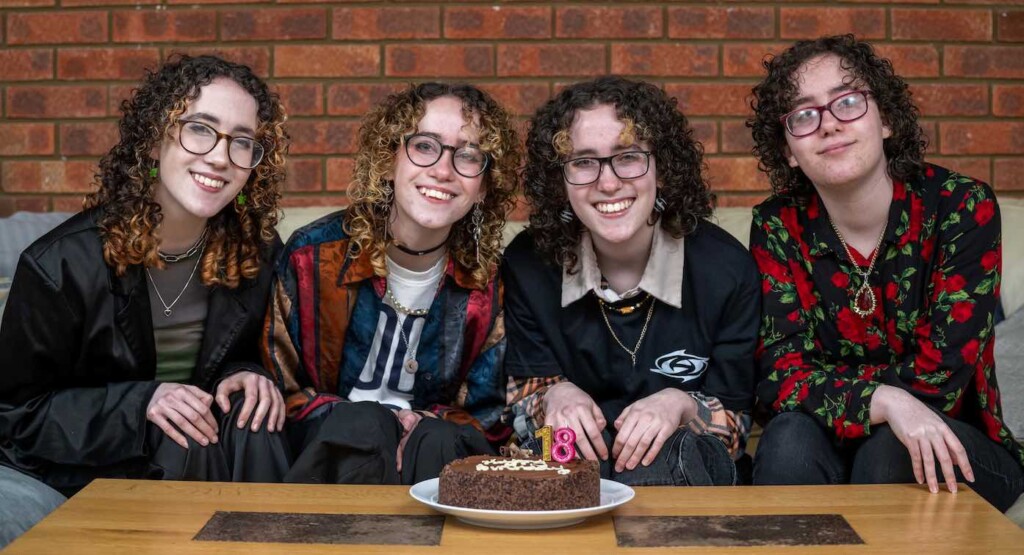
Quadruplets Who Beat the Odds at Birth Are About to Turn 18 and Be Apart for First Time

(Left to right) Ellie, Holly, Georgie and Jess – SWNS
Identical quadruplets who beat all the odds just even being born are now turning 18, and are about to be apart from their sisters for the first time. Doctors told their parents that they were more likely to win the lottery than see all four babies survive, but 18 years later Ellie, Jessica, Georgie, and Holly are now happy and healthy, reaching adulthood. The girls have asked for a celebration night out for dinner with mom and dad—Julie and Jose—in Bedfordshire, England. And afterward, they’re all going to a concert together. “They haven’t really asked for much,” said Julie. “We’re going to celebrate the day as a family. We’re very close.” “They will then go off into the adult world and do their own thing. “I think they will miss each other but they will enjoy the freedom. In 2005, Julie and Jose learned from an 11-week scan that they were having quads, and they were monochorionic babies who were dependent on a shared placenta. “Initially, the sonographer said it was unlikely that they would survive. We were traumatized.
(L-R) 2-year-old Georgie, Holly, Ellie and Jess – SWNS
“Over the weekend we did some research and accepted it. We felt like we were given a gift.” When Julie reached 23 weeks on March 23, Ellie, Georgina, Jessica and Holly were born just minutes apart, weighing 2lb 8oz, 2lb 7oz, 2lbs and 1lbs 9oz respectively—before being rushed to the NICU for eight weeks. The day Julie and Jose were allowed to bring the siblings home was the ‘best day of their life’. They “thrived” and each branched out with different personalities.
SWNS
Ellie, Georgina, Jessica and Holly will be celebrating their 18th birthday on March 23, 2024. “Them turning 18 makes us really proud,” says Julie. “You don’t often get to look back at what you have done over the years. “It is only when someone points it out, we are like ‘oh my gosh, what we have done is amazing’.”“They will always have each other.” Quadruplets Who Beat the Odds at Birth Are About to Turn 18 and Be Apart for First Time
Read More........

Is feminism killing romance?

Romantic relationships have historically been all about men courting and “keeping” women. And it’s a powerful tradition. Whether it’s asking someone out, picking up the bill, or being the main breadwinner in the family, many of the ideas we have about romance are still based on men being initiators and directors and women being receivers and caretakers. Yet society is changing. Women are increasingly entering the “male domains” of high-powered jobs and sexual freedom.

So how does all this affect romance? Given that popular (mis)conceptions of feminism tend to malign feminists as man-haters or lesbians, it’s easy to see why many people view gender equality as incompatible with romance and a hindrance to romantic relationships. But is this really the case? Let’s take a look at the evidence.

Traditionally, women’s main route to status and influence involved attracting high-status romantic partners. But while the movement for gender equality has changed things, cultural scripts about romance have curtailed women’s social roles and still continue to do so.

For example, when adolescent girls describe their first sexual experience, they frequently refer to it as something that just “happened to them”, whereas boys’ accounts don’t show this lack of agency. This power imbalance also occurs in adults, with men being more likely to initiate and lead sex than women.

Yet, researchers have also noticed that heterosexual scripts of romance are becoming more egalitarian over time. Spurred by the movement for equality, women are increasingly adopting active roles in initiating romance and are displaying more dominant sexual behaviours.

For women, the pay-off is obvious. Traditional cultural views of romance thwart women’s ability to express themselves, as it requires a relinquishing of control and agency. We know this leads to dissatisfaction with sex and relationships. Conversely, greater agency and equality in a relationship has been associated with better communication, improved relationship satisfaction and a better sex life. One study found that women in relationships with feminist men reported healthier relationships – both in terms of quality and long-term stability – than those in relationships with non-feminist men.

More generally, conforming to traditional romantic ideas may also limit women’s willingness and ability to seek equality. One study found that women who associate their romantic partners with chivalry and being a “protector” – as in the ideal of a Prince Charming – were less interested in pursuing higher education and higher-status occupations.
Are men suffering?

Many men seem to believe that gender equality will cause relationship problems. But is this the case? One way of approaching this issue is to look at what happens when couples shift away from traditional family roles, with men taking on more responsibility in the home. Studies of couples who live together suggest that greater equality in earning income and sharing of household chores is associated with greater relationship stability and having sex more often.

Indeed, when husbands take on a greater role in housework, shopping and childcare, it seems to result in lower divorce rates. Likewise, when fathers take paternity leave and contribute more to homecare, it results in greater marital stability

More broadly, one study showed that men who said they were in relationships with feminist women reported greater relationship stability and sexual satisfaction. The authors of this study concluded that, far from disrupting heterosexual relationships, greater gender equality in a relationship was healthy – for both women and men. Other research has also suggested that men who eschew traditional cultural scripts of romance tend to have more satisfying and committed relationships.

There’s also a darker side to traditional relationships. The dominant role for men in relationships is problematic for wider society because it can socialise men into a culture of violence. Research consistently shows that men who more strongly endorse traditional gender roles, including in relationships, are more likely to report a history of sexually coercive behaviours, are more likely to blame the victims of rape and are more accepting of intimate partner violence.
Performing gender

But why does equality make us happy? One reason might be that endorsement of traditional cultural scripts of romance places a heavy burden on men, just as it does on women. Having to “perform” according to traditional scripts limits expressions of individuality and behaviours – ultimately making it harder for two people to develop true intimacy. In fact, men are increasingly expressing frustration at relationships that force them to follow the male-initiator cultural script for precisely this reason.

It even applies to the bedroom, where it can reduce spontaneity and lower sexual satisfaction. In fact, when it comes to sex, there is evidence that both women and men experience greater sexual satisfaction when the woman doens’t feel that she has to be submissive (unless of course that’s a personal preference). 
Another reason why greater gender equality may lead to more stable relationships is because it promotes more positive communication patterns. Gender equality facilitates a sharing of responsibility to resolve conflicts (as opposed to placing that burden primarily on women) and may lead to more expressive communication styles which benefit the relationship.

So does that mean that men should stop initiating romantic relationships or that women should start picking up the bill? In the short term (on a first date for example), conforming to cultural scripts may facilitate interactions, so long as both partners are on the same page. But in the longer-term, perpetuating gendered inequalities in our romantic relationships will likely cause more harm than good. Gender equality in relationships doesn’t mean that we lose the romance. If anything, it lays the basis for more satisfying and healthier relationships.

Viren Swami, Professor of Social Psychology, Anglia Ruskin University

This article is republished from The Conversation under a Creative Commons license. Read the original article.
Read More........

Consuming fruit, vegetables and exercising can make you happier: Study

WASHINGTON: A new study has found that fruit and vegetable consumption and exercise can increase levels of happiness. The findings of the study were published in the 'Journal of Happiness Studies'. While the link between lifestyle and wellbeing has been previously documented and often used in public health campaigns to encourage healthier diets and exercise, new findings showed that there is also a positive causation from lifestyle to life satisfaction. This research is the first of its kind to unravel the causation of how happiness, the consumption of fruit and vegetables and exercising are related, rather than generalising a correlation. The researchers, Dr Adelina Gschwandtner (University of Kent's School of Economics), Dr Sarah Jewell and Professor Uma Kambhampati (both from the University of Reading's School of Economics), used an instrumental variable approach to filter out any effect from happiness to lifestyle. It showed that it is rather the consumption of fruit and vegetables and exercising that makes people happy and not the other way round. Findings demonstrate that the ability of individuals to delay gratification and apply self-control plays a major role in influencing lifestyle decisions, which in turn has a positive impact on wellbeing. The research also shows that men appear to exercise more, and women eat more fruit and vegetables. With it being well known that lifestyle diseases are a leading cause of ill health and mortality worldwide, and the UK having one of the highest obesity rates in Europe, these findings could have significant implications for public health policy. Dr Gschwandtner said, "Behavioural nudges that help the planning self to reinforce long-term objectives are likely to be especially helpful in maintaining a healthy lifestyle. If a better lifestyle not only makes us healthier but also happier, then it is a clear win-win situation." Professor Kambhampati said, "There has been a bigger shift in recent years for healthier lifestyle choices. To establish that eating more fruit and vegetables and exercising can increase happiness as well as offer health benefits is a major development. This may also prove useful for policy campaigns around environment and sustainability.", Copyright © Jammu Links News Source: Jammu Links News
Read More........

Men at higher risk of 2nd heart attack than women: Study


The number of deaths from heart attacks is not less than the number of normal deaths around the world. On the contrary, the average is too much. There could be many reasons for this. Many other diseases can lead to heart attacks. However, research says that men are at most risk in this case. 

According to US Researchers, women are less likely to have a 2nd heart attack than men. The study was done on 1.4 million people from 2008 to 2017, showing that “the surviving female patients from death risk is relatively low”.

It has been found that within 12 months of recovering from the first heart attack, the follow-up heart attack has been reduced from 89.2% to 72.3% for every 1,000 women – where the follow-up heart attack has been reduced from 94.2% to 81.3% for male patients. 

London-based physician San Peters thinks that a second heart attack can be prevented if the patient follows the doctor’s instructions properly. “Men and women can have a heart attack at any time. More analysis is needed to know about this. This research will help to understand this better,” she said regarding the study.

Physicians call a heart attack a Medicosis Myocardial Infarction. The heart has two blood vessels. One is the right coronary artery and the other is the left coronary artery. If fat accumulates in these blood vessels for any reason, it is called plaque or block. If blood clots form on that block, it becomes a complete block. The condition occurs only when it is 100 percent blocked, resulting in chest pain or sudden death. This is called a heart attack.

People who smoke or have high blood pressure, diabetes or high cholesterol levels in the body or those in the family who have heart problems – are more likely to have a heart attack. Obesity and unhealthy eating habits also cause more heart problems due to vascular blockage. Source: https://www.daily-bangladesh.com/
Read More........

'Love hormone' has potential to make men more spiritual: Duke varsity researchers

New York: "Love hormone" oxytocin not only brings spark in your relationship but can also make men more spiritual, adopt meditation and connect to the higher self.

According to researchers from Duke University, oxytocin which is known for its role in promoting social bonding, altruism and more may also support spirituality.

In the study, men reported a greater sense of spirituality shortly after taking oxytocin and a week later.

Participants who took oxytocin also experienced more positive emotions during meditation, said lead author Patty Van Cappellen, social psychologist at Duke.

Spirituality and meditation have each been linked to health and well-being in previous research.

"We were interested in understanding biological factors that may enhance those spiritual experiences. Oxytocin appears to be part of the way our bodies support spiritual beliefs," Cappellen explained.

"Spirituality is complex and affected by many factors. However, oxytocin does seem to affect how we perceive the world and what we believe," he added.

Study participants were all male, and the findings apply only to men.

In general, oxytocin operates somewhat differently in men and women and its effects on women's spirituality still needs to be investigated.

Oxytocin occurs naturally in the body. Produced by the hypothalamus, it acts as a hormone and as a neurotransmitter, affecting many regions of the brain.

It is stimulated during sex, childbirth and breastfeeding.

Recent research has highlighted oxytocin's possible role in promoting empathy, trust, social bonding and altruism.

To test how oxytocin might influence spirituality, researchers administered the hormone to one group and a placebo to another.

Those who received oxytocin were more likely to say afterwards that spirituality was important in their lives and that life has meaning and purpose.

This was true after taking into account whether the participant reported belonging to an organised religion or not.

Participants who received oxytocin were also more inclined to view themselves as interconnected with other people and living things, giving higher ratings to statements such as "All life is interconnected" and "There is a higher plane of consciousness or spirituality that binds all people".

Study subjects also participated in a guided meditation.

Those who received oxytocin reported experiencing more positive emotions during meditation, including awe, gratitude, hope, inspiration, interest, love and serenity.

Oxytocin did not affect all participants equally, though.

"Its effect on spirituality was stronger among people with a particular variant of the CD38 gene, a gene that regulates the release of oxytocin from hypothalamic neurons in the brain," Cappellen noted in a paper published in the journal Social Cognitive and Affective Neuroscience.'Source: ummid.com
Read More........

‘More TV time means less sleep for kids’

Watching TV
Attention parents! Children who watch more television may be losing out on their sleep, a new study has warned. Each additional hour of television viewing was associated with seven fewer minutes of sleep daily, researchers found. to help us personalise your reading experience. The study following more than 1,800 children from ages 6 months to nearly 8 years found a small but consistent association between increased television viewing and shorter sleep duration. The presence of a television in the room where a child sleeps also was associated with less sleep. Investigators from MassGeneral Hospital for Children (MGHfC) and Harvard School of Public Health (HSPH) are the first to examine the connection between television and sleep duration over several years. The study participants, children and their mothers, were enrolled in Project Viva, a long-term investigation of the health effects of several factors during pregnancy and after birth. The study analysed information – reported by mothers when the children were around 6 months old and then annually for the next seven years – regarding how much time each day infants were in a room where a television was on. It also analysed how much time older children watched television daily, whether kids aged 4 to 7 slept in a room where a TV was present and their child’s average daily amount of sleep. The research showed that, over the course of the study, each additional hour of television viewing was associated with 7 fewer minutes of sleep daily, with the effects appearing to be stronger in boys than in girls. Racial and ethnic minority children were much more likely to sleep in a room where a television was present, and among those children, the presence of a bedroom television reduced average sleep around a half-hour per day. The study appears in the journal Pediatrics.‘Source: The Indian Express,  Image: flickr.com
Read More........