80-Year-Old Grandma Who Learned to Swim at 59 Just Became Oldest Ever Female Ironman Finisher

80-year-old Natalie Grabow becomes oldest female finisher in triathlon competition – Credit: Ironman

With every step toward the finish line, Natalie Grabow was proving it’s never too late to get started.

Earlier this month, the 80-year-old grandmother from Mountain Lakes, New Jersey, became the oldest woman to ever finish the punishing Ironman World Championship triathlon in Kailua-Kona, Hawaii.

She swam 2.4 miles—even though she never learned to swim until she was almost 60—then she pedaled 112 miles on a bicycle and immediately ran a full 26.2-mile marathon to make history. (Watch the video below…)

About 60 other competitors quit before they finished, all of them younger. Grabow did not.

“She’s truly gritty,” Grabow’s coach, Michelle Lake, told NPR. “Natalie is the definition of grit and gratitude: Grateful to make it to the start line, grateful to get to do something she loves everyday, and grateful to inspire so many others.”

Natalie’s story is even more impressive considering when she started.

She grew up in New Jersey long before Title IX vastly expanded the competitive opportunities for female athletes. A part of her that always existed lay dormant, just waiting for a chance.

“When you grow up and you don’t have those options, you know, you just watch the boys doing stuff and you’re just the cheerleader,” she told The Athletic. “It was just thrilling once I could do my first 5K and race and ride a bike with other people.”

As an adult, she worked as a software developer, played some doubles tennis, and eventually found running. The last hobby would prove to be a long-lasting love.

Running helped her form friendships and filled up her free time several days a week. Her friends eventually tried triathlons, but even in her 50s, Natalie didn’t know how to swim. Fortunately, she never once believed it was too late to start.


So, she became a mainstay at her local YMCA pool, using friends and books and videos, along with pure determination to learn some swimming strokes.

She improved enough to try a sprint triathlon and soon had her eyes on longer distances. Grabow worked on stretching and strength training. She cycled on an indoor exercise bike, ran at a nearby high school track, and kept swimming at the same place where she learned the skill late in life.

Twenty years ago, she finished her first half Ironman. A few years later, she graduated to the full-length version. And this past month, Grabow was tackling the famous Ironman triathlon course in Hawaii.

She swam 2.4 miles in Kailua Bay, using the freestyle strokes that escaped her for so long. She biked 112 miles in temperatures that peaked above 80 degrees. Then, came the marathon, 26.2 miles on a road course that gradually climbed more than 1,000 feet.

Just as she had many other times before, she kept moving forward, drawing closer and closer to her latest goal. It was just the latest obstacle in a life that has been searching them out, intent on surpassing them all.

Natalie crossed the finish line in 16 hours, 45 minutes and 26 seconds, becoming the oldest female to ever finish the Ironman World Championship in Hawaii. (See the moment below…)

“Absolutely incredible,” the PA announcer said to the spectators in attendance.

The senior is already searching for her next challenge. She signed up for a pair of Ironman races in 2026—and she may even take aim at the record set by Hiromu Inada, who at 85, became the oldest person to finish the Ironman World Championship in 2018.

“The important thing is that people see from my story that they can maybe push themselves a little bit, they can do a little more than they thought they could do,” she told The Athletic. “They can keep going longer than they thought they could go.”
It’s all proof that it doesn’t matter where you start. Or when. It’s about enjoying the journey — and finding your way to the finish line.80-Year-Old Grandma Who Learned to Swim at 59 Just Became Oldest Ever Female Ironman Finisher
Read More........

World Wide Web exhibit opens at Gallery 101

Out of Africa from the Infinite Jouvay series. -

The World Wide Web exhibit by multi-media artist Rubadiri Victor opens at the 101 Art Gallery, Newtown, Port of Spain on July 17 from 5-9 pm. The exhibit, consisting of 77 paintings and objects spanning a number of Victor's series, will raise funds to go towards the artist's Season of Anansi Folklore Festival bills.

The exhibit will run until July 21 from 8 am-5 pm with special night events on Friday and Saturday.

West Indies Bowler Kaleidoscope -

The World Wide Web exhibition also officially launches the Anansi Goes to England initiative. After a successful third year, Victor’s Season of Anansi has been invited to bring its entire programme to Liverpool, England for Black History Month in October. The offer has been extended by the Merseyside International Centre of Carnival Arts + Black Innovation (MICCABI) through former son-of-the-soil- the award-winning artist Addae Gaskin, who is creating a series of cultural interventions in Liverpool.

“This represents an extraordinary opportunity for brand Trinidad and Tobago and our creative industries as the Anansi festival is expected to take place in Liverpool, Luton, Leeds, and London intersecting with multiple institutions like schools, universities, libraries, Museums, theatres, community centres, performing arts troupes, etc. Although MICCABI is paying some of the bills there are still significant expenses to be met as all aspects of the Anansi Folklore Festival are crossing the Atlantic: from the schools storytelling tour to the re-staging of the play Anansi and the 10 Dragons; from the bookstore reading tour to the multi-media exhibition The Black Infinite: the Global Rise of Afro-Futurism. The World Wide Web exhibition will also feature a retrospective on the just concluded Season of Anansi Festival 2025."

Guardian Angel of the Refugees -

World Wide Web is Rubadiri’s 11th one-man exhibition and his second in the historic Boscoe Holder Studio at Gallery 101. The exhibition includes work from five major series in Victor’s ongoing work. One is the Crucial Arch Angels series which features massive paintings of blue-skinned contemporary Caribbean arch angels with reparative portfolios. These include paintings like Our Guardian Angel of the Refugees and The Angel of Abundance Collects the Wealth to Redistribute it Equitably. There also are some paintings from the Adventures of the King of the Wizards series which visualises the legendary calypsonian the Mighty Shadow as a super-hero, Master Wizard in various adventures.

The Beginning of the Maroon Republic -

Another popular series is Victor’s portraits of West Indies cricketers called West Indies Cricket Warriors. One major series being shown for the first time completed is the Infinite Jouvay series, which features a series of canvases depicting the journey of "Jouvay" from Africa to Trinidad and then the world. The series envisages ancestral masquerades baptising a tribesman in West Africa in blue paint, then entering him to travel across the Middle Passage during the evil of the Trans-Atlantic slave trade so that his descendants would have a superpower within them to survive the horrors of the West.

“My work has always been for all audiences. I’m inviting the public to come out and see the work- especially young people at home on vacation from school. Art is for everyone,” Victor said.For more information contact Rubadiri Victor at (868)797-0949 or follow rubadirivictor on IG World Wide Web exhibit opens at Gallery 101 - Trinidad and Tobago Newsday
Read More........

The 10 Motivational Books Used By the World’s Top Achievers


As Buddha once said, “we are what we think”—and positive thinking is an important step in any achievement. Whether in your career or personal life, why not follow the advice that inspires some of the most successful people on the planet?

Maybe you are looking to make changes in the way you approach your relationships, or you are striving to alter the way you handle work-related stress, or looking to make your first million. Self-help books can be a valuable guide, and what better gauge of their quality than to select the ones that have helped successful people to live their dreams.

Sage UK has conducted the in-depth survey to determine the best books for shifting your mindset and creating personal happiness or professional success.

From Malcolm Gladwell’s “Blink: The Power of Thinking Without Thinking” which builds your confidence by teaching you to trust your intuition, to “Zero To One” by billionaire philanthropist Peter Thiel, which is aimed at generating a positive approach to starting your own business, this list covers all bases when it comes to inspiring you in all aspects of life:


Tony Hsieh offers an insight into the numerous life lessons he learnt while pursuing a variety of business ventures over the years. Delivering Happiness highlights the importance of creating a corporate culture which focuses on the happiness of those around you, and how their joy can grow you as an individual.

Recommended by:
Padmasree Warrior (CEO of NextEv, dubbed Queen of the Electric Car by Fortune)
Simos Kitris (Founder of People per Hour)


Peter Thiel finds the unexplored corners of your creativity: that’s the central premise of this luminary’s bestseller. Peter Thiel argues that you need to escape competition and think for yourself if you truly want to forge your own path in business.

Recommended by:
Elon Musk (Founder of SpaceX and Tesla Motors)
Gareth Williams (Founder of Skyscanner)
John Sculley (Former CEO of Apple, Inc; and former President of Pepsi-Cola)


In Blink, Malcolm Gladwell explores how we ‘know’ something without exactly knowing why. Gladwell teaches readers how trusting your instinct can be more effective than approaching a decision with caution, inspiring you to think in new ways.

Recommended by:
Marillyn Hewson (CEO, Lockheed Martin; “The World’s 20th most powerful woman” –Forbes)
Paul Jozefak (Managing Director of tech company Liqud Labs)


Chade-Meng Tan, Google’s personal growth pioneer, talks us through the mindfulness techniques he teaches to employees as he attempts to unlock their full creative potential. Credited with augmenting the productivity of one of the world’s pre-eminent tech companies, Meng imparts a wealth of useful mind training.

Recommended by:
Arianna Huffington (Founder, Huffington Post)
Tony Hsieh (CEO of Zappos, an online shoe and clothing retailer)


Don Miguel Ruiz believes there are four rules that can transform our existence: be impeccable with your word, don’t make assumptions, always do your best and don’t take anything personally. By removing self-limiting beliefs, the author suggests that we will be better-placed to harness our innate potential.

Recommended by:
Ellen Degeneres
Jack Dorsey (Co-founder and CEO of Twitter)


Based on the author’s own experiences as a teacher and lecturer, A Return to Love looks at how the principles of love can transform and heal people during any trials or difficulties life has to offer. Sharing her own insights, Marianne Williamson offers practical applications of love and how it can change all aspects of our lives.

Recommended by: Oprah Winfrey


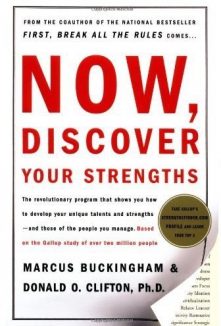
Using the data mined from a study of over two million high-achievers, this book by Marcus Buckingham sets out 34 themes geared towards maximizing your business success. Through the completion of an online test, readers will discover which of these themes relate to their strengths, allowing them to cultivate the best working environment for them.

Recommended by:
Sheryl Sandberg (Author and COO of Facebook; founder of Leanin.org)


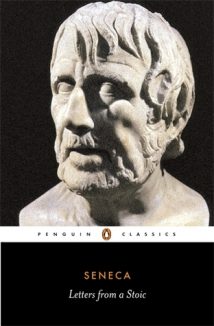
In this book, Robin Campbell translates the philosophical musings of Lucius Annaeus Seneca, the advisor to emperor Nero. Seneca was credited with humanizing Stoicism and transforming it from an otherwise foreboding belief system into a useful philosophy for life.

Recommended by:
Tim Ferriss (Author of self-help books on the ‘4-hour’ theme, entrepreneur, public speaker)


Author Tom Wolfe monitors and interviews the first Project Mercury Astronauts in an attempt to identify the mental and physical characteristics that primed them to become pioneers in their field.

Recommended by:
Peter Thiel (Co-founder of PayPal and founder of Clarium Capital)


Arranging the mind into three key processes (thinking, willing and judging), Hannah Arendt delivers an in-depth exploration of the way we process information. From scholars to business specialists, Hannah believes that an inability to think is preventing us from maximizing our potential.

Recommended by:

Phuthuma Nhleko (African businessman, executive chairman of MTN Group) The 10 Motivational Books Used By the World’s Top Achievers
Read More........

World's Most 15 Greatest Living Rocks


1. Great Sphinx of Giza (Egypt): A reclining lion with a human head that stands on the Giza Plateau on the west bank of the Nile, near modern-day Cairo, is the largest monolith statue in the world. Standing 73.5 m (241 ft) long, 6 m (20 ft) wide, and 20 m (65 ft) high, the Great Sphinx of Giza is also the oldest known monumental sculpture, and is commonly believed to have been built by ancient Egyptians in the third millennium BCE. The Great Sphinx faces due east and houses a small temple between its paws.
 2. Petra (Jordan): Famously described as "a rose-red city half as old as time" by John William Burgon, UNESCO has described Petra as one of the most precious cultural properties of man's cultural heritage. In 1985, Petrawas designated a World Heritage Site, and recently designated as one of the “new wonders” of the world. Located in Arabah, Ma'an Governorate, Jordan, lying on the slope of Mount Hor in a basin among the mountains, the large valley running from the Dead Sea to the Gulf of Aqaba is renowned for its rock-cut architecture. The Nabateans constructed it as their capital city around 100 BCE, after their decline, the site remained unknown to the Western world until 1812, when it was introduced to the West by Swiss explorer Johann Ludwig Burckhardt. The picturesque site was featured in various films such as Indiana Jones and the Last Crusade, Mortal Kombat: Annihilation and Sinbad and the Eye of the Tiger.

 3. Mount Rushmore (USA): A famous monumental granite sculpture created by Gutzon Borglum, Mount Rushmore is located within the United States Presidential Memorial that represents the first 150 years of the history of the United States of America with 60-foot (18 m) sculptures of the heads of former United States presidents (left to right): George Washington, Thomas Jefferson, Theodore Roosevelt, and Abraham Lincoln. The entire memorial covers 1,278.45 acres (5.17 km2) and is 5,725 feet (1,745 m) above sea level. The memorial attracts approximately two million people annually.

 4. Leshan Giant Buddha (China):  Built during the Tang Dynasty, the Leshan Giant Buddha is carved out of a cliff face that lies at the confluence of the Minjiang, Dadu and Qingyi rivers in the southern part of Sichuan province in China, near the city of Leshan. The sculpture, which is seventy one meters (about 230 hundred feet) tall dwarfs the tourists that flock to see it. It is positioned so that it faces Mount Emei and stands at the meeting place of three rivers. Although the Government of China has promised a restoration program, the statue has suffered from the effects of pollution, particularly over the last twenty years. Fortunately, the statue was not damaged in the Sichuan earthquake of 2008. 5. Mahabalipuram Shore Temple (India): Built on the shores of the Bay of Bengal in Mahabalipuram (India) in the early 8th century by the Pallava King Rajasimha. The shore temple
actually consists of 2 back to back shrines, one facing the east (the Bay), and the smaller one facing west. It stands on the edge of the Bay of Bengal. At high tide, the waves sweep into its compounds. The walls and their sculptures have been battered and eroded by the winds and waves for thirteen hundred years. Yet they stand intact. Mahabalipuram was a flourishing sea port in the times of Periplus and Ptolemy (140 AD). There is an old legend here that originally there were seven temples; of these, six have been swallowed by the sea and only one temple -the Shore Temple- remained. There are evidences of submerged structures under the waves and sporadic excavations are going on, but it is too early to say whether there really was a glorious city and six more temples which now lie submerged under the waves off the coast off Mahabalipuram.

6. Abu Simbel (Egypt): A set of two temples near the border of Egypt with Sudan, Abu Simbel was constructed for the pharaoh Ramesses II who reigned for 67 years during the 13th century BC (19th Dynasty). The temples were cut from the rock and shifted to higher ground in the 1960s as the waters of Lake Nasser began to rise following completion of the Aswan High Dam.The Great Temple is dedicated to Ramesses II and a statue of him is seated with three other gods within the innermost part of the rock-cut temple (the sanctuary). The temple's facade is dominated by four enormous seated statues of the Pharaoh (each over 20 metres or 67 feet high), although one has been damaged since ancient times. The Small Temple was probably completed ahead of the Great Temple and is dedicated to Ramesses' favorite wife, Nefertari. At the entrance stand six 10-metre-high (33 feet) rock-cut statues - two of Ramesses and one of Nefertari on either side of the doorway. 

7. Dazu Rock Carvings (China): The Dazu rock carvings in Chongqing, China are hewn from the cliffside, featuring more than 5,000 statues and over 100,000 Chinese characters of inscriptions or epigraphs. It is reputed as 'the county of rock carving' and it’s located at the southeast of Sichuan province. The Dazu Rock Carvings was built from 650 in the Tang Dynasty and continued to the Ming Dynasty (1368-1644) and the Qing Dynasty (1616-1911). Among the rock carvings, there are more than 5,000 statues and over 100,000 Chinese characters of inscriptions and epigraphs. 8. Church of St. George (Ethiopia): The Church of St. George is a monolithic church in Lalibela, Amhara Region, Ethiopia. It is the most well known and last built (early thirteenth century) of the eleven churches in the Lalibela area, and has been referred to as the "Eighth

Wonder of the World". The dimensions of the complex are 25 meters by 25 meters by 30 meters, and there is a small baptismal pool outside the church, which stands in an artificial trench. According to Ethiopian cultural history, Bete Giyorgis was built after King Gebre Mesqel Lalibela of the Zagwe dynasty had a vision in which he was instructed to construct the church; Saint George and God have both been referred to as the one who gave him the instructions.As of 2006, Lalibela is still a pilgrimage site for members of the Ethiopian Orthodox Tewahedo Church; the church itself is part of the UNESCO World Heritage Site "Rock-Hewn Churches, Lalibela".

9. Borobudor (Indonesia): Officially, Borobudur is a ninth-century Mahayana Buddhist monument in Magelang, Central Java, Indonesia. Actually,  it is much older than that. The monument complex comprises six square platforms topped by three circular platforms, and is decorated with 2,672 relief panels and 504 statues of Rama citizens. Each wall has a story that relates to the stories of the birth of Buddha and other Buddha figures. A main dome, located at the center of the top platform, is surrounded by 72 Rama citizens seated inside perforated stupa.

10. Cappadocia (Turkey): Cappadocia lies in the mid-western part of Turkey. Anextraordinary landscape formed millions of years ago by the combined work of lava spitting volcanoes, wind and water, there is culture too: the inhabitants of the area hew rooms, chapels, even whole villages out of the rocks. Religious Byzantine paintings can be found on the walls of the churches and monasteries.
11. Bingling Temple (China): The Bingling Temple is a series of grottoes filled with Buddhist sculpture carved into natural caves and caverns in a canyon along the Yellow River. It lies just north of where the Yellow River empties into the Liujiaxia Reservoir created by the Liujiaxia Dam at Yongjing, about 80km from Lanzhou. The caves were a work in progress for more than a millennium. The first grotto was begun around 420 CE at the end of the Western Jin Dynasty. Work continued and more grottoes were added during several dynasties. The style of each grottoe can easily be connected to the typical artwork from its corresponding dynasty. The Bingling Temple is both stylistically and geographically a midpoint between the monumental Buddhas of Bamiyan in Afghanistan and the Buddhist Grottoes of central China, Yungang Grottoes near Datong and Longmen Grottoes near Luoyang. Over the centuries, earthquakes, erosion, and looters have damaged or destroyed many of the caves and the artistic treasures within. Altogether there are
12. Hypogeum of Hal-Saflieni (Malta) 183 caves, 694 stone statues, and 82 clay sculptures that remain. Each cave is like a miniature temple filled with Buddhist imagery. The sculptures, carvings, and frescoes that remain are outstanding examples of Buddhist artwork and draw visitors from around the world. The Hypogeum in Hal-Saflieni, Paola, Malta, is a subterranean structure dating to the Saflieni phase in Maltese prehistory. Thought to be originally a sanctuary, it became a necropolis in prehistoric times. It is the only prehistoric underground temple in the world. The Hypogeum was depicted on a 2 cents 5 mils stamp issued in the Maltese Islands in 1980 to commemorate the acceptance by UNESCO of this unique structure in the World Heritage Site list. It was closed to visitors between 1992 and 1996 for restoration works; since it reopened only 80 people per day are allowed entry and there can be a 2-3 weeks wait to get a ticket. It was discovered by accident in 1902 when workers cutting cisterns for a new housing development broke through its roof. The workers tried to hide the temple at first, but eventually it was found. The study of the structure was first entrusted to Father Manuel Magri of the Society of Jesus, who directed the excavations on behalf of the Museums Committee.
13. Buddhas of Bamiyan (Afghanistan) The Buddhas of Bamiyan were two monumental statues of standing Buddhas carved into the side of a cliff in the Bamiyan valley in the Hazarajat region of central Afghanistan, situated 230 km (143 miles) northwest of Kabul at an altitude of 2500 meters (8,202 ft). Built during the sixth century, the statues represented the classic blended style of Indo-Greek art. The main bodies were hewn directly from the sandstone cliffs, but details were modeled in mud mixed with straw, coated with stucco. They were intentionally dynamited and destroyed in 2001 by the Taliban, on orders from leader Mullah Mohammed Omar, after the Taliban government declared that they were "idols" (which are forbidden under Sharia law). International opinion strongly condemned the destruction of the Buddhas, which was viewed as an example of the intolerance of the Taliban and of fundamentalist Islam. Japan and Switzerland, among others, have pledged support for the rebuilding of the statues.

14. Mada'in Saleh (Saudi Arabia): Located in northern Hejaz (modern day Saudi Arabia), Mada'in Saleh --also called Al-Hijr ("rocky place")-- is an ancient city that was inhabited by Thamudis and Nabateans and was then known as Hegra. Some of the inscriptions found in the area date back to the 2nd millennium BC. However, all the remaining architectural elements are dated to the period of the Thamudi, Lihyan and Nabatean civilizations, between the 1st millennium BC and the second century AD. Mada'in Saleh is not only Saudi Arabia's most spectacular touristic site; it is also one of the greatest historic sites in the world. The rock tombs in this early morning light are of such an extraordinary beauty, consisting of different shapes and sizes, that gives Mada'in Salih a truly charming feeling. This historic sister city, Petra the former capital of Nabataean Kingdom, is located only 150 miles away to the north across the border with Jordan.

15. Naqsh-e Rustam (Iran): Naqsh-e Rostam is a site believed by archaeologists to have been a cemetery for Persepolis, where Achaemenid, Parthian and Sassanid royalty were laid to rest. Located about 3-4 kilometers northwest of Persepolis in Iran's Fars province, the site contains funerary related works belonging to the Elamite (second millennium BCE), Achaemenid (550-330 BCE) and Sassanid (226-651 CE) eras. The only surviving monument from the pre-Achaemenid period is a relief which was almost completely obliterated when the court scene of Bahram II (276-293 CE) was carved over it. The Naqsh-e Rostam structures have been built from white and grey Limestone without the use of mortar. It is believed that Persians were the first to use colors to decorate stone carvings. A particularly striking feature of Naqsh-e Rostam stone carvings is the use of color; many of the site's inscriptions and carvings are covered with Lapis lazuli. Evidence shows that the carving of Darius had a lazuline beard and mustache, black hair and eyeliner, red eyes, lips and shoes as well as colorful robes, although the passage of time has left the colors at Naqsh-e Rostam unstable. World Amazing Information | Funny Pictures | Interesting Facts: World's Most 15 Greatest Living Rocks
Read More........

The New 7 Wonders of the World

The Pyramid at Chichén Itzá (before 800 A.D.) Yucatan Peninsula, Mexico
MEXICO: Chichén Itzá, the most famous Mayan temple city, served as the political and economic center of the Mayan civilization. Its various structures - the pyramid of Kukulkan, the Temple of Chac Mool, the Hall of the Thousand Pillars, and the Playing Field of the Prisoners – can still be seen today and are demonstrative of an extraordinary commitment to architectural space and composition. The pyramid itself was the last, and arguably the greatest, of all Mayan temples.
Christ Redeemer (1931) Rio de Janeiro, Brazil
BRAZIL: This statue of Jesus stands some 38 meters tall, atop the Corcovado mountain overlooking Rio de Janeiro. Designed by Brazilian Heitor da Silva Costa and created by French sculptor Paul Landowski, it is one of the world’s best-known monuments. The statue took five years to construct and was inaugurated on October 12, 1931. It has become a symbol of the city and of the warmth of the Brazilian people, who receive visitors with open arms.
The Roman Colosseum (70 - 82 A.D.) Rome, Italy
ITALY: This great amphitheater in the centre of Rome was built to give favors to successful legionnaires and to celebrate the glory of the Roman Empire. Its design concept still stands to this very day, and virtually every modern sports stadium some 2,000 years later still bears the irresistible imprint of the Colosseum's original design. Today, through films and history books, we are even more aware of the cruel fights and games that took place in this arena, all for the joy of the spectators.
The Taj Mahal (1630 A.D.) Agra, India
INDIA: This immense mausoleum was built on the orders of Shah Jahan, the fifth Muslim Mogul emperor, to honor the memory of his beloved late wife. Built out of white marble and standing in formally laid-out walled gardens, the Taj Mahal is regarded as the most perfect jewel of Muslim art in India. The emperor was consequently jailed and, it is said, could then only see the Taj Mahal out of his small cell window.
The Great Wall of China (220 B.C and 1368 - 1644 A.D.) China
CHINA: The Great Wall of China was built to link existing fortifications into a united defense system and better keep invading Mongol tribes out of China. It is the largest man-made monument ever to have been built and it is disputed that it is the only one visible from space. Many thousands of people must have given their lives to build this colossal construction.
Petra (9 B.C. - 40 A.D.), Jordan
JORDAN: On the edge of the Arabian Desert, Petra was the glittering capital of the Nabataean empire of King Aretas IV (9 B.C. to 40 A.D.). Masters of water technology, the Nabataeans provided their city with great tunnel constructions and water chambers. A theater, modelled on Greek-Roman prototypes, had space for an audience of 4,000. Today, the Palace Tombs of Petra, with the 42-meter-high Hellenistic temple facade on the El-Deir Monastery, are impressive examples of Middle Eastern culture.
Machu Picchu (1460-1470), Peru
PERU: In the 15th century, the Incan Emperor Pachacútec built a city in the clouds on the mountain known as Machu Picchu ("old mountain"). This extraordinary settlement lies halfway up the Andes Plateau, deep in the Amazon jungle and above the Urubamba River. It was probably abandoned by the Incas because of a smallpox outbreak and, after the Spanish defeated the Incan Empire, the city remained 'lost' for over three centuries. It was rediscovered by Hiram Bingham in 1911. Source: Article
Read More........

Beauties from 30 countries say 'wah Taj' as they visit Taj Mahal


Agra, (IANS) A sea of 110 beauties from around 30 countries on Thursday visited Agra, Uttar Pradesh to witness one of the seven wonders of the world 'Taj Mahal'.

The Tourism Police had made strict arrangements for the safety of the world's beauties. Surrounded by security, these world beauties saw the symbol of love, Taj Mahal.

They looked quite excited after witnessing the Taj Mahal. These world beauties got lost in the beauty of Taj and its amazing architecture and could not stop themselves from saying 'wah Taj'.

They also showed special interest in knowing the mosaic and history of Taj Mahal. They learned about the history of Taj Mahal and its architecture through the help of tourist guides.

The visuals show the beauties arriving from England, Bangladesh, Botswana, Vietnam, Brazil, Fiji, Uganda, South Africa, the Dominican Republic, Zimbabwe, the Philippines, Sri Lanka, and others. They were dressed in their traditional attire.

Taj Mahal is an ivory-white marble mausoleum, which is situated on the right bank of the river Yamuna in Agra. It was commissioned by Mughal Emperor, Shah Jahan to house the tomb of his wife, Mumtaz Mahal.

Meanwhile, Czech beauty Krystyna Pyszkova was crowned as the 'Miss World' on March 9, 2024. Krystyna had defeated Yasmina Zaytoun of Lebanon, Ache Abrahams of Trinidad and Tobago, and Lesego Chombo of Botswana.

'Miss India' Sini Shetty had failed to make it to the Top 4.India had hosted the coveted beauty pageant after a gap of 28 years, and it was hosted by filmmaker Karan Johar and the winner of Miss World 2013, Megan Young. Beauties from 30 countries say 'wah Taj' as they visit Taj Mahal | MorungExpress | morungexpress.com
Read More........

Beauties from 30 countries say 'wah Taj' as they visit Taj Mahal


Agra, (IANS) A sea of 110 beauties from around 30 countries on Thursday visited Agra, Uttar Pradesh to witness one of the seven wonders of the world 'Taj Mahal'.

The Tourism Police had made strict arrangements for the safety of the world's beauties. Surrounded by security, these world beauties saw the symbol of love, Taj Mahal.

They looked quite excited after witnessing the Taj Mahal. These world beauties got lost in the beauty of Taj and its amazing architecture and could not stop themselves from saying 'wah Taj'.

They also showed special interest in knowing the mosaic and history of Taj Mahal. They learned about the history of Taj Mahal and its architecture through the help of tourist guides.

The visuals show the beauties arriving from England, Bangladesh, Botswana, Vietnam, Brazil, Fiji, Uganda, South Africa, the Dominican Republic, Zimbabwe, the Philippines, Sri Lanka, and others. They were dressed in their traditional attire.

Taj Mahal is an ivory-white marble mausoleum, which is situated on the right bank of the river Yamuna in Agra. It was commissioned by Mughal Emperor, Shah Jahan to house the tomb of his wife, Mumtaz Mahal.

Meanwhile, Czech beauty Krystyna Pyszkova was crowned as the 'Miss World' on March 9, 2024. Krystyna had defeated Yasmina Zaytoun of Lebanon, Ache Abrahams of Trinidad and Tobago, and Lesego Chombo of Botswana.

'Miss India' Sini Shetty had failed to make it to the Top 4.

India had hosted the coveted beauty pageant after a gap of 28 years, and it was hosted by filmmaker Karan Johar and the winner of Miss World 2013, Megan YoungBeauties from 30 countries say 'wah Taj' as they visit Taj Mahal | MorungExpress | morungexpress.com
Read More........

International No Diet Day: A day of guilt-free indulgence

New Delhi, May 6 (IANSlife) The anticipation for a day of guilt-free indulgence has finally arrived. Wondering how to make the most of this food-lovers holiday? Look no further than the Godrej Food Trends Report 2024, your guide to an extraordinary culinary experience. With a blend of excitement, exploration, and mouth-watering delights, this year's International No Diet Day celebration promises to be a captivating journey into the heart of flavour and culinary innovation.

"International No Diet Day is an opportunity to take a break from dietary restrictions we might impose on ourselves by focusing on health and body positivity while also indulging in flavourful culinary exploration," says Rushina Munshaw Ghildiyal, Managing Director of Perfect Bite Consulting and Editor of the annual Godrej Foods Trends Report 2024. "Our Food Trends Report 2024 showcases how mindful indulgence can provide unforgettable moments for those looking to explore culinary delights. Artisanal chocolate, a bespoke cocktail, street food in Banaras or a gourmet burger, let this International No Diet Day be a celebration of culinary adventure."

The food report convened over 190 thought leaders from diverse culinary backgrounds, including celebrity chefs, bloggers, and nutritionists who shared their insights on the comprehensive trends cited in the report. This diverse set of industry experts curated a guide for you to savour this International No Diet Day.

Key ideas to celebrate International No Diet Day:

Mithai Trends: Dive into the world of mithai this International No Diet Day and experience the evolving flavours of India. With 67% of experts predicting a strong demand for special diet versions, including low-sugar and vegan options, there has never been a better time to indulge guilt-free in these delightful treats!

Indian Street Food Trends: Take your taste buds on a journey to Banaras this International No Diet Day and explore the vibrant flavours of its street food. Recommended by 80% of industry experts, this culinary adventure promises to blend tradition with innovation. From Shreeji’s Malaiyo to Vatika’s Apple Pie, there's something for every food enthusiast to savour and enjoy!

Snacks and Convenience Food Trends: Embrace a healthier snacking lifestyle this International No Diet Day by trying out non-fried alternatives. With 89% of experts recommending healthier choices, you can enjoy your favourite snacks guilt-free. Say goodbye to greasy chips and hello to baked or air-fried alternatives that are sure to satisfy your cravings!Dessert Trends: The world of desserts is brimming with innovative flavours and trends that cater to every craving. From classic favourites with a modern twist to unique international creations, there's something out there to satisfy your sweet tooth. Indulge in the subtle sweetness of sea salt caramel or explore the rich decadence of halwa-flavoured chocolates. 80.8% of experts predict that exotic international desserts will be most sought after by diners looking to add adventure to their meals.International No Diet Day: A day of guilt-free indulgence | MorungExpress | morungexpress.com
Read More........

Beauty queens get set for Miss World 2024

IANS Photos

New Delhi, February 24 (IANSlife) The reigning beauty queens shared some insights from their exceptional journey and experiences as they head towards Miss World 2024. Victoria DiSorbo representing USA in Miss World 2024 shared her experience and purpose of beauty, while Sini Shetty representing India spoke her heart out, and Clémence Botino shared her fashionable beliefs withIANSlife.

Could you walk us through your prep routine: diet, fitness, personality training?

Victoria DiSorbo: Ofcourse, my preparatory honestly has a lot of self- discovery making sure you are feeling good, working out but feeling great and there is no dieting and maintaining healthy habits.

What is beauty according to you and how do you drive purpose in beauty?

Victoria DiSorbo: What is beauty if you don’t have a purpose, I think and one of my favourite stories ever told me that as women as pageant crowns we come with this very heavy stories and it’s very hard thing talking about and it’s almost like taking medicines and trying to give it somebody but our beauty and what we bring to table kind of sprinkle some sugar on the medicine so it’s make it a little easier to bring down to swallow. So we are able to get this incredible stories, conviction and purpose projects because of our beauty and how much we care what we are talking about and love for our porjects.

The beauty queens you look up to?

Victoria DiSorbo: There are so many, I love Vanessa Lynn Williams, you know in the Miss World organization, the women who have been crowned Miss World are exceptional women because of their works, dedication and consistency. So, it’s a complete honour to represent my home country and my home at the Miss World pageant and be surrounded by these women.

Could you walk us through your prep routine: diet, fitness, personality training?

Sini Shetty: It’s being a journey because at the end of the day you are not representing yourself but you are representing an entire country, prep has been great we have been working on our communication skills, walking, talking, the way we present ourselves making sure that India values the tradition are represented at the best way because it’s not just representation at Miss World stage but Miss World has come to India. So, we need to give the best of India to the world. Preparations has been at its best when it comes to food and dietry, I feel excercising and understanding what your mental health as well as physical health is important, the balance between the both of it and having good soul food so you don’t deprive yourself of food but you need to understand that your body need to be happy to function and survive, so it’s been the prep and it’s been an amazing 2 years journey and finally I am here.

What you want your fellow contestants to explore during their India experience?

Sini Shetty: I think it will take them good 10 years to do that if they want to explore the whole of India but for the time being they are here, I would love them to taste some Indian delicacies and they have already done that a few. They had the share of biryani, panipuri and much more and they really liked it and they have visited a lot of places in Delhi as well and I cannot wait for them to come to Mumbai, Mumbai is my city and that place holds a special place in my heart.

Lastly, your message for all the young girls aspiring to win a beauty pageant?

Sini Shetty: Do not look down on yourself, I know ambition is sometimes associated negatively just remember if you had head straight up in the game and you have ambition that touches your heart and soul. Believe in yourself and the world will wait for the wonders you do.

Could you walk us through your prep routine: diet, fitness, personality training?

Clémence Botino: I did a lot of sports and I have coach usually this routine is 3 times a week but for Miss World this was for 4-5times a week and I don’t have a diet to be honest I drink a lot of water and you know I am not like eating food out of the main meal like breakfast, lunch and dinner and I don’t eat slightly in between, I love food so it’s impossible for me to be on diet and I like great food that’s why I like Indian food.

What's your idea of sustainable fashion?

Clémence Botino: We all have to learn that when you buy something like a piece of fashion something that you buy for you but for a lifetime. For example, everytime I buy something I imagine long time back my daughter could wear it and I am really wearing my mom’s clothes and I brought a lot of my mom’s clothes in India for the contest and I think we have to just value in everything as we are in the society where we see more of quantity than quality and sustainable fashion goes with quality so we have to make more aware of the material and fabric the people are working on and this is so important. I don’t buy fast fashion like stuffs anymore and I prefer to buy a beautiful piece that will go on to a legacy.

What you like about Indian fashion and if you are looking forward to work with any Indian designers?Clémence Botino: I love Indian fashion and you know that right now it’s really trendy in France. For example, in Paris Fashion week you have a lot of Indian designers, I really like Rahul Mishra and he has also received some diction for his work and if this is Indian fashion I just want to wear like beautiful fabrics in Saree because I do have a saree in my wardrobe. So hopefully, I will come for Indian Fashion week as I hope so.Beauty queens get set for Miss World 2024 | MorungExpress | morungexpress.com

Read More........

Delve Into The Realm Of Luxury Travel As We Unveil These Five Exclusive Destinations

Step into a world filled with captivating exploration and transformative experiences as we unveil a carefully curated selection of five extraordinary destinations for your next holiday. From awe-inspiring natural wonders to enchanting historical treasures and vibrant cultural hubs, this article serves as a gateway to a tapestry of destinations that are bound to captivate your imagination and create an unforgettable impression. Whether you yearn for the tranquility of pristine beaches, the grandeur of towering mountains, or the allure of bustling cities, we invite you to embark on a virtual voyage with us.

The Amalfi Coast, Italy: The Amalfi Coast in Italy is an exquisite coastline renowned for its vibrant villages, crystalline waters, and exceptional culinary delights. Indulge in the luxury of esteemed accommodations like the Belmond Hotel Caruso or the Monastero Santa Rosa, where you can savour a boat-to-table Seafood Risotto or a traditional Pizza Napolitana while toasting with flutes of local prosecco on a charming café terrace. For a truly remarkable experience, consider visiting Franco’s Bar in Positano. Situated in the heart of this quaint town, Franco’s Bar exudes an atmosphere of sophistication and elegance, offering panoramic vistas of the coast. Unwind on their terrace, relish the refreshing sea breeze, and raise a glass, proclaiming ‘cin-cin!’ or ‘salute!’ to the mesmerising charm of the Amalfi Coast.

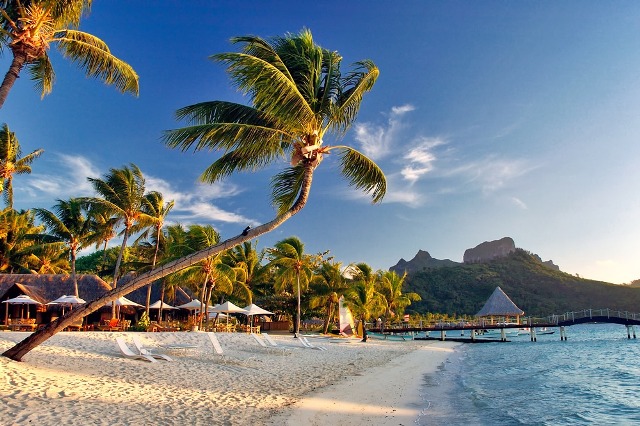
A Spa Retreat, Seychelles: Escape to a blissful spa retreat in the Seychelles, an idyllic island paradise embraced by the serene waters of the Indian Ocean. Coveted by honeymooners and luxury travellers alike, this destination enchants with its breath-taking beaches, shimmering turquoise waters, and exclusive havens such as the North Island Lodge. Exuding exclusivity, privacy, and unparalleled beauty, this ultra-luxurious resort occupies its own private island, ensuring an atmosphere of seclusion and tranquility. Immerse yourself in the resort’s aptly named sanctuary, “The Spa,” where a medley of treatments inspired by local traditions and natural ingredients await. Luxuriate in rejuvenating massages, revitalizing facials, and holistic therapies, all embraced by lush tropical gardens and serenaded by the rhythmic melody of ocean waves caressing the shore.

The Constantia Wine Route, South Africa: Discover the storied and esteemed Constantia Wine Route in Cape Town, South Africa, a charming region steeped in history and winemaking tradition. Resting at the foothills of the majestic Constantiaberg Mountains, this picturesque wine route proudly holds the prestige title of being the oldest wine-producing area in the country. Meandering through towering trees and colourful blossoms, you’ll encounter a collection of boutique wine estates and hotels, including the 5-star Steenberg Hotel & Spa which offers a harmonious blend of luxury, natural beauty, and unparalleled experiences.

Immerse yourself in a world of luxury as you step into the realm of world-class accommodations, where elegant rooms and suites eagerly await your arrival. Guests can embrace a sense of solace and renewal at the luxurious spa, nestled amidst an oasis of natural elements. Wine enthusiasts will be captivated by the opportunity to explore acclaimed vineyards, indulge in refined wine tastings, and delve into the fascinating world of winemaking.

Steenberg offers two exceptional dining destinations. Bistro Sixteen82 welcomes guests with its inviting ambiance, offering the finest contemporary bistro-style cuisine. Indulge in a tantalizing selection of dishes crafted with locally sourced ingredients, perfectly paired with Steenberg’s exceptional wines. At Tryn, talented chefs curate an exquisite culinary journey, creating a symphony of flavours that will captivate your palate. Enjoy panoramic views of lush vineyards and breath-taking mountain vistas while savouring this culinary experience.

Whether you enjoy golfing on the championship course or strolling through the gardens adorned with intriguing works of art by renowned sculptor Edoardo Villa, there’s something for everyone.

Machu Picchu, Peru: Embark on a captivating journey to Machu Picchu, Peru – an ancient Incan city that enthrals both history enthusiasts and curious adventurers. Recognised as a UNESCO World Heritage Site, Machu Picchu draws visitors from all corners of the world who are eager to witness its profound historical importance and iconic architecture. Enhance your experience by indulging in the comfort of luxurious accommodations such as the Inkaterra Machu Picchu Pueblo Hotel or the Belmond Sanctuary Lodge. Embark on the wonder of this extraordinary place by traversing the legendary Inca Trail, or experience

the thrilling helicopter tour that unveils the beauty of the mountains and valleys that surround the site.

The Palace of Versailles, France: Among France’s multitude of remarkable cultural destinations, the Palace of Versailles stands out as a profound experience that seamlessly combines history, architecture, art, and natural beauty. Located approximately 20 kilometres southwest of Paris, this opulent palace reigns as one of the world’s most renowned treasures. Serving as the primary residence for French monarchs, including Louis XIV, Louis XV,

and Louis XVI, during the 17th and 18th centuries, it exudes historical significance and grandeur. Beyond its architectural splendour and expansive gardens, the site carries rich cultural legacy, encompassing a wealth of art and creativity. Within the palace’s walls, you will encounter an exceptional collection of paintings, sculptures, furniture, and decorative arts from the 17th and 18th centuries, showcasing the brilliance of esteemed artists such as Charles Le Brun and Jean-Baptiste Lully.Whether you yearn for extraordinary journeys through ancient cities in Peru, crave indulgence in Italy’s vibrant culinary scene, or seek immersion in the captivating vineyards of the Constantia Wine Route, these destinations offer a unifying experience that is simply unparalleled. It’s time to book your flights, pack your bags, and prepare for the ultimate luxury getaway! Luxury Travel
Read More........

Over 4bn people could be overweight by 2050


More than four billion people could be overweight by 2050, with 1.5 billion of them obese, if the current global dietary trend towards processed foods continues, a first-of-its-kind study predicted on Wednesday. 

Warning of a health and environmental crisis of “mind-blowing magnitude”, experts from the Potsdam Institute for Climate Impact Research (PIK) said that global food demand would leap 50 percent by mid-century, pushing past Earth’s capacity to sustain nature.

Food production already hoovers up three-quarters of the world’s fresh water and one-third of its land - and accounts for up to a third of greenhouse gas emissions.

Providing a long-term overview of changing global eating habits between 1965 and 2100, the researchers used an open-source model to forecast how food demand would respond to a variety of factors such as population growth, ageing, growing body masses, declining physical activity and increased food waste.

They found that “business as usual” - a continuation of current trends - will likely see more than four billion people, or 45 percent of the world’s population, overweight by 2050.

The model predicted that 16 percent would be obese, compared with nine percent currently among the 29 percent of the population who are overweight.

“The increasing waste of food and the rising consumption of animal protein mean that the environmental impact of our agricultural system will spiral out of control,” said Benjamin Bodirsky, lead author of the study published in Nature Scientific Reports.

“Whether greenhouse gasses, nitrogen pollution or deforestation: we are pushing the limits of our planet - and exceeding them.”

While trends vary between regions, the authors said that global eating habits were moving away from plant- and starch-based diets to more “affluent diets high in sugar, fat, and animal-source foods, featuring highly-processed food products”.

At the same time, the study found that as a result of increasing inequality along with food waste and loss - food that is produced but not consumed due to lack of storage or overbuying - around half a billion people will still be undernourished by mid-century.

“There is enough food in the world - the problem is that the poorest people on our planet have simply not the income to purchase it,” said co-author Prajal Pradhan.

“And in rich countries, people don’t feel the economic and environmental consequences of wasting food.”The UN’s Intergovernmental Panel on Climate Change warned in a special report last year that humanity will face increasingly painful trade-offs between food security and rising temperatures within decades unless emissions are curbed and unsustainable farming and deforestation are halted. Source: https://www.daily-bangladesh.com
Read More........

Happiness in the Modern World


By Shayne Heffernan: Happiness is a subject taken very seriously in the modern world. On the global level, a movement to consider, evaluate and measure happiness and well-being among individuals and societies has gained increasing momentum in recent years.

In 2011, the General Assembly of the United Nations unanimously adopted a resolution (A/RES/65/309) that calls for viewing happiness as a holistic approach to development, and for considering additional measures that better capture the importance of the pursuit of happiness and wellbeing in development with a view to guiding public policies.

In the same year, the Organisation for Economic Co-operation and Development (OECD) introduced its own ‘Better Life’ Index, an attempt to bring together internationally comparable measures of well-being. The study had 11 dimensions, including ‘life satisfaction’ or level of happiness, and factored in work-life balance.

In 2017, OECD Secretary General Angel Gurria highlighted further efforts to ‘redefine the narrative’ and put the well-being of people at the centre of OECD’s efforts as he outlined his strategic orientations for the year and beyond.

He said, “Our goal is to improve people’s well-being through evidence underpinning better policies. This means developing further our productivity and competitiveness agenda, while putting people’s lives at the centre of it by going more social in our work. The “better lives” in our inspiring motto should guide all of our work. Better lives also refer to the non-material dimensions of well-being: happiness, shared aspirations towards a common future and a sense of identity and belonging – factors that lie at the core of the current dissatisfaction with globalisation and the system that underpins it. This implies relying on new economic thinking and innovative approaches.”

He added: “Our goal is to continue delivering better lives for our citizens, and to do so we need a new narrative and model for sustainable progress and prosperity that puts inclusiveness and well-being at the centre of our work. We need a comprehensive roadmap to make this a reality.”

This belief system is finding resonance with an increasing number of nations prioritizing the happiness and well-being of their people in their strategic growth mandates. In the UK, independent organization ‘What Works Centre for Wellbeing’ was set up at the request of former Prime Minister David Cameron in 2015, with the London think tank collating data to produce information and guidance that government, business and community can use to help improve well-being across the country.

The UAE is well ahead of the curve in this realm.

In February 2016, the Vice President, Prime Minister and Ruler of Dubai, His Highness Sheikh Mohammed bin Rashid Al Maktoum, appointed Ohood bint Khalfan Al Roumi, as the first ever Minister of State for Happiness and Wellbeing. Her main responsibility is to harmonise all government policies, plans and programmes to achieve happiness and positivity in the UAE.

Al Roumi is also Vice-President of the World Government Summit Organisation that holds the World Government Summit annually and brings together governments leaders, policy makers, and private sector to shape the future of governments.

The World Government Summit has accorded happiness and wellbeing top priority. The 2017 agenda kicked off with the Global Dialogue for Happiness, a day-long event that brought together over 300 experts and thought leaders including Helen Clark, the then Administrator of the United Nations Development Programme, and Tshering Tobgay, Prime Minister of Bhutan, to share knowledge on the meaning and importance of happiness. The dialogue also focused on raising awareness on the important role governments and policy makers play in creating happiness in societies.

Just a month later, His Highness Sheikh Mohammed bin Rashid announced the formation of the Global Happiness Council. The council, set to convene twice a year during the Global Dialogue for Happiness and in New York during meetings of the UN General Assembly, has been tasked with compiling an annual Global Happiness Policy Report. This report will highlight international practices and achievements focusing on happiness and happiness research, and act as a guide for governments seeking happiness in their societies.

The Minister of State for Happiness and Wellbeing explained the reason behind the global and international movement at WGS 2017. She said: “This is serious business for government. Governments should improve the living conditions of their people. If children are well-educated, if there are good hospitals; people have jobs and they feel safe and secure; and government services make people feel hopeful – these are the enabling conditions and environment that will make people live a happy life”.

“Successful governments have a responsibility to achieve happiness and wellbeing for their people through the inclusion of happiness and wellbeing in the heart of their policies, and the implementation of action plans. Governments need to develop tools for achieving happiness based on the need of their societies and culture.” Al Roumi concluded.

The upcoming edition of the World Government Summit once again kicks off with the Global Dialogue for Happiness on February 10, a day-long event where 500 scientists, experts and government officials from around the world are expected to discuss happiness and wellbeing and their relation to government policies. This year’s Global Dialogue for Happiness will feature 30 international speakers, 27 sessions and six themes: global lessons and experiences, policies, technology and big data, human values, the latest findings on the science of happiness and inspirational stories. It will also witness the launch of the Global Happiness Policy Report. Source: Live Trading News
Read More........

Life expectancy worldwide has increased by 5 years: WHO

Thinkstock photo
Geneva, May 19The global life expectancy has increased dramatically by five years in the last 15 years, the fastest gain since the 1960s, according to a new WHO report published on Thursday. Dramatic gains in life expectancy have been made globally since 2000, but major inequalities persist within and among countries, the World Health Organisation report said. Life expectancy increased by five years between 2000 and 2015, the fastest increase since the 1960s, it said. Those gains reverse declines during the 1990s, when life expectancy fell in Africa because of the AIDS epidemic and in Eastern Europe following the collapse of the Soviet Union. The increase was greatest in the African Region of WHO where life expectancy increased by 9.4 years to 60 years, driven mainly by improvements in child survival, progress in malaria control and expanded access to antiretrovirals for treatment of HIV. "The world has made great strides in reducing the needless suffering and premature deaths that arise from preventable and treatable diseases," said Dr Margaret Chan, Director-General of WHO. "But the gains have been uneven. Supporting countries to move towards universal health coverage based on strong primary care is the best thing we can do to make sure no-one is left behind," said Chan. Global life expectancy for children born in 2015 was 71.4 years (73.8 years for females and 69.1 years for males), but an individual child's outlook depends on where they are born, the report said. The report shows that newborns in 29 countries - all of them high-income - have an average life expectancy of 80 years or more, while newborns in 22 others - all of them in sub-Saharan Africa - have life expectancy of less than 60 years. With an average lifespan of 86.8 years, women in Japan can expect to live the longest. Switzerland enjoys the longest average survival for men, at 81.3 years. People in Sierra Leone have the world's lowest life-expectancy for both sexes: 50.8 years for women and 49.3 years for men. Healthy life expectancy, a measure of the number of years of good health that a newborn in 2015 can expect, stands at 63.1 years globally (64.6 years for females and 61.5 years for males). — PTI. Source: http://www.tribuneindia.com
Read More........

Double laureate Marie Skłodowska-Curie & the hunt for elements

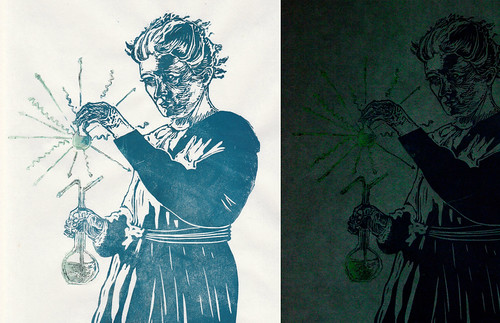
Marie Curie, details of linocut with glow-in-the-dark ink, by Ele Willoughby, 2014
The most well-known woman in the history of physics - or perhaps science - was born almost a century and a half ago today. The famous Polish-born, naturalized-French physicist and chemist Marie SkÅ‚odowska-Curie (7 November 1867 – 4 July 1934) was the first woman to win a Nobel prize, the only woman to ever win TWO Nobel prizes, and the only person ever to win in two different sciences: physics and chemistry! Source: http://magpieandwhiskeyjack.blogspot.in/
Read More........