Oats: The Best Healthy Snacks!

Oats: The Best Healthy Snacks!

Oats are edible seeds of the Avena sativa plant. These are one of the healthiest snacks consumed as oatmeal or rolled oats. Oatmeal is the perfect meal to start your day because it boosts your energy and has plenty of fiber to keep you full and satisfied. Oats are high in phytonutrients, beta-glucans, selenium, proteins, manganese, iron, thiamin and magnesium. By itself, oatmeal is low in fat and fairly low in calories.

Oatmeal is also full of water-soluble fibers, which play a crucial role in making you feel full over a longer period of time. Studies have also shown that oatmeal reduces cholesterol, maintains blood sugar levels and fights against heart disease, diabetes, colon cancer and obesity.


All types of oatmeal are healthful and low-fat, but steel-cut oats are less processed than rolled oats and are believed to retain more nutrients. Packets of instant oatmeal often contain more sugar than oats you cook yourself. Regardless of the type of oatmeal you choose to eat, be careful of what you add to your bowl.

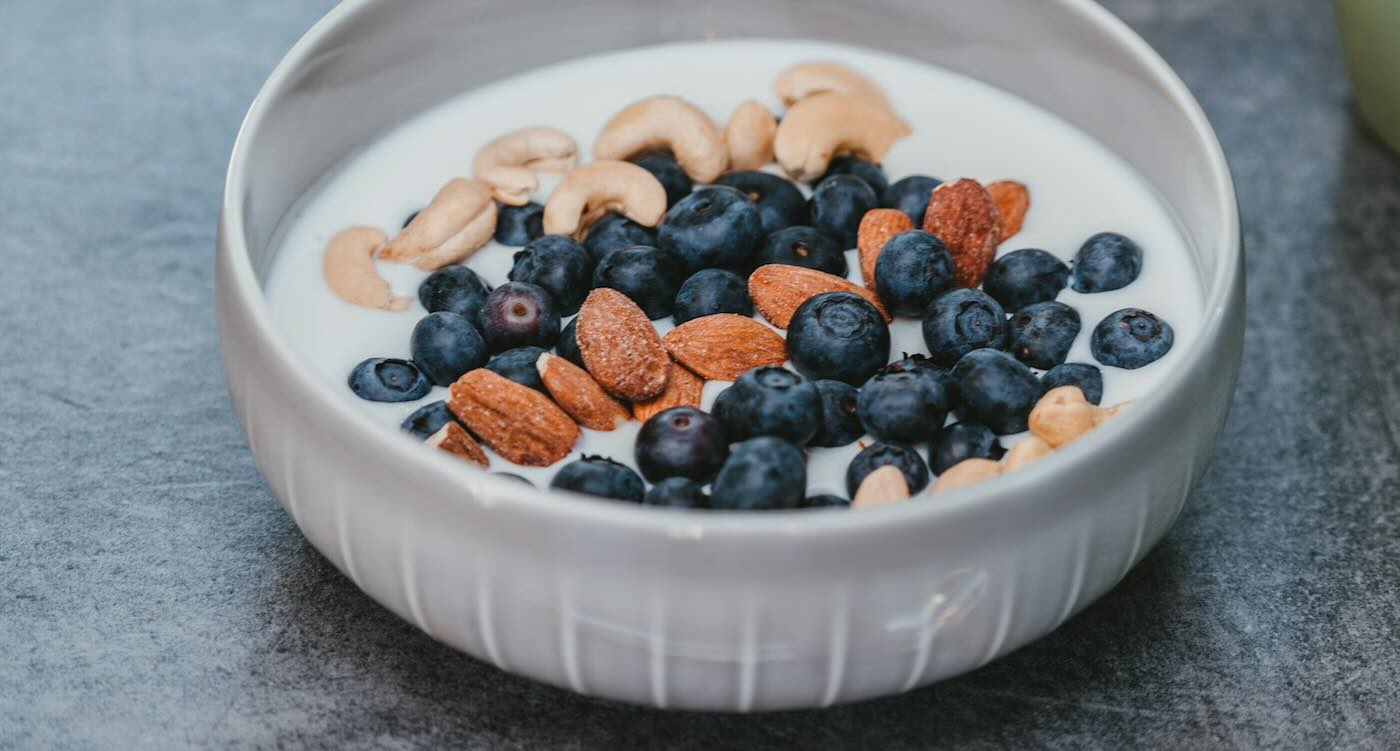
Choose skim milk to keep the calories low. Instead of sweetening your oatmeal with sugar, try berries or dried fruit, which also offer additional fiber and nutrients. For all the good reasons, this snack would certainly help keep a check on your weight too!Stay Happy, Stay Healthy! The Kitchen Clinic: Oats: The Best Healthy Snacks!
Read More........

Diets Rich in Tea, Coffee, Berries and Nuts Linked to Better Long-term Heart Health in New Study

Credit: Julian Hochgesang

People who regularly consume polyphenol-rich foods and drinks, such as tea, coffee, berries, cocoa, nuts, whole grains, and olive oil, may have better long-term heart health, according to a new study.

The research, led by King’s College London, found that those with higher adherence to polyphenol-rich dietary patterns had lower predicted cardiovascular disease (CVD) risk.

Polyphenols, natural compounds found in plants, are linked to a variety of health benefits, including improved heart, brain, and gut health.

Researchers followed 3,100 adults from the TwinsUK cohort for over a decade and, for the first time, the researchers also analyzed a large number of metabolites in the urine that are produced when the body breaks down polyphenols.

They found that diets rich in specific groups of polyphenols were linked to healthier blood pressure and cholesterol profiles, contributing to lower CVD risk scores.

These biomarkers confirmed that higher levels of polyphenol metabolites—especially those derived from specific groups of polyphenols, flavonoids, and phenolic acids—had lower cardiovascular risk scores. They also had increased HDL cholesterol, also know as ‘good cholesterol’.

The study, published recently in BMC Medicine, used a newly developed polyphenol dietary score (PPS) to capture intake of 20 key polyphenol-rich foods commonly consumed, ranging from tea and coffee to berries, olive oil, nuts, and whole grains.

This score showed stronger associations with cardiovascular health than estimates of total polyphenol intake, likely because it captures overall dietary patterns rather than individual compounds.

This finding suggests that considering the whole diet provides a more accurate picture of how polyphenol-rich foods work together to support long-term heart health.

“Our findings show that long-term adherence to polyphenol-rich diets can substantially slow the rise in cardiovascular risk as people age,” said Professor Ana Rodriguez-Mateos, Professor of Human Nutrition at King’s College London.

“Even small, sustained shifts towards foods like berries, tea, coffee, nuts, and whole grains may help protect the heart over time.”

Dr. Yong Li, first author of the study, said the research provides “strong evidence that regularly including polyphenol-rich foods in your diet is a simple and effective way to support heart health.”

Additionally, while cardiovascular risk naturally increases with age, higher polyphenol intake was associated with a slower progression of risk over the 11-year follow-up period. Diets Rich in Tea, Coffee, Berries and Nuts Linked to Better Long-term Heart Health in New Study
Read More........

How to host a meal if one of your guests has an eating disorder or is anxious around food

Kathleen de Boer, Swinburne University of Technology; Courtney P. McLean, Monash University, and Inge Gnatt, Swinburne University of Technology

As the festive season approaches, perhaps you’re thinking of hosting friends and family.

You know at least one person who’ll attend who becomes anxious around food and another with an eating disorder.

So, how to host and make sure everyone feels comfortable and supported?

Perhaps you’ve already hosted someone with food anxiety or an eating disorder without even knowing.

First, some definitions

Food anxiety refers to fear or anxiety in response to eating food. This could relate to certain textures and smells, or fear of choking or vomiting. These fears and anxieties can be intense and are associated with mental health conditions, including avoidant/restrictive food intake disorder.

For others, anxiety about food might be based on fear of the impact food could have on their body shape and size. This kind of food anxiety is closely associated with diagnosable eating disorders such as anorexia nervosa and bulimia nervosa.

Eating disorders are among the most rapidly increasing mental health diagnoses in the world, and can be present at any shape or size. These disorders involve negative thoughts about one’s weight, shape and eating. Behaviours people can experience include skipping meals, or feeling like they can’t stop eating.

Eating disorders can have significant impacts on someone’s life, including withdrawing from social circles and hobbies. They’re associated with high mortality rates.

Just because someone experiences some food anxiety, it does not mean they have a mental health diagnosis. It’s also important to consider how this anxiety impacts their life and the level of distress it causes them.

Hiding is common

It’s likely you’ve shared a meal with someone who has an eating disorder, who might be in recovery, or has anxiety around food. A lot of the time, you may not be able to tell, and they might try to hide it because of shame or guilt.

Your nephew at last week’s family barbecue might have binge eating disorder. The cousin who you caught up with for dinner might have a fear of choking and only eats soft foods.

You might not have noticed as people tend to be skilled at hiding their food anxiety. Some common strategies include avoiding shared mealtimes, only choosing certain foods, or saying they have already eaten and aren’t hungry.

So, if you’ll likely share a meal with someone with food anxiety or an eating disorder in the future, how can you host compassionately?

Is it worth adjusting the menu?

Unless someone has made specific requests, it is OK to roll on as usual. It can be helpful to invite guests to bring anything that meets their specific needs. Having variety and allowing people to serve themselves may also reduce food anxiety.

The goal of this meal is not to solve someone’s food anxiety, but to create a safe eating environment for all.

What not to say

At mealtimes, it might be common to comment on the amount or type of food someone is eating, or the way they eat it.

This “food talk” might be comments such as, “why are you only eating potatoes?” These comments can draw unwanted attention to someone’s food choices, increasing food anxiety.

Then there are comments on people’s bodies, shapes and sizes. Or sometimes people comment on the need to diet or skip meals after eating.

For example, people might say “that was so much food, you won’t need dinner tonight”.

While some of these comments may not be intended to hurt, these attitudes often perpetuate harmful messages about what we should and should not eat, how much we should eat, and even how we should look.

These comments can even contribute to body dissatisfaction, a key risk factor in developing eating disorders. Negative food and body talk can also contribute to increased anxiety.

Even commenting on your own eating and body can be a problem. For instance saying, “I need to skip dinner to make up for eating all this” might hurt the people you’re sharing a meal with, particularly if they have an eating disorder. This is because it reinforces and normalises food restriction.

A good rule of thumb is to avoid commenting on people’s food and bodies. And that goes for complimenting someone’s body.

What to say instead

As a guest or a host, you can contribute to developing a safe culture around food for everyone. This includes replying to unsolicited food or body comments, whether aimed at you or someone else.

Sometimes replying can be tricky for the person with a food anxiety or eating disorder, so you can also speak up even when the comment isn’t directed at you.

You can say:

  • Would it be OK if we didn’t chat about my/their food/weight/body at the moment?
  • I’m working hard to focus less on my body at the moment. Let’s talk about something else.
  • I find it uncomfortable when you mention my/my friend’s weight/body/eating.
  • I hear what you’re saying, but let’s steer clear from discussing my/their appearance/weight/eating.

Some of these suggestions might sound awkward, so offer them gently and personalise however you need.

Why this is important

Ultimately, setting boundaries with family and friends helps create more balance and compassion in how we talk about food and bodies. This can challenge some of the outdated and harmful messages that have become normalised.

Sharing mealtimes are important opportunities to connect with loved ones. Let’s make these experiences safe and inclusive.


If this article raised any concerns for you or someone you know, contact the Butterfly Foundation on 1800 33 4673.The Conversation

Kathleen de Boer, Clinical Psychologist, Lecturer in Clinical Psychology, Swinburne University of Technology; Courtney P. McLean, Research Fellow, School of Psychological Sciences, Monash University, and Inge Gnatt, Psychologist, Lecturer in Psychology, Swinburne University of Technology

This article is republished from The Conversation under a Creative Commons license. Read the original article.


Read More........

Never Too Late to Start Eating the MIND Diet That May Prevent Dementia: New Study of 90,000 People

Monika Grabkowska for Unsplash+

It’s never too late to start eating better to prevent dementia, according a new analysis of research involving 90,000 adults.

People over the age of 45 who followed a dietary pattern known as the MIND diet were “significantly” less likely to develop Alzheimer’s disease or related forms of dementia, said the University of Hawaii scientists.

The MIND diet stands for Mediterranean Intervention for Neurodegenerative Delay, and was developed by the late Martha Clare Morris, ScD, a Rush University nutritional epidemiologist. It combines the traditional Mediterranean diet with the blood pressure-lowering DASH diet (Dietary Approaches to Stop Hypertension).

It includes proven ‘brain-healthy’ foods such as leafy green vegetables, berries, nuts, fish, and olive oil.

The study found that the MIND diet had a stronger and more consistent risk reduction relationship with dementia than other ‘healthy’ diets for the majority of racial groups in the study.

Participants who improved their adherence to the diet the most over time showed the greatest pattern of risk reduction.

Overall, participants who scored higher for MIND adherence at the start of the study had a 9% lower risk of dementia, with an even greater reduction, of around 13%, among those who identified as African American, Latino or White.

The beneficial relationship was seen similarly among younger and older groups, which suggests that there are benefits to adopting the diet at any age.

“Our study findings confirm that healthy dietary patterns in mid to late life, and their improvement over time. may prevent Alzheimer’s and related dementias,” said Dr. Song-Yi Park, Associate Professor at the University of Hawaii at Manoa.

“This suggests that it is never too late to adopt a healthy diet to prevent dementia.”

Dr. Park and her colleagues analyzed data from more than 90,000 American adults who provided information about their diet, starting in the 1990s.

The participants were between 45- and 75-years-old at the outset, and more than 21,000 developed Alzheimer’s or related dementias in the years that followed.

The results also showed that people who improved their adherence to MIND over 10 years—including those who didn’t follow the diet closely at first—had a 25% lower risk of dementia compared to those whose adherence declined.

Dr. Park said that trend was consistent across different ages and racial groups.

However, the protective relationship between a healthy diet and dementia was not as apparent among Asian Americans and even less so for Native Hawaiians.

“A tailored approach may be needed when evaluating different subpopulations’ diet quality,” said Park, who added that further studies could help clarify those patterns.Dr. Park presented the findings at the annual meeting of the American Society for Nutrition in Orlando, Florida, on June 2. Never Too Late to Start Eating the MIND Diet That May Prevent Dementia: New Study of 90,000 People
Read More........

Is it healthier to only eat until you’re 80% full? The Japanese philosophy of hara hachi bu

Aisling Pigott, Cardiff Metropolitan University

Some of the world’s healthiest and longest-living people follow the practice of hara hachi bu — an eating philosophy rooted in moderation. This practice comes from a Japanese Confucian teaching which instructs people to only eat until they’re around 80% full.

More recently, it’s been gaining attention as a strategy for weight loss. But while hara hachi bu might emphasise eating in moderation and stopping before you’re full, it shouldn’t really be as seen as a method of dietary restriction. Rather, it represents a way of eating that can help us learn to have awareness and gratitude while slowing down at mealtimes.

Research on hara hachi bu is limited. Previous studies have evaluated the overall dietary patterns of those living in regions where this eating philosophy is more commonplace, not the “80% rule” in isolation.

However, the available evidence does suggest hara hachi bu can reduce total daily calorie intake. It’s also associated with lower long-term weight gain and lower average body mass index (BMI). The practice also aligns with healthier meal-pattern choices in men, with participants choosing to eat more vegetables at mealtimes and fewer grains when following hara hachi bu.

Hara hachi bu also shares many similar principles with the concepts of mindful eating or intuitive eating. These non-diet, awareness-based approaches encourage a stronger connection with internal hunger and satiety cues. Research shows both approaches can also help reduce emotional eating and enhance overall diet quality.

Hara hachi bu may also have many advantages that go beyond losing weight.

For instance, hara hachi bu‘s focus on awareness and eating intuitively may offer a gentle and sustainable way of supporting long-term health changes. Sustainable health changes are far easier to maintain in the long-term. This may improve health and prevent weight regain, which can be a risk for those who lose weight through traditional diet approaches.

The ethos of hara hachi bu also makes perfect sense in the context of modern life and may help us develop a better relationship with the food we eat.

Evidence suggests that around 70% of adults and children use digital devices while eating. This behaviour has been linked to higher calorie intake, lower fruit and vegetable intake and a greater incidence of disordered eating behaviours including restriction, binge eating and overeating.

As a dietitian, I see it all the time. We put food on a pedestal, obsess over it, talk about it, post about it – but so often, we don’t actually enjoy it. We’ve lost that sense of connection and appreciation.

Being more aware of the food we eat and taking time to taste, enjoy and truly experience it as hara hachi bu emphasises, can allow us to reconnect with our bodies, support digestion and make more nourishing food choices.

Trying hara hachi bu

For those who might want to give hara hachi bu or taking a more mindful and intuitive approach to improve their relationship with food, here are a few tips to try:

1. Check in with your body before eating

Ask yourself: Am I truly hungry? And if so, what kind of hunger is it — physical, emotional, or just habitual? If you’re physically hungry, denying yourself may only lead to stronger cravings or overeating later. But if you’re feeling bored, tired, or stressed, take a moment to pause. Giving yourself space to reflect can help prevent food from becoming a default coping mechanism.

2. Eat without distractions

Step away from screens and give your meal your full attention. Screens often serve as a distraction from our fullness cues, which can contribute to overeating.

3. Slow down and savour each bite

Eating should be a sensory and satisfying experience. Slowing down allows us to know when we’re satiated and should stop eating.

4. Aim to feel comfortably full, not stuffed

If we think of being hungry as a one and being so full you need to lie down as a ten, then eating until you’re around “80% full” means you should feel comfortably satisfied rather than stuffed. Eating slowly and being attuned to your body’s signals will help you achieve this.

5. Share meals when you can

Connection and conversation are part of what makes food meaningful. Connection at meal times is uniquely human and a key to longevity.

6. Aim for nourishment

Ensure your meals are rich in vitamins, minerals, fibre and energy.

7. Practice self-compassion

There’s no need to eat “perfectly”. The point of hara hachi bu is about being aware of your body – not about feeling guilty over what you’re eating.

Importantly, hara hachi bu is not meant to be a restrictive eating approach. It promotes moderation and eating in tune with your body – not “eating less”.

When viewed as a means of losing weight, it risks triggering a harmful cycle of restriction, dysregulation and overeating – the very opposite of the balanced, intuitive ethos it’s meant to embody. Focusing solely on eating less also distracts from more important aspects of nutrition – such as dietary quality and eating essential nutrients.

This practice also may not suit everyone. Athletes, children, older adults and those living with illness often have higher or more specific nutritional needs so this eating pattern may not be suitable for these groups.

While often reduced to a simple “80% full” guideline, hara hachi bu reflects a much broader principle of mindful moderation. At its core, it’s about tuning into the body, honouring hunger without overindulgence and appreciating food as fuel — a timeless habit worth adopting.The Conversation

Aisling Pigott, Lecturer, Dietetics, Cardiff Metropolitan University

This article is republished from The Conversation under a Creative Commons license. Read the original article.

Read More........

Junk food, low physical activity and low intake of fruits & vegetables leading risk factors for diabetes in India: ASSOCHAM


Choose a healthy track to manage diabetes.(photo: IANSLIFE)

New Delhi, (IANS) The Associated Chambers of Commerce and Industry of India (ASSOCHAM), the apex trade association of the country, as part of its 'Illness to Wellness' campaign and in the light of the forthcoming 'World Diabetes Day' on Saturday unveiled a report on the findings of a National Level Survey conducted on the state of Diabetes in India.

The release was followed by a webinar on "Diabetes Free India" organized with the objective of cascading awareness and disseminating wisdom on diabetes management and its prevention, which was attended by a panel of eminent experts and doctors from across the country.

The survey report entitled "Diabetes in India" was produced by ASSOCHAM and the Delhi-based think tank, Thought Arbitrage Research Institute (TARI). The survey was designed and conducted by IMRB-Kantar and covered 2,33,672 people and 673 public health offices in 21 state clusters covering appropriate regions and age segments.

The key findings of the survey relate to the burden of diabetes and its primary causes or risk factors which lead to its rise and increasing spread in the country. According to the report, the prevalence of diabetes cases in India almost doubled from 42.6 million cases in 2005 to 85.4 cases in 2019.

Globally, on the other hand, the prevalence of diabetes increased from 273.4 cases in 2005 to 460 million cases in 2019. Small wonder then that India has the dubious distinction of becoming the global hub for diabetes cases with prevalence of cases increasing from 15.6 per cent to 18.6 per cent cases in the same interval.

Globally, diabetes accounts for 70.9 million DALYs (Disability-Adjusted Life Years) and 36.7 YLDs (Years Lived with Disability) in 2019. In India, diabetes accounts for 12.8 million DALYs, 6.7 million YLDs and 0.3 million deaths during the same time-period.

In terms of risk factors for diabetes, dietary habits related to high intake of junk / fried foods, most common in younger people today, has highest relative risk of 47 per cent. The next highest risk factors as elicited by the survey report relate to low physical activity (38 per cent), low intake of fruits and vegetables (28 per cent), and other causes such as stress, pollution, and high consumption of alcohol and carbonated/ sugary drinks.

Diabetes is a chronic disease that occurs either when the pancreas does not produce enough insulin or when the body cannot effectively use the insulin it produces. Over the time, uncontrolled diabetes leads to serious body's systems damage, especially the nerves and blood vessels. There are ample studies conducted by RSSDI (Research Society for the Study of Diabetes in India) which emphatically depict and highlights that diabetes is a major cause of blindness, kidney failure, heart attacks, stroke, and lower limb amputation.

The survey outlines the prevalence landscape of diabetes in that it accounts for 25 per cent of all NCDs in India at a rate of 2.9 percent. The disease incidence increases significantly in individuals above 35 years of age and affects men more than women.

The report also finds that about 16.8 per cent of the male adult population (15 years) and 14.6 per cent of the female adult population (15 years) on average are estimated to be diabetic. Prevalence of diabetes is highest in southern states including Puducherry, Kerala, Tamil Nadu, Andhra Pradesh and Telangana and lowest in Uttar Pradesh and Rajasthan.

In terms of sufferers seeking treatment for diabetes, the survey presented some important insights in this regard too. About 7 per cent of the respondents who were suffering from diabetes stated that they were not seeking any treatment at all. However, more than 56 per cent of the respondents stated that they are seeking treatment for more than one year, a fact testifying to the indisputable and inevitable morbidity of this disease.

Diabetes is proven through studies to be associated with a high risk of cardiac arrest and there have been substantial increases in new cases of diabetes during the Covid-19 pandemic due to various reasons. In the current situation, diabetes has become a serious health concern since large numbers of patients are already vulnerable to the coronavirus. Thus, diabetic patients affected by Covid-19 can cause a major health crisis. Reports show that large occurrence of diabetes makes it a serious comorbidity in Covid-19 patients. Diabetes also imposes a substantial burden on society in the form of higher medical costs, lost productivity, premature mortality, and intangible costs in the form of reduced quality of life.

Setting the tone for the panel discussion at the webinar, Anil Rajput, Chairperson, ASSOCHAM CSR Council, said: "This year marks the 100th anniversary of the discovery of insulin. It is, however, unfortunate that diabetes has been underrated as a global public health issue. This needs to be addressed on priority and we as a nation need to take urgent important steps to address this challenge. It is a fact that diabetes is one of the top three NCDs in India and with each year the burden of this disease is rising."

Dr. Banshi Saboo, President, Research Society for Study of Diabetes in India (RSSDI), said: "Diabetes prevention must be part of a larger national mission. Students should be taught 'Health Science' as a subject in schools which can help in preventing this disease and creating awareness about healthy lifestyles among our future generations. We must also change the age limit for the cyclical three-year testing protocol for sugar from 30 years presently to 25 years of age."

Dr. (Col.) Sudhir Tripathi, Chairperson and HOD, Endocrinology and Metabolism, Sir Ganga Ram Hospital New Delhi, said: "Diabetes can be prevented even at the pregnancy stage. Healthy mothers give birth to healthy children. We must also educate and inform people that this disease is reversible with healthy lifestyle and timely interventions. Babies who are healthier, not obese, have a far lesser risk of developing diabetes in adulthood. It is advised that we must now have a National Diabetes Month in November to spread awareness and access about diabetes amongst people."

Dr. Dinesh Agarwal, Senior Consultant Internist and Head of Department, Department of Medicine Marwari Hospitals, Vice Chairman, RSSDI Assam Chapter, said: "One of the key risk factors and causes of diabetes is stress and junk food. Even children undergo a huge amount of stress these days due to a highly competitive and strained environment. It is a fact that stress leads to hormonal changes which in turn can trigger diabetes in individuals. Add to this the fact that lack of exercise among both children and adults lead to an onset of the disease which could have easily avoided by following simple steps."

Dr. Rajesh Kesari, Founder and Director, Total Care Control, Delhi-NCR, said: "Diabetes free India is a dream for all of us. Diabetes, a chronic disease, has so many affected all of us either as families or as individuals. It is important to control this disease because not only does it cause many other diseases or co-morbidities and complications to take place, but also leads to a huge economic burden. The interesting aspect here is that 95 per cent of diabetes can be prevented, and it is important that we all work towards this."

The webinar was addressed by Shri Anil Rajput, Chairperson, ASSOCHAM CSR Council; Dr. Kaushik Dutta, Founder and Co-Director, Thought Arbitrage Research Institute (TARI), New Delhi and eminent doctors which included - Dr. Banshi Saboo, President, Research Society for Study of Diabetes in India (RSSDI), Dr. (Col.) Sudhir Tripathi, Chairperson and HOD, Endocrinology and Metabolism, Sir Ganga Ram Hospital New Delhi, Dr. Dinesh Agarwal, Senior Consultant Internist and Head of Department, Department of Medicine Marwari Hospitals, Vice Chairman, RSSDI Assam Chapter, and Dr. Rajesh Kesari, Founder and Director, Total Care Control, Delhi-NCR.

Disclaimer: This story is auto-generated from news agency feeds and has not been edited by The Morung Express.

Source: IANS


Read More........

Study blames high-calorie diet for global rise in obesity


IANS Photo

New Delhi, (IANS): More than a lack of exercise, a higher caloric intake may be the primary driver of obesity worldwide, finds a study.

While many experts have offered that rising obesity rates are due to declining physical activity as societies become more industrialised, the findings led by researchers from Duke University in the US, show that people in wealthier countries expend just as much -- or even more -- energy daily.

“It’s clear that changes in diet, not reduced activity, are the main cause of obesity,” said Herman Pontzer, principal investigator and Professor in the Department of Evolutionary Anthropology at the varsity.

In an article recently published in the journal PNAS, the researchers analysed thousands of measurements of daily energy expenditure, body fat percentage, and body mass index (BMI) from more than 4,200 adults aged 18 to 60 across 34 populations spanning six continents.

While a marginal decrease was found in size-adjusted total energy expenditure with economic development, differences in total energy expenditure explained only a fraction of the increase in body fat that accompanied development, said the researchers.

"This suggests that other factors, such as dietary changes, are driving the increases in body fat that we see with increasing economic development,” explained Amanda McGrosky, lead investigator and postdoctoral researcher at Duke at the time of the study. McGrosky is now an assistant professor of biology at Elon University in the US.

Notably, the findings do not mean that efforts to promote physical activity should be minimised.

Instead, the data support an emerging consensus that both diet and exercise should be prioritised, the researchers said.

“Diet and physical activity should be viewed as essential and complementary, rather than interchangeable,” the study noted.The team will next work to identify which aspects of diet in developed countries are most responsible for the rise in obesity. Study blames high-calorie diet for global rise in obesity | MorungExpress | morungexpress.com
Read More........

Never Too Late to Start Eating the MIND Diet That May Prevent Dementia: New Study of 90,000 People

Monika Grabkowska for Unsplash+

It’s never too late to start eating better to prevent dementia, according a new analysis of research involving 90,000 adults.

People over the age of 45 who followed a dietary pattern known as the MIND diet were “significantly” less likely to develop Alzheimer’s disease or related forms of dementia, said the University of Hawaii scientists.

The MIND diet stands for Mediterranean Intervention for Neurodegenerative Delay, and was developed by the late Martha Clare Morris, ScD, a Rush University nutritional epidemiologist. It combines the traditional Mediterranean diet with the blood pressure-lowering DASH diet (Dietary Approaches to Stop Hypertension).

It includes proven ‘brain-healthy’ foods such as leafy green vegetables, berries, nuts, fish, and olive oil.

The study found that the MIND diet had a stronger and more consistent risk reduction relationship with dementia than other ‘healthy’ diets for the majority of racial groups in the study.

Participants who improved their adherence to the diet the most over time showed the greatest pattern of risk reduction.

Overall, participants who scored higher for MIND adherence at the start of the study had a 9% lower risk of dementia, with an even greater reduction, of around 13%, among those who identified as African American, Latino or White.

The beneficial relationship was seen similarly among younger and older groups, which suggests that there are benefits to adopting the diet at any age.


DIET TO THE RESCUE: Type 2 Diabetes Patients Who Stick to Low-Carb Diet May Be Able to Stop Taking Medication: Study

“Our study findings confirm that healthy dietary patterns in mid to late life, and their improvement over time. may prevent Alzheimer’s and related dementias,” said Dr. Song-Yi Park, Associate Professor at the University of Hawaii at Manoa.

“This suggests that it is never too late to adopt a healthy diet to prevent dementia.”

Dr. Park and her colleagues analyzed data from more than 90,000 American adults who provided information about their diet, starting in the 1990s.

Credit: Irina del

The participants were between 45- and 75-years-old at the outset, and more than 21,000 developed Alzheimer’s or related dementias in the years that followed.

The results also showed that people who improved their adherence to MIND over 10 years—including those who didn’t follow the diet closely at first—had a 25% lower risk of dementia compared to those whose adherence declined.

Dr. Park said that trend was consistent across different ages and racial groups.

However, the protective relationship between a healthy diet and dementia was not as apparent among Asian Americans and even less so for Native Hawaiians.

“A tailored approach may be needed when evaluating different subpopulations’ diet quality,” said Park, who added that further studies could help clarify those patterns.

Dr. Park presented the findings at the annual meeting of the American Society for Nutrition in Orlando, Florida, on June 2 Never Too Late to Start Eating the MIND Diet That May Prevent Dementia: New Study of 90,000 People
Read More........

Western diet may raise risk of lung cancer: Study

New Delhi, (IANS): Western diet, often high in salt, sugar and fat, has the potential to raise the risk of cancer in the lungs, finds a study.

Previous research has shown the link between poor diet and cancers of organs like the liver and pancreas; thus the long-term impact of diet has been well studied.

"Lung cancer has not traditionally been thought of as a dietary-related disease," said Ramon Sun, Associate Professor and director of the University of Florida’s Center for Advanced Spatial Biomolecule Research.

"Diseases like pancreatic cancer or liver cancer, yes. However, when it comes to lung cancer, the idea that diet could play a role is rarely discussed," Sun added.

For the study, published in the journal Nature Metabolism, the team focussed on glycogen accumulation -- a storage molecule, made up of glucose, or a simple sugar. It has been found to accumulate at high levels across a variety of cancers and other diseases.

Through lab models and computer-guided models of glycogen stores in the lung, the researchers showed that in lung cancer, glycogen acts as an oncogenic metabolite, akin to a "giant lollipop for cancer's sweet tooth."

The more glycogen in the cancer cells, the bigger and worse the tumour growth.

When scientists fed mice a high-fat, high-fructose Western diet that supported more glycogen in the blood, lung tumours grew. When glycogen levels decreased, tumour growth did, too.

In short, the typical Western diet increases glycogen levels and glycogen feeds lung cancer tumours by providing their building blocks for growth, said the researchers.

Glycogen is an "exceptionally good predictor" of tumour growth and death in lung cancer patients, Sun said.

Sun called for greater emphasis on public awareness and policy-driven strategies to promote healthier dietary choices much like the anti-smoking campaign."Prioritising a nutrient-rich diet, maintaining an active lifestyle and minimising alcohol intake are foundational strategies for long-term health," the team said. Western diet may raise risk of lung cancer: Study | MorungExpress | morungexpress.com
Read More........

4 ways to use that forgotten jar of curry paste in your fridge

From left: Panang, green, yellow and red curry pastes. MUST CREDIT: Peggy Cormary for The Washington Post/Food styling by Nicola Justine Davis for The Washington Post

My refrigerator is a graveyard of half-used jars. Jams, condiments, spreads, pickles – you get the idea. Even so, there’s at least one personal favorite staple I like to keep around all the time: jarred curry paste.

I’m such a fan of this flavor-packed convenience item, most often associated with Thai food, that I almost always have one jar in the fridge and another in the pantry waiting in the wings. Sometimes I’ll have two open at once, one green and one red.

“From a weeknight cooking perspective, adding a paste to your cooking will deliver a punch of flavor, saving you time and providing an excellent starting point for tweaking or amplifying the flavors,” cookbook author Hetty Lui McKinnon wrote in an installment of our Plant Powered II newsletter, particularly singing the praises of curry paste and tomato paste.

Curry paste is widely available at grocery stores; the Thai Kitchen brand has become pretty ubiquitous, but you may find a few other options on shelves, including Mae Ploy and Maesri. You’ll come across a wider selection at Asian markets. (Yes, curry pastes, even if supplemented with more herbs and spices, are common in Asian cuisines, including those not made from scratch.) Flavors and heat levels can vary significantly between red, green and other curry pastes, but functionally, they’re interchangeable. So feel free to swap in a different option than what your recipe calls for if you don’t mind changing up the flavor profile.

I’ll turn the floor over to McKinnon to share a bit more about curry paste:

“Made with pulverized aromatics, herbs and spices, Thai curry paste carries big flavors that can be utilized in dishes other than curries. I use it as a flavor base for a Thai-style baked risotto, and also like to add it to butternut squash soup to quickly bring in more complex flavors. There are several types of Thai curry pastes available, all with different combinations of herbs and spices. … As with all store-bought products, they will vary in flavor, saltiness and intensity, so try out different brands and consider this when seasoning your final dish.”
Stir-Fried Curry Rice Cakes. MUST CREDIT: Peggy Cormary for The Washington Post/Food styling by Nicola Justine Davis for The Washington Post

If you are vegan or vegetarian, read the labels of whatever you’re buying, as some brands contain seafood-based ingredients, such as shrimp paste or fish sauce. Chile peppers, garlic, ginger/galangal, makrut lime, lemongrass, salt and spices are other typical ingredients. If you’re on a low-sodium diet, it’s worth comparing labels and being judicious in how much you use as well.

Also worth noting: Many of the jars or cans at the store are on the small side (about 4 ounces), meaning they don’t take up much room and, in many circumstances, you can use it up with just one or two, or maybe three, recipes. And that’s where I come in. Here are some tips and recipes for putting that curry paste to good use.

Curries

As McKinnon said, curry paste is a wonderful shortcut for improvised weeknight cooking, which is why I grabbed a jar for my quick and tasty, if not authentic, Thai-Style Chicken Curry with rotisserie chicken (or tofu) and frozen vegetables. Briefly sauteing the curry paste in fat before adding the coconut milk makes a wonderful foundation for the dish. Just cook the paste until fragrant, minding any potential splatters. At most this takes a minute or two, as in Leela Punyaratabandhu’s more traditional Kaeng Khiao Wan Nuea (Green Curry With Beef and Thai Eggplant). With the basic template of curry paste + coconut milk + protein (raw or already cooked, adjusting the time as needed) + veggies (ditto), you can pull together a satisfying dish without a lot of effort. Just serve with rice to soak up all the flavorful liquid.

– – –

SoupsPanang Curry Pumpkin Noodle Soup. MUST CREDIT: Rey Lopez for The Washington Post/Food styling by Carolyn Robb for The Washington Post

No surprise here given the overlap with curries, but curry paste is clutch for speedy soups, too. “I love how just a spoonful of this base of flavor can transform a pot of simple ingredients into something spectacular,” Daniela Galarza wrote in her Eat Voraciously newsletter. Daniela put that transformative power to work in her Panang Curry Pumpkin Noodle Soup, supplementing the paste with several shallots, garlic and ginger, and filling out the broth with canned pumpkin (or butternut squash) and long noodles. Again, this is a fairly customizable approach that follows a similar track as a curry would, swapping in broth, and more of it, for the coconut milk. Ellie Krieger’s 30-minute Silken Tofu and Spring Vegetables in Thai Curry Broth floats planks of tofu and piles of crisp raw vegetables on top of the vibrant red liquid.

– – –

Stir-friesThai-Style Chicken Curry. MUST CREDIT: Scott Suchman for The Washington Post/Food styling by Nicola Justine Davis for The Washington Post

A dish doesn’t necessarily have to be saucy to benefit from a jolt of curry paste. Case in point: Stir-fries. Instead of having to prep a bunch of other aromatics or build a sauce from scratch, scoop a dollop of curry paste into your wok or skillet, toasting it briefly in the oil, much as you would for a curry or soup. McKinnon’s Stir-Fried Curry Rice Cakes use a generous 4 ounces of paste, but you can experiment with different amounts depending on what brand you’re using or what you’re pairing it with. She employs a bit less (2½ tablespoons) in her Thai Curry Snow Pea Stir-Fry, a clever 15-minute recipe that gives more weight to the delicate flavor of the vegetables.

– – –

Sheet-pan meals
Thai-Seasoned Roasted Shrimp With Green Beans, Chile, Peanuts and Herbs. MUST CREDIT: Stacy Zarin Goldberg for The Washington Post/Food styling by Nichole Bryant for The Washington PostCurry paste’s all-in-one flavor package makes it a good option any time you’re thinking of roasting proteins or vegetables, too. Because it’s fairly thick and potent, try cutting it with oil, citrus juice or liquid sweetener to balance the flavors and make it easier to spread or drizzle. In Thai-Seasoned Roasted Shrimp With Green Beans, Chile, Peanuts and Herbs, the seafood and vegetables get coated in a blend of oil, lime juice, fish sauce, honey, ginger, curry paste and garlic. You can follow that lead for your own preferred ingredients for a quick sheet-pan meal. Or embolden roast chicken by applying a similar combination under and over the skin. Green Curry Cauliflower Roast takes its cues from curry by creating a coconut-based sauce that’s poured over an entire head of the cruciferous veg. The sauce pulls double duty. First it helps the cauliflower steam and cook through when covered in foil. Then it flavors and burnishes the exterior once the head is uncovered and basted every 10 minutes for 30 minutes. 4 ways to use that forgotten jar of curry paste in your fridge
Read More........

Shifting to balanced diets key to combat alarming nutrition crisis in India: Experts

New Delhi, (IANS): Shifting to balanced diets is key to combat the alarming nutrition crisis, caused by unhealthy diets, in India, said health experts.

According to the latest report of the Indian Council of Medical Research-National Institute of Nutrition (ICMR-NIN), India is facing a health crisis, with 56.4 per cent of the total disease burden attributed to unhealthy dietary practices.

Unhealthy eating habits, including the consumption of processed foods high in salt, sugar, and fats, have become alarmingly prevalent, with the proliferation of fast-food chains and the easy availability of packaged snacks.

"India faces a unique and alarming nutrition crisis, with abdominal obesity being more prevalent than overall obesity. More than 50 per cent of the population suffers from diet-related disorders, including obesity, diabetes type 2, fatty liver, etc.,” said Dr. Hemalatha R, ex-director of ICMR-NIN.

Hemalatha said this while delivering a keynote address at the 30th Continuing Medical Education (CME) seminar recently organised by the Physicians Association for Nutrition India (PAN India) in collaboration with Indian Medical Association (IMA) Bengaluru.

Non-Communicable Diseases (NCDs) account for 66 per cent of all mortality in the country. Unlike the much-developed Western world, where NCDs typically manifest later in life, India faces these diseases at a much younger age.

Alarmingly, two-thirds of Indians with NCDs fall within the 26-59 age group, the most productive years of their lives. Most of it is due to unhealthy diet choices and other lifestyle practices.

The ICMR-NIN study highlights that 56 per cent of the disease burden is due to an unhealthy diet. This trend poses significant challenges not just to individual health but also to the nation’s economic and social fabric.

“Unhealthy diets account for over 56 per cent of the country’s disease burden, and the impact begins as early as foetal development, with pregnant women consuming processed foods and sugars risking their children’s cognitive health,” Hemalatha said.

“This underscores the urgent need to shift towards balanced diets rich in pulses, legumes, whole grains, vegetables, and fruits, aligning with global recommendations to combat this alarming unhealthy diet,” the expert added.Dr. G. Rajendiran, MBBS, MD, DM (Cardiology), Prof & Head of Preventive Cardiology, PSGIMSR, Coimbatore Director-VR Heart health initiative, also emphasised the importance of whole food plant-based diet in prevention and management of cardiovascular diseases. This gains importance given the increasing prevalence and mortality despite the recent medical advances, she said. Shifting to balanced diets key to combat alarming nutrition crisis in India: Experts | MorungExpress | morungexpress.com
Read More........

Eating dark, but not milk, chocolate may cut diabetes risk: Study

New Delhi, (IANS) Eating five servings of dark chocolate, and not the milk one, a week may help reduce the risk of type 2 diabetes, according to a long-term US study.

Published in the BMJ, the researchers also found that increased consumption of milk, but not dark, chocolate was associated with long-term weight gain.

Chocolate contains high levels of flavanols (a natural compound found in fruits and vegetables) which have been shown to promote heart health and reduce the risk of diabetes.

But the link between chocolate consumption and risk of type 2 diabetes remains controversial due to inconsistent results.

In addition, most previous studies have not looked at whether eating dark and milk chocolate – which have different cocoa, milk and sugar content – might have different impacts on the risk of type 2 diabetes.

To explore this further, researchers combined data from three long-term US observational studies of female nurses and male healthcare professionals with no history of diabetes, heart disease or cancer when they were recruited.

They analysed associations between type 2 diabetes and total chocolate consumption for 192,208 participants, and chocolate subtype (dark and milk) consumption for 111,654 participants over an average monitoring period of 25 years.

In the analyses for total chocolate, 18,862 people developed type 2 diabetes.

After adjusting for personal, lifestyle, and dietary risk factors, the authors found that people who ate at least five servings a week of any type of chocolate showed a significant 10 per cent lower rate of type 2 diabetes compared with those who rarely or never ate chocolate.

In analyses by chocolate subtypes, 4,771 people developed type 2 diabetes.

After adjusting for the same risk factors, people who ate at least five servings a week of dark chocolate showed a significant 21 per cent lower risk of type 2 diabetes, but no significant associations were found for milk chocolate intake.

The researchers also found a 3 per cent reduced risk of type 2 diabetes for each additional weekly serving of dark chocolate.“Clinical trials needed to confirm findings and help identify reasons for dark chocolate’s protective effect,” said researchers. Eating dark, but not milk, chocolate may cut diabetes risk: Study | MorungExpress | morungexpress.com
Read More........

Food and exercise can treat depression as well as a psychologist, our study found. And it’s cheaper

Around 3.2 million Australians live with depression.

At the same time, few Australians meet recommended dietary or physical activity guidelines. What has one got to do with the other?

Our world-first trial, published this week, shows improving diet and doing more physical activity can be as effective as therapy with a psychologist for treating low-grade depression.

Previous studies (including our own) have found “lifestyle” therapies are effective for depression. But they have never been directly compared with psychological therapies – until now.

Amid a nation-wide shortage of mental health professionals, our research points to a potential solution. As we found lifestyle counselling was as effective as psychological therapy, our findings suggest dietitians and exercise physiologists may one day play a role in managing depression.

What did our study measure?

During the prolonged COVID lockdowns, Victorians’ distress levels were high and widespread. Face-to-face mental health services were limited.

Our trial targeted people living in Victoria with elevated distress, meaning at least mild depression but not necessarily a diagnosed mental disorder. Typical symptoms included feeling down, hopeless, irritable or tearful.

We partnered with our local mental health service to recruit 182 adults and provided group-based sessions on Zoom. All participants took part in up to six sessions over eight weeks, facilitated by health professionals.

Half were randomly assigned to participate in a program co-facilitated by an accredited practising dietitian and an exercise physiologist. That group – called the lifestyle program – developed nutrition and movement goals:

  • eating a wide variety of foods
  • choosing high-fibre plant foods
  • including high quality fats
  • limiting discretionary foods, such as those high in saturated fats and added sugars
  • doing enjoyable physical activity.

The second group took part in psychotherapy sessions convened by two psychologists. The psychotherapy program used cognitive behavioural therapy (CBT), the gold standard for treating depression in groups and when delivered remotely.

In both groups, participants could continue existing treatments (such as taking antidepressant medication). We gave both groups workbooks and hampers. The lifestyle group received a food hamper, while the psychotherapy group received items such as a colouring book, stress ball and head massager.

Lifestyle therapies just as effective

We found similar results in each program.

At the trial’s beginning we gave each participant a score based on their self-reported mental health. We measured them again at the end of the program.

Over eight weeks, those scores showed symptoms of depression reduced for participants in the lifestyle program (42%) and the psychotherapy program (37%). That difference was not statistically or clinically meaningful so we could conclude both treatments were as good as each other.

There were some differences between groups. People in the lifestyle program improved their diet, while those in the psychotherapy program felt they had increased their social support – meaning how connected they felt to other people – compared to at the start of the treatment.

Participants in both programs increased their physical activity. While this was expected for those in the lifestyle program, it was less expected for those in the psychotherapy program. It may be because they knew they were enrolled in a research study about lifestyle and subconsciously changed their activity patterns, or it could be a positive by-product of doing psychotherapy.

There was also not much difference in cost. The lifestyle program was slightly cheaper to deliver: A$482 per participant, versus $503 for psychotherapy. That’s because hourly rates differ between dietitians and exercise physiologists, and psychologists.

What does this mean for mental health workforce shortages?

Demand for mental health services is increasing in Australia, while at the same time the workforce faces worsening nation-wide shortages.

Psychologists, who provide about half of all mental health services, can have long wait times. Our results suggest that, with the appropriate training and guidelines, allied health professionals who specialise in diet and exercise could help address this gap.

Lifestyle therapies can be combined with psychology sessions for multi-disciplinary care. But diet and exercise therapies could prove particularly effective for those on waitlists to see a psychologists, who may be receiving no other professional support while they wait.

Many dietitians and exercise physiologists already have advanced skills and expertise in motivating behaviour change. Most accredited practising dietitians are trained in managing eating disorders or gastrointestinal conditions, which commonly overlap with depression.

There is also a cost argument. It is overall cheaper to train a dietitian ($153,039) than a psychologist ($189,063) – and it takes less time.

Potential barriers

Australians with chronic conditions (such as diabetes) can access subsidised dietitian and exercise physiologist appointments under various Medicare treatment plans. Those with eating disorders can also access subsidised dietitian appointments. But mental health care plans for people with depression do not support subsidised sessions with dietitians or exercise physiologists, despite peak bodies urging them to do so.

Increased training, upskilling and Medicare subsidies would be needed to support dietitians and exercise physiologists to be involved in treating mental health issues.

Our training and clinical guidelines are intended to help clinicians practising lifestyle-based mental health care within their scope of practice (activities a health care provider can undertake).

Future directions

Our trial took place during COVID lockdowns and examined people with at least mild symptoms of depression who did not necessarily have a mental disorder. We are seeking to replicate these findings and are now running a study open to Australians with mental health conditions such as major depression or bipolar disorder.

If this article has raised issues for you, or if you’re concerned about someone you know, call Lifeline on 13 11 14.The Conversation

Adrienne O'Neil, Professor, Food & Mood Centre, Deakin University and Sophie Mahoney, Associate Research Fellow, Food and Mood Centre, Deakin University

This article is republished from The Conversation under a Creative Commons license. Read the original article.

Read More........

What is methanol? How does it get into drinks and cause harm?

Two Australian teenagers, Holly Bowles and Bianca Jones, have died after experiencing suspected methanol poisoning while they were travelling in Laos.

They are among six tourists reported to have died – also including a British woman, an American and two Danes – after becoming ill from unknowingly consuming alcoholic drinks containing methanol.

So what is methanol, and how does it make people sick?

Methanol versus ethanol

Methanol is an alcohol, like the familiar ethanol we consume in alcoholic beverages.

Like ethanol, methanol is a colourless, flammable liquid. It has a smell similar to ethanol as well.

But the two have different chemical structures. Methanol is composed of only one carbon atom, while ethanol has two.

That one carbon atom makes all the difference. It means methanol is processed differently in our bodies and is much more toxic than ethanol.

Methanol is used in a variety of industrial and household products, such as windshield cleaning fluids, antifreeze and fuel. It’s not safe for human consumption.

What makes methanol toxic?

The difference is in how methanol is metabolised, or broken down in our bodies.

Ethanol is metabolised into a chemical compound called acetaldehyde. Acetaldehyde is toxic, but is rapidly converted to acetate (also known as acetic acid, found in vinegar). Generating an acid may sound bad, but acetate actually produces energy and makes important molecules in the body.

By contrast, methanol is metabolised into formaldehyde (a chemical used in industrial glues and for embalming corpses, for example) and then to formic acid (the chemical in some ant bites that makes them hurt so much).

Unlike acetate, which the body uses, formic acid poisons the mitochondria, the powerhouses of the cells.

As a result, a person exposed to methanol can go into severe metabolic acidosis, which is when too much acid builds up in the body.

Methanol poisoning can cause nausea, vomiting, and abdominal pain. The acidosis then causes depression of the central nervous system which can cause people with methanol poisoning to fall unconscious and go into a coma, as well as retinal damage leading to vision loss. This is because the retinas are full of active mitochondria and sensitive to them being damaged.

Death is not inevitable if only a small amount of methanol has been consumed, and rapid treatment will greatly reduce damage.

However, permanent vision damage can occur even at non-lethal doses if treatment is not administered quickly.

What does treatment involve?

Treatment is mainly supportive care, such as intubation and mechanical ventilation to help the patient to breathe.

But it can also involve drugs such as fomepizole (which inhibits the generation of toxic formic acid) and dialysis to remove methanol and its metabolites from the body.

How does methanol get into alcoholic drinks?

Methanol can turn up in any alcoholic beverage, but it’s most likely in beverages with higher alcohol content, such as spirits, and traditionally brewed drinks, such as fruit wines.

Methanol can get into alcoholic beverages in a number of ways. Sometimes it’s added deliberately and illegally during or after manufacturing as a cheaper way to increase the alcohol content in a drink.

Traditional brewing methods can also inadvertently generate methanol as well as ethanol and produce toxic levels of methanol depending on the microbes and the types of plant materials used in the fermentation process.

We don’t yet know how the Australian teenagers came to be poisoned in this tragedy. But it is a good idea when travelling (particularly in areas with traditionally fremented drinks, such as south-east Asia, the Indian subcontinent and parts of Africa) to always be careful.

The Australian government’s Smartraveller website advises that to avoid methanol poisoning you should be careful drinking cocktails and drinks made with spirits, drink only at reputable licensed premises and avoid home-made alcoholic drinks.

Drinking only mass-produced commercial brews can be safer, though understandably people often want to try locally made drinks as part of their adventure.The Conversation

Ian Musgrave, Senior lecturer in Pharmacology, University of Adelaide

This article is republished from The Conversation under a Creative Commons license. Read the original article.

Read More........

Doctor explains why a low-salt diet may not be healthy for everyone


New Delhi, (IANS) A healthy person should not consume a low-salt diet as it may adversely raise health issues like diabetes, and cholesterol and even increase the risk of death, according to a top neurologist.

Taking to X, Dr. Sudhir Kumar from Indraprastha Apollo Hospitals, Hyderabad, in a post on X, said: “There is a common belief that salt is unhealthy”.

He added that many doctors “recommend limiting salt intake in the diet in order to reduce the risk of hypertension and cardiovascular diseases”.

The World Health Organization (WHO) recommends less than 2000 mg/day of sodium (equivalent to less than 5 g/day salt (just under a teaspoon) for adults.
Buy vitamins and supplements

Healthy people on a salt-restricted diet may be at risk of “increased risk of insulin resistance, which in turn, increases the risk of diabetes mellitus,” said Kumar.

“Salt restriction is also associated with raised total cholesterol, triglycerides, and LDL cholesterol levels,” he said.

The expert stressed that sodium is necessary for proper functioning of the brain, nerves, and muscles. People with low sodium intake can have “weakness, fatigue, dizziness, coma, seizure and even death in severe cases”.

At the same time, consuming an excess salt diet may spike blood pressure levels in a subset of people with hypertension, referred to as salt-sensitive hypertension.

“About 50 per cent of hypertensives are salt sensitive, and should restrict their sodium intake to 2300 mg/day (5.8 grams of salt per day),” the neurologist said.

Further, about 25 per cent of the general population is also salt-sensitive and could benefit from salt restriction.

“Salt-sensitivity is more common among women, elderly, obese, and those with chronic kidney disease, and a high salt diet can increase the risk of hypertension in them,” Kumar said.He suggested that healthy people with normal kidneys consume a normal salt diet, while those on a salt-restricted diet should watch for signs and symptoms of hyponatremia (low sodium). Doctor explains why a low-salt diet may not be healthy for everyone | MorungExpress | morungexpress.com
Read More........

Eating ultra-processed foods may shorten your lifespan, cause early death: Study


New Delhi, (IANS) Love to binge on packaged baked goods and snacks, fizzy drinks, sugary cereals, and ready-to-eat or heat foods? Beware, it can cut short your lifespan and raise the risk of early death, according to a 30-year-long study published in the journal The BMJ on Thursday.

The risk is because ultra-processed foods often contain colours, emulsifiers, flavours, and other additives and are typically high in energy, added sugar, saturated fat, and salt, but lack vitamins and fibre -- leading to poor health, and raising the risk of obesity, diabetes, and hypertension, which can further raise the risk of cardiovascular diseases and cancer.

For the study, an international team of researchers including from the US, Brazil, and China, tracked the long-term health of 74,563 female registered nurses from 11 US states between 1984 and 2018; and 39,501 male health professionals from all 50 US states from 1986 to 2018 with no history of cancer, cardiovascular diseases, or diabetes.

The results revealed that eating an average of 7 servings per day of ultra-processed foods caused a 4 per cent higher risk of total deaths and a 9 per cent higher risk of other deaths, including an 8 per cent higher risk of neurodegenerative deaths.

The rate of death from any cause among participants in this group was 1,536 per 100,000 person-years.

Further, eating meat, poultry, and seafood-based ready-to-eat products showed the strongest risk of early death, followed by sugar-sweetened and artificially sweetened beverages, dairy-based desserts, and ultra-processed breakfast food.

Even though this is an observational study, so no firm conclusions can be drawn about cause and effect, “the findings provide support for limiting consumption of certain types of ultra-processed food for long-term health,” said the researchers.

“Future studies are warranted to improve the classification of ultra-processed foods and confirm our findings in other populations,” they added, Eating ultra-processed foods may shorten your lifespan, cause early death: Study | MorungExpress | morungexpress.com
Read More........

How eating more junk food can impact your child's mental health


New Delhi, (IANS) While the association between junk food -- rich in sugar, salt, and unhealthy fats -- doctors on Tuesday warned how these may also contribute to poor mental health in young children

Junk food or fast food has become a common part of children's eating habits nowadays and lacks important nutrients for better growth. It is also known to cause weight gain and obesity -- a major risk factor for diabetes, high blood pressure, heart disease, and cancer.

In addition, junk food can also affect children’s behaviour and mood.

Studies have provided evidence that a diet high in fast food and sugary drinks can lead to behavioural problems, including hyperactivity, attention deficit disorder (ADD), and even depression

“Junk food can significantly impact a child's mental health. Excessive consumption of junk food, which is often high in sugar, unhealthy fats, and additives, can lead to nutritional deficiencies and imbalances,” Dr. Amitabh Saha – Associate Director, Mental Health & Behavioural Sciences, Max Hospital, Vaishali, told IANS.

“This can affect concentration, cognitive function, and mood regulation, ultimately influencing a child's overall mental well-being,” he added.

A recent study, published in The BMJ, linked consuming higher amounts of ready-meals, sugary cereals, and fizzy drinks with a higher risk of anxiety and depression.

“Fast food and carbonated soft drinks containing caffeine have a high content of sugars. This increases the surge of sugar in the body momentarily and then rapidly crushes the sugar levels, leading to irritability and mood swings in children,” Dr. Rishikesh Dessai, Consultant Internal Medicine, Sir Ganga Ram Hospital.

The expert called for minimising the exposure of children to these fast food options and providing a completely balanced meal for the children, which should include fruits, vegetables, whole grains, and lean proteins.He also advised children to do physical activity, like playing games outside, by engaging in outdoor activities. How eating more junk food can impact your child's mental health | MorungExpress | morungexpress.com
Read More........

Burping too much? Improve your dietary habits, says study

New Delhi, (IANS): While belching or burping is a normal physiological function, a new study on Tuesday revealed that dietary habits or a disease could be the reason.

About 10,000 persons participated in an online survey administered by researchers at Osaka Metropolitan University in Japan to investigate the association between the prevalence of belching disorders, comorbidities, and lifestyles.

Based on the results, 151 individuals, or 1.5 per cent of the total, had belching issues. This was more common in men, alcohol drinkers, and people on acid reflux medicine.

“The problem with belching disorders is that they take a long time to treat and are only practised in a limited number of medical facilities,” said Professor Yasuhiro Fujiwara from the varsity’s Graduate School of Medicine.

“In the future, the evaluation of the number of times someone chews and the effects of improved dietary habits in patients with belching disorders will provide a treatment option for patients to perform on their own,” Fujiwara said.

Moreover, studies showed a strong association between gastrointestinal disorders, finishing food before feeling full, excessive chewing frequencies (either very low or extremely high), and burp problems.

These results imply that the development of belching issues is significantly influenced by underlying gut health and dietary practices.

Remarkably, the study disproved common beliefs by finding no connection between excessive carbonated beverage use and burp problems.

This may indicate that treating digestive health and mindful eating techniques are more important for treating belching problems than just avoiding carbonated beverages.People can achieve substantial alleviation and enhanced general well-being by addressing their dietary habits and gut health, which lessens the need for band-aid solutions or placing the blame incorrectly on carbonated drinks alone, the researchers noted. Burping too much? Improve your dietary habits, says study | MorungExpress | morungexpress.com
Read More........