He Beached an Old Cruise Ship and Turned it into $18 Million Beachfront Hotel with Love

released by Doulos Phos Ship Hotel

By Andy Corbley, Sep 02, 2025, It was the oldest passenger ship still floating: he turned it into an unforgettable terrestrial hotel experience.

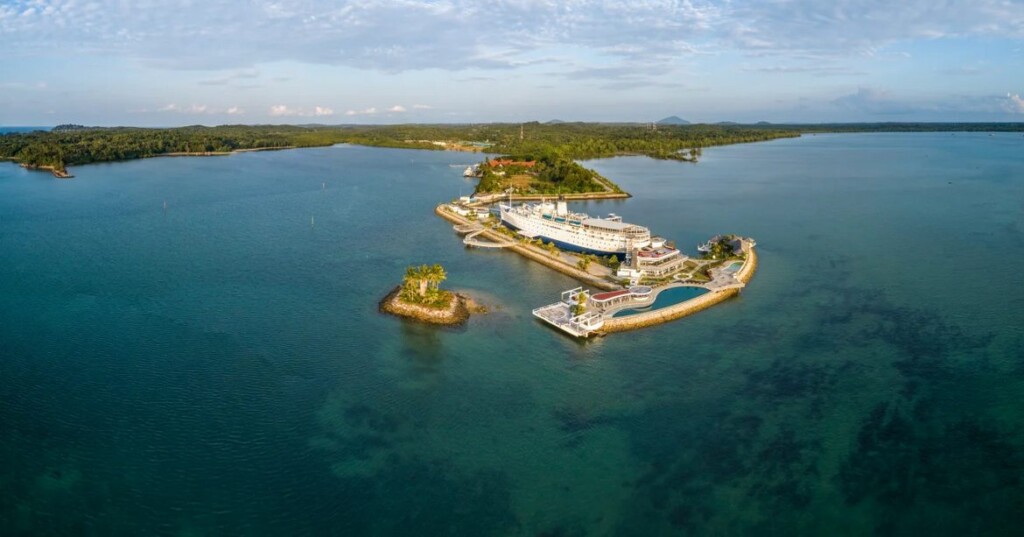
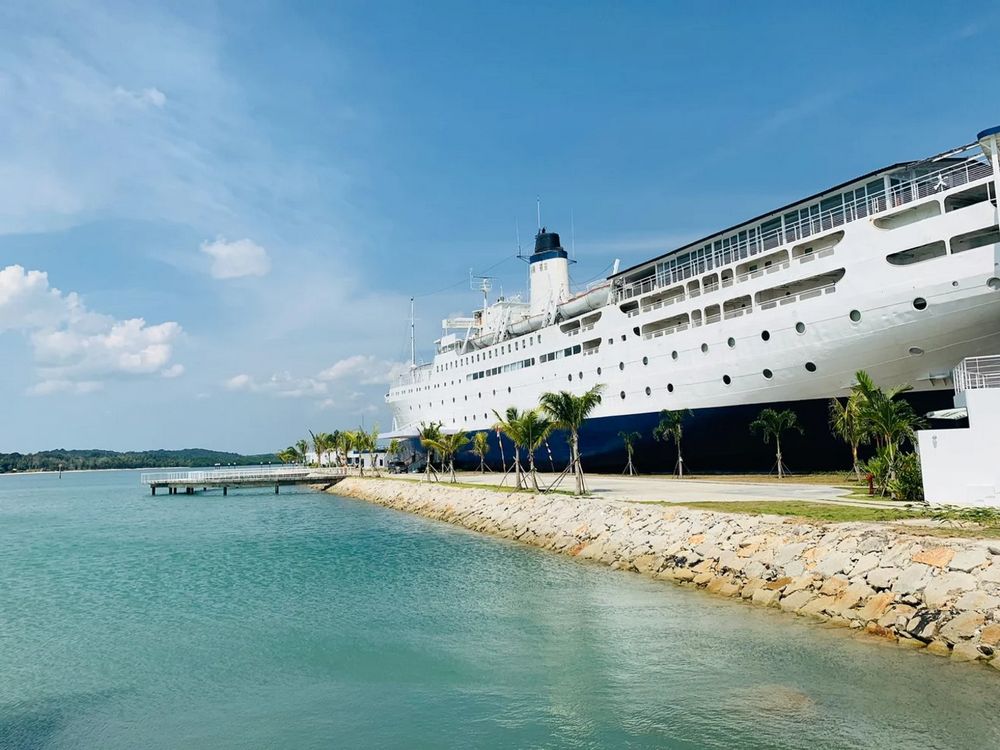
Long since declared unseaworthy, the MV Doulos Phos is now the 5-star Doulos Phos Ship Hotel at the Bintan resort reclamation project in Indonesia.

But if you’re imagining the ship to be merely a prop, thank again. Her new owner, as nautically enthused as an interview with CNN demonstrated him to be, endeavored to keep intact every ounce of heritage that was possible to preserve, from the defunct engine room to the porthole windows.

“If I didn’t have this project, maybe I’d have a Ferrari and a Lamborghini at home, and I’d be sailing around the world every year with my family,” 74-year-old Eric Saw, a devout Christian Singaporean multi-millionaire, and the owner (captain, maybe?) of the boat and the hotel told CNN.

That project took 15 years and $18 million to complete, along with countless headaches and many inches of nails bitten down in anxiety. It was journey that barely holds a candle to the vessel’s long history.

It was 1914, just two years after Titanic sunk when SS Medina rolled off the shipyard in Newport News, Virginia. Over a career spanning 100 years, she transported agricultural goods, then military personnel during the First World War, then passengers again under the name SS Roma. In the mid-20th century, she swapped her steam engine for a diesel one, and her name (again) to MS Franca C. and set sail as a cruise liner.

Her final conversion came when she was purchased as a missionary vessel and floating library in 1977, and renamed the MV Doulos. She docked at over 100 countries, sailed hundreds of thousands of nautical miles, and was at one point the oldest operating passenger vessel on the seas.

But time ends all romances, and with a mountain of maintenance needs that no one would pay for, she was drydocked in Singapore to await bids for new ownership, 4 years shy of her 100th birthday.

Eric Saw already ran a three-story restaurant inside a Mississippi-style paddle steamer, and felt “a calling from god” to buy and repurpose the ship into a new line of work.

After three years of paying dock fees for the vessel, Saw zeroed in on a place of rest on Bintan island in Indonesia. He was offered 3 acres of reclaimed land; he requested that it form the shape of an anchor.

In October 2015, at 101 years-of-age, the newly-renamed MV Doulos Phos, or “servant of light” in Greek, embarked upon her final voyage from the island of Batam to Bintan. There she would rest upon a bed of concrete undergirded with piles extending 130 feet into the bedrock below the seabed.

Inside, the small crew and passenger cabins which were crammed and poorly lit were expanded, but some were left as-is for adventurous visitors. Elevators and fire escapes and other modern building requirements were installed to meet building codes and regs, along with modern electrical and plumbing.

released by Doulos Phos Ship Hotel

Yet every vestige of heritage possible to save was retained, including the four life boats, which still hang from chains along her midship, and tons of material including the original rivets which held her hull together as welding hadn’t been pioneered in shipbuilding in 1914.

Perhaps because he saw it as a mission from god, Saw takes a salary of $1.00 a year, while all operating profit is donated to charitable causes—a servant of the light, in name and nature. He Beached an Old Cruise Ship and Turned it into $18 Million Beachfront Hotel with Love

Read More........

What cost-of-living crisis? Luxury travel is booming – and set to grow further

Anita Manfreda, Torrens University Australia

About ten years ago, while working at Badrutt’s Palace Hotel in the Swiss town of St Moritz, I was shocked to learn a guest once requested an elephant be brought in to deliver a birthday gift to his wife. And the hotel made it happen, squeezing the elephant into the lobby.

This over-the-top gesture symbolised what luxury travel once meant: wealth and power, expressed through grand displays. Think millionaires and billionaires in lavish suites and on private yachts, enjoying exclusive services most of us would never dream of, let alone actually ask for.

Consulting group McKinsey defines the luxury traveller as someone prepared to spend US$500 or more per night on accommodation. But luxury tourism is evolving. Thanks to demographic shifts, sustainability concerns, and a post-pandemic desire for connection, luxury travel has become more personal and meaningful. And luxury travellers these days aren’t always the super rich elites.

Despite the cost-of-living crisis, luxury travel is booming. So, what’s driving this growth and how is luxury travel changing?

A trillion dollar industry

The luxury travel sector has shown remarkable resilience, even during economic downturns and the COVID pandemic. Globally, it is projected to grow from US$1.4 trillion in 2024 to $2.2 trillion by 2030.

The Asia-Pacific region is leading the surge at a compound annual growth rate of 8.6% (a way of measuring growth that assumes profits are reinvested) from 2024 to 2030.

In Australia, the trend is similar: the luxury travel market generated US$37.4 billion in 2023 and is forecast to reach US$70 billion by 2032.

This growth is driven not just by affluence among the wealthy but by younger travellers. As Forbes magazine points out, these travellers are often non-millionaires who may not earn enormous salaries or even own their own homes – but are willing to pay top dollar for meaningful experiences.

And some are splurging on trips to make up for time and opportunities lost due to the pandemic – a trend industry experts sometimes refer to as “revenge” and “revelry” travel. As one luxury travel industry observer put it:

We’re seeing travel at all costs, where people are determined to have the experience they want, regardless of what that price is.

Many consumers are prioritising luxury travel experiences over other discretionary items, including luxury goods.

Luxury can have many meanings

Today’s luxury travel isn’t just about extravagance; it can also include forking out for meaningful experiences. Luxury travellers are willing to pay up for holidays that promise authenticity, wellness and connection with people and places.

It can mean access to something rare, like an uncrowded natural environment or an authentic cultural experience that feels deeply personal.

It can also come from expertise – like appreciating the nuances of a rare bottle of wine, or touring a place with an expert or celebrity guide who has been there many times before.

Where it was once defined by price and status symbols, luxury travel today is about stories worth sharing (on social media and in real life) and experiences that align with personal values.

Wellness, adventure and the digital detox

In my 17 years of working in and researching luxury travel, I have seen a lot of different luxury holidaymakers. Everything from humble retirees relishing the rewards of their hard work to VIP celebrities who send 32 pages of requests before even stepping foot in the hotel.

While older high-net-worth individuals from North America and Europe remain a significant demographic, a growing proportion of luxury travellers are millennials, Gen Z, and tourists from emerging markets like Asia and the Middle East.

Traditional hallmarks of luxury travel – like presidential suites and private islands – are still popular among high-net-worth individuals.

But a growing number of travellers seek cultural experiences, adventure, and small, intimate group trips.

These travellers are opting for off-peak seasons and less-visited destinations to avoid crowds, and may be more vocal about sustainable tourism.

The future of luxury travel lies in its ability to adapt to evolving consumer values. Wellness retreats, slow travel (including by train), and sustainability-focused experiences are becoming central to the luxury travel narrative.

In a hyper-connected world, luxury travel marketing is now often linked with the idea of a digital detox. The chance to disconnect and fully immerse in the moment has become a modern indulgence.

Luxury travellers today use their trips to explore and learn, and to reconnect with the world, their relationships, and themselves.The Conversation

Anita Manfreda, Senior Lecturer in Tourism, Torrens University Australia

This article is republished from The Conversation under a Creative Commons license. Read the original article.

Read More........

Tobago adjudged third most desirable island at World Travel Market

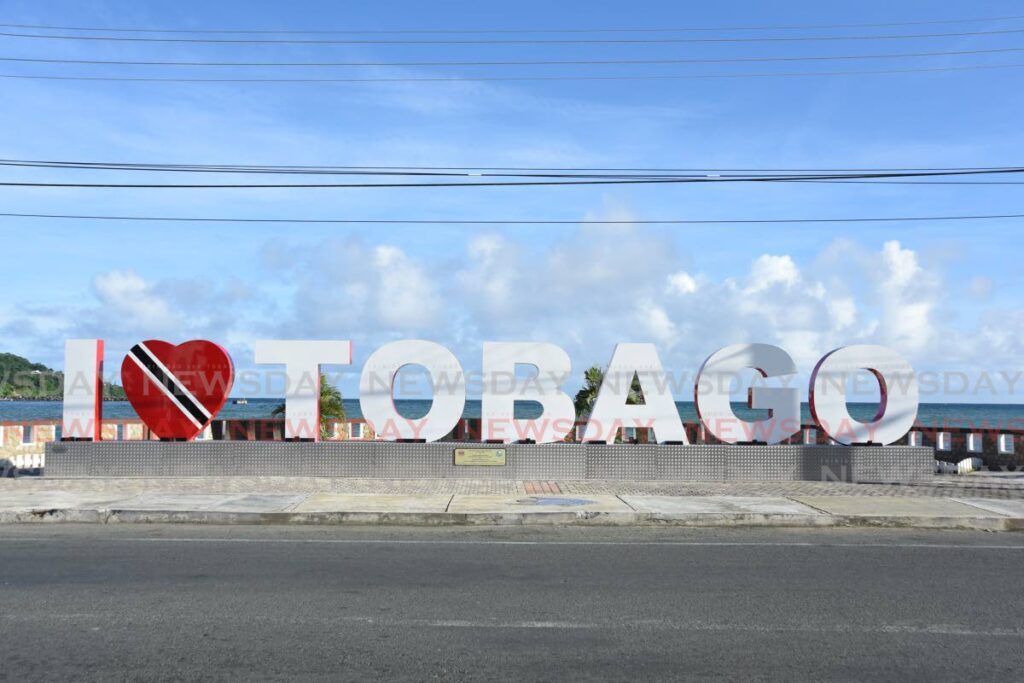
The I Love Tobago sign at the Scarborough Esplanade. -Photo by Ayanna Kinsale

TOBAGO has been adjudged the third most desirable island in the world by Wanderlust travel magazine at the World Travel Market (WTM), the THA Division of Tourism, Culture, Antiquities and Transportation said in a statement on Thursday.

This is the second time the island has claimed a spot in the top three, cementing its desirability as a world-class destination.

Cuba and Taiwan placed first and second, respectively.

Tobago beat other islands, including Palawan, Tasmania, Mauritius, Langkawi, Sri Lanka, Saint Helena and Barbados.

Tourism secretary Tashia Burris expressed her delight and pride in Tobago's second consecutive top three placement in the annual Wanderlust Reader's Choice Awards.

The award ceremony, which was held on November 7 at the British Museum, was one of the highlights of the WTM.

The international trade show was held from November 6-8 at the ExCel London exhibition and convention centre, London, United kingdom.

The Wanderlust Reader Travel Awards has been celebrating the best in travel for 22 years and shines a spotlight on the travel industry's greatest stars.The awards are open globally to tourism boards, tour operators and destinations. Tobago adjudged third most desirable island at World Travel Market - Trinidad and Tobago Newsday
Read More........

⁠Best jobs for travel lovers ( list of 10 )


By Bharat Gatha: With many jobs and professions requiring frequent travel, some professionals purposefully choose these opportunities that afford them the chance to see the world. During the job search process, professionals must consider how much travel is required to perform a specific role successfully. By carefully evaluating the travel requirements candidates can make informed decisions about jobs that are a compatible fit for their circumstances, preferences, and career aspirations.

For wanderlusts, a career that offers the opportunity to get paid to explore new places is a dream come true. In these roles, accommodations and travel expenses are often covered allowing the person to immerse themselves in other cultures.

Now let’s look into the top 10 jobs or professions that are best for travel lovers.

Flight Attendant


A flight attendant is a trained personnel who ensures the safety and comfort of passengers on the aircraft. They provide customer service, conduct safety demonstrations and respond to emergencies during flights. The average salary of a flight attendant starts at $39077.

Airline Pilot


An airline pilot is a professional responsible for flying and navigating planes, and other aircrafts. He/she is also responsible for carrying out pre-flight checks, developing flight plans, ensuring safety and integrity of aircraft and maintaining communication with the flight crew and air traffic controllers. The minimum salary of airline pilots starts from $108544.

Management Consultant


Management Consultants work closely with domestic or international clients to provide business solutions to organizational issues involving maximizing business performances, business processes, and revenue streams. They offer expertise in a range of fields, such as business management, marketing, business strategy, supply chain and employee productivity. The average salary starts from $92345.

Auditor


An auditor examines an organization’s records, accounts, and finances to ensure accuracy and compliance as well as identify and mitigate risks. There are several branches within auditing, from financial, environmental, health and safety, external, internal, forensic, and IT. As auditors have to attend clients and company meetings, they have to travel extensively.

Tour guide


A tour guide takes visitors through historical sights, museums, geographic destinations, and outdoor excursions telling them about relevant cultural, historical, and practical knowledge. An average salary of a tour guide starts at $35290.

Pharmaceutical Sales Representative


They travel to various locations to sell products and devices to medical professionals such as doctors. A medical representative usually earns a hefty sum of $75806 a year.

Diplomat


A person can be a diplomat to a country and work for his nation’s foreign service. The diplomats are employed at various embassies around the world. A professional working as a diplomat can travel around to attend various meetings and discussions. They earn an average of $97246 per year.

Professional Interpreter


A professional interpreter is a good profession to choose if anyone wants to travel around. The job is to translate the language and they can easily work in media, public sector, legal, and medical fields. They earn an average $53543 a year.

Construction Managers


Construction Managers are persons who oversee the development of buildings, roads, and other projects. Although they have an office-based job, they have to travel around to sites to check everything is going in order according to plan. They earn an average of $91022.

Travel Nurse


A travel nurse is a health professional who travels from place to place on short-term contracts. When contracts end, they either extend the contracts or move on to any other location to any other hospital. Travel Nurses earn $114279 a year. ⁠Best jobs for travel lovers ( list of 10 )
Read More........

List of Tallest Statues in India that have become tourist destinations


By Bharat Gatha, Throughout history, various cultures have crafted statues with their inception beginning at ancient times to the contemporary era. The oldest statues date back to 30,000 years. Sculptures manifest in diverse forms, portraying a range of beings whether real or fantastical and often adorn public spaces serving as expressions of public art.
Tallest Statue in the in India and World;

As of 2024, the highest statue in the world is that of the Statue of Unity located in Gujarat, India. This colossal monument is of Sardar Vallabhai Patel, who played a prominent role in India’s independence and stands at a towering height of 182 metres (597 feet).

The statue is located along the banks of the Narmada river.

Next Top 5 statues in India;

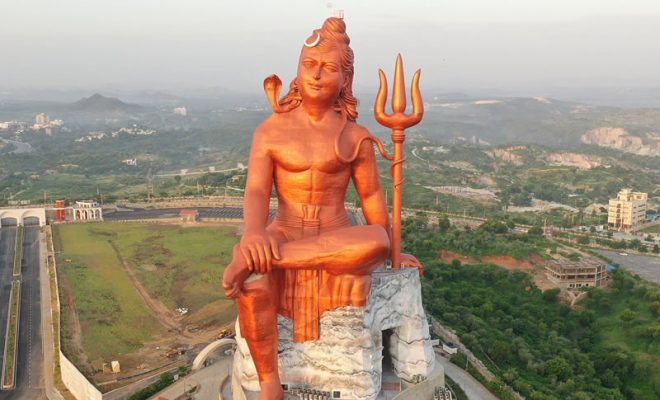
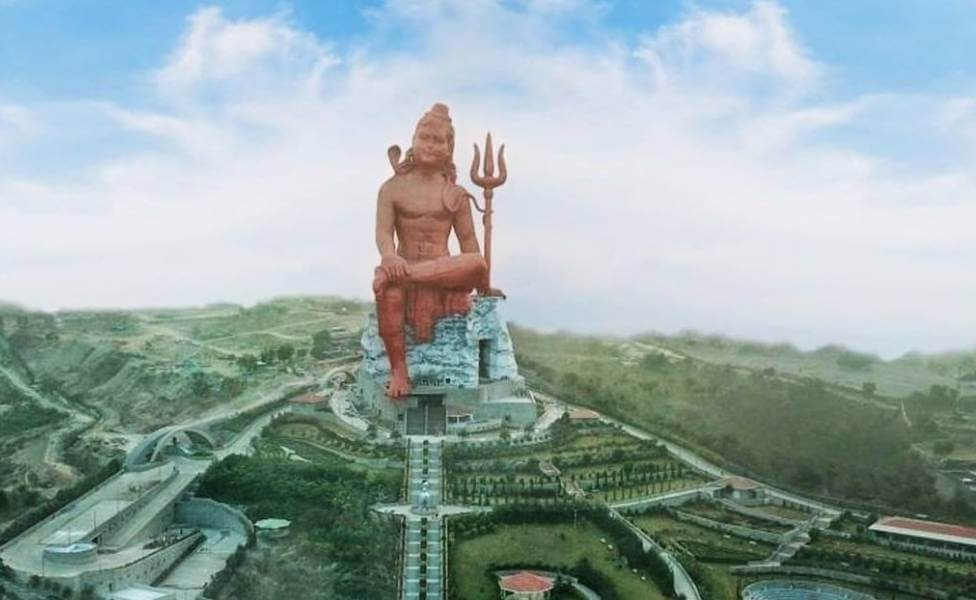
Statue of Belief (Viswas Swaroopam)


In April 2013, Indian businessman Madan Paliwal gave the instructions to build a Shiva Statue in Nathdwara, Rajasthan, at a height of 369 feet (112.4 metres). The statue was completed in August 2019. It was designed by sculptor Nagesh Kumawat.

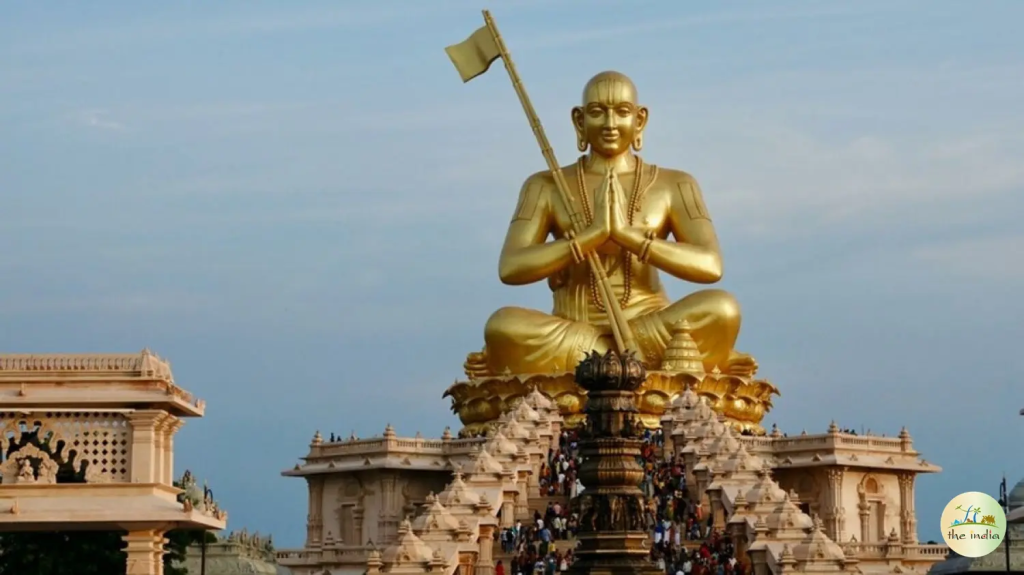
Statue of equality (Ramanuja)


The idea of this statue was conceived by ascetic Chinna Jeeyar who after getting the idea went up to architect DNV Prasad Sthapati. Construction began in May 2014 and is located at Muchintal, Telangana. The statue is a seated image of 11th century philosopher Ramanuja and reaches up to a height of 216 feet (66 metres).

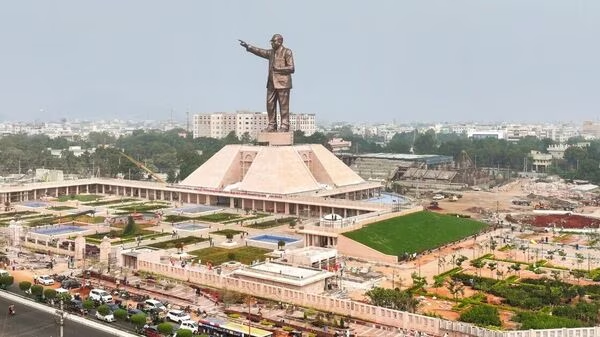
Dr Ambedkar Statue


Located at Hussain Sagar, Hyderabad, in Telangana, it is the biggest Ambedkar Statue in the country. It reaches a recorded height of 175 feet (55.34 metres). The statue is designed by Ram V Sutar alongwith his son Anil Ram Sutar.

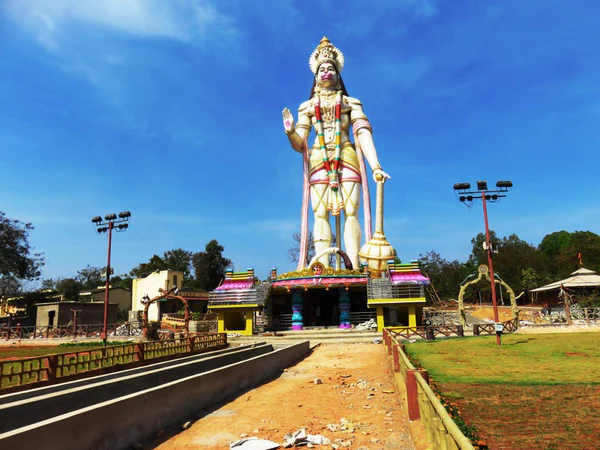
Hanuman Statue


It is located along the banks of river Krishna, Andhra Pradesh. Started as a dream by Jayi, Ramanamurthy, a devotee soon received donations from his community and made it the highest Hanuman statue in India. Started in 2005 and finished in 2020, the height of the idol is 171 feet (52 metres).

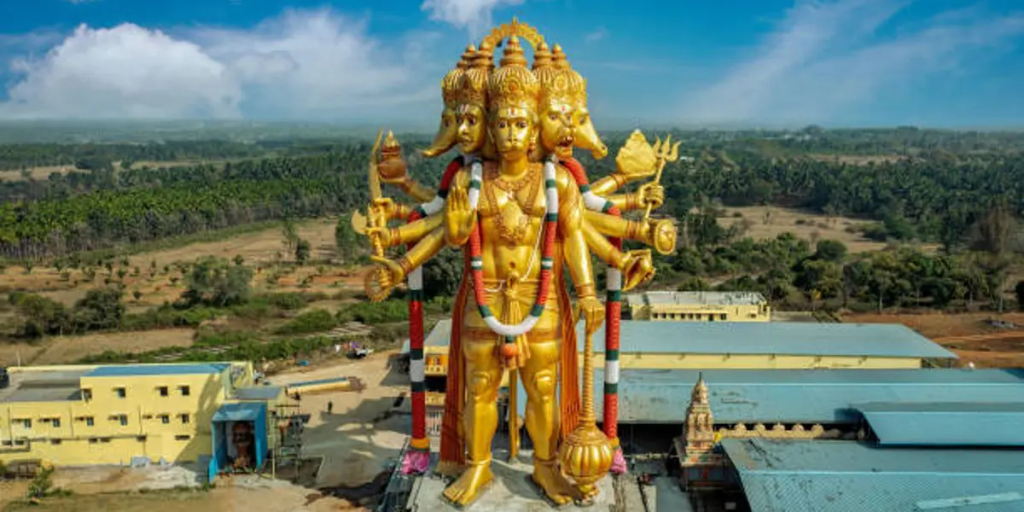
Panchmukhi Hanuman Statue

The Panchmukhi Hanuman statue is located at Bidanagere, Karnataka and is the second highest Hanuman statue in India. It is of a height of 161 feet (49 feet) and was unveiled by chief minister Basavaraj Bommai. List of Tallest Statues in India that have become tourist destinations
Read More........

IRCTC announces ‘Beautiful Bhutan’ Tour Package – Price Details & More


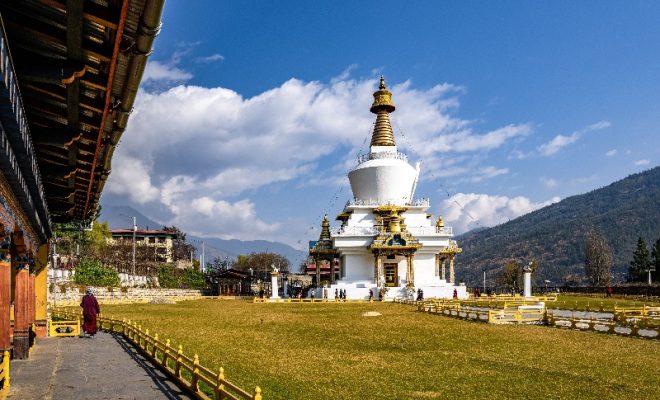
BY VINODHINI, A harmless and budget friendly travel package to Bhutan that doesn’t leave a dent in your account awaits you! IRCTC – Indian Railway Catering and Tourism Corporation has revealed a new tour package to Bhutan from Kolkata that will be commencing from May 2025.

Bhutan is set at the foot of the Himalayas, the popular tourist spot is known for stunning landscape, rich cultural heritage, peaceful monasteries and historical places that resonate the true spirit of Bhutan, attracting millions of tourists. You can now plan your trip to Bhutan from Kolkata for 5 nights and 6 days to enjoy the serene place.

IRCTC ‘Beautiful Bhutan’ Package and Details

The Exclusive Bhutan Tour Package is known as ‘Beautiful Bhutan Ex Kolkata’ – Package Code: EHO012 is a curated package that allows comfortable travel and experience. The travel will commence on 26 May, 2025 from Kolkata for 5 nights and 6 days and visit destinations like Punakha and Paro. This package includes the Flight Tickets, Accommodation, Food, Local sightseeing and roaming via car and bus.

From a beautiful landscape that escapes you immediately and transports you years back to amazing local food, Bhutan is a culturally enriched experience for travellers. The IRCTC package through flight will be a good amalgamation of leisure, shopping, sightseeing and cultural experience.

Price Details
  • Solo Package – INR 80,700 per person
  • Twin Sharing – INR 68,300 per person
  • Triple Sharing – INR 66,900 per person
IRCTC has several air and land travel packages similarly that are cost effective and one of a kind experiences. There is another Bhutan package available in IRCTC named ‘Blissful Bhutan’ and other interesting places near and far India to explore in a budget friendly way

Read More........

Amazing vibes of the Music & Dance of Rajasthan

Posted by jinson, The people of Rajasthan live life to the hilt. After hard work under the scorching sun rays and on the rocky terrain whenever they take time off, they let themselves go in gay abandon. There is dancing, singing, drama, devotional music and puppet shows and other community festivities which transform the hardworking Rajasthanis into a fun-loving and carefree individual. Each region has its own folk entertainment, the dance styles differ as do the songs, interestingly enough, and even the musical instruments are different.  

Rajasthani music is very famous not only in India but also in the world. Music & dance are deeply integrated in Rajasthani Life. The stillness of the desert evening and the upsurge of life in the short-lived rainy season or spring are filled with soulful, full-throated music and rhythmic dance. Instruments such as Sarangi, Kamaycha, Satara, Nad, and Morchang create a wide range of lightning and melodious sound in accompaniment to the music of the Bhopas, Kalbeliyas, Langas and the Mananiyars. Professional performers like the Bhatts, Bholis, Mirasis, Nat, Bhands are omnipresent across the state.
They are patronised by the villagers who participate actively in the shows put up by these travelling entertainers. Their amazingly rich music has an extraordinary full individually, tradition and exotic flavour, which gives a distinctive feature and quality to their musical sounds. They have songs for every occasion with rich emotional content, almost an endless variety of tunes, quite a few delightful dance forms, and a large number of musical instruments, all a collective creation of the folks which is retained by them in its traditional form and character and passed from one generation to the other.

Rajasthani dances are a spectacular celebration of life and colour. The Thar Desert of Rajasthan gets life with its musicians and dancers, which are simple expressions of celebrations and festivity. The dancers, the dances and costumes have made Thar the most colourful desert in the world. Each region adding its own form of dance styles and performers, there are dances that follows a lineage of age old traditions, adhere to religious significance, display their daring attitude as well as complimenting various fairs and festivals.

Fire Dance: The Jasanthis of Bikaner and Chum are renowned for their tantric powers and this dance is in keeping with their lifestyle. A large ground is prepared with their live wood and charcoal where the Jasnathi men and boys jump on to the fire to the drum beats. The music gradually rises in tempo and reaches a crescendo; the dancers seem to be in a trance like state.

Ghoomer Dance: This is basically a community dance for women and performed on auspicious occasions. Derived from the word the “Ghooma”, this is a very simple dance where the ladies move gently, gracefully, in circles.


Giat Ghoomer: This one is one of the many dance-forms of the Bhil-tribal. Performed during Holi festival this is among a few performances where both men and women dance together.
Chari Dance: This is popular in the Kisherigarh region and involves dancing with a Chari, or pot, on one’s head. A lighted lamp is then placed on the pot.

Kachchi Ghodi: This is a dance performed on dummy horses. Men in elaborate costumes ride the equally well decorated dummy horses. Holding naked swords, these dancers move rhythmically to the beating of drums. A singer narrates the exploits of the Bavaria bandits of Shekhawati.


Drum Dance: This is a professional dance-form from Jalore. Five men with huge drums round their necks, some with huge cymbals accompany a dancer who holds a naked sword in his mouth and performs in his mouth and performs vigorously by twirling three painted sticks.

TerahTali: Performed by the female dancers while sitting, Terahtali is one of the fabulous dance forms. In this the women ties little brass discs called ‘manjeerans’ with long strings to their hands, arms, wrists, waists, and elbows. While their male partners sing and play ‘tandoora’, the women with manjeerans create a strong rytham with perfect balanced dance moves.


Music


Ragas : Folk music is the basic style of Rajasthani music, Also, different Raga and various instruments are other essential factors which form a fantastic @ unique music culture of Rajasthan. Bilawal, Kafi, Desh, Khamaj and Peelu are some ragas, most widely used in Rajasthani folk songs. Some in their pure forms and others in combinations. Many folk songs are tuned in Bilawal and Kafi. The folk songs of Rajasthan have maintained the elements of Indian classical music despite the fact that they are freely composed and sung, without any specific rules. Classicism in music have been framing and improving its form with the help of folk-songs.

Maand: Rajasthan's most sophisticated style of folk music and has come a long way from the time it was only sung in royal courts, in praise of the Rajput rulers. Professional singers still sing the haunting ballads of Moomal Mahendra, Dhola-Maru and other legendary lovers and heroes.

Instrument: The Thrilling melody of Rajasthan sounds in variety of delightful primitive instruments. The stringed variety is the mixture of Sarangi, Morchang, Ektara Rawanhatta and Kamahacha. Then Percussion instruments are in all shapes & sizes like huge Nagara( giant Drums) and Dhols to the little drums. Daf and Chang are the instruments which are mostly played in Holi.

Folk music of Rajasthan depicts multiple moods & shades including lonliness of lovers, their reunion, inter-personal relationship, laughter, joy, happiness & faith. This folk music also serves as educational purpose.Holiday India : Amazing vibes of the Music & Dance of Rajasthan
Read More........

Holiday India : Things To Experience While Visiting India

Any visitor to India is stunned by the richness of the land, by its lush beauty and exotic architecture. By its ability to overload the senses with the pure, concentrated intensity of its colors, smells, tastes, and sounds. Home to more than one billion people, this subcontinent bristles with a mix of ethnic groups, which translates into an intoxicating cultural cocktail for the traveller. Experience the Spiritual, Adventurous, Wild, Ancient, Unexplored - the Real India.

The Spiritual India:- India, known as the land of spirituality and philosophy, was the birthplace of three world religions, Hinduism, Buddhism and Jainism. The most dominant religion in India today is Hinduism and about 80% of Indians are Hindus. Spirituality and mystical charm have always drawn people from all over the world to India. As the world becomes increasingly capitalistic and materialist, the quest and urgency for spirituality grows more and more. The traditional Indian way of life has helped in the evolution and growth of Spiritualism. Arts like Yoga, Meditation and Ayurveda coupled with religion have played an important role in the evolution and existence of spirituality in India.

The Adventurous India:-Given the various geographical features like the mountain ranges, valleys, desert regions, tropical rain forests, fertile plains and the coastal regions, makes India one of the most attractive adventure destinations in the world. You may say, it is a warehouse of adventure. Whether it is a safari in a nature reserve, a camel ride through the desert or a trek through the mountains, India has a number of exciting and sensational places to offer in its network of adventure destinations. The islands of Andaman and Nicobar in the Bay of Bengal and Lakshadweep in the Arabian Sea are virtually un-spoilt and are some of the best spots for scuba diving and snorkeling.
The Wildlife of India

India is home to a rich diversity of wildlife supplemented by an equally rich variety of flora and fauna. The sight and sounds of a majestic elephant, a peacock’s dance, the stride of a camel, the roar of a tiger are unparalleled experiences in themselves. Watching birds and animals in their natural habitats is an experience in itself. The immense heritage of wildlife in India comprises of more than 70 national parks and about 400 wildlife sanctuaries including the bird sanctuaries. A paradise for the nature lovers, these forest areas are also crucial for the conversation of the endangered species like the Leopard, Lion, Asiatic Elephant, the Bengal tiger and Siberian Crane. Spread across the length and breadth of India, these reserves and forest areas, the Indian Wildlife circuit is an Incredible treat, unmatched by any other experience.

The Ancient India:- India is a diverse country steeped in history. Its past has seen a melting pot of different religions, rulers and empires -- all of which have left their mark on the countryside. Many historical places in India are listed as World Heritage sites due to their cultural importance. Visit popular historical places in India and take a trip back in time to ancient India. You'll marvel at the architecture of what are some of the most stunning and captivating historical attractions that India has to offer. Not surprisingly, the spellbinding Taj Mahal tops the list of India's best historical destinations. India also has some evocative, once powerful but now abandoned cities, which are architectural masterpieces. Incredible ruins, thousands of ancient temples, impressive deserted cave temples, immense forts, serve as a reminder of India's tumultuous history.
The Unexplored India 

From Kashmir in the North to Kanyakumari in the South, India has ample places, still left unexplored. It is an enchanting land for all seasons, from the snow clad mountains on one side, towards the desperate hot deserts which role down in the lap of cool coastal plains. While moving along the snow clad passes on winding mountain paths in Himachal Pradesh one can observe the landscape changing at every turn. Explore the secluded beaches in the Northern tip of Goa. Northeast India is Nature's own country-by and large, it is unpolluted, unvarnished and holds on to an aura of innocence. Khasi Hills nestled comfortably in the sub-Himalayan hill ranges of the northeastern region of India. See the pristine and quaint beach of Gokarna in North of Karnataka. The beach resembles, "Om", the Sanskrit symbol for the invocation, that is believed to have created the Universe.

The Art and Culture of India:- India's languages, religions, dance, music, architecture, food and customs differ from place to place within the country, but nevertheless possess a commonality. India is the only country in the world to have so many religions and beliefs. Indian traditional art forms are the most evolved and cultured systems in the world where carnatic music, classical dance styles like Bharathanatyam, Kuchipudi, Kathakali, Kathak, Manipuri, etc.. Indian classical arts like classical music, classical dance, theatre and drama possesses traditions and history dating back to several centuries. Indian culture is rich, diverse and unique in the whole world as the people in the country belong to different religions, castes, creed; speak different languages. Celebrate different festivals with great enthusiasm and zeal. Crafts and Handicrafts are an integral part in the life of an Indian. In the Western world, special artists create craft objects and they are considered as luxury items. Holiday India : Things To Experience While Visiting India
Read More........

World's Most 15 Greatest Living Rocks


1. Great Sphinx of Giza (Egypt): A reclining lion with a human head that stands on the Giza Plateau on the west bank of the Nile, near modern-day Cairo, is the largest monolith statue in the world. Standing 73.5 m (241 ft) long, 6 m (20 ft) wide, and 20 m (65 ft) high, the Great Sphinx of Giza is also the oldest known monumental sculpture, and is commonly believed to have been built by ancient Egyptians in the third millennium BCE. The Great Sphinx faces due east and houses a small temple between its paws.
 2. Petra (Jordan): Famously described as "a rose-red city half as old as time" by John William Burgon, UNESCO has described Petra as one of the most precious cultural properties of man's cultural heritage. In 1985, Petrawas designated a World Heritage Site, and recently designated as one of the “new wonders” of the world. Located in Arabah, Ma'an Governorate, Jordan, lying on the slope of Mount Hor in a basin among the mountains, the large valley running from the Dead Sea to the Gulf of Aqaba is renowned for its rock-cut architecture. The Nabateans constructed it as their capital city around 100 BCE, after their decline, the site remained unknown to the Western world until 1812, when it was introduced to the West by Swiss explorer Johann Ludwig Burckhardt. The picturesque site was featured in various films such as Indiana Jones and the Last Crusade, Mortal Kombat: Annihilation and Sinbad and the Eye of the Tiger.

 3. Mount Rushmore (USA): A famous monumental granite sculpture created by Gutzon Borglum, Mount Rushmore is located within the United States Presidential Memorial that represents the first 150 years of the history of the United States of America with 60-foot (18 m) sculptures of the heads of former United States presidents (left to right): George Washington, Thomas Jefferson, Theodore Roosevelt, and Abraham Lincoln. The entire memorial covers 1,278.45 acres (5.17 km2) and is 5,725 feet (1,745 m) above sea level. The memorial attracts approximately two million people annually.

 4. Leshan Giant Buddha (China):  Built during the Tang Dynasty, the Leshan Giant Buddha is carved out of a cliff face that lies at the confluence of the Minjiang, Dadu and Qingyi rivers in the southern part of Sichuan province in China, near the city of Leshan. The sculpture, which is seventy one meters (about 230 hundred feet) tall dwarfs the tourists that flock to see it. It is positioned so that it faces Mount Emei and stands at the meeting place of three rivers. Although the Government of China has promised a restoration program, the statue has suffered from the effects of pollution, particularly over the last twenty years. Fortunately, the statue was not damaged in the Sichuan earthquake of 2008. 5. Mahabalipuram Shore Temple (India): Built on the shores of the Bay of Bengal in Mahabalipuram (India) in the early 8th century by the Pallava King Rajasimha. The shore temple
actually consists of 2 back to back shrines, one facing the east (the Bay), and the smaller one facing west. It stands on the edge of the Bay of Bengal. At high tide, the waves sweep into its compounds. The walls and their sculptures have been battered and eroded by the winds and waves for thirteen hundred years. Yet they stand intact. Mahabalipuram was a flourishing sea port in the times of Periplus and Ptolemy (140 AD). There is an old legend here that originally there were seven temples; of these, six have been swallowed by the sea and only one temple -the Shore Temple- remained. There are evidences of submerged structures under the waves and sporadic excavations are going on, but it is too early to say whether there really was a glorious city and six more temples which now lie submerged under the waves off the coast off Mahabalipuram.

6. Abu Simbel (Egypt): A set of two temples near the border of Egypt with Sudan, Abu Simbel was constructed for the pharaoh Ramesses II who reigned for 67 years during the 13th century BC (19th Dynasty). The temples were cut from the rock and shifted to higher ground in the 1960s as the waters of Lake Nasser began to rise following completion of the Aswan High Dam.The Great Temple is dedicated to Ramesses II and a statue of him is seated with three other gods within the innermost part of the rock-cut temple (the sanctuary). The temple's facade is dominated by four enormous seated statues of the Pharaoh (each over 20 metres or 67 feet high), although one has been damaged since ancient times. The Small Temple was probably completed ahead of the Great Temple and is dedicated to Ramesses' favorite wife, Nefertari. At the entrance stand six 10-metre-high (33 feet) rock-cut statues - two of Ramesses and one of Nefertari on either side of the doorway. 

7. Dazu Rock Carvings (China): The Dazu rock carvings in Chongqing, China are hewn from the cliffside, featuring more than 5,000 statues and over 100,000 Chinese characters of inscriptions or epigraphs. It is reputed as 'the county of rock carving' and it’s located at the southeast of Sichuan province. The Dazu Rock Carvings was built from 650 in the Tang Dynasty and continued to the Ming Dynasty (1368-1644) and the Qing Dynasty (1616-1911). Among the rock carvings, there are more than 5,000 statues and over 100,000 Chinese characters of inscriptions and epigraphs. 8. Church of St. George (Ethiopia): The Church of St. George is a monolithic church in Lalibela, Amhara Region, Ethiopia. It is the most well known and last built (early thirteenth century) of the eleven churches in the Lalibela area, and has been referred to as the "Eighth

Wonder of the World". The dimensions of the complex are 25 meters by 25 meters by 30 meters, and there is a small baptismal pool outside the church, which stands in an artificial trench. According to Ethiopian cultural history, Bete Giyorgis was built after King Gebre Mesqel Lalibela of the Zagwe dynasty had a vision in which he was instructed to construct the church; Saint George and God have both been referred to as the one who gave him the instructions.As of 2006, Lalibela is still a pilgrimage site for members of the Ethiopian Orthodox Tewahedo Church; the church itself is part of the UNESCO World Heritage Site "Rock-Hewn Churches, Lalibela".

9. Borobudor (Indonesia): Officially, Borobudur is a ninth-century Mahayana Buddhist monument in Magelang, Central Java, Indonesia. Actually,  it is much older than that. The monument complex comprises six square platforms topped by three circular platforms, and is decorated with 2,672 relief panels and 504 statues of Rama citizens. Each wall has a story that relates to the stories of the birth of Buddha and other Buddha figures. A main dome, located at the center of the top platform, is surrounded by 72 Rama citizens seated inside perforated stupa.

10. Cappadocia (Turkey): Cappadocia lies in the mid-western part of Turkey. Anextraordinary landscape formed millions of years ago by the combined work of lava spitting volcanoes, wind and water, there is culture too: the inhabitants of the area hew rooms, chapels, even whole villages out of the rocks. Religious Byzantine paintings can be found on the walls of the churches and monasteries.
11. Bingling Temple (China): The Bingling Temple is a series of grottoes filled with Buddhist sculpture carved into natural caves and caverns in a canyon along the Yellow River. It lies just north of where the Yellow River empties into the Liujiaxia Reservoir created by the Liujiaxia Dam at Yongjing, about 80km from Lanzhou. The caves were a work in progress for more than a millennium. The first grotto was begun around 420 CE at the end of the Western Jin Dynasty. Work continued and more grottoes were added during several dynasties. The style of each grottoe can easily be connected to the typical artwork from its corresponding dynasty. The Bingling Temple is both stylistically and geographically a midpoint between the monumental Buddhas of Bamiyan in Afghanistan and the Buddhist Grottoes of central China, Yungang Grottoes near Datong and Longmen Grottoes near Luoyang. Over the centuries, earthquakes, erosion, and looters have damaged or destroyed many of the caves and the artistic treasures within. Altogether there are
12. Hypogeum of Hal-Saflieni (Malta) 183 caves, 694 stone statues, and 82 clay sculptures that remain. Each cave is like a miniature temple filled with Buddhist imagery. The sculptures, carvings, and frescoes that remain are outstanding examples of Buddhist artwork and draw visitors from around the world. The Hypogeum in Hal-Saflieni, Paola, Malta, is a subterranean structure dating to the Saflieni phase in Maltese prehistory. Thought to be originally a sanctuary, it became a necropolis in prehistoric times. It is the only prehistoric underground temple in the world. The Hypogeum was depicted on a 2 cents 5 mils stamp issued in the Maltese Islands in 1980 to commemorate the acceptance by UNESCO of this unique structure in the World Heritage Site list. It was closed to visitors between 1992 and 1996 for restoration works; since it reopened only 80 people per day are allowed entry and there can be a 2-3 weeks wait to get a ticket. It was discovered by accident in 1902 when workers cutting cisterns for a new housing development broke through its roof. The workers tried to hide the temple at first, but eventually it was found. The study of the structure was first entrusted to Father Manuel Magri of the Society of Jesus, who directed the excavations on behalf of the Museums Committee.
13. Buddhas of Bamiyan (Afghanistan) The Buddhas of Bamiyan were two monumental statues of standing Buddhas carved into the side of a cliff in the Bamiyan valley in the Hazarajat region of central Afghanistan, situated 230 km (143 miles) northwest of Kabul at an altitude of 2500 meters (8,202 ft). Built during the sixth century, the statues represented the classic blended style of Indo-Greek art. The main bodies were hewn directly from the sandstone cliffs, but details were modeled in mud mixed with straw, coated with stucco. They were intentionally dynamited and destroyed in 2001 by the Taliban, on orders from leader Mullah Mohammed Omar, after the Taliban government declared that they were "idols" (which are forbidden under Sharia law). International opinion strongly condemned the destruction of the Buddhas, which was viewed as an example of the intolerance of the Taliban and of fundamentalist Islam. Japan and Switzerland, among others, have pledged support for the rebuilding of the statues.

14. Mada'in Saleh (Saudi Arabia): Located in northern Hejaz (modern day Saudi Arabia), Mada'in Saleh --also called Al-Hijr ("rocky place")-- is an ancient city that was inhabited by Thamudis and Nabateans and was then known as Hegra. Some of the inscriptions found in the area date back to the 2nd millennium BC. However, all the remaining architectural elements are dated to the period of the Thamudi, Lihyan and Nabatean civilizations, between the 1st millennium BC and the second century AD. Mada'in Saleh is not only Saudi Arabia's most spectacular touristic site; it is also one of the greatest historic sites in the world. The rock tombs in this early morning light are of such an extraordinary beauty, consisting of different shapes and sizes, that gives Mada'in Salih a truly charming feeling. This historic sister city, Petra the former capital of Nabataean Kingdom, is located only 150 miles away to the north across the border with Jordan.

15. Naqsh-e Rustam (Iran): Naqsh-e Rostam is a site believed by archaeologists to have been a cemetery for Persepolis, where Achaemenid, Parthian and Sassanid royalty were laid to rest. Located about 3-4 kilometers northwest of Persepolis in Iran's Fars province, the site contains funerary related works belonging to the Elamite (second millennium BCE), Achaemenid (550-330 BCE) and Sassanid (226-651 CE) eras. The only surviving monument from the pre-Achaemenid period is a relief which was almost completely obliterated when the court scene of Bahram II (276-293 CE) was carved over it. The Naqsh-e Rostam structures have been built from white and grey Limestone without the use of mortar. It is believed that Persians were the first to use colors to decorate stone carvings. A particularly striking feature of Naqsh-e Rostam stone carvings is the use of color; many of the site's inscriptions and carvings are covered with Lapis lazuli. Evidence shows that the carving of Darius had a lazuline beard and mustache, black hair and eyeliner, red eyes, lips and shoes as well as colorful robes, although the passage of time has left the colors at Naqsh-e Rostam unstable. World Amazing Information | Funny Pictures | Interesting Facts: World's Most 15 Greatest Living Rocks
Read More........