Tobago adjudged third most desirable island at World Travel Market

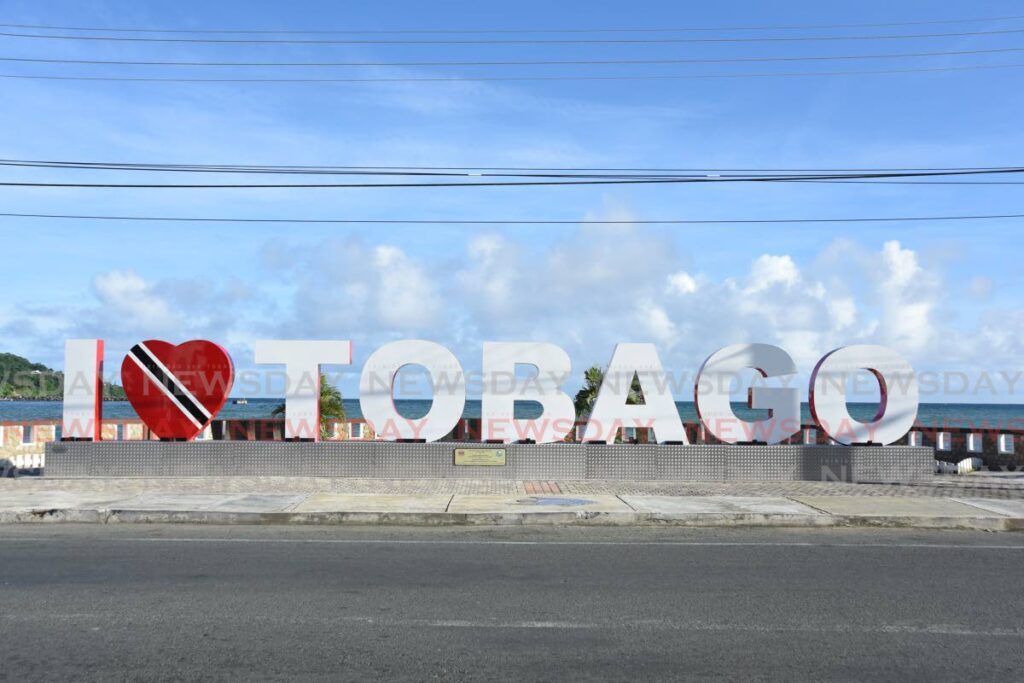
The I Love Tobago sign at the Scarborough Esplanade. -Photo by Ayanna Kinsale

TOBAGO has been adjudged the third most desirable island in the world by Wanderlust travel magazine at the World Travel Market (WTM), the THA Division of Tourism, Culture, Antiquities and Transportation said in a statement on Thursday.

This is the second time the island has claimed a spot in the top three, cementing its desirability as a world-class destination.

Cuba and Taiwan placed first and second, respectively.

Tobago beat other islands, including Palawan, Tasmania, Mauritius, Langkawi, Sri Lanka, Saint Helena and Barbados.

Tourism secretary Tashia Burris expressed her delight and pride in Tobago's second consecutive top three placement in the annual Wanderlust Reader's Choice Awards.

The award ceremony, which was held on November 7 at the British Museum, was one of the highlights of the WTM.

The international trade show was held from November 6-8 at the ExCel London exhibition and convention centre, London, United kingdom.

The Wanderlust Reader Travel Awards has been celebrating the best in travel for 22 years and shines a spotlight on the travel industry's greatest stars.The awards are open globally to tourism boards, tour operators and destinations. Tobago adjudged third most desirable island at World Travel Market - Trinidad and Tobago Newsday
Read More........

List of Tallest Statues in India that have become tourist destinations


By Bharat Gatha, Throughout history, various cultures have crafted statues with their inception beginning at ancient times to the contemporary era. The oldest statues date back to 30,000 years. Sculptures manifest in diverse forms, portraying a range of beings whether real or fantastical and often adorn public spaces serving as expressions of public art.
Tallest Statue in the in India and World;

As of 2024, the highest statue in the world is that of the Statue of Unity located in Gujarat, India. This colossal monument is of Sardar Vallabhai Patel, who played a prominent role in India’s independence and stands at a towering height of 182 metres (597 feet).

The statue is located along the banks of the Narmada river.

Next Top 5 statues in India;

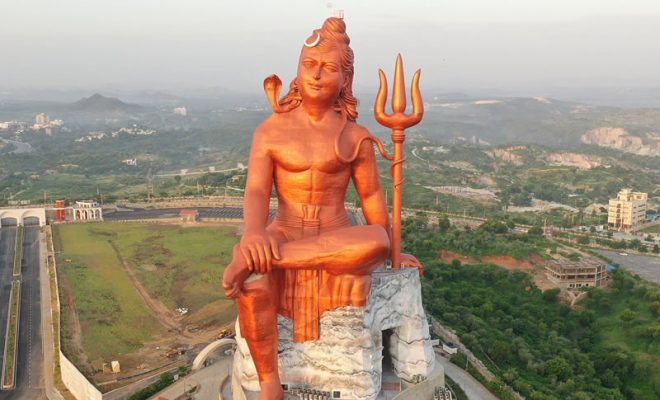
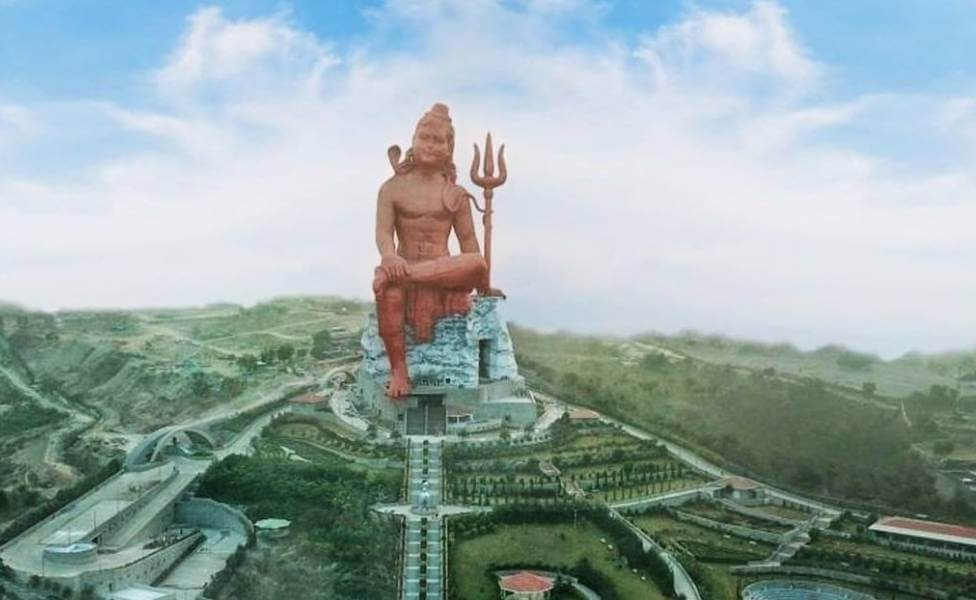
Statue of Belief (Viswas Swaroopam)


In April 2013, Indian businessman Madan Paliwal gave the instructions to build a Shiva Statue in Nathdwara, Rajasthan, at a height of 369 feet (112.4 metres). The statue was completed in August 2019. It was designed by sculptor Nagesh Kumawat.

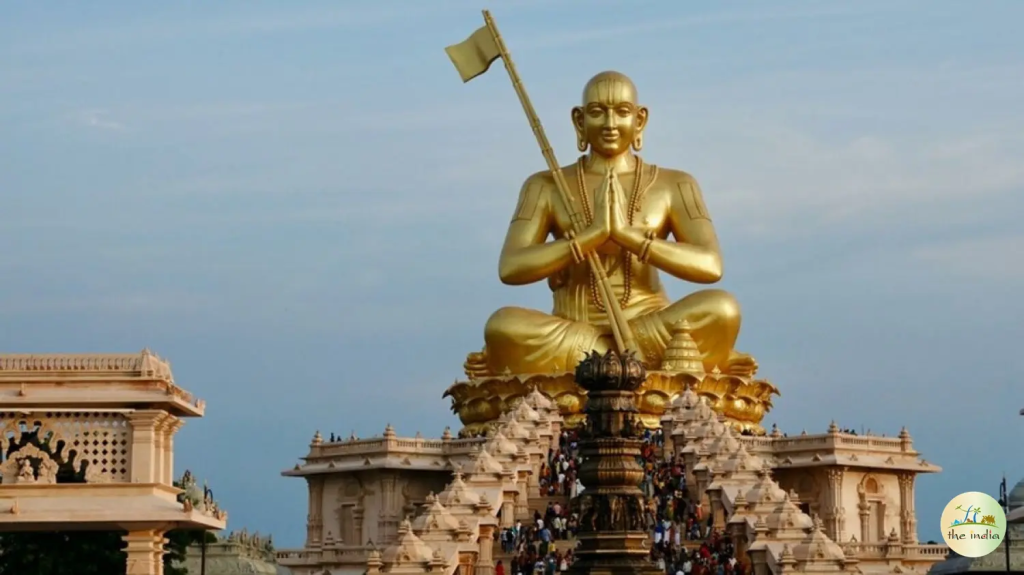
Statue of equality (Ramanuja)


The idea of this statue was conceived by ascetic Chinna Jeeyar who after getting the idea went up to architect DNV Prasad Sthapati. Construction began in May 2014 and is located at Muchintal, Telangana. The statue is a seated image of 11th century philosopher Ramanuja and reaches up to a height of 216 feet (66 metres).

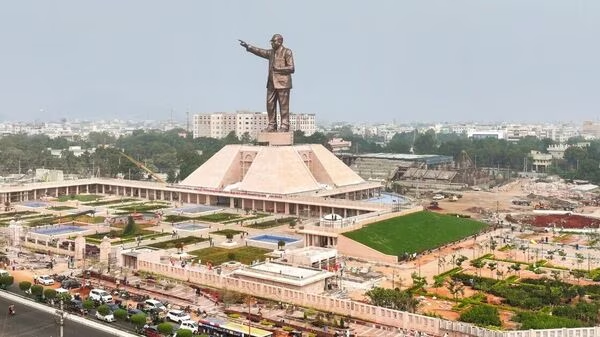
Dr Ambedkar Statue


Located at Hussain Sagar, Hyderabad, in Telangana, it is the biggest Ambedkar Statue in the country. It reaches a recorded height of 175 feet (55.34 metres). The statue is designed by Ram V Sutar alongwith his son Anil Ram Sutar.

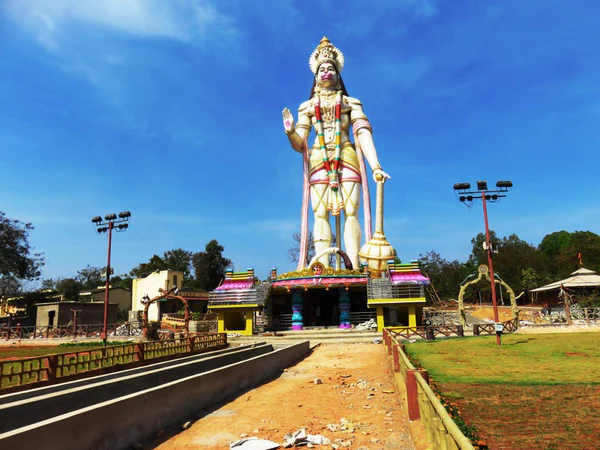
Hanuman Statue


It is located along the banks of river Krishna, Andhra Pradesh. Started as a dream by Jayi, Ramanamurthy, a devotee soon received donations from his community and made it the highest Hanuman statue in India. Started in 2005 and finished in 2020, the height of the idol is 171 feet (52 metres).

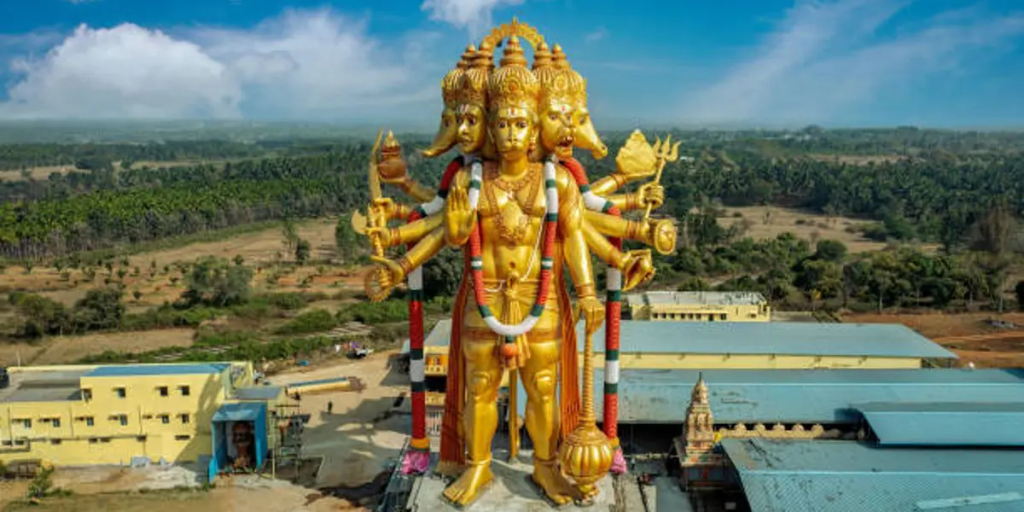
Panchmukhi Hanuman Statue

The Panchmukhi Hanuman statue is located at Bidanagere, Karnataka and is the second highest Hanuman statue in India. It is of a height of 161 feet (49 feet) and was unveiled by chief minister Basavaraj Bommai. List of Tallest Statues in India that have become tourist destinations
Read More........

Amazing vibes of the Music & Dance of Rajasthan

Posted by jinson, The people of Rajasthan live life to the hilt. After hard work under the scorching sun rays and on the rocky terrain whenever they take time off, they let themselves go in gay abandon. There is dancing, singing, drama, devotional music and puppet shows and other community festivities which transform the hardworking Rajasthanis into a fun-loving and carefree individual. Each region has its own folk entertainment, the dance styles differ as do the songs, interestingly enough, and even the musical instruments are different.  

Rajasthani music is very famous not only in India but also in the world. Music & dance are deeply integrated in Rajasthani Life. The stillness of the desert evening and the upsurge of life in the short-lived rainy season or spring are filled with soulful, full-throated music and rhythmic dance. Instruments such as Sarangi, Kamaycha, Satara, Nad, and Morchang create a wide range of lightning and melodious sound in accompaniment to the music of the Bhopas, Kalbeliyas, Langas and the Mananiyars. Professional performers like the Bhatts, Bholis, Mirasis, Nat, Bhands are omnipresent across the state.
They are patronised by the villagers who participate actively in the shows put up by these travelling entertainers. Their amazingly rich music has an extraordinary full individually, tradition and exotic flavour, which gives a distinctive feature and quality to their musical sounds. They have songs for every occasion with rich emotional content, almost an endless variety of tunes, quite a few delightful dance forms, and a large number of musical instruments, all a collective creation of the folks which is retained by them in its traditional form and character and passed from one generation to the other.

Rajasthani dances are a spectacular celebration of life and colour. The Thar Desert of Rajasthan gets life with its musicians and dancers, which are simple expressions of celebrations and festivity. The dancers, the dances and costumes have made Thar the most colourful desert in the world. Each region adding its own form of dance styles and performers, there are dances that follows a lineage of age old traditions, adhere to religious significance, display their daring attitude as well as complimenting various fairs and festivals.

Fire Dance: The Jasanthis of Bikaner and Chum are renowned for their tantric powers and this dance is in keeping with their lifestyle. A large ground is prepared with their live wood and charcoal where the Jasnathi men and boys jump on to the fire to the drum beats. The music gradually rises in tempo and reaches a crescendo; the dancers seem to be in a trance like state.

Ghoomer Dance: This is basically a community dance for women and performed on auspicious occasions. Derived from the word the “Ghooma”, this is a very simple dance where the ladies move gently, gracefully, in circles.


Giat Ghoomer: This one is one of the many dance-forms of the Bhil-tribal. Performed during Holi festival this is among a few performances where both men and women dance together.
Chari Dance: This is popular in the Kisherigarh region and involves dancing with a Chari, or pot, on one’s head. A lighted lamp is then placed on the pot.

Kachchi Ghodi: This is a dance performed on dummy horses. Men in elaborate costumes ride the equally well decorated dummy horses. Holding naked swords, these dancers move rhythmically to the beating of drums. A singer narrates the exploits of the Bavaria bandits of Shekhawati.


Drum Dance: This is a professional dance-form from Jalore. Five men with huge drums round their necks, some with huge cymbals accompany a dancer who holds a naked sword in his mouth and performs in his mouth and performs vigorously by twirling three painted sticks.

TerahTali: Performed by the female dancers while sitting, Terahtali is one of the fabulous dance forms. In this the women ties little brass discs called ‘manjeerans’ with long strings to their hands, arms, wrists, waists, and elbows. While their male partners sing and play ‘tandoora’, the women with manjeerans create a strong rytham with perfect balanced dance moves.


Music


Ragas : Folk music is the basic style of Rajasthani music, Also, different Raga and various instruments are other essential factors which form a fantastic @ unique music culture of Rajasthan. Bilawal, Kafi, Desh, Khamaj and Peelu are some ragas, most widely used in Rajasthani folk songs. Some in their pure forms and others in combinations. Many folk songs are tuned in Bilawal and Kafi. The folk songs of Rajasthan have maintained the elements of Indian classical music despite the fact that they are freely composed and sung, without any specific rules. Classicism in music have been framing and improving its form with the help of folk-songs.

Maand: Rajasthan's most sophisticated style of folk music and has come a long way from the time it was only sung in royal courts, in praise of the Rajput rulers. Professional singers still sing the haunting ballads of Moomal Mahendra, Dhola-Maru and other legendary lovers and heroes.

Instrument: The Thrilling melody of Rajasthan sounds in variety of delightful primitive instruments. The stringed variety is the mixture of Sarangi, Morchang, Ektara Rawanhatta and Kamahacha. Then Percussion instruments are in all shapes & sizes like huge Nagara( giant Drums) and Dhols to the little drums. Daf and Chang are the instruments which are mostly played in Holi.

Folk music of Rajasthan depicts multiple moods & shades including lonliness of lovers, their reunion, inter-personal relationship, laughter, joy, happiness & faith. This folk music also serves as educational purpose.Holiday India : Amazing vibes of the Music & Dance of Rajasthan
Read More........

World's Most 15 Greatest Living Rocks


1. Great Sphinx of Giza (Egypt): A reclining lion with a human head that stands on the Giza Plateau on the west bank of the Nile, near modern-day Cairo, is the largest monolith statue in the world. Standing 73.5 m (241 ft) long, 6 m (20 ft) wide, and 20 m (65 ft) high, the Great Sphinx of Giza is also the oldest known monumental sculpture, and is commonly believed to have been built by ancient Egyptians in the third millennium BCE. The Great Sphinx faces due east and houses a small temple between its paws.
 2. Petra (Jordan): Famously described as "a rose-red city half as old as time" by John William Burgon, UNESCO has described Petra as one of the most precious cultural properties of man's cultural heritage. In 1985, Petrawas designated a World Heritage Site, and recently designated as one of the “new wonders” of the world. Located in Arabah, Ma'an Governorate, Jordan, lying on the slope of Mount Hor in a basin among the mountains, the large valley running from the Dead Sea to the Gulf of Aqaba is renowned for its rock-cut architecture. The Nabateans constructed it as their capital city around 100 BCE, after their decline, the site remained unknown to the Western world until 1812, when it was introduced to the West by Swiss explorer Johann Ludwig Burckhardt. The picturesque site was featured in various films such as Indiana Jones and the Last Crusade, Mortal Kombat: Annihilation and Sinbad and the Eye of the Tiger.

 3. Mount Rushmore (USA): A famous monumental granite sculpture created by Gutzon Borglum, Mount Rushmore is located within the United States Presidential Memorial that represents the first 150 years of the history of the United States of America with 60-foot (18 m) sculptures of the heads of former United States presidents (left to right): George Washington, Thomas Jefferson, Theodore Roosevelt, and Abraham Lincoln. The entire memorial covers 1,278.45 acres (5.17 km2) and is 5,725 feet (1,745 m) above sea level. The memorial attracts approximately two million people annually.

 4. Leshan Giant Buddha (China):  Built during the Tang Dynasty, the Leshan Giant Buddha is carved out of a cliff face that lies at the confluence of the Minjiang, Dadu and Qingyi rivers in the southern part of Sichuan province in China, near the city of Leshan. The sculpture, which is seventy one meters (about 230 hundred feet) tall dwarfs the tourists that flock to see it. It is positioned so that it faces Mount Emei and stands at the meeting place of three rivers. Although the Government of China has promised a restoration program, the statue has suffered from the effects of pollution, particularly over the last twenty years. Fortunately, the statue was not damaged in the Sichuan earthquake of 2008. 5. Mahabalipuram Shore Temple (India): Built on the shores of the Bay of Bengal in Mahabalipuram (India) in the early 8th century by the Pallava King Rajasimha. The shore temple
actually consists of 2 back to back shrines, one facing the east (the Bay), and the smaller one facing west. It stands on the edge of the Bay of Bengal. At high tide, the waves sweep into its compounds. The walls and their sculptures have been battered and eroded by the winds and waves for thirteen hundred years. Yet they stand intact. Mahabalipuram was a flourishing sea port in the times of Periplus and Ptolemy (140 AD). There is an old legend here that originally there were seven temples; of these, six have been swallowed by the sea and only one temple -the Shore Temple- remained. There are evidences of submerged structures under the waves and sporadic excavations are going on, but it is too early to say whether there really was a glorious city and six more temples which now lie submerged under the waves off the coast off Mahabalipuram.

6. Abu Simbel (Egypt): A set of two temples near the border of Egypt with Sudan, Abu Simbel was constructed for the pharaoh Ramesses II who reigned for 67 years during the 13th century BC (19th Dynasty). The temples were cut from the rock and shifted to higher ground in the 1960s as the waters of Lake Nasser began to rise following completion of the Aswan High Dam.The Great Temple is dedicated to Ramesses II and a statue of him is seated with three other gods within the innermost part of the rock-cut temple (the sanctuary). The temple's facade is dominated by four enormous seated statues of the Pharaoh (each over 20 metres or 67 feet high), although one has been damaged since ancient times. The Small Temple was probably completed ahead of the Great Temple and is dedicated to Ramesses' favorite wife, Nefertari. At the entrance stand six 10-metre-high (33 feet) rock-cut statues - two of Ramesses and one of Nefertari on either side of the doorway. 

7. Dazu Rock Carvings (China): The Dazu rock carvings in Chongqing, China are hewn from the cliffside, featuring more than 5,000 statues and over 100,000 Chinese characters of inscriptions or epigraphs. It is reputed as 'the county of rock carving' and it’s located at the southeast of Sichuan province. The Dazu Rock Carvings was built from 650 in the Tang Dynasty and continued to the Ming Dynasty (1368-1644) and the Qing Dynasty (1616-1911). Among the rock carvings, there are more than 5,000 statues and over 100,000 Chinese characters of inscriptions and epigraphs. 8. Church of St. George (Ethiopia): The Church of St. George is a monolithic church in Lalibela, Amhara Region, Ethiopia. It is the most well known and last built (early thirteenth century) of the eleven churches in the Lalibela area, and has been referred to as the "Eighth

Wonder of the World". The dimensions of the complex are 25 meters by 25 meters by 30 meters, and there is a small baptismal pool outside the church, which stands in an artificial trench. According to Ethiopian cultural history, Bete Giyorgis was built after King Gebre Mesqel Lalibela of the Zagwe dynasty had a vision in which he was instructed to construct the church; Saint George and God have both been referred to as the one who gave him the instructions.As of 2006, Lalibela is still a pilgrimage site for members of the Ethiopian Orthodox Tewahedo Church; the church itself is part of the UNESCO World Heritage Site "Rock-Hewn Churches, Lalibela".

9. Borobudor (Indonesia): Officially, Borobudur is a ninth-century Mahayana Buddhist monument in Magelang, Central Java, Indonesia. Actually,  it is much older than that. The monument complex comprises six square platforms topped by three circular platforms, and is decorated with 2,672 relief panels and 504 statues of Rama citizens. Each wall has a story that relates to the stories of the birth of Buddha and other Buddha figures. A main dome, located at the center of the top platform, is surrounded by 72 Rama citizens seated inside perforated stupa.

10. Cappadocia (Turkey): Cappadocia lies in the mid-western part of Turkey. Anextraordinary landscape formed millions of years ago by the combined work of lava spitting volcanoes, wind and water, there is culture too: the inhabitants of the area hew rooms, chapels, even whole villages out of the rocks. Religious Byzantine paintings can be found on the walls of the churches and monasteries.
11. Bingling Temple (China): The Bingling Temple is a series of grottoes filled with Buddhist sculpture carved into natural caves and caverns in a canyon along the Yellow River. It lies just north of where the Yellow River empties into the Liujiaxia Reservoir created by the Liujiaxia Dam at Yongjing, about 80km from Lanzhou. The caves were a work in progress for more than a millennium. The first grotto was begun around 420 CE at the end of the Western Jin Dynasty. Work continued and more grottoes were added during several dynasties. The style of each grottoe can easily be connected to the typical artwork from its corresponding dynasty. The Bingling Temple is both stylistically and geographically a midpoint between the monumental Buddhas of Bamiyan in Afghanistan and the Buddhist Grottoes of central China, Yungang Grottoes near Datong and Longmen Grottoes near Luoyang. Over the centuries, earthquakes, erosion, and looters have damaged or destroyed many of the caves and the artistic treasures within. Altogether there are
12. Hypogeum of Hal-Saflieni (Malta) 183 caves, 694 stone statues, and 82 clay sculptures that remain. Each cave is like a miniature temple filled with Buddhist imagery. The sculptures, carvings, and frescoes that remain are outstanding examples of Buddhist artwork and draw visitors from around the world. The Hypogeum in Hal-Saflieni, Paola, Malta, is a subterranean structure dating to the Saflieni phase in Maltese prehistory. Thought to be originally a sanctuary, it became a necropolis in prehistoric times. It is the only prehistoric underground temple in the world. The Hypogeum was depicted on a 2 cents 5 mils stamp issued in the Maltese Islands in 1980 to commemorate the acceptance by UNESCO of this unique structure in the World Heritage Site list. It was closed to visitors between 1992 and 1996 for restoration works; since it reopened only 80 people per day are allowed entry and there can be a 2-3 weeks wait to get a ticket. It was discovered by accident in 1902 when workers cutting cisterns for a new housing development broke through its roof. The workers tried to hide the temple at first, but eventually it was found. The study of the structure was first entrusted to Father Manuel Magri of the Society of Jesus, who directed the excavations on behalf of the Museums Committee.
13. Buddhas of Bamiyan (Afghanistan) The Buddhas of Bamiyan were two monumental statues of standing Buddhas carved into the side of a cliff in the Bamiyan valley in the Hazarajat region of central Afghanistan, situated 230 km (143 miles) northwest of Kabul at an altitude of 2500 meters (8,202 ft). Built during the sixth century, the statues represented the classic blended style of Indo-Greek art. The main bodies were hewn directly from the sandstone cliffs, but details were modeled in mud mixed with straw, coated with stucco. They were intentionally dynamited and destroyed in 2001 by the Taliban, on orders from leader Mullah Mohammed Omar, after the Taliban government declared that they were "idols" (which are forbidden under Sharia law). International opinion strongly condemned the destruction of the Buddhas, which was viewed as an example of the intolerance of the Taliban and of fundamentalist Islam. Japan and Switzerland, among others, have pledged support for the rebuilding of the statues.

14. Mada'in Saleh (Saudi Arabia): Located in northern Hejaz (modern day Saudi Arabia), Mada'in Saleh --also called Al-Hijr ("rocky place")-- is an ancient city that was inhabited by Thamudis and Nabateans and was then known as Hegra. Some of the inscriptions found in the area date back to the 2nd millennium BC. However, all the remaining architectural elements are dated to the period of the Thamudi, Lihyan and Nabatean civilizations, between the 1st millennium BC and the second century AD. Mada'in Saleh is not only Saudi Arabia's most spectacular touristic site; it is also one of the greatest historic sites in the world. The rock tombs in this early morning light are of such an extraordinary beauty, consisting of different shapes and sizes, that gives Mada'in Salih a truly charming feeling. This historic sister city, Petra the former capital of Nabataean Kingdom, is located only 150 miles away to the north across the border with Jordan.

15. Naqsh-e Rustam (Iran): Naqsh-e Rostam is a site believed by archaeologists to have been a cemetery for Persepolis, where Achaemenid, Parthian and Sassanid royalty were laid to rest. Located about 3-4 kilometers northwest of Persepolis in Iran's Fars province, the site contains funerary related works belonging to the Elamite (second millennium BCE), Achaemenid (550-330 BCE) and Sassanid (226-651 CE) eras. The only surviving monument from the pre-Achaemenid period is a relief which was almost completely obliterated when the court scene of Bahram II (276-293 CE) was carved over it. The Naqsh-e Rostam structures have been built from white and grey Limestone without the use of mortar. It is believed that Persians were the first to use colors to decorate stone carvings. A particularly striking feature of Naqsh-e Rostam stone carvings is the use of color; many of the site's inscriptions and carvings are covered with Lapis lazuli. Evidence shows that the carving of Darius had a lazuline beard and mustache, black hair and eyeliner, red eyes, lips and shoes as well as colorful robes, although the passage of time has left the colors at Naqsh-e Rostam unstable. World Amazing Information | Funny Pictures | Interesting Facts: World's Most 15 Greatest Living Rocks
Read More........

Visit One of the Most Beautiful Islands of Asia-Boracay Island Philippines

Boracay is a beautiful island of the Philippines located approximately 315 km (200 miles) south of Manila and 2 km off the northwest tip of Panay Island in the Western Visayas region of the Philippines. Boracay beautiful beaches - the famous white beaches of the island of Boracay regularly appear in those, "Best beaches of the World" lists. Although unchecked tourist development did have the authorities declare the beaches contaminated and unsafe, the beaches have since been found to be at acceptable levels of pollutionand look pristine (You can look, but don't touch). Boracay is a beautiful island,accessible for all types of bugets.Here u can find a numerous hotels,luxury villas and budget accommodation. Leisure activities: Leisure activities available on or near Boracay include scuba diving, snorkeling, windsurfing, kiteboarding, cliff diving, and beach relaxation. Boracay is the site of a 18-hole par 72 golf course designed by
Graham Marsh.In addition, as of 2010, Boracay has in excess of 350 beach resorts offering more than 2,000 rooms ranging in quality from five-star to budget accommodation.In addition, Boracay offers a wide range of restaurants, bars, pubs, and nightclubs. Events: Boracay is one competitive venue for the Asian Windsurfing Tour, with the week-long Boracay International Funboard Cup competition usually held in January on Bulabog Beach. In 2010, the event dates are January 25 – 31.[CNNGo, a division of CNN focused on travel/lifestyle/entertainment, selected the Boracay International Funboard Competition on the weekend of January 22–24 as one of its 52 weekend recommendations for 2010. The well-known Ati-Atihan Festival takes place each January in Kalibo on nearby Panay island. A much smaller Ati-Atihan festival is celebrated on Boracay, usually in the second or third week of January. Dragon boat races are held annually on Boracay under the auspices of the Philippine Dragon Boat Federation, with teams coming from around the Philippines and from other Asian nations to compete. The races usually take place sometime in April or May. The 2012 Boracay Edition of the PDBF International Club Crew Challenge to is scheduled for April 26–28, 2012. The Boracay Open Asian Beach Ultimate Tournament, an ultimate frisbee event, has been held annually since 2003, usually during summer. TRANSPORTATION: Boracay island is separated from Panay island by a narrow strait. The island is located opposite the barangay of Caticlan in the municipality of Malay, Aklan. Transportation across the strait is provided by boats operating from the Caticlan jetty port Source: Sam Daily Times
Read More........

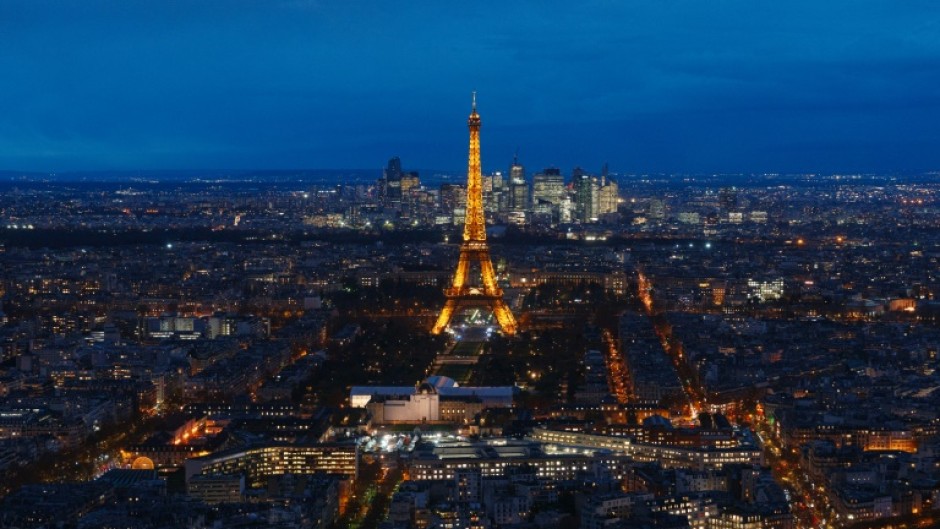
France holds off Spain as world's tourist favourite


PARIS - Olympic host France retained its spot as the world's top tourist destination in 2024 with 100 million visitors, holding off stiff competition from countries including Spain.

As world tourism returned to pre-pandemic levels with 1.4 billion people taking a trip abroad, according to the UN, both France and Spain announced record visitor numbers.

"While France is still the world leader in this sector, we are facing fierce competition, particularly from Spain," said French Tourism Minister Nathalie Delattre in an interview on Tuesday with the daily Le Figaro.


Spain said last week that a record 94 million foreign tourists flocked to the Iberian nation in 2024, a 10 percent increase from the previous year.

France, which hosted the Olympic Games in July - September 2024, welcomed two more million visitors in 2024, an increase of two percent compared with 2023.

But although France had more visitors, they spent less than those in Spain -- 71 billion euros ($74-billion) compared with 126 billion euros in Spain.

"We need to work to increase the average each visitor spends and get our visitors to stay longer," Delattre said.

France's takings from international tourists rose by a total of 12 percent year-on-year, driven largely by Belgian, English, German, Swiss and US citizens, the tourism ministry said in a statement.

Overnight stays by US tourists rose by five percent, the ministry added, calling the Americans "a key clientele" with strong purchasing power.

Despite the return of customers from Asia, the number of Chinese visitors to France remained 60 percent lower than before the pandemic.

Thirty percent fewer Japanese visited the country than in 2019.

Good snowfall in late 2024 meanwhile drove a rebound for the end-of-year holidays as snow sports lovers flocked to the French ski slopes."The outlook for the first quarter of 2025 is very good, with visitor numbers on the rise," the ministry statement added. France holds off Spain as world's tourist favourite
Read More........

The New 7 Wonders of the World

The Pyramid at Chichén Itzá (before 800 A.D.) Yucatan Peninsula, Mexico
MEXICO: Chichén Itzá, the most famous Mayan temple city, served as the political and economic center of the Mayan civilization. Its various structures - the pyramid of Kukulkan, the Temple of Chac Mool, the Hall of the Thousand Pillars, and the Playing Field of the Prisoners – can still be seen today and are demonstrative of an extraordinary commitment to architectural space and composition. The pyramid itself was the last, and arguably the greatest, of all Mayan temples.
Christ Redeemer (1931) Rio de Janeiro, Brazil
BRAZIL: This statue of Jesus stands some 38 meters tall, atop the Corcovado mountain overlooking Rio de Janeiro. Designed by Brazilian Heitor da Silva Costa and created by French sculptor Paul Landowski, it is one of the world’s best-known monuments. The statue took five years to construct and was inaugurated on October 12, 1931. It has become a symbol of the city and of the warmth of the Brazilian people, who receive visitors with open arms.
The Roman Colosseum (70 - 82 A.D.) Rome, Italy
ITALY: This great amphitheater in the centre of Rome was built to give favors to successful legionnaires and to celebrate the glory of the Roman Empire. Its design concept still stands to this very day, and virtually every modern sports stadium some 2,000 years later still bears the irresistible imprint of the Colosseum's original design. Today, through films and history books, we are even more aware of the cruel fights and games that took place in this arena, all for the joy of the spectators.
The Taj Mahal (1630 A.D.) Agra, India
INDIA: This immense mausoleum was built on the orders of Shah Jahan, the fifth Muslim Mogul emperor, to honor the memory of his beloved late wife. Built out of white marble and standing in formally laid-out walled gardens, the Taj Mahal is regarded as the most perfect jewel of Muslim art in India. The emperor was consequently jailed and, it is said, could then only see the Taj Mahal out of his small cell window.
The Great Wall of China (220 B.C and 1368 - 1644 A.D.) China
CHINA: The Great Wall of China was built to link existing fortifications into a united defense system and better keep invading Mongol tribes out of China. It is the largest man-made monument ever to have been built and it is disputed that it is the only one visible from space. Many thousands of people must have given their lives to build this colossal construction.
Petra (9 B.C. - 40 A.D.), Jordan
JORDAN: On the edge of the Arabian Desert, Petra was the glittering capital of the Nabataean empire of King Aretas IV (9 B.C. to 40 A.D.). Masters of water technology, the Nabataeans provided their city with great tunnel constructions and water chambers. A theater, modelled on Greek-Roman prototypes, had space for an audience of 4,000. Today, the Palace Tombs of Petra, with the 42-meter-high Hellenistic temple facade on the El-Deir Monastery, are impressive examples of Middle Eastern culture.
Machu Picchu (1460-1470), Peru
PERU: In the 15th century, the Incan Emperor Pachacútec built a city in the clouds on the mountain known as Machu Picchu ("old mountain"). This extraordinary settlement lies halfway up the Andes Plateau, deep in the Amazon jungle and above the Urubamba River. It was probably abandoned by the Incas because of a smallpox outbreak and, after the Spanish defeated the Incan Empire, the city remained 'lost' for over three centuries. It was rediscovered by Hiram Bingham in 1911. Source: Article
Read More........

Italy’s Tourist Spots Are More Crowded Than Ever–But These Alternatives Are Also Breathtaking

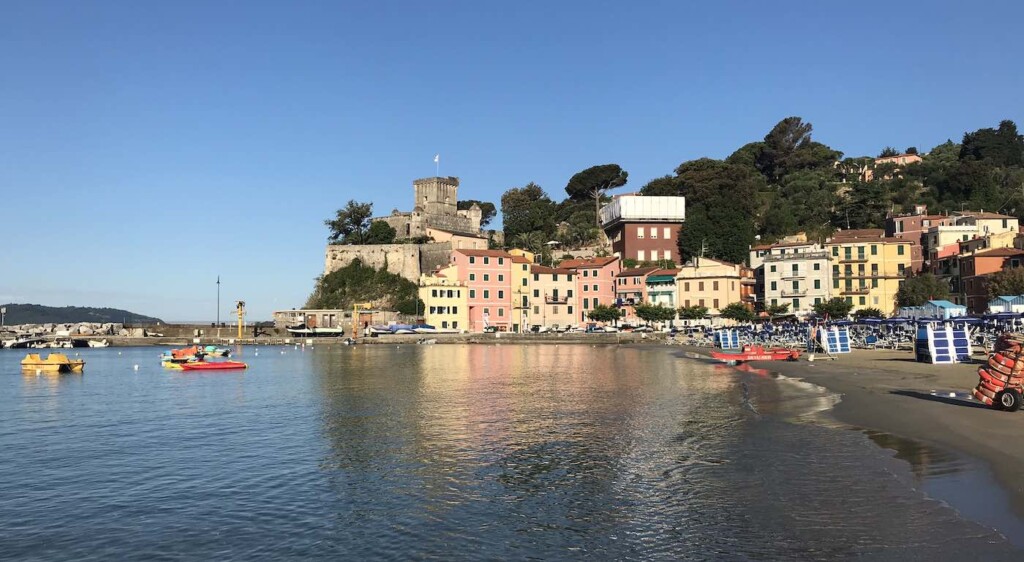
Public beach at Lerici in Italy is the Ante-Cinque Terre © Andrew Corbley

Reprinted with permission from World At Large, a news website of nature, politics, science, health, and travel.

With the high season in Europe underway, many famous cities are already analyzing the results of new controls and taxes on tourism to manage overcrowding. The movement towards hindering tourism is nothing short of unprecedented.

One quote from AP is particularly jarring.

“Tourists are waiting more than two hours to visit the Acropolis in Athens,” it read. “Taxi lines at Rome’s main train station are running just as long. And so many visitors are concentrating around St. Mark’s Square in Venice that crowds get backed up crossing bridges—even on weekdays”.

But this year is just a demonstration. Come 2025, even more protocols will be implemented, including an EU-wide travel authorization system that will rake in tens of millions of euros and allow offenders of various tourist control measures to be easily identified.

There has never been a better time to look for B, or even C-list cities in Europe, and in fact there are many advantages to doing so.They are easier on the wallet—though this doesn’t mean you have to skip first-class attractions.
They offer a surprise—and a more unique window into a country’s culture, both those of the locals and of the nation.
They also allow a visitor to bring home an experience their friends and colleagues are unlikely to have had.

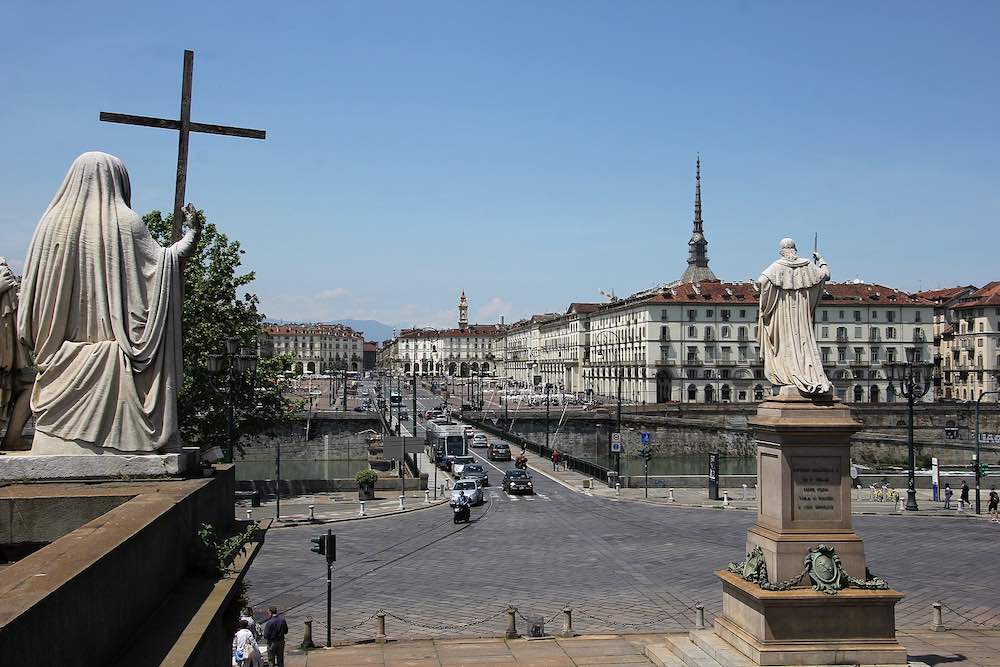
Piazza Vittorio Veneto in Turin – by Gianni Careddu, CC BY SA 4.0 license

Italy — the land of overtourism

Hoping to escape tourists in Italy is like moving a house next to a termite nest and hoping to escape termites. To see Venice, Rome, Naples, Florence, or Milan, visitors must be ready to bear the tourists, controls, and taxes.

Even if you visit a secondary B-list city, like Trieste, Siena, Genova, Lucca, or Verona, there’s no guarantee of escaping tourists. The city footprint is smaller, so the tourists may seem to be closer together.


In Rome, the city is now charging for entry to the Pantheon, and controlling crowds at the Spanish Steps and Trevi Fountain. Florence is now deliberately shrinking the number of short-term vacation rental properties in the city, a measure also implemented already in Rome that may lead to a price spike for accommodations.

Venice is doing the same but to an even greater degree. They’re also trialing a new access tax for day-trippers and regulating tourist group sizes to 25. The Guardian reports that €250 fines have been implemented for simply sitting down on the famous Spanish Steps in Rome.

Consider leaving all this behind for the city of Torino (Turin). The capital of the Piedmont region of Italy. This B-list destination is beautiful, spacious, and verdant—especially because a tree-planting program in the city has added two million urban trees.

Although last year the city saw record numbers of tourists—including the first time that international tourists overtook domestic ones—images from local papers reveal the size of the ‘crowds’ at the peak season, and lengths of the ‘lines’, which are quite modest.

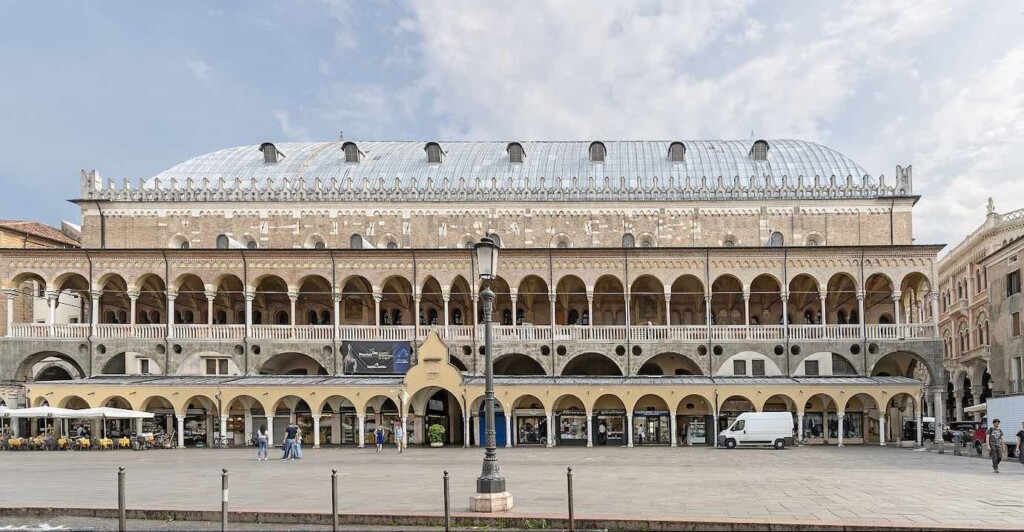
The Palazzo della Ragione in Padua is the old seat of the city administration and courts – View from Piazza della Frutta during high season by Didier Descouens CC BY SA 4.0

Yet, Turin is a big city—just a little smaller than Bologna, and though it’s one of the 250 most visited cities worldwide, it’s merely the 10th most frequented in Italy. The per-night tourist tax at €3.70 per person for 4-star accommodations is half of Rome’s, and one-third less than Naples.

Do a search and gaze at the gorgeous scenery of Turin, which shares much of the iconic imagery of Florence and Verona, i.e. stunning plazas, a beautiful and broad riverside, and important museums.

Follow up with a visit to Padua, in Veneto, where there is no tourist tax to speak of. This hidden gem is just a 40-minute drive from the Venice airport and has been a center of higher learning and scholarship since the Middle Ages. It contains the oldest university in Europe, and perhaps the world’s oldest botanical garden for the purposes of scientific research.

Alongside numerous architectural treasures and achingly beautiful 14th-century frescoes that are recognized as a UNESCO World Heritage Site, it’s a mystery that Padua is not more frequented.

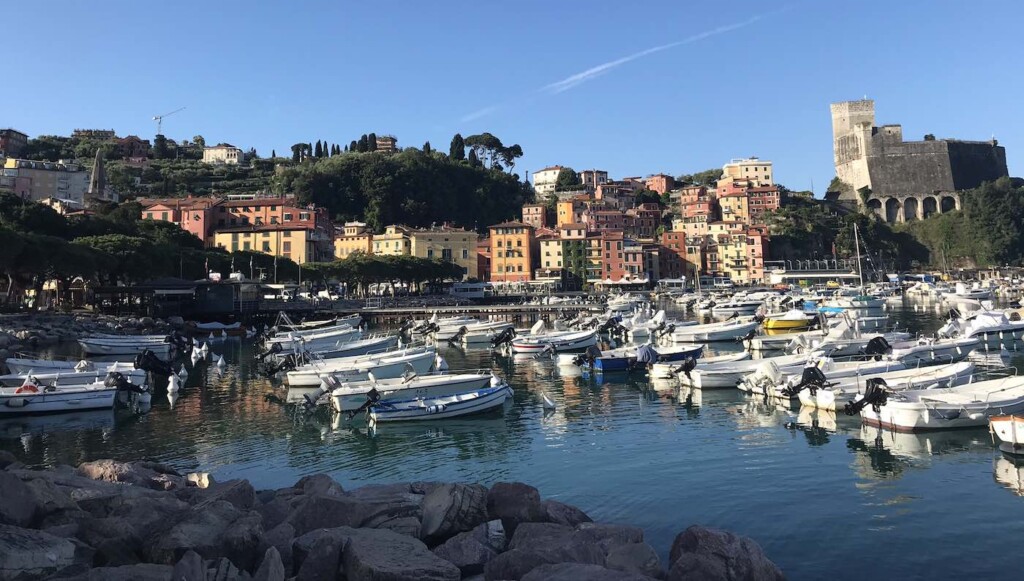
A view across the harbor at Lerici in Italy – © Andrew Corbley

The Ante-Cinque Terre

Forbes reports that the problem of overcrowding is equally as bad, if not worse, in the small towns of Cinque Terre in Liguria, with congestion at Portofino—what is essentially a fishing village nestled in a sheltered cove—being so bad that anyone stopping to take so much as a photograph in a way that is intrusive or obstructive can be fined up to €275.

That’s a pittance compared to the €2,500 fine you will receive for walking the paths above the Cinque Terre in flip-flops or sandals. The Italian authorities mean business—behave yourself, or begone… There are good options, however, if you take them up on that offer.

If the sea is a must in your holiday plan, consider the Ante-Cinque Terre, an area south of the major city of La Spezia with very similar scenery, but perhaps one-third of the visitors. Much like Cinque Terre, this area is defined by small municipalities on the seaside, painted a variety of colors.

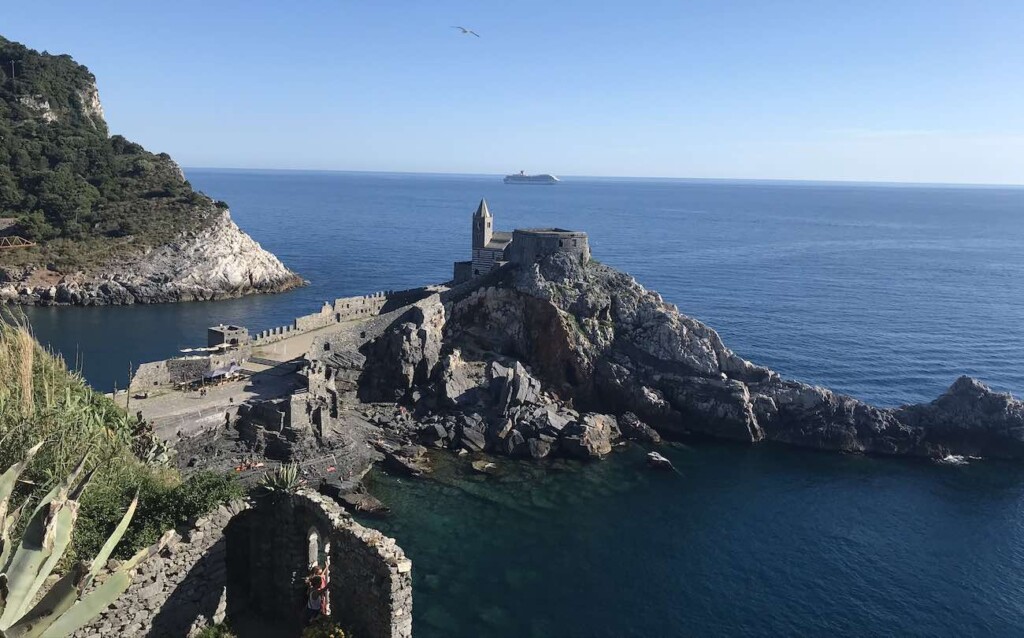
The route includes Fezzano, Le Grazie, Portovenere, Lerici (pictured at the top), Tellaro, and Montemarcello, which together line the shores in a curve around an aquatic feature called il Golfo dei Poeti, because it was here that the famous Romanticists Percy Shelly and Lord Byron both stayed for long periods during their exiles from Britain.

Portovenere’s iconic chapel on the rocks at the end of the port – ©Andrew Corbley

This author has seen both versions of Cinque Terre, and the differences are minimal, with perhaps the only exception being the verticality of the Cinque Terre villages adding to their drama.

But some of the towns in the Ante-Cinque Terre, like Le Grazie and Tellaro, are still just towns—exactly like Cinque Terre used to be before Rick Steves announced their stupendous presence to the world. Italy’s Tourist Spots Are More Crowded Than Ever–But These Alternatives Are Also Breathtaking
Read More........

Italy’s Tourist Spots Are More Crowded Than Ever–But These Alternatives Are Also Breathtaking

Public beach at Lerici in Italy is the Ante-Cinque Terre © Andrew Corbley

Reprinted with permission from World At Large, a news website of nature, politics, science, health, and travel.

With the high season in Europe underway, many famous cities are already analyzing the results of new controls and taxes on tourism to manage overcrowding. The movement towards hindering tourism is nothing short of unprecedented.

One quote from AP is particularly jarring.

“Tourists are waiting more than two hours to visit the Acropolis in Athens,” it read. “Taxi lines at Rome’s main train station are running just as long. And so many visitors are concentrating around St. Mark’s Square in Venice that crowds get backed up crossing bridges—even on weekdays”.

But this year is just a demonstration. Come 2025, even more protocols will be implemented, including an EU-wide travel authorization system that will rake in tens of millions of euros and allow offenders of various tourist control measures to be easily identified.

There has never been a better time to look for B, or even C-list cities in Europe, and in fact there are many advantages to doing so.
  • They are easier on the wallet—though this doesn’t mean you have to skip first-class attractions.
  • They offer a surprise—and a more unique window into a country’s culture, both those of the locals and of the nation.
  • They also allow a visitor to bring home an experience their friends and colleagues are unlikely to have had.

Piazza Vittorio Veneto in Turin – by Gianni Careddu, CC BY SA 4.0 license

Italy — the land of overtourism

Hoping to escape tourists in Italy is like moving a house next to a termite nest and hoping to escape termites. To see Venice, Rome, Naples, Florence, or Milan, visitors must be ready to bear the tourists, controls, and taxes.

Even if you visit a secondary B-list city, like Trieste, Siena, Genova, Lucca, or Verona, there’s no guarantee of escaping tourists. The city footprint is smaller, so the tourists may seem to be closer together.


In Rome, the city is now charging for entry to the Pantheon, and controlling crowds at the Spanish Steps and Trevi Fountain. Florence is now deliberately shrinking the number of short-term vacation rental properties in the city, a measure also implemented already in Rome that may lead to a price spike for accommodations.


Venice is doing the same but to an even greater degree. They’re also trialing a new access tax for day-trippers and regulating tourist group sizes to 25. The Guardian reports that €250 fines have been implemented for simply sitting down on the famous Spanish Steps in Rome.

Consider leaving all this behind for the city of Torino (Turin). The capital of the Piedmont region of Italy. This B-list destination is beautiful, spacious, and verdant—especially because a tree-planting program in the city has added two million urban trees.

Although last year the city saw record numbers of tourists—including the first time that international tourists overtook domestic ones—images from local papers reveal the size of the ‘crowds’ at the peak season, and lengths of the ‘lines’, which are quite modest.

The Palazzo della Ragione in Padua is the old seat of the city administration and courts – View from Piazza della Frutta during high season by Didier Descouens CC BY SA 4.0

Yet, Turin is a big city—just a little smaller than Bologna, and though it’s one of the 250 most visited cities worldwide, it’s merely the 10th most frequented in Italy. The per-night tourist tax at €3.70 per person for 4-star accommodations is half of Rome’s, and one-third less than Naples.

Do a search and gaze at the gorgeous scenery of Turin, which shares much of the iconic imagery of Florence and Verona, i.e. stunning plazas, a beautiful and broad riverside, and important museums.

Follow up with a visit to Padua, in Veneto, where there is no tourist tax to speak of. This hidden gem is just a 40-minute drive from the Venice airport and has been a center of higher learning and scholarship since the Middle Ages. It contains the oldest university in Europe, and perhaps the world’s oldest botanical garden for the purposes of scientific research.

Alongside numerous architectural treasures and achingly beautiful 14th-century frescoes that are recognized as a UNESCO World Heritage Site, it’s a mystery that Padua is not more frequented.

A view across the harbor at Lerici in Italy – © Andrew Corbley

The Ante-Cinque Terre

Forbes reports that the problem of overcrowding is equally as bad, if not worse, in the small towns of Cinque Terre in Liguria, with congestion at Portofino—what is essentially a fishing village nestled in a sheltered cove—being so bad that anyone stopping to take so much as a photograph in a way that is intrusive or obstructive can be fined up to €275.

That’s a pittance compared to the €2,500 fine you will receive for walking the paths above the Cinque Terre in flip-flops or sandals. The Italian authorities mean business—behave yourself, or begone… There are good options, however, if you take them up on that offer.

If the sea is a must in your holiday plan, consider the Ante-Cinque Terre, an area south of the major city of La Spezia with very similar scenery, but perhaps one-third of the visitors. Much like Cinque Terre, this area is defined by small municipalities on the seaside, painted a variety of colors.

The route includes Fezzano, Le Grazie, Portovenere, Lerici (pictured at the top), Tellaro, and Montemarcello, which together line the shores in a curve around an aquatic feature called il Golfo dei Poeti, because it was here that the famous Romanticists Percy Shelly and Lord Byron both stayed for long periods during their exiles from Britain.

Portovenere’s iconic chapel on the rocks at the end of the port – ©Andrew Corbley

This author has seen both versions of Cinque Terre, and the differences are minimal, with perhaps the only exception being the verticality of the Cinque Terre villages adding to their drama.

But some of the towns in the Ante-Cinque Terre, like Le Grazie and Tellaro, are still just towns—exactly like Cinque Terre used to be before Rick Steves announced their stupendous presence to the world. Italy’s Tourist Spots Are More Crowded Than Ever–But These Alternatives Are Also Breathtaking
Read More........