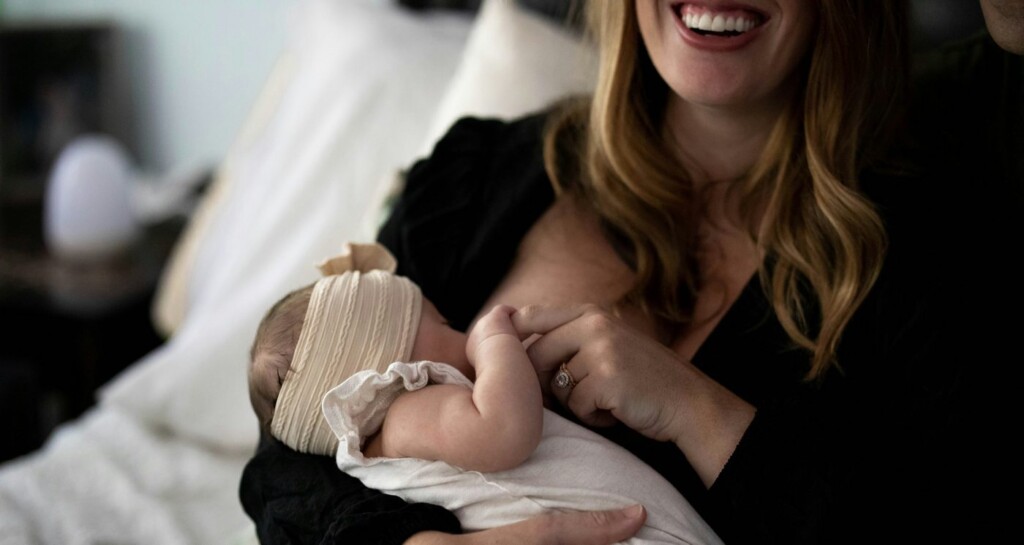
It’s hard to describe what it feels like to become a mum, but it has a name: matrescence

“Completely life-changing”. “Nothing could have fully prepared me”. These are the sorts of phrases you often hear from women when they become a mother.

These descriptions can point to the complexity and depth of the experience. It can be joyous and stressful, exhausting and euphoric, profound and mundane. It’s unlike any other life transition, and – try as we might – hard to capture in words or short phrases.

It turns out, though, there is a word for this process of becoming a mother: matrescence.

It’s a simple but powerful concept that’s changing the way we think about mothering. Here’s what matrescence means and how the concept can help mothers and those supporting them to navigate and understand this time of life.

Where did the term come from?

The term matrescence was coined in a 1973 essay by medical anthropologist Dana Raphael to describe the transition to motherhood. Raphael found most cultures had rites of passage that recognised “the time of mother-becoming”. However, Western countries such as the United States and Australia tended not to.

These practices, which vary depending on the cultural setting, have something in common. They acknowledge that, like adolescence, becoming a mother is a complex experience that brings a period of learning and transformation.

Raphael also coined the term “patrescence”, which, while not the focus of her study, recognised that fathers and other parents also go through a period of transition.

It would take decades, but matrescence made it into the public consciousness in 2017 in an article and widely-viewed TED Talk by reproductive psychiatrist Alexandra Sacks. Books, podcasts and media coverage have abounded since.

What changes during matrescence?

Most public discussion of matrescence still tends to centre the challenges of mothering, for example postpartum depression and anxiety.

But there is increasing interest in the many kinds of changes experienced in matrescence, such as dramatic brain changes or the phenomenon of microchimerism, where foetal cells from pregnancy can remain in the mother’s body, and vice versa.

Research on these phenomena matter not just scientifically, but philosophically.

Other body changes include powerful hormonal changes in pregnancy, birth, and postpartum. There’s also research looking at how having children and breastfeeding can reduce the risk of breast cancer.

Much of this research is emerging, which is unsurprising given historical and ongoing medical misogyny.

More than physical changes

Mothers can also experience significant shifts in identity, including changes in personal values, new priorities, or a sense of loss for other parts of themselves.

Mothers encounter new social dynamics and peer groups, too. The new social identities of “mother” or “mum” (or the markers “working mum” or “stay-at-home mum”) introduce new expectations, norms and ideals.

Relationship dynamics with partners, friends and family can shift significantly.

Mothers can also experience an expansive new relationship with their baby, though this might be sentimentalised or downplayed by others.

Other new emotional experiences, ranging from intense love and gratitude to “mum guilt” and “mum rage”, can arise, too, sometimes leading to maternal ambivalence.

New sensory experiences such as breastfeeding and physical contact can lead mothers to feeling overstimulated or “touched out”, but can also bring joy.

Women also take on a new political and economic identity when becoming mothers. In 2025, mothers are often expected to remain ideal workers in the paid workforce, sometimes navigating a return to paid work while caring for an infant and performing the bulk of crucial unpaid reproductive household labour and care.

This juggle can lead to maternal burnout and negative impacts on mothers’ wellbeing.

This all contributes to the “motherhood penalty” – the well-documented, entrenched and persistent economic injustice experienced by mothers.

Matrescence is a term that helps to capture the breadth of these experiences in all their enormity and complexity.

The oppression of ‘motherhood’

Matrescence doesn’t happen in a vacuum. As Raphael’s original essay showed, it’s shaped by many cultural, economic, and political factors. It’s not the same for every mother.

In her 1976 landmark feminist study on mothering, North American writer and poet Adrienne Rich made the useful distinction between the experience of mothering and what she described as the patriarchal institution of motherhood.

It was the institution of motherhood, Rich argued, that oppressed mothers, not mothering itself. The flipside of this argument was that a liberating motherhood was possible under different conditions.

Feminist scholar Adrienne Rich distinguished between mothering and the institution of motherhood. Colleen McKay/Wikimedia Commons, CC BY-SA

When it comes to matrescence, the institution of motherhood in Western societies like Australia tends to sideline the experience of mothers, and the transition to motherhood is still largely experienced in isolation and silence.

Often, a focus on the baby overshadows the maternal-infant relationship or the needs of the mother, with many new mothers feeling unsupported or invisible.

New mothers are also often expected to live up to the “good mother” ideal by being totally self-sacrificing or naturally competent at mothering.

Societal norms can overlook the transitional and transformative period of matrescence, with mothers urged to “bounce back” – either by returning to a “pre-baby” body shape or by promptly getting back to paid work in the same capacity as before giving birth.

These experiences are exacerbated by a range of factors, including class, race, partnered status, sexual orientation and life stage, among others.

How does matrescence help?

While the concept of matrescence has become popular among some mothers and those working in maternal wellbeing, wider awareness of the term and the many changes new mothers experience is important.

For mothers, just knowing the concept can help by normalising what they might be experiencing. It can also help those who are pregnant or considering having a baby to prepare for motherhood.

But it can also help us to recognise that becoming a mother is not just a matter of flicking a switch, but a long and profound process of change that requires supportive conditions.

For individual mothers and families, this might mean friends and family offering to provide food or household help (rather than visiting just to hold the new baby).

Collectively, it means broader social changes, including changing cultural attitudes and better social, economic, and health policies to support mothers and families. These should recognise that when a baby is born, so is a mother.The Conversation

Belinda Eslick, Honorary Research Fellow, The University of Queensland; Fabiane Ramos, Lecturer, University of Southern Queensland, and Laura Roberts, Senior Lecturer in Women's and Gender Studies, Flinders University

This article is republished from The Conversation under a Creative Commons license. Read the original article.

Read More........

Amputee Thrilled With Hand Transplant is Now Left-handed: ‘Feels so incredible, as if I’ve had it my whole life’

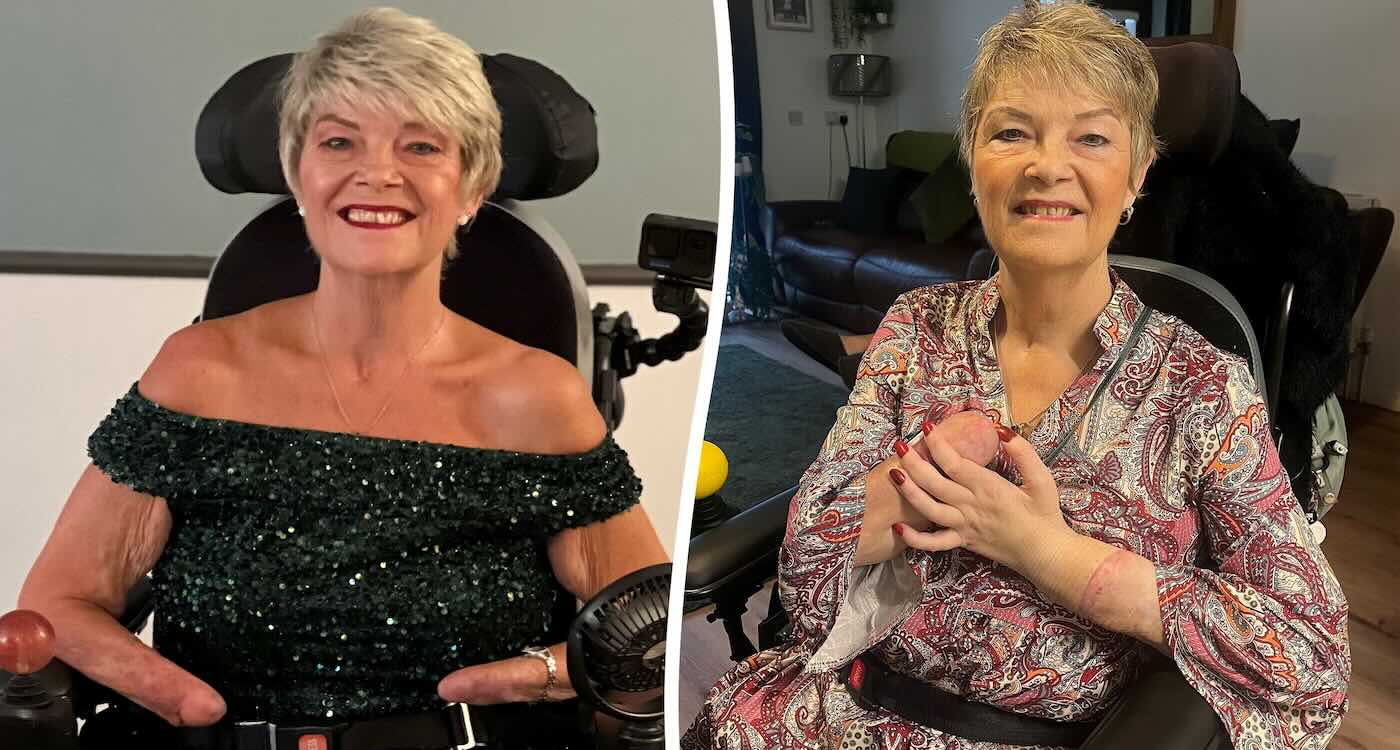
Amputee Kim Smith pre- and post-transplant – SWNS

A woman who lost all her limbs after contracting an infection and getting sepsis while on vacation in Spain eight years ago is now thrilled after receiving a new hand.

Kim Smith and her doctors were trying for a double hand transplant during the 14-hour surgery, but the right hand had to be abandoned. Despite that, she’s ‘over the moon’ and has declared herself now to be left-handed.

“I was right-handed, but now I just do everything left-handed and it came naturally,” said the 64-year-old. “I have even written with my left hand.”

“I am absolutely over the moon about my new arm, because it feels so incredible, almost as if I’ve had it my whole life.”

The woman from Buckinghamshire, England, even joked how her husband Steve was going to buy her new wedding and engagement rings because the fingers of her new hand were slightly bigger.

“I’ve gone full-on glass-half-full now—just grateful that at least one transplant worked,” Kim told SWNS news agency.

“The hand itself is perfect—and beautiful—and looks like it’s meant to be mine.”

Kim Smith after hand transplant – SWNS

Kim described how she was overjoyed when she first saw her new hand, and has been amazed how quickly she’s been able to use it.

“I honestly didn’t expect to be able to do so much so soon, even though motor skills can take a year or so to come back—four years until I get full feeling.

“I’m already picking things up and managing to clean my teeth, do my hair, and put on my makeup.

“The day after the operation, when they finally unbandaged the arm and let me very gently move my fingertips, it felt absolutely incredible because I could feel myself moving it, and from that moment it has just gone from strength to strength.”

“I was most excited to brush my teeth and feed myself again because holding a toothbrush or a fork—and actually being able to use it—felt like the loveliest little miracle after being told for so long that ‘it might never work’.
Kim Smith – SWNS

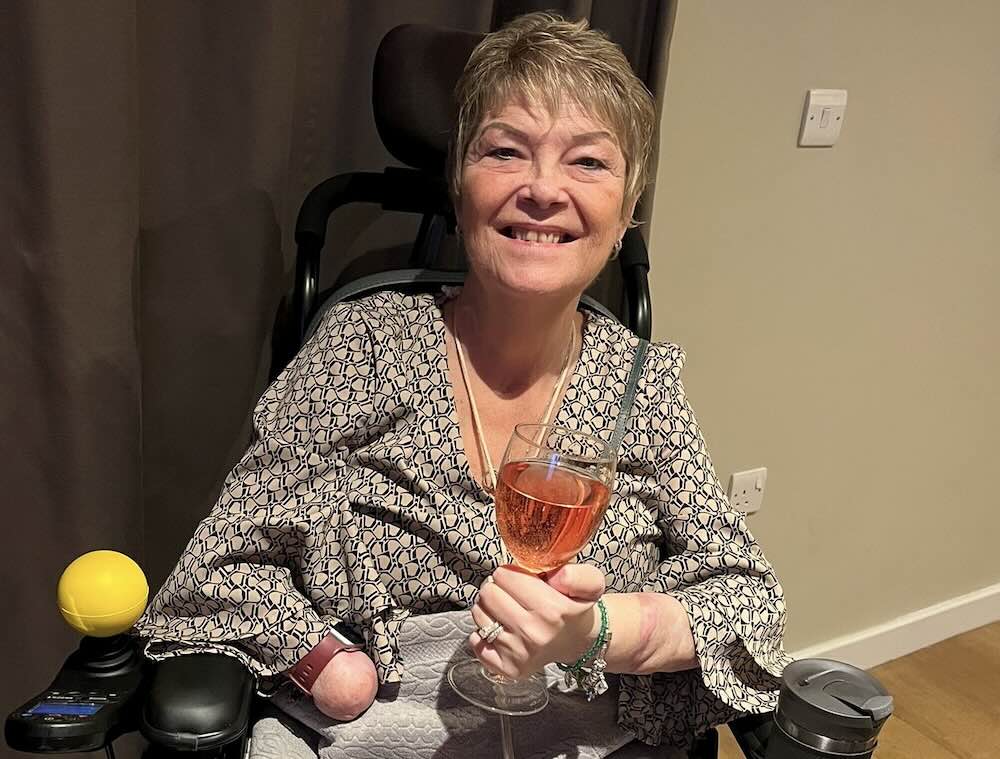
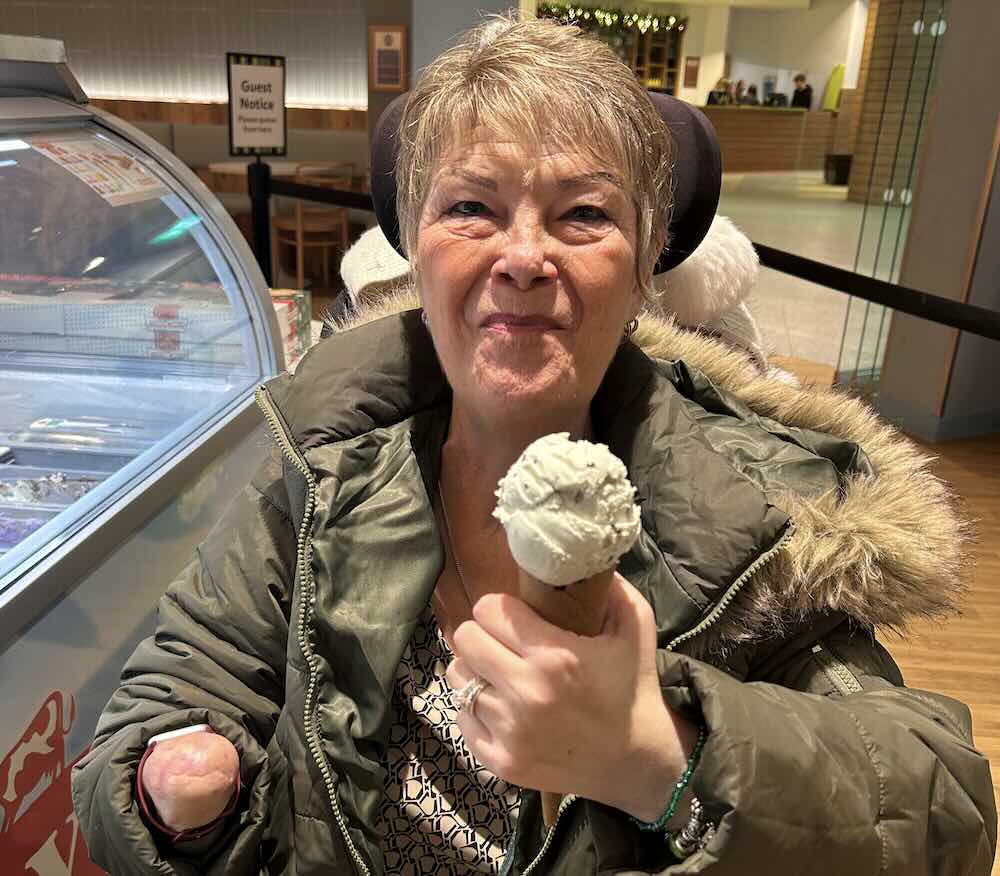
“The first time I picked up a glass of wine with no problem and then held an ice cream without dropping it, I was in disbelief at how far I’d already come.”

Kim has pretty much given up on her dream of having two hands, but is happy with her lovely new left hand.

“While I never say never about a right-hand transplant, I’m 64, now and it would mean waiting another year even to be considered.”

“I’m honestly just happy to have this one for the rest of my life because it’s already giving me so much independence.

“I don’t know who the donor was, but I’ve written to their family to say how grateful I am, knowing they’re grieving and (they) might not reply.

“Meanwhile I’m regaining strength little by little, able to hold my phone, type on it, and wear my Pandora bracelet again.”

Kim’s transplant was carried out by Professor Simon Peter Jabir Kay OBE at Leeds Teaching Hospitals NHS Trust, who commented on the surgery.

“Hands are so much more than mechanical parts, they play an irreplaceable role in human communication and connection, and so it is always an honor to be able to carry out such a life-changing surgery.

“Kim faced unexpected and severe complications during surgery which meant we could only successfully complete one hand transplant, not the double replacement we had hoped to carry out.”

“Nonetheless her recovery has been remarkable.”

“It is heart-warming to see how much her life has changed with her new hand, thanks to the generosity of her donor and their family.”Kim’s journey of overcoming tragedy is the subject of The Gift, a powerful new Sky News documentary released a week ago. You can watch it here on YouTube, or watch the trailer below… Amputee Thrilled With Hand Transplant is Now Left-handed: ‘Feels so incredible, as if I’ve had it my whole life
Read More........

Study decodes how females and males experience depression

(Photo: AI generated image/IANS)

New Delhi, (IANS) A team of Australian researchers has decoded important genetic differences in how females and males experience depression for the first time, an advance that could pave the way for more targeted intervention and treatments.

In the study, published in Nature Communications, scientists found that genetic factors contribute more to depression risk in females than in males.

The team from QIMR Berghofer Medical Research Institute discovered about twice as many genetic "flags" for depression in the DNA of females as they did in that of males.

"We already know that females are twice as likely to suffer from depression in their lifetime than males," said Dr. Brittany Mitchell, Senior Researcher at QIMR Berghofer's Genetic Epidemiology Lab.

"And we also know that depression looks very different from one person to another. Until now, there hasn't been much consistent research to explain why depression affects females and males differently, including the possible role of genetics," Mitchell added.

The team identified about 7,000 changes in the DNA that could cause depression in both sexes, and about a further 6,000 DNA changes (a total of 13,000) that could cause depression in females only.

Researcher Dr. Jodi Thomas said the study also pinpointed how depression could show up differently for females and males.

The team found that the genetic factors linked to depression overlap more with those associated with metabolic traits in females.

"We found some genetic differences that may help explain why females with depression more often experience metabolic symptoms, such as weight changes or altered energy levels."

For the largest global study of its kind, the scientists analysed DNA from hundreds of thousands of people with and without depression, including around 130,000 females and 65,000 males with depression.

The changes in DNA that the scientists have identified are genetic differences people are born with, not changes that happen because of life experiences.

Traditionally, most drug trials and therapies are tested on males, but Drs Mitchell and Thomas hope their work will also translate to a greater clinical understanding of female depression.

"Unpacking the shared and unique genetic factors in males and females gives us a clearer picture of what causes depression -- and opens the door to more personalized treatments," Dr. Thomas said.The findings highlight the importance of considering sex-specific genetic influences in studying depression and other health conditions. Study decodes how females and males experience depression | MorungExpress | morungexpress.com
Read More........

Childbirth and Breastfeeding Can Reduce Breast Cancer Risk Shows New Study

– credit Leighann Blackwood

Scientists in Australia, which endures the highest rates of breast cancer in the world, have presented multiple lines of evidence to suggest that breastfeeding and childbearing reduces a woman’s risk for developing breast cancer.

The scientists started by first pointing out that as far back as 300 years ago, people noted that women who didn’t have children—nuns, in this case—suffered from the highest rates of breast cancer in society.

More modern research confirmed these early observations, but the mechanism behind why that might be remained hidden. While previously hypothesized to be the work of hormonal shifts, the answer now seems clear: breastfeeding works on the human immune system.

“Pregnancy and breastfeeding leave behind long-lived protective immune cells in the breast and the body, and these cells help to reduce risk and improve defense against breast cancer, particularly triple-negative breast cancer,” Professor Sherene Loi, a medical oncologist and lead author on the research, told ABC News Au.

Triple-negative breast cancer, one of several forms of the disease, is characterized by an absence of the three receptors commonly found on breast cancer cells. It’s common in younger women but is one of the less-common forms of the cancer, as well as the most lethal.


Cancer risk is determined by many factors, but Loi felt confidant is ascribing the decision by many modern women around the world to delay pregnancy and shorten, or even abandon breastfeeding, as contributing to cancer risk.

A study published last week in Nature found that women who had children and breastfed had more T cells in their breast tissue, which “act like local guards, ready to attack abnormal cells that might turn into cancer,” Loi said.

T cells are those which are activated to fight cancer in the Nobel Prize-winning treatment known as CAR-T cell therapy, and these were found to be more plentiful in the breast tissue of women who breastfed or had children, and that these elevated T cell counts were conserved for years and years after the mother had stopped breastfeeding.

To provide additional controls, Professor Loi and her co-authors performed a test with mice, implanting cancerous cells in the mammary fat of animals that had never reared offspring, that were rearing them, or who had had and finished rearing them.


Group 2 showed smaller tumor growth with a higher T cell count, while group 3—those who had reared and weened pups—showed the smallest tumors. To continue their tests, the scientists removed the T cells from the mammary tissue, and the cancer began to grow and spread unabated.

Lastly, the study presented an analysis on 2 papers totaling 1,000 women with triple-negative breast cancer to see if the effect in mice was replicated in humans.


“What we found is that women who had breastfed did better than those who had not breastfed, and their tumors actually had more immune cells … suggesting there was ongoing immune activation and regulation from the body against their breast cancer,” Professor Loi told ABC.

Though quantifying this protective effect is very nuanced, it seems that every child a woman has reduces her risk for breast cancer by 7%, and each 5 months of breastfeeding reduces it by an additional 2%.These are substantial differences when the average rate of breast cancer incidence is about 1 in 8 women Childbirth and Breastfeeding Can Reduce Breast Cancer Risk Shows New Study
Read More........

80-Year-Old Grandma Who Learned to Swim at 59 Just Became Oldest Ever Female Ironman Finisher

80-year-old Natalie Grabow becomes oldest female finisher in triathlon competition – Credit: Ironman

With every step toward the finish line, Natalie Grabow was proving it’s never too late to get started.

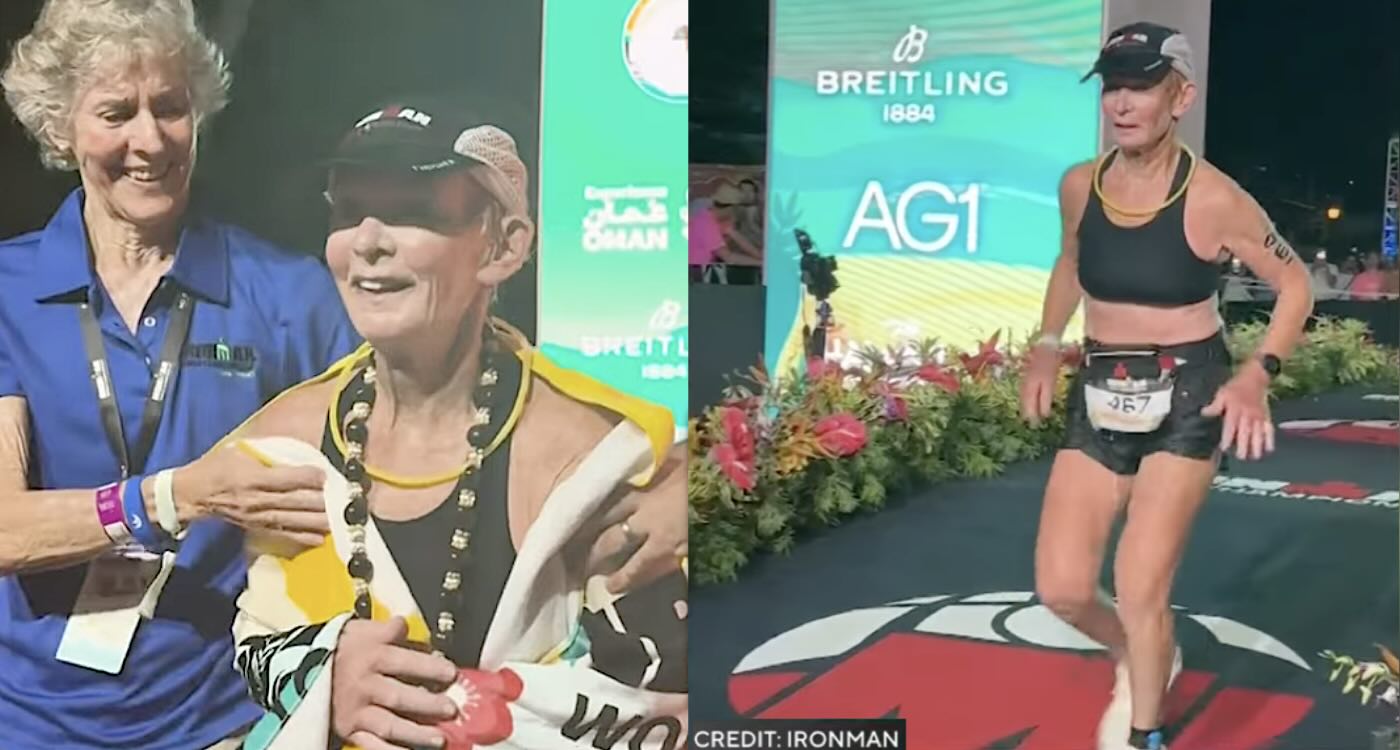
Earlier this month, the 80-year-old grandmother from Mountain Lakes, New Jersey, became the oldest woman to ever finish the punishing Ironman World Championship triathlon in Kailua-Kona, Hawaii.

She swam 2.4 miles—even though she never learned to swim until she was almost 60—then she pedaled 112 miles on a bicycle and immediately ran a full 26.2-mile marathon to make history. (Watch the video below…)

About 60 other competitors quit before they finished, all of them younger. Grabow did not.

“She’s truly gritty,” Grabow’s coach, Michelle Lake, told NPR. “Natalie is the definition of grit and gratitude: Grateful to make it to the start line, grateful to get to do something she loves everyday, and grateful to inspire so many others.”

Natalie’s story is even more impressive considering when she started.

She grew up in New Jersey long before Title IX vastly expanded the competitive opportunities for female athletes. A part of her that always existed lay dormant, just waiting for a chance.

“When you grow up and you don’t have those options, you know, you just watch the boys doing stuff and you’re just the cheerleader,” she told The Athletic. “It was just thrilling once I could do my first 5K and race and ride a bike with other people.”

As an adult, she worked as a software developer, played some doubles tennis, and eventually found running. The last hobby would prove to be a long-lasting love.

Running helped her form friendships and filled up her free time several days a week. Her friends eventually tried triathlons, but even in her 50s, Natalie didn’t know how to swim. Fortunately, she never once believed it was too late to start.


So, she became a mainstay at her local YMCA pool, using friends and books and videos, along with pure determination to learn some swimming strokes.

She improved enough to try a sprint triathlon and soon had her eyes on longer distances. Grabow worked on stretching and strength training. She cycled on an indoor exercise bike, ran at a nearby high school track, and kept swimming at the same place where she learned the skill late in life.

Twenty years ago, she finished her first half Ironman. A few years later, she graduated to the full-length version. And this past month, Grabow was tackling the famous Ironman triathlon course in Hawaii.

She swam 2.4 miles in Kailua Bay, using the freestyle strokes that escaped her for so long. She biked 112 miles in temperatures that peaked above 80 degrees. Then, came the marathon, 26.2 miles on a road course that gradually climbed more than 1,000 feet.

Just as she had many other times before, she kept moving forward, drawing closer and closer to her latest goal. It was just the latest obstacle in a life that has been searching them out, intent on surpassing them all.

Natalie crossed the finish line in 16 hours, 45 minutes and 26 seconds, becoming the oldest female to ever finish the Ironman World Championship in Hawaii. (See the moment below…)

“Absolutely incredible,” the PA announcer said to the spectators in attendance.

The senior is already searching for her next challenge. She signed up for a pair of Ironman races in 2026—and she may even take aim at the record set by Hiromu Inada, who at 85, became the oldest person to finish the Ironman World Championship in 2018.

“The important thing is that people see from my story that they can maybe push themselves a little bit, they can do a little more than they thought they could do,” she told The Athletic. “They can keep going longer than they thought they could go.”
It’s all proof that it doesn’t matter where you start. Or when. It’s about enjoying the journey — and finding your way to the finish line.80-Year-Old Grandma Who Learned to Swim at 59 Just Became Oldest Ever Female Ironman Finisher
Read More........

Britain’s Strongest Grandmother Breaks 4 World Records Just Months After Taking Up Powerlifting

Powerlifter Martine Barons competing in Squat at the European Championships – SWNS
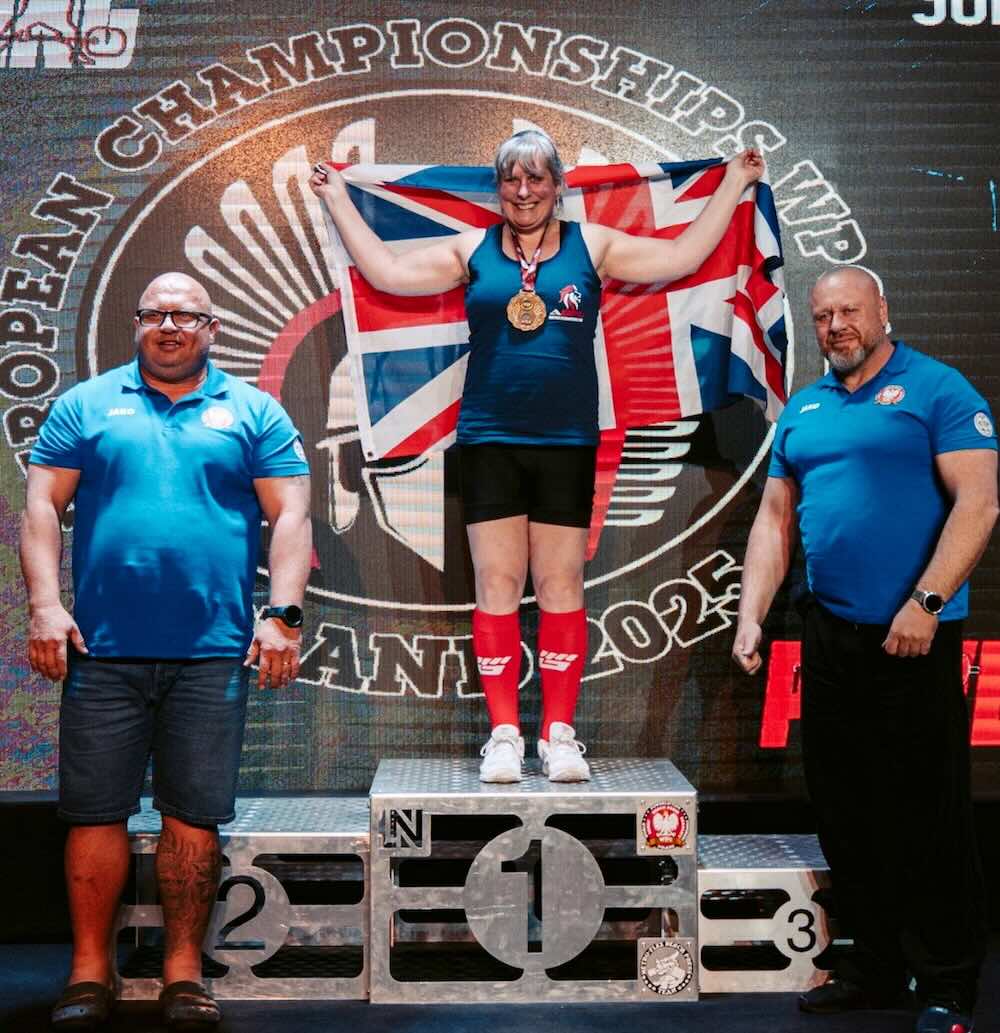
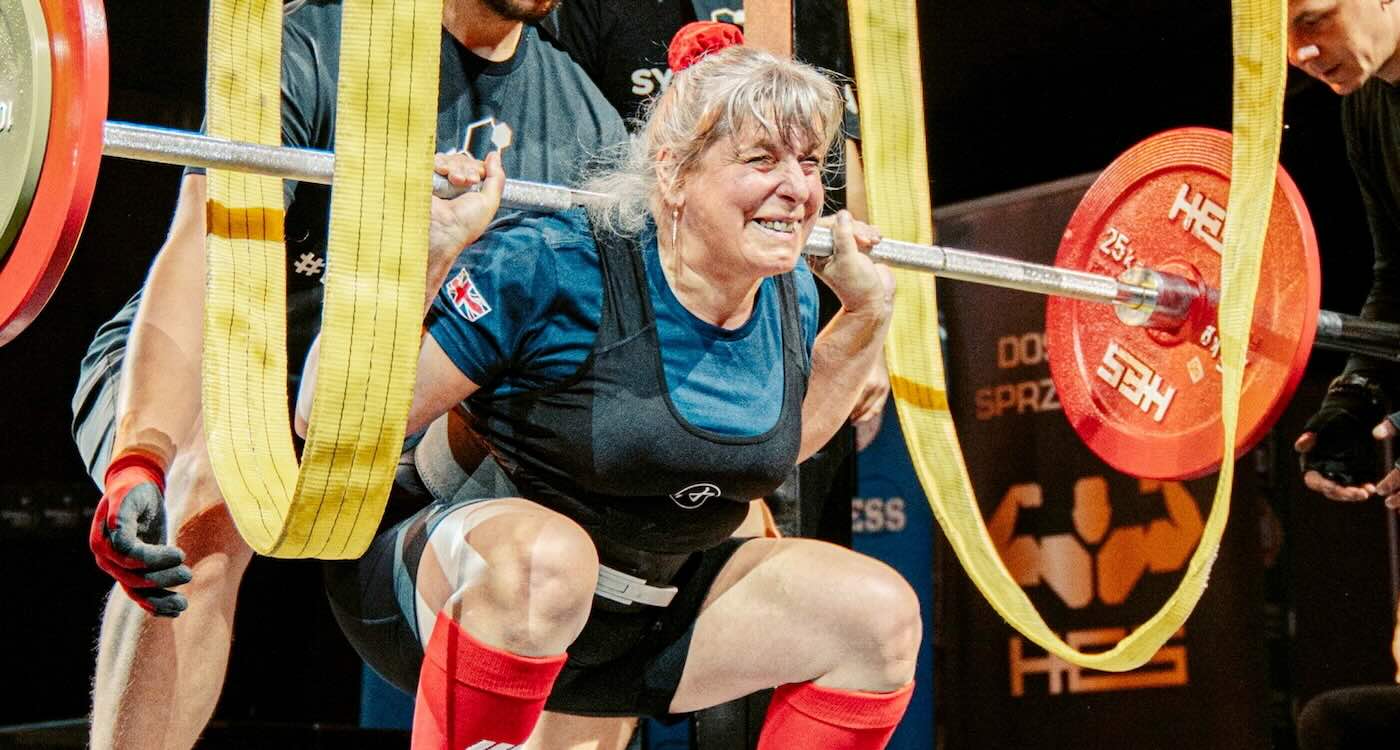
‘Britain’s strongest grandmother’ has broken four world records just 18 months after taking up powerlifting “by accident”.

At the age of 65, Martine Barons has become a four-time champion after lifting for Great Britain at the World and European Championships.

The 5-foot 6-inch mother-of-three with four grandchildren started lifting weights for fun back in December 2023 but soon realized she had a natural gift.

She’s since been training five times a week for two hours a day—all while working full-time as an academic researcher at Warwick University.

“I was surprised to find a talent for powerlifting at the age of 63 after being poor at sports all my life.

“I get enormous pleasure from training and competing—and the health benefits of increased strength and mobility are astonishing.”

She first won the European Championships in Finland last June before successfully defending her title again this June in Poland.

Twelve weeks later, she continued her winning streak in the U.S. at the World Powerlifting championship in Idaho. She previously won the 2024 World Championships in Limerick, Ireland, so all together she’s won four major titles in her division since taking up the sport.

Powerlifter Martine Barons on winners platform at European Championships – SWNS
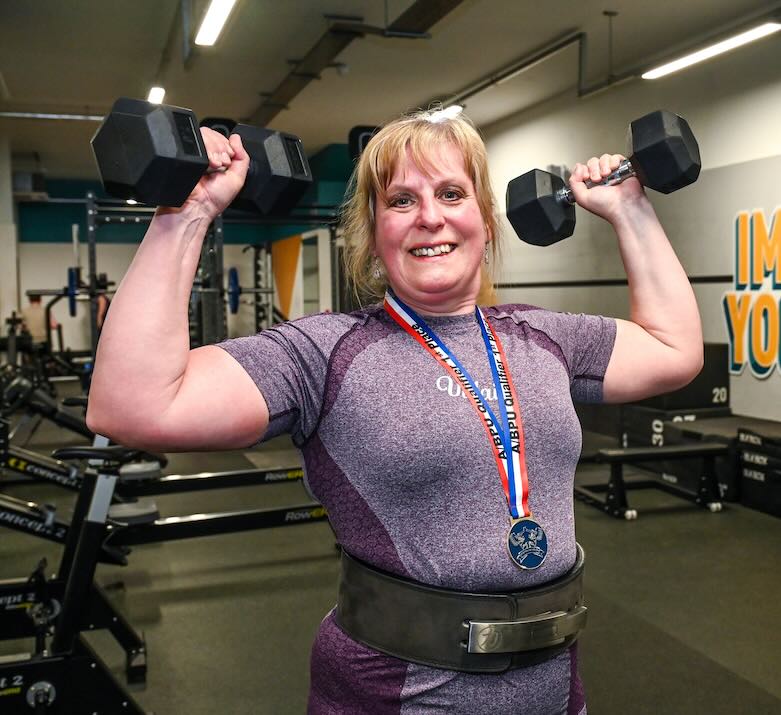
“It does make me happy and quite emotional to think about what I have managed to achieve. I never thought in the space of 18 months I could have achieved this.

“I have to pinch myself sometimes as I can’t believe it’s me. I’m still in shock, as it all started by chance, really.”

The married woman from Stratford-upon-Avon, in Warkshire, England told SWNS news agency it began as a fun gym session with a work colleague last April.

“I took up powerlifting by complete accident. I went to a gym with a friend of mine who is a physical training instructor and she showed me how to deadlift.

“She was impressed that I could pick up 60kg. Then I picked up 100kg a few weeks later.

“It must be good genetics. I’m unusually strong for my age and gender.”

SWNS

Martine added 10kg to the squat world record to lift 100kg (220 lbs) and 7.5kg to the deadlift world record by lifting 155kg (342 lbs).

She also bench pressed 57.5kg (127 lbs) and added 12.5 kg to the powerlifting total world record by lifting 312.5kg (689 lbs).

Her most recent success was becoming the 2025 world champion in powerlifting, deadlift, and bench press in the Masters 5, Raw, U90kg division.

“I’m a person who needs a goal, so when my friend said you should compete, it was ‘all hands on deck’.

“To be good at a sport for the first time is kind of nice,” she added. “I’ve found I’m good at something, so why not?”

Her next big competition is the British Single Lifts Championship at the Arnold Sports Festival at Birmingham’s NEC in March 2026.“I’m proud to be represent my country. It’s not something I thought I’d ever do!” Britain’s Strongest Grandmother Breaks 4 World Records Just Months After Taking Up Powerlifting
Read More........

Japanese Woman Offers to Hold New Mother’s Baby so Exhausted Travelers Can Finish Their Meal

credit – Maggie Boynton, retrieved from TikTok

The Japanese have an unjustly-bestowed-upon reputation for being cold and distant, and one new American mother who’s gone viral on TikTok discovered just how wrong that stereotype can be.

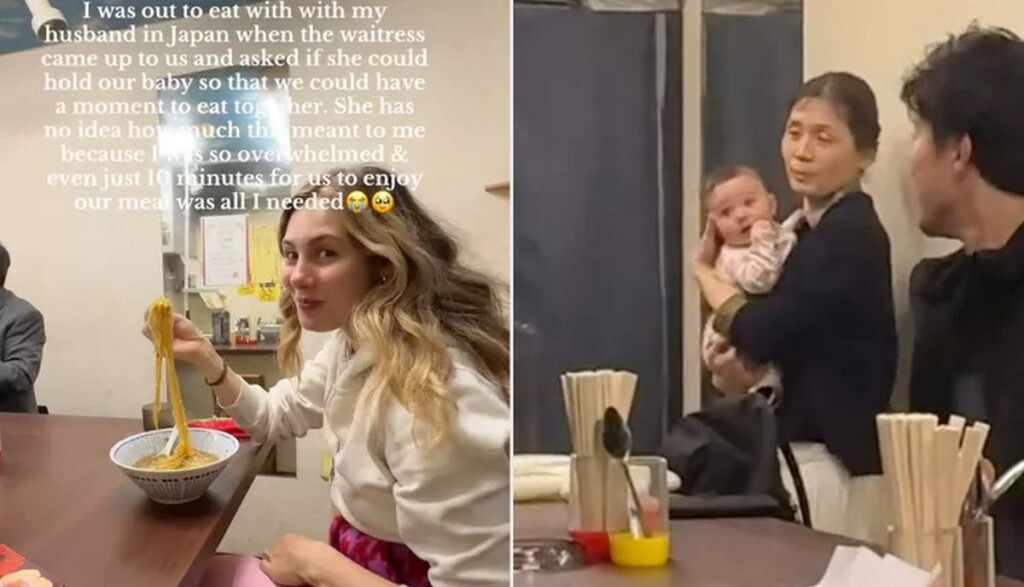
While out at a restaurant with her husband, Maggie Boynton was approached by a matronly Japanese waitress who offered to hold their fussy newborn daughter so that a couple could eat in peace.

“I was pretty shocked,” Boynton shared with People Magazine. “I don’t think I’ve ever had a stranger offer to hold my baby before. At first, I hesitated—like, should I let her? But she seemed so genuine and sweet. You just have that intuition when someone truly wants to help.”

While nothing in general was going wrong per se, Boynton, who shared the video of the waitress cradling their daughter on TikTok to the tune of 2 million views, said that flying across so many time zones is already quite the drain—as is looking after a newborn, and the two together had worn her out.

“Even just 10 minutes for us to enjoy our meal was all I needed,” to recover, she wrote in a caption on the TikTok video.

On a practical note, chopsticks are not ideal eating utensils if there’s an infant squirming around in your arms.


“It’s crazy how much you take for granted—just being able to eat without worrying about spilling on your baby or juggling everything at once. That small gesture felt like such a weight off my shoulders,” Boynton felt.
Maggie Boynton and her husband with their daughter in front of Mount Fuji – credit Maggie Boynton, retrieved from TikTok
Japan in general was very baby-friendly, and from nursing areas in various public places to bassinets on board the flight, the whole trip was very accommodating to the couple and their little sprout.

Boynton suggests going to Japan at any possible opportunity, and said the fact that they were traveling with a newborn was no problem.“Keep calm and know that no one else is thinking about your baby being fussy as much as you are. Your baby feeds off your energy, so staying grounded can make such a difference,” she said. Japanese Woman Offers to Hold New Mother’s Baby so Exhausted Travelers Can Finish Their Meal – (WATCH)
Read More........

Woman Loses Two Rings at the Beach, Each Found and Returned by Different Strangers

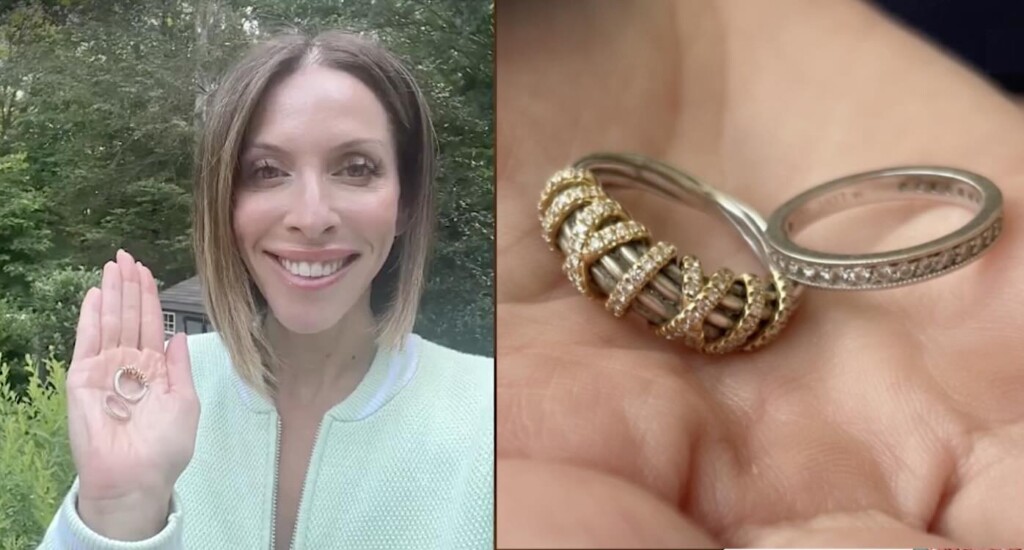
Lost and found rings – Courtesy of Laura Emanuel and Jeffrey Laag
That little beep of a metal detector can often mean nothing but trash, but every once and a while, it can lead to fame, fortune, and even “happy tears.”

Laura Emanuel from southern New Jersey was on the beach enjoying the sun over Cape May when, after taking off her wedding band and another ring to put sunscreen on, she promptly forgot about them.

Debating what to do, she called 23-year veteran of the Cape May Fire Department Jeffery Laag, who runs “Ring Finders Cape May” a hobby-helper service that allows him to spend mornings metal detecting on the beach looking for lost valuables.

After Laag’s first sweep of the beach with his trusty metal detector, he had to call Emanuel with some unhappy news: he had found nothing.

Just a few days after she lost her rings, wild weather struck the coast with high winds and pummeling rain, complicating any future searches. Incredibly though, a family playing in the sand days later found the second ring, and through the magic of social media identified Emanuel as its owner before giving it to the management at The Grand at Diamond Beach for safekeeping.

That would have been a happy ending, but it gave Emanuel the impetus to reach out again to ask Laag for another sweep of the shore.

“I immediately went back down the next morning at 5:00 a.m., got a little closer to the water, and I was able to recover her diamond and platinum band for her,” Laag told ABC 7 news.

Emanuel, speaking with ABC, was stupefied by the news.“I didn’t believe it,” she said. “The emotion, and just the happy tears that it had been recovered—by this stranger. He picked up the ring that had been returned, got the wedding band, took both rings and literally brought them to my doorstep like a superhero!” Woman Loses Two Rings at the Beach, Each Found and Returned by Different Strangers
Read More........

Woman Finds Message on Toilet Paper Roll Written 35 Years Ago by Little Girl

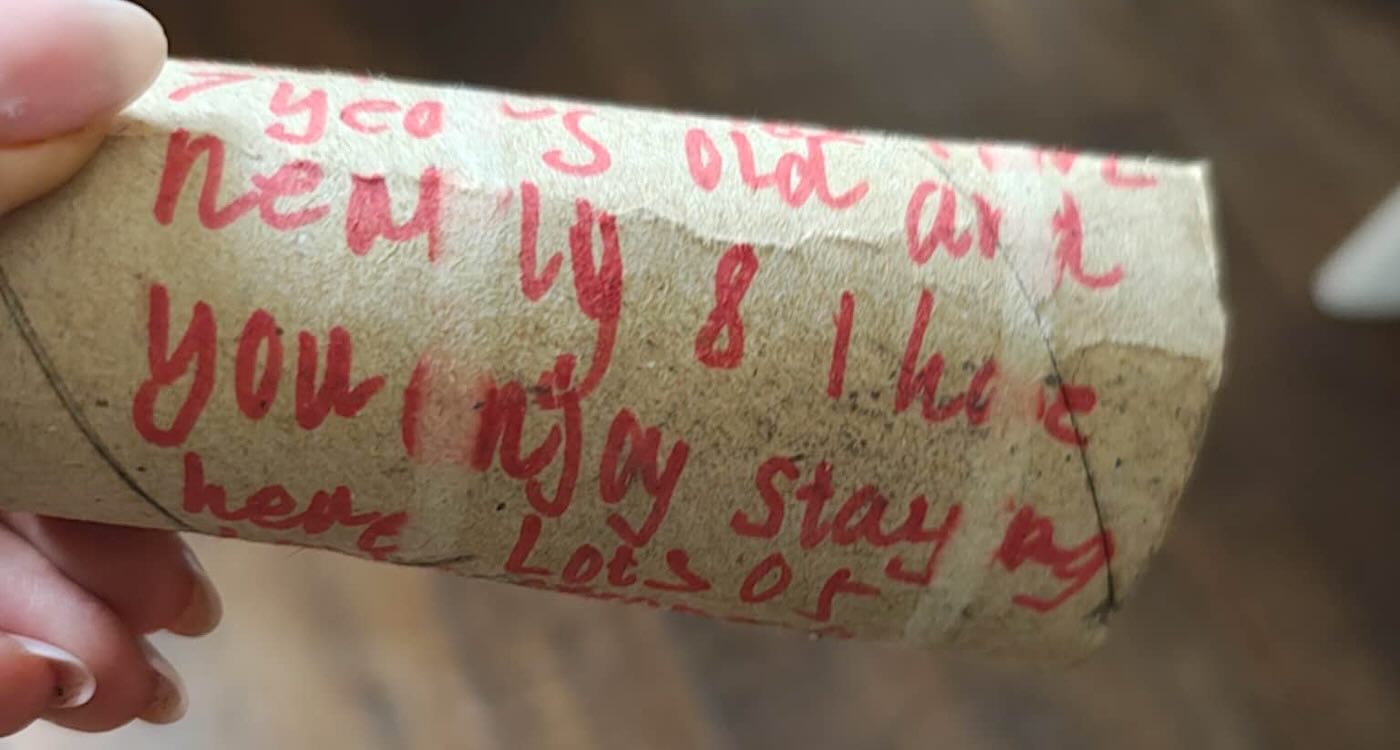
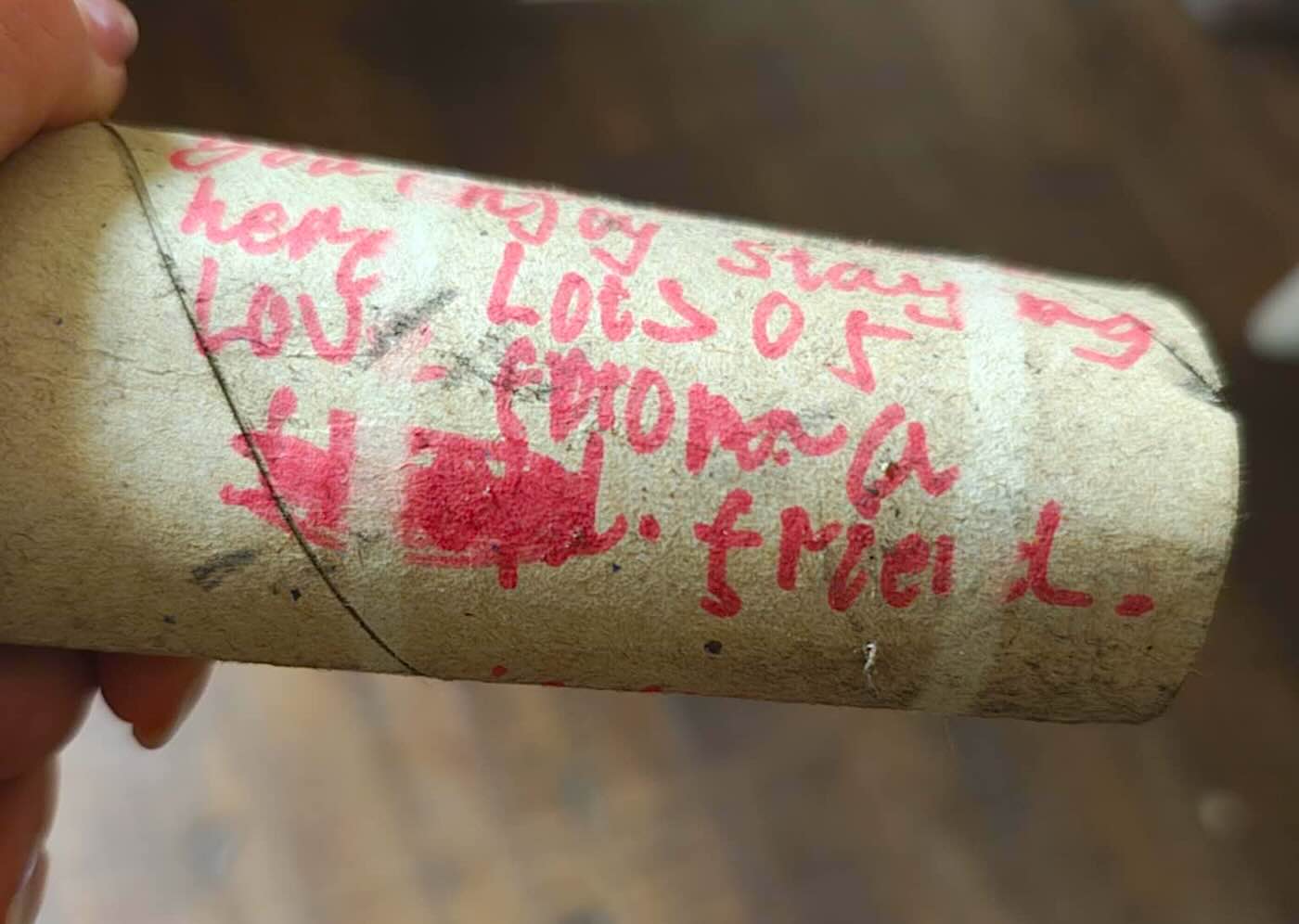
Message on 35-year-old toilet paper roll –Charlotte England-Black / SWNS

A couple renovating their new home discovered hidden inside their loft a heartwarming message written by a little girl 35 years ago—on the side of an empty toilet paper roll.

Charlotte England-Black found the touching note, which was concealed in the attic of their property in Nottingham, England, in 1989 when the little girl was moving out.

The 30-year-old moved into the house with her husband five months ago, but only found the hidden time capsule last Friday.


The note was penned by Emma—who was seven years old at the time—as a secret message for the home’s future owners.

Written in red marker, it reads: “I hope you enjoy staying here. Lots of love, from a friend.’

It began, “My name is Emma Waddingham. My birthday is February the 4th. I was born in 1982. I’m seven years old and nearly eight.

Charlotte immediately wondered where Emma was now—so she reached out on a Facebook community page in a bid to track her down. Amazingly, she was found within the hour.

“It’d been up there years,” Charlotte told SWNS news agency. “It was discovered along with an old sink, a vintage cap and some used overalls.

“It was really cute. She’d obviously written it hoping someone would find it one day. It really is quite touching.

Message on toilet paper roll left by girl 35 years ago –Charlotte England-Black / SWNS

“We posted it on a community page on Facebook. Within ten minutes someone had tagged her in it and others had commented saying they’d remembered her from the street, which was great.

“I thought, I bet she could easily be found and it’d be nice for her. It’s just a connection with the past.”

Today, Emma’s last name is Smith, and she still lives in Nottingham. Now 43-years-old, Emma doesn’t remember penning the note, but says she had fond memories of living there.

“I don’t remember doing it and why I chose the toilet roll,” she said. “We’ll forever be wondering.

“It was a lovely place to spend those years. I had amazing wallpaper in my bedroom of Tom and Jerry.”

In the future, when Charlotte moves out, she plans to leave the cardboard tube in the attic for the next homeowners, so they can also discover the time capsule.

In another 35 years someone else might find it… It’ll be nice to see if it gets found.” Woman Finds Message on Toilet Paper Roll Written 35 Years Ago by Little Girl
Read More........

Woman Brings to Life Fashion Sketches Made By Her Grandma After 80 Years on Paper (LOOK)


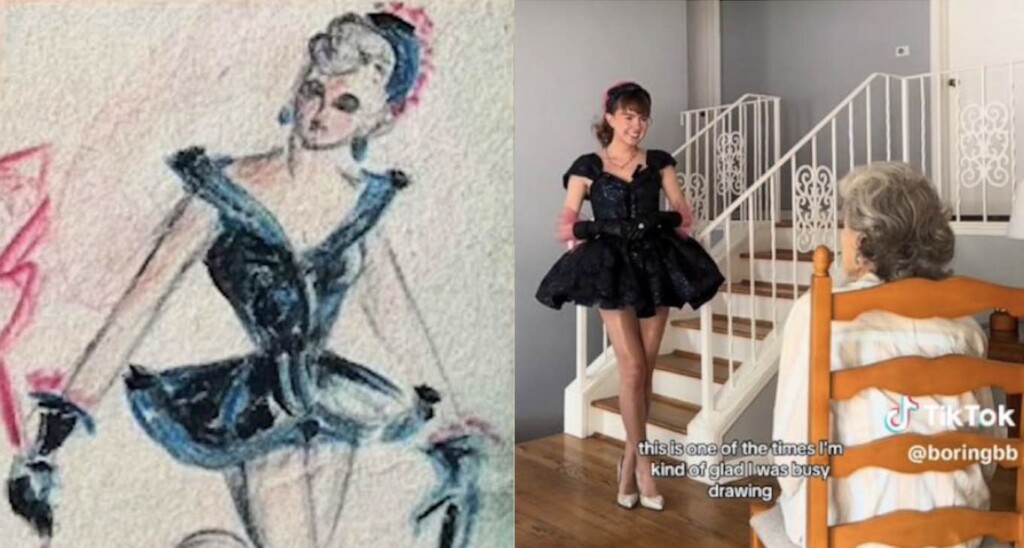
TikTok users tuning into a viral video got to see a brief glimpse into the special relationship between a young woman and her grandmother, with the former teaching herself to sew in order to bring to life fashion sketches made by the latter over 60 years ago.

Julia, (@boringbb on TikTok) a content creator with a passion for fashion, said she was so inspired by the sketches she decided to start making some of them herself.

She started by watching YouTube videos on various techniques of sewing and stitching, and playing around with different items she would thrift until she had something like what she saw in the sketches.

Her grandmother dropped out of fashion and design school in the 1940s to support her family financially and never returned to the career she fancied.

“It’s one thing to see it in a drawing but it’s—when you’re putting it together and I see it in real life it kind of makes me want to cry a little bit,” her grandmother said in the video with about 20 million views, after Julia unveiled a black and blue “Moulin Rouge” ballet dress.

While that was just one moment on TikTok, Julia has been doing this for years, and imagined erroneously that people would get bored after the third or fourth dress. People have continued to enjoy the videos in large numbers.

Regardless, the brief spurt of social media stardom isn’t what Julia is after. She thoroughly enjoys making the dresses as a way of connecting with her grandmother—both to her Depression-era fashion sense and to who she is today.“Now, she talks to me more about fashion and her interests, more of an adult sort of friendship relationship that we have now,” Julia told GMA. “I think that she’s now able to not only see me as her granddaughter but also see me as a friend.” Woman Brings to Life Fashion Sketches Made By Her Grandma After 80 Years on Paper (LOOK)
Read More........

This Woman Easily Lives a Zero-Waste Lifestyle –and She Believes You Can Too


The Lesson: With such an excess of unnecessary plastic packaging and non-recyclable materials, it can be easy to feel guilty about the amount of trash we contribute to landfills – but this college grad insists that anyone can be zero-waste. Not only that, but she believes that the attitude can greatly simplify your entire life.

Notable Excerpt: “When I learned about zero waste, [this woman in California] was the only person writing about it at the time and the only person talking about it, and so I later started my blog, Trash is for Tossers, to document my journey of reducing waste and opening the conversation in a way that felt safe and non-confrontational, because … so much of the conversation in environmentalism is, ‘You’re not doing this,’ or, ‘You’re screwing this up,’ and it’s [just a big] blame game.

“To me, I realized that by just taking everything on myself and being, like, ‘Okay, I’m a part of the problem. What can I do to change this and share my experience through taking control of my waste and talking about my experience from my perspective, that it made people feel comfortable to have a discussion around waste.’”

The Guest: Lauren Singer is an environmental activist who is the mastermind behind Trash is for Tossers – a blog dedicated to educating readers on how they can live a cost-effective, zero-waste lifestyle, no matter their social or economic status. In addition to graduating from NYU with an environmental sciences degree, she went on to work as a sustainability analyst for the NYC Department of Environmental Protection.

The Host: After spending years of his young life and athletic career struggling with his own emotional wellbeing, a crippling injury left Lewis Howes without an identity and without any work. Instead of wallowing in self-pity, however, Howes recreated himself as a multi-million dollar media producer, motivational speaker, bestselling author, and podcast host. The ex-football player now spends his days chatting with the most inspirational icons of this generation on his School of Greatness podcast.

Podcast: The School of Greatness podcast is available for download on Soundcloud and iTunes. You can also watch footage of the interviews on Howes’s YouTube channel.Books: Howes is the author of the New York Times bestselling book “The School of Greatness”: an in-depth collection of lessons and wisdom that he has gathered from interviewing hundreds of the world’s greatest role models and thinkers. Howes’s latest book, “The Mask of Masculinity”, is based on his experience with the dangerous stereotypes and expectations that are placed on men in modern society. This Woman Easily Lives a Zero-Waste Lifestyle –and She Believes You Can Too
Read More........

Woman Hires Private Detective and Finds 2 Long-Lost Sisters After 44 Years and the Death of Adoptive Parents

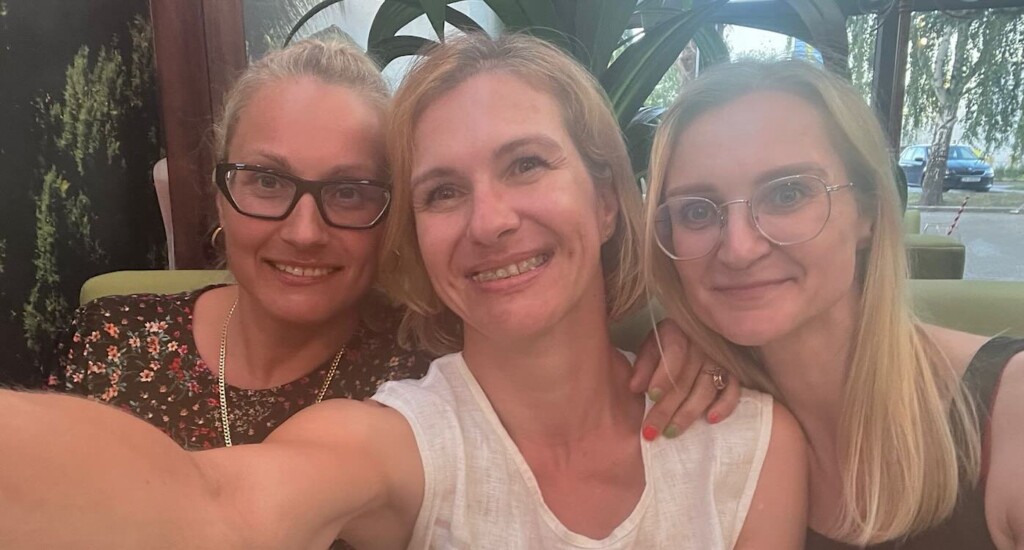
Magda Berg with her two sisters Beata and Daria -via SWNS
An adopted woman met her two sisters for the first time in 44 years—after hiring a private detective to track down her birth family.

Magda Berg hired the detective after her own 20-year search hit a dead end. She paid $1,300 and had the names and addresses of her family members four months later.

The 44-year old and mother-of-one was able to meet her birth mother and discovered she had three half siblings, including two sisters. Now she feels a “real sense of family”.

“My sisters and I connected straight away, it was amazing,” said the receptionist from Buckinghamshire, England, who now has regular contact with Beata and Daria, both in their early 40s. “I am very, very happy.

“We have a lot in common. We all talk about life in the same way, like we were raised together, and we’re able to finish each others’ sentences.

“I now have that real sense of family that I had been missing.

Magda grew up in Poland and was told that she was adopted as a baby. She moved to the UK in 2005 but all she knew about her birth mom was her name, the village where she gave birth, and the location of the convent where she had been left.

Magda Berg as a child – via SWNS

She started to feel curious about her birth family at age 18 after her adoptive parents were killed in a car crash. However, the convent where she’d been left as an infant had closed and she couldn’t find out any more information about her origins.

A change in Polish law meant she could request her original birth certificate in January 2018, so she was able to discover her birth mother’s maiden name and the town she had lived in.

After struggling to get any further, Magda decided to hire a private detective who discovered the name and address for her mum and revealed she had three half siblings: two sisters and a brother.

The detective sent two letters of introduction to her birth mother on Magda’s behalf but got no answer. Then, Magda’s half sister Beata found one of the letters and contacted the detective and arranged to meet Magda.

They met up in a restaurant when Magda was on holiday in Warsaw just after Christmas.

“It was like meeting my other half,” Magda told SWNS news agency. “We talked like we’d known each other our whole lives.”

A year later Magda’s mother finally agreed to meet her in a café, and revealed that she was 20-years-old and unmarried when she became pregnant with Magda. She later married a different man, with whom she had the other three children.

Magda now also has a young niece who calls her ‘my auntie in the UK’.

Magda Berg with her sister – via SWNS

The three sisters get together twice a year and send long messages every month.

“It’s so lovely to have Daria and Beata. We look quite alike, and we all like reading, sight seeing, and going to the forest. I share interests with them that I did not share with my adoptive parents.

“I have a whole new sense of belonging. We really love each other. I’ve never had such a great relationship.”“It’s funny because I now talk about ‘my sisters,’ and when I hear myself say it I’m still really surprised.” Woman Hires Private Detective and Finds 2 Long-Lost Sisters After 44 Years and the Death of Adoptive Parents
Read More........

Men And Women Respond Differently To Stress

News Track India, Washington, Nov 7 (ANI): Men and women respond differently to the same level of stress, a new study has claimed. James Harnsberger and his team from the University of Florida, Gainesville, enrolled the study subjects from community or religious groups who were considered "committed", that is, strongly affiliated with a group identity. They were audio - visually recorded while
coached by the researchers to vocalize both truthful and deceptive statements with the threat from them that the recordings would be shown to fellow community members for judgment. In some conditions,
stress was also induced by the administration of electric shock at levels calibrated by the individual volunteer, while other stress responses were measured by pulse rate, skin conductance level, pulse rate, and two self - report scales  of perceived discomfort. The researchers found that the male and female subjects responded differently for the same level for stress, with men abiding by the "tough guy"
response."In male subjects, higher degrees of physiological arousal were under- reported - what you might call a 'tough guy' response," James Harnsberger, the lead researcher, said. "The results were a surprise. We had expected that higher stressors would prompt both increased physiological response and increased self-reported stress levels in all test subjects fairly uniformly for both men and women," he added. (ANI) , Image Fickt Link1, Link2, Link3, Link3, Link4, Source: Daily Protein
Read More........

Bodyweight Exercise Program to Build Muscle and Lose Fat

Health & Fitness Solutions, By Michael Paladin, Bodyweight exercises are strength  training  exercises
My Photothat do not require weights for resistance. Your own body weight is enough resistance to build an amazing level of muscle, and bodyweight exercises are definitely challenging enough to chisel away any extra fat. If you want to build more muscle and burn more fat, then this bodyweight exercise workout program is for you. The 4 Basic Bodyweight Exercises: Pull-ups, Squats, Push-ups, Sit-ups These four exercises provide everything you need for a fit and functional body. You have a pull movement (pull-up), a squat movement, a push movement (push-up), and an abdominal movement (sit-ups). How This Bodyweight Exercise Program Works You will perform these four exercises as a circuit using a “pyramid” format. That means you will start on the bottom “level” of the pyramid and “climb” your way up it. Then when you hit the top, you’ll “climb” back down. Because four exercises are done consecutively on each level, you are getting a sufficient rest period for each exercise. Additionally, when you get to your top level on the pyramid and start to get fatigued, you start going down it, doing fewer repetitions per level (set). That means you can still keep good form and concentrate on doing the repetitions perfectly. Bodyweight Exercise Pyramid:
Level
Pull-ups
Squats
Push-ups
Sit-ups
1
1
5
3
5                                
2
2
10
6
10
3
3
15
9
15
4
4
20
12
20
5
5
25
15
25
6
6
30
18
30
7
7
35
21
35
8
8
40
24
40
9
9
45
27
45
10
10
50
30
50
How to Do the Bodyweight Exercise Workout Program: Go to the column labeled "Levels." Think of each exercise at each level as a set. So, you start on level 1 and do 1 pull-up, then 5 squats, 3 push-ups, and 5 sit-up with no rest between the exercises. Then you go to level 2 and go across, then level 3, and so on until you get to level 10, or until you start to fatigue, and you feel like you won’t complete the next level of the pyramid. When this happens, you’re going to start going down the pyramid. For example, if you get to level 7 and feel like you just barely completed it, then you start going down the pyramid again, by going to level 6, then 5, 4, 3, etc. When you reach level 10, you will be doing 100 pull-ups, 500 squats, 300 push-ups, and 500 sit-ups, which should be completed in about 60 minutes. How to Determine Your Starting Level The simplest way to determine your starting level on this bodyweight exercise workout program is to just begin with level 1 and go up each level until you start to fatigue, and you feel that you won't complete the next level of the pyramid on any one of the four exercises. Then start going back down the pyramid. If you make all the repetitions, then that's your starting level. How to Progress on this Bodyweight Exercise Workout Program You are ready to progress on this bodyweight exercise workout program when you can complete all the repetitions at a particular level or half-level with perfect form without needing to pause or rest to complete any set. When you can do that, move to the next half-level, which only adds one set per exercise. If you went straight to level 6, you would be adding two sets, which is too much. For example, if you started at level 5, your maximum repetitions would be 5 pull-ups, 25 squats, 15 push-ups, and 25 sit-ups. Your next level is not level 6. It's doing level 5 twice. When you can complete all those sets, then you move to level 6.  Moving up a half-level every 2-4 weeks would be excellent progress if you do the program three times a week. Reaching level 7, which is just about one-half the maximum repetitions at level 10, would be a challenging goal to begin with.If you can follow simple instructions, then you can build a HEALTHY, HIGH-PERFORMANCE, ATTRACTIVE body in the comfort of your own home using ONLY bodyweight exercises. To discover the REAL reason you've failed to reach your fitness, fat loss and physique-building goals (and what you can do about it), click here! Source: Health & Fitness Solutions
Read More........

What’s the difference between medical abortion and surgical abortion?

In Australia, around one in four people who are able to get pregnant will have a medical or surgical abortion in their lifetime.

Both options are safe, legal and effective. The choice between them usually comes down to personal preference and availability.

So, what’s the difference?

What is a medical abortion?

A medical abortion involves taking two types of tablets, sold together in Australia as MS2Step.

The first tablet, mifepristone, stops the hormone progesterone, which is needed for pregnancy. This causes the lining of the uterus to break down and stops the embryo from growing.

After taking mifepristone, you wait 36–48 hours before taking the second tablet, misoprostol. Misoprostol makes the cervix (the opening of the uterus) softer and starts contractions to expel the pregnancy.

It’s normal to have strong pain and heavy bleeding with clots after taking misoprostol. Pain relief including ibuprofen and paracetamol can help.

After two to six hours, the bleeding and pain usually become like a normal period, although this may last between two to six weeks.

Haemorrhage after a medical abortion is rare (occurring in fewer than 1% of abortions). But you should seek help if bleeding remains heavy (if you soak two pads per hour for two consecutive hours) or if you have have signs of infection (such as a fever, increasing abdominal pain or smelly vaginal discharge).

Do I have to go to hospital?

It is legal to have a medical abortion outside of a hospital up to nine weeks of pregnancy.

Depending on state or territory law, the medication can be prescribed by a qualified health-care provider such as a GP, nurse practitioner or endorsed midwife. These clinicians often work in GP surgeries or sexual and reproductive health clinics and they may use telehealth.

Medical abortions also occur after nine weeks of pregnancy, but these are done in hospitals and overseen by doctors alongside nurses or midwives.

Medical abortions after 20 weeks are done by taking medications to start early labour in a maternity unit. Often, medications are first given to stop the foetal heartbeat so it is not born alive. Then, other medications are given to manage pain.

These types of abortions are very rare. They may be used when an obstacle has prevented someone accessing an abortion earlier, continuing with the pregnancy is dangerous for the pregnant person’s health or if there is a serious problem with the foetus.

What is a surgical abortion?

Surgical abortions are performed in an operating unit, usually with sedation, so you will not remember the procedure. Surgical abortions are sometimes preferred over medical abortions because they are quicker. But the decision should be between you and your health-care provider.

In the first 12–14 weeks of pregnancy, a surgical abortion takes less than 15 minutes and patients are usually discharged a few hours after the procedure.

Medications may be given before surgery to soften and open the cervix and to ease pain. During the procedure, the cervix is gently stretched open and the contents of the uterus are removed with a small tube. This procedure is carried out by trained doctors with the assistance of nurses.

Surgical abortions after 12–14 weeks are more complex and are performed by specially trained doctors. Similar to medical abortions, medications may be given first to stop the foetal heartbeat.

It is normal to experience some cramping and bleeding after a surgical abortion, which can last about two weeks. However, like medical abortion, you should seek help for heavy bleeding or signs of infection.

Do I need an ultrasound?

It used to be common before an abortion to have an ultrasound scan to check how far along the pregnancy was and to make sure it was not ectopic (outside the uterus).

However, this is no longer recommended in the early stages of pregnancy (up to 14 weeks) if it delays access to abortion. If the date of the last menstrual period is known and there are no other concerning symptoms, an ultrasound scan may not be necessary.

This means people can access medical abortion much sooner, even from the first day of a missed period, without waiting for the embryo to be big enough to be seen on an ultrasound scan. This is called “very early medical abortion”.

Before and after care

Before having an abortion, a health-care provider will explain common side effects and when to seek urgent medical attention. For people who want it, many types of contraception can be started the day of abortion.

Even though the success rate of medical abortion is very high (over 95%) it is routine to make sure the person is no longer pregnant.

This is usually done two to three weeks after taking the first tablet mifepristone, either by a low-sensitivity urine pregnancy test (which you can do at home) or a blood test.

In the rare case a medical abortion has not worked, a surgical abortion can be done.

Sometimes after a medical or surgical abortion, tissue is left behind in the uterus. If this happens you may need another dose of misoprostol (the second tablet) or a surgical procedure to remove the tissue.

Some people may also seek support-based counselling or peer support to help them work through the emotions that might accompany having an abortion.

Understanding the differences and similarities between medical and surgical abortions can help individuals make informed decisions about their reproductive health.

It’s important to speak with an unbiased health-care provider to discuss the best option for your circumstances and to ensure you receive the necessary follow-up care and support.The Conversation

Lydia Mainey, Senior Nursing Lecturer, CQUniversity Australia

This article is republished from The Conversation under a Creative Commons license. Read the original article.

Read More........

Playing Classical Music to Babies in the Womb Can Stimulate Development, Affect Heart Rate and Nervous system

Credit: AIP via SWNS

Scientists have found evidence that classical music can calm the heart rate of unborn babies, potentially providing developmental benefits.

The American Institute of Physics published research from a multi-disciplinary team in Mexico studying the effect of classical music on a fetal heartbeat. They used mathematical analysis tools to identify patterns in heart rate variability.

Typical measures of heart rate are an average of several beats across multiple seconds, whereas ‘heart rate variability’ measures the time between the beats.

The research team explained that the measure can provide insight into the maturation of the fetal autonomic nervous system, with greater variability often indicating healthier development.

To test the effects music can have on fetal heart rate, the team recruited 36 pregnant women in Mexico and played a pair of classical pieces for their unborn babies — The Swan by French composer Camille Saint-Saëns and Arpa de Oro by Mexican composer Abundio Martínez.

By attaching external heart rate monitors, the research team could measure the fetal heart rate response to both songs. And, by employing nonlinear recurrence quantification analysis, they could identify changes in heart rate variability during and after the music was played.

“Overall, we discovered that exposure to music resulted in more stable and predictable fetal heart rate patterns,” said Dr. Claudia Lerma, of the National Institute of Cardiology in Mexico, who co-authored the published study.

“This momentary effect could stimulate the development of the fetal autonomic nervous system.”

For expectant parents at home, the researchers suggest that classical music could help promote fetal development.

“Our results suggest that these changes in fetal heart rate dynamics occur instantly in short-term fluctuations, so parents might want to consider exposing their fetuses to quiet music,” explained study author Professor Eric Abarca-Castro.

“Parents who play soothing music may stimulate and benefit the fetal autonomic system.”

The authors plan to continue to explore this effect, looking at different genres and types of music to further their understanding.“To ascertain whether rhythmic or cultural variations elicit distinct fetal cardiac responses, we intend to increase the size of our sample and expand our investigation to include a variety of musical styles beyond classical pieces,” says co-author Dr. José Reyes-Lagos. Playing Classical Music to Babies in the Womb Can Stimulate Development, Affect Heart Rate and Nervous system
Read More........

She Found Her Dream Wedding Dress for $25 at a Thrift Store–and ‘It Fit Like a Glove’

Julia Webber and Michael Webber at their wedding – SWNS

After she couldn’t find a gown she liked in any bridal shop, a Florida woman bagged her dream wedding dress in a thrift store for just $25.

Julia Webber felt disheartened after trying on dresses at a boutique shop and not finding anything that was right.

“I wanted something simple and elegant… something form-fitting at the top.

So she couldn’t believe it when she found the perfect dress in a local thrift store.

Accompanied by her mom and sisters, the 26-year-old walked into her favorite second-hand store, the Hospice of Palm Beach County Foundation Resale Shop, and immediately spotted the dress.

“It was the first one we went to,” she said. “I zipped it up and it fit like a glove. I knew immediately it was the one.

“Life can be so serendipitous.”

“It was completely meant to be,” said the speech pathologist from West Palm Beach. “Everyone had the same reaction; their jaws were on the floor.”

Julia Webber trying on wedding dress at thrift store – SWNS

Last month she married her school sweetheart, who cried when he saw her walk down the aisle.

Julia has always been passionate about thrifting and grew up hunting through second-hand stores with her mother and two sisters, so looking for a wedding dress was a natural Plan B.

The dress was priced at $50 but that day it was ‘half-off day’ so Julia took it home for just $25.

“I loved the beading,” Julia said. “And it had a brand new tag on it.”

She couldn’t find the Casablanca dress new online but estimates it might have cost up to $3,000.
Julia Webber and Michael Webber at their December wedding – SWNS

The arm straps needed to be shortened, which cost $40, and she paid $75 to have it professionally cleaned.

“At the wedding I started telling people the cost and the live reaction of disbelief was amazing.”

Julia shared her thrifting discovery on social media and hopes it has inspired others to go hunting for second-hand pieces—and she plans to pass on the dress to a bride who can’t afford a new one. She Found Her Dream Wedding Dress for $25 at a Thrift Store–and ‘It Fit Like a Glove’
Read More........