5th Edition of Nagaland Literature Festival concludes

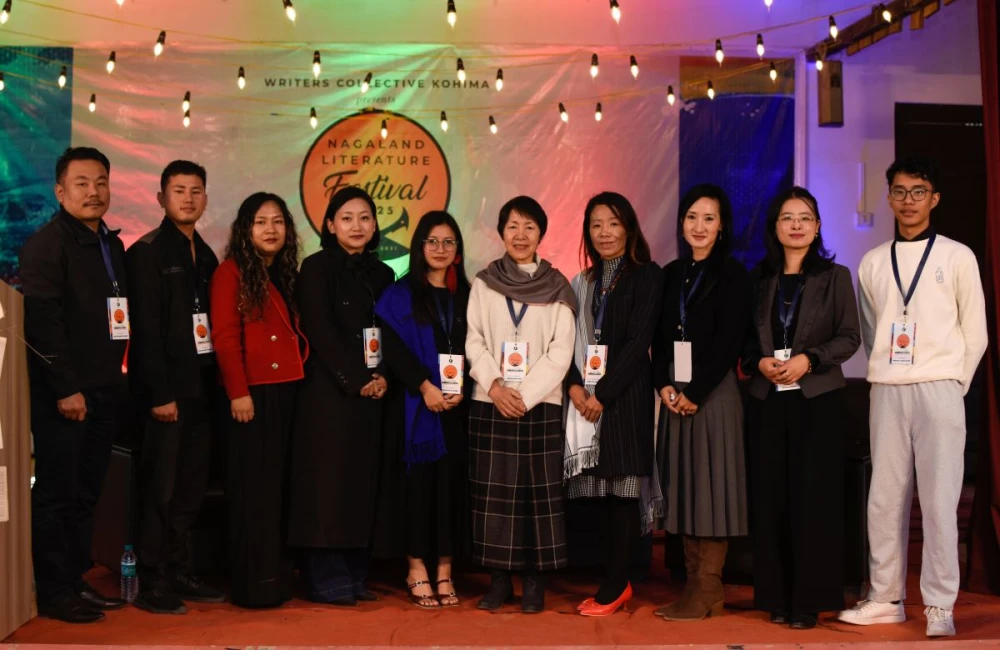
Members of Writers Collective seen with the winners of the Short Story Writing Competition organised as part of the NLF 2025 and others on December 13. (Photo by Jabu Krocha)

‘Distinctive feature of NLF is embracing all forms of creative self-expression’

Asserting that literature is essentially a reflection of life and the most quintessential way in which human beings express their emotions, Dr Vizovono Elizabeth, General Secretary of Writers Collective Kohima remarked that the distinctive feature of Nagaland Literature Festival (NLF) is embracing all forms of creative self-expression and storytelling.

Delivering the way forward at the closing ceremony of the 5th Edition of Nagaland Literature Festival at Don Bosco Higher Secondary School Kohima on December 13, she observed that the mushrooming of literature festivals across India on big scales has become like a ‘fashion’. NLF, she added is still a very small community, and has a long way to go, but stated belief that “it is very special because it is relevant to our own context.”

She echoed the vision of the Writers’ Collective, and expressed that, “the focus is not about trying to do what other people are doing, it is not about trying to compete or be at par with others, but it is more importantly about nurturing our own talents and providing a platform especially for the young, aspiring and upcoming creative artists.”

Even while keeping it very local, she stated that they were encouraged by the support and the positive response from so many unexpected supporters drawing entries even from the international level for its short story & poetry writing competition.
Participants of the Reading Session ‘Unraveling the magic of words’ seen with Easterine Kire. (Photo by Jabu Krocha)

In this regard, she exuded hope that “the seeds that we are sowing are slowly growing and that we will continue to grow together.” She reiterated that the distinctive feature of NLF “is not just a celebration of established and now popular authors, but more importantly, it is a platform and a safe space for new and upcoming writers and creative artists.”

Not all participants are writers either, she further highlighted while revealing that, “we also have very avid readers and supporters of literature taking active part and working along with us.” Terming this as “truly wholesome”, she said that literature would be meaningless without the readers.

Looking ahead, she envisioned that they can go ahead together and continue to support, learn and grow together. Expressing that it is the dream of Writers Collective Kohima to nurture our own storytellers and provide platforms for their voices and stories to be heard, she urged the gathering to walk with them on this beautiful journey. “Let’s learn to do this by utilizing our God-given beautiful brains, not being controlled by AI, but using it only as a tool so that we do not lose our souls or our humanity”, she further articulated.

Highlights of the closing ceremony included prayer and poetry reading by Rev Azahto Kiba, Senior Pastor, New Life Church Kohima & Poet, special number by Richard Ezung and Reading of short story excerpts by Winners of NLF 2025 Short Story Writing Competition, Visemenuo Sekhose and Imnajungshi Jamir. Shyamolima Saikia was adjudged third in the competition. In the poetry writing competition, Temjenwapang Jamir won first prize while Christabel Damien and Songaror Horam won second and third prize respectively. Earlier in the day, a reading session called “Unraveling the Magic of Words” was moderated by the President of Writers Collective, Vishü Rita Krocha. The readers included K. Roselyn Miachieo, Vibeituonuo Kuotsu Solo, Imlikokla Jamir, Kelhukiesie Savino, Machipeibo Zeliang, Elongshila Jamir, Avinuo Kire, Menang Longkumer and Inaholi Asumi. 5th Edition of Nagaland Literature Festival concludes | MorungExpress | morungexpress.com
Read More........

What makes a song sound ‘Christmassy’? Musicologist explains

Samuel J Bennett, Nottingham Trent University

Within the first notes of many classic Christmas songs, we’re transported directly to the festive season. Why is it that it’s these particular pieces of music that get us thinking of the holidays?

In his book Music’s Meanings, the popular music researcher Philip Tagg explores the ways in which we as listeners construe the music that we hear. Tagg applies semiotics, the study of how we interpret signs in the world around us, to music. These signs may be viewed differently by different people and may change their meaning over time.

To illustrate this concept, Tagg cites the example of the pedal guitar, originally drawn from Hawaiian musical tradition and carrying connotations of the islands. Eventually this instrument found its way into country music, so successfully that Tagg argues at this point, we are likely to immediately think of country music when hearing the instrument, without the concept of Hawaii ever crossing our minds.

As the pedal guitar may place us immediately within the realm of country music, there is one instrument that will likely do the same for Christmas – sleigh bells.

Sleigh bells

From light orchestral pieces such as Prokofiev’s Troika (1933), right through to Ariana Grande’s Santa Tell Me (2014), sleigh bells have long acted as convenient shorthand for composers to tell their listeners that this piece belongs to the Christmas canon.

The reasons for this link stem from the non-musical world. We associate Christmas with the winter season and snowy weather. Sleighs, through their use as transport in such weather, developed a direct associative link with Christmas, and as a result, so did the bells used to warn pedestrians of their approach. As with Tagg’s pedal guitar example, we’ve reached the point where we generally link sleigh bells directly with the concept of Christmas, rather than thinking of the intermediary idea of the sleigh at all.

Santa Tell Me uses sleigh bells to evoke a Christmassy sound.

There’s a link to the wider instrument family of bells too. Through the practice of churches ringing out their bells, particularly in celebration of the birth of Christ, larger bells have also developed a presence, not only in Christmas music, but in Christmas decorations and art.

Last year, the UK Official Charts Company published a list of the “top 40 most-streamed Christmas songs”. If you were to listen to the list, you’d find bell-like sounds in the majority of them, from the glockenspiel-like introduction of Mariah Carey’s All I Want for Christmas Is You (1994) to the synthesised tubular bells of Band Aid’s Do They Know It’s Christmas (1984).

There are other musical elements which help spread the Christmas cheer, from lyrical melodies to strident brass parts. Most of these elements though, have one thing in common. They aren’t modern sounds, or particularly common in modern pop music, and instead, they remind us of the past.

The nostalgia of Christmas

Christmas is a nostalgic holiday, in more ways than one. The word “nostalgia” initially referred to a type of homesickness, rather than the fond remembrance of a hazy past time that we more commonly use it to refer to now. But both senses of the word can be used to describe the feelings we associate with Christmas.

It’s a time where many of us travel home to family, taking not only a geographical trip, but a temporal one, immersing ourselves in a world of well-worn tradition and familiarity, where the pace of our day-to-day life doesn’t apply.

Artists know this, feeding our nostalgia through music, lyrics and visuals which evoke the past. This is possibly why most Christmas albums consist of interpretations of past holiday classics, rather than original material. It’s a straightforward appeal to the nostalgic and the familiar; if we already know a song, it’s easier to immediately latch on to this new recording. Some artists though, take the nostalgia trip one step further, emulating what is arguably the ultimate Christmas style of music – the easy listening crooner song.

Billie Eilish performs Have Yourself A Merry Little Christmas in 2023.

Whether it’s Bing Crosby or Nat King Cole, the warmth of a crooning voice nestled among light orchestral instrumentation has become inextricably linked with Christmas. It’s a sound that, unless you have a personal affinity with the style, you’re unlikely to hear much outside of the festive season.

It’s telling that when Billie Eilish performed a version of Have Yourself a Merry Little Christmas on Saturday Night Live in 2023, she eschewed her usual synthesised sounds in favour of a traditional trio of piano, drums and upright bass, and delivered the vocal in a gentle, warming tone. It all conspires to make us think of some imagined, simpler past, with chestnuts by the fire and picturesque snow settling outside.

Finally, we return to that list of the most-streamed Christmas songs. There’s one artist, and indeed one album, that makes the top 20 with two entries – Michael Bublé, with his 2011 album Christmas. Checking this album against our list of Christmas musical elements reveals a clean sweep. It’s crooned from top to bottom, features lightly orchestrated versions of classic Christmas songs, and yes, includes sleigh bells. It doesn’t get much more Christmassy than that.


Looking for something good? Cut through the noise with a carefully curated selection of the latest releases, live events and exhibitions, straight to your inbox every fortnight, on Fridays. Sign up here.The Conversation


Samuel J Bennett, Senior Lecturer in Music Production, Nottingham Trent University

This article is republished from The Conversation under a Creative Commons license. Read the original article.

Read More........

Trance Effect to perform at Big Mountain Music Festival


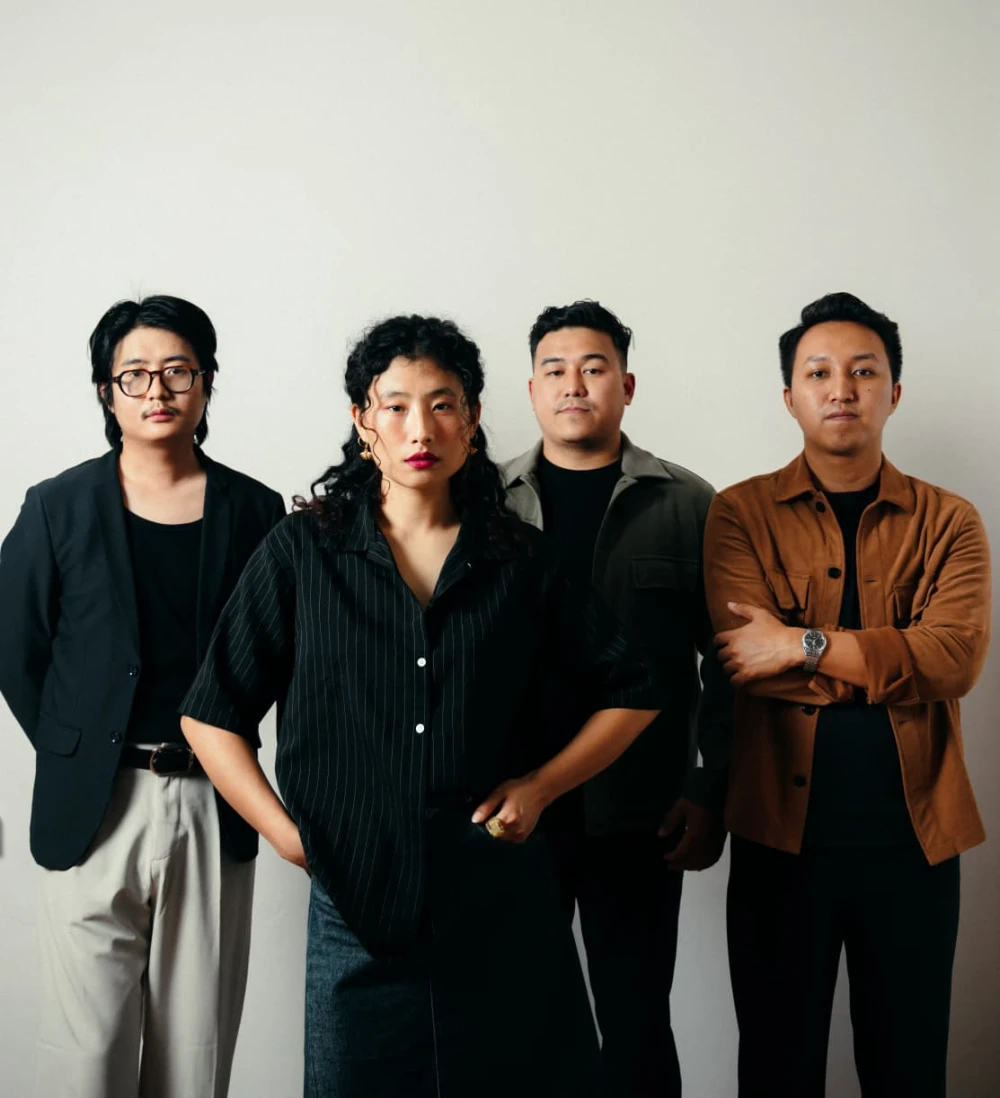
Kohima, October 11 (MExN): Nagaland’s pop-rock sensation Trance Effect is set to represent India at the Big Mountain Music Festival (BMMF) one of Southeast Asia’s largest and most celebrated outdoor music festivals. The highly anticipated event will take place at Ocean Khao Yai in Nakhon Ratchasima, Thailand, drawing music lovers from across the region.

Renowned for its expansive setup and electrifying atmosphere, BMMF features hundreds of artists performing across 14 stages, showcasing a vibrant mix of genres including Thai pop, rock, folk, and international acts.

Trance Effect’s participation marks a proud moment for Nagaland’s thriving music scene, as the band continues to break boundaries and reach global audiences.

Trance Effect is managed by the international artistes agency Soundpuzzle, which has been instrumental in connecting the band with audiences beyond India. Their upcoming performance at BMMF marks another milestone in their journey, reflecting both the band’s artistic growth and the expanding global recognition of music from Nagaland.

 
Read More........

The Hornbill Festival: A Tribute to Nagaland's Rich Heritage

File Photo Courtesy Talimoa Pongen

Dipak Kurmi

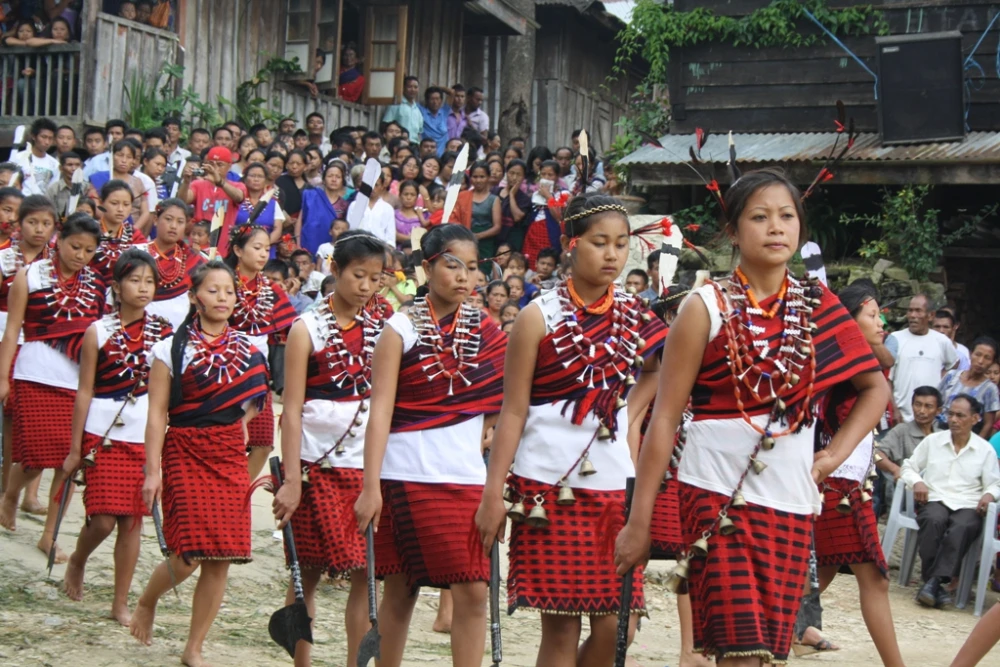
The Hornbill Festival, celebrated annually in the first week of December, has emerged as a cultural masterpiece that brings together the vibrant diversity of Nagaland’s 16 tribes. Conceptualized as a modern-day platform to showcase both traditional and contemporary aspects of Naga culture, this festival is a living testament to the spirit of unity amid diversity. Nestled in the serene Naga Heritage Village of Kisama, a mere 12 kilometers from Kohima, the festival serves as a beacon for preserving ethnic heritage while bolstering tourism in the state. Since its inception in 2000, the Hornbill Festival has not only revitalized cultural pride but also transformed the tourism landscape of Nagaland, inviting visitors from across the globe to experience the land's unparalleled richness.

A Cultural Convergence of Naga Tribes

The Naga Heritage Village, where the festival unfolds, symbolizes a harmonious blend of tradition and modernity. This village houses a cluster of 17 traditional tribal huts, known as Morungs or youth dormitories, each uniquely designed to represent a distinct tribe. These architectural marvels, adorned with indigenous designs and cultural motifs, provide a fascinating insight into the Naga way of life. Visitors are treated to a captivating spectacle of tribal dances, songs, and rituals that encapsulate the essence of Naga culture. This extraordinary amalgamation offers a rare opportunity to witness the diverse customs and traditions of all Naga tribes in a single venue.

Nagaland, often referred to as the "Land of Festivals," thrives on its rich tapestry of traditions and rituals. With its picturesque hills, vibrant flora, and warm-hearted people, the state exudes an aura of mystique and hospitality. Though Christianity is now the predominant religion, the Nagas have preserved remnants of their animist beliefs and ancient practices, evident in their colorful festivals. These celebrations, deeply entwined with the agricultural calendar, are marked by songs, dances, and rituals that narrate oral histories passed down through generations.

The Hornbill Festival: A Celebration of Unity

The festival derives its name from the hornbill bird, a revered symbol in Naga folklore, representing grandeur, courage, and unity. This week-long cultural extravaganza unites all Naga tribes, showcasing a vivid tapestry of traditional arts, crafts, sports, food fairs, and ceremonies. From the intricate wood carvings and sculptures to the mesmerizing folk performances and indigenous games, the festival pulsates with creativity and energy. Highlights include traditional archery, wrestling, herbal medicine displays, and the sale of exquisite handicrafts. The event also features flower shows, beauty contests, fashion shows, and musical concerts that cater to diverse tastes, ensuring that there is something for everyone.

The Hornbill Festival is not merely a showcase of cultural heritage but a dynamic platform for interaction and exchange. It offers a deeper understanding of the Naga way of life, fostering a sense of camaraderie among the tribes and bridging cultural gaps for visitors. The Naga Heritage Village itself is a testament to the government's commitment to preserving cultural identity while promoting sustainable tourism. The nomenclature "Kisama" reflects the fusion of Kigwema and Phesama villages, symbolizing unity and cooperation.

The Legacy of the Hornbill Festival

Over the years, the Hornbill Festival has grown into a symbol of cultural resurgence and a platform for global recognition. The festival not only celebrates Nagaland's traditions but also inspires the younger generation to embrace and sustain their heritage. The inclusion of modern elements, such as the Hornbill Music Festival, exemplifies this balance between preserving the past and embracing the future. The music festival, featuring both local and international artists, has become a major draw, with performances continuing late into the night.

The legacy of the Hornbill Festival lies in its ability to foster unity among the diverse tribes of Nagaland while serving as a catalyst for socio-economic development. By attracting tourists, the festival generates income for local artisans, performers, and entrepreneurs. It also amplifies the visibility of Naga culture on the global stage, challenging stereotypes and promoting cross-cultural understanding. Furthermore, the festival underscores the resilience and creativity of the Naga people, who have overcome historical challenges to build a thriving cultural identity.

The Spirit of Community and Innovation

The resilience of Naga village communities is evident in initiatives like the Village Councils and the Communitization of Public Institutions and Services Act of 2002. These community-driven approaches in areas like education, health, and infrastructure reflect a unique model of governance that has been widely acknowledged for its success. The Hornbill Festival embodies this spirit of innovation, bringing together traditional and modern elements in a seamless blend.

For instance, the festival's integration of modern music and arts highlights Nagaland's evolving cultural landscape. The Task Force for Music and Arts (TaFMA) plays a pivotal role in nurturing local talent, as seen in the recent release of the official song for the 25th Hornbill Festival, “Come Together,” performed by the band Trance Effect. This band has not only won accolades like the Nagaland Music Awards but also represented India on international platforms, showcasing the global appeal of Naga artistry.

A Vision for the Future

The Hornbill Festival is more than just an annual celebration; it is a living legacy that honors Nagaland's cultural wealth and resilience. Through its vibrant festivities and inclusive ethos, the festival bridges the past and the future, offering a vision of cultural preservation and progress. As the festival continues to evolve, it stands as a shining example of how traditions can adapt to modernity while retaining their essence.

For anyone seeking a profound cultural experience, the Hornbill Festival is an unmissable event. It not only offers a glimpse into the soul of Nagaland but also reaffirms the enduring relevance of cultural heritage in a rapidly changing world. As the "Festival of Festivals," it encapsulates the spirit of unity in diversity, leaving an indelible mark on all who partake in its celebrations.A passionate columnist, insightful writer, and dedicated policy analyst, Dipak Kurmi serves as the Sub-Editor for a prominent daily newspaper based in Assam. His work, deeply rooted in analysis and editorial expertise, shapes conversations and brings critical issues to the forefront. Residing at House No-3, Hengrabari Housing Colony, Hengrabari, Ganeshguri, Dispur, Guwahati-05, Kamrup (M), Assam, Dipak Kurmi is always connected to the pulse of regional and national discourse. The writer can be reached at dipakkurmiglpltd@gmail.com. The Hornbill Festival: A Tribute to Nagaland's Rich Heritage | MorungExpress | morungexpress.com
Read More........

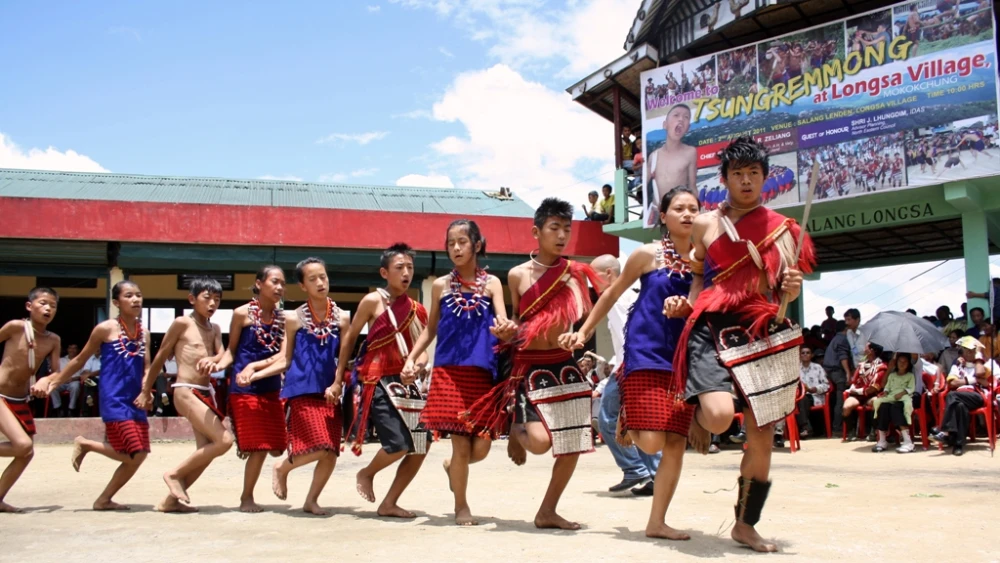
Longsa village prepares for grand Tsüngremmung Festival 2025

A group of young boys in traditional attire at Longsa village. (Photo Courtesy: Sashimeren Jamir)

Mokokchung, July 29 (MExN): Longsa village under Mokokchung District has begun preparations to host the Tsüngremmung Festival 2025 from August 1 to 3. After a long pause due to the COVID-19 pandemic, this year’s Tsüngremmung is set to be a grand celebration, showcasing the cultural richness, traditional practices, and communal spirit of the Ao Naga people.

Organised by the Longsa Village Council under the patronage of the Tourism Department, Government of Nagaland, the festival aims to highlight the essence of Ao Naga identity through traditional customs, cultural performances, and collective community participation, stated a press note received here.

Tsüngremmung, one of the most significant traditional festivals of the Ao Nagas, is celebrated ahead of the harvest season, symbolizing thanksgiving, unity, and renewal. Tsüngremmung is a traditional Ao Naga festival celebrated ahead of the harvest season, symbolizing thanksgiving, unity, and renewal. It symbolizes spiritual cleansing and strengthens community bonds through songs, dances, and feasts. Reflecting rich cultural heritage, it preserves ancestral values, stories, and identity, making it more than just a celebration, it’s a living expression of Ao Naga heritage.

This year’s celebration at Longsa village will be graced by G Kaito Aye, Minister, PWD (R&B), Nagaland, as the chief guest; Imkong L Imchen, Advisor, Information & Public Relations, Soil and Water Conservation, as the guest of honour and Imkongmar, MLA, Advisor, Minority Affairs & Sericulture, as the honoured guest.

The three-day celebration will begin with Süngben Mung (Preparation Day) on August 1, featuring traditional activities such as collection of firewood and vines, cleaning of homes, and pounding of rice, culminating in a cultural competition in the evening. The main celebration, Yatimung, on August 2 will include the ceremonial pulling of vines, tug-of-war between men and women, cultural dances, community feasting, and all-night singing of Kimak. The final day, Aien Lenpi, on August 3, will focus on traditional practices by unmarried men such as bonfires, village cleaning, and final community feasts.

Significance of süngremmung:

The essence of Tsüngremmung is sanctification of the self and society for obtaining blessings from God. It has a strong bearing on community building as the entire village comes together to work, earn, save, and eventually share in the feasts that accompany the festival. Preparations for the festival actually start during the cultivation season, when the Zünga (age groups) work the fields to collect for the Zünga Yongya (age group feasts), held during Tsüngremmung. Tsüngremmung thus evolved as a festival where, along with feasting, oral traditions and knowledge were passed from one generation to another through songs and dance, and community life was enhanced through sharing.


The origin:

In the days of old, when men abided close to God—there lived a man named Merangshang. He was hard-working and devoted much of his time to working his field. Tsüngremshang cultivated the field adjacent to his. While Merangshang toiled endlessly, he observed that Tsüngremshang worked only occasionally, and yet, at harvest time, his field yielded abundant grains. Observing this amazing phenomenon, Merangshang befriended Tsüngremshang and asked him his secret. Tsüngremshang revealed that he could communicate with God and that during the cultivation period he would purify himself, and just before harvest time, he performed a ritual to propitiate God, asking for His blessings. Merangshang also decided to follow in his neighbor’s footsteps, and in the following years, they observed the same worship, and both received abundant harvests.

Merangshang passed on this knowledge of propitiating ‘Longditsüngba’ (translated as ‘god the provider) for an abundant harvest to the rest of his village. Slowly, it gained a growing number of practitioners, and soon the entire village started coming together to offer thanksgiving in the form of a festival that came to be known as Tsüngremmung (named after the man who started the ritual). Eventually the entire Ao tribe began observing this festival.

As the years passed, the flowering of the white blossoms of ‘Songsaben’ below Chungliyimti was taken to herald the festival. Since the blossoms were first sighted from Longsa village, Tsüngremmung was therefore celebrated first at Longsa and only then observed in the other Ao villages. So the festival is also referred to as Longsamung.

About Longsa village:

Longsa, a picturesque Ao Naga village southeast of Mokokchung, borders Zunheboto and Tuensang districts. Nestled among rolling hills under vast blue skies, it offers stunning views of lush green landscapes. As one of the most prominent villages in Ao Naga territory, Longsa has produced many distinguished leaders and luminaries.

Longsa village is home to several cultural attractions and heritage sites that reflect its deep historical roots and unique traditions. Key sites include: Longkakak, a historic cave formed by natural boulders; Koralong, the legendary ‘stone that used to crow’; Longsa Long, believed to be the symbolic gateway to the afterlife; Ko Kongki, a traditional stringed instrument made from trophy-head hair; Awatzü Pond, tied to oral histories from the Sangpuyimti era. Visitors can also take in breathtaking views from Yimpenzükong, blending cultural heritage with stunning landscapes steeped in folklore and ancestral meaning.Recognizing its cultural and scenic appeal, the Nagaland government declared it a Tourist Village in 2006. Since then, Longsa has grown into a must-visit tourist destination, attracting travelers from around the world. Longsa village prepares for grand Tsüngremmung Festival 2025 | MorungExpress | morungexpress.com
Read More........

Best Holiday Light Show in the Sky Wins Guinness World Record With Dazzling 5,000 Drone Christmas Display–LOOK

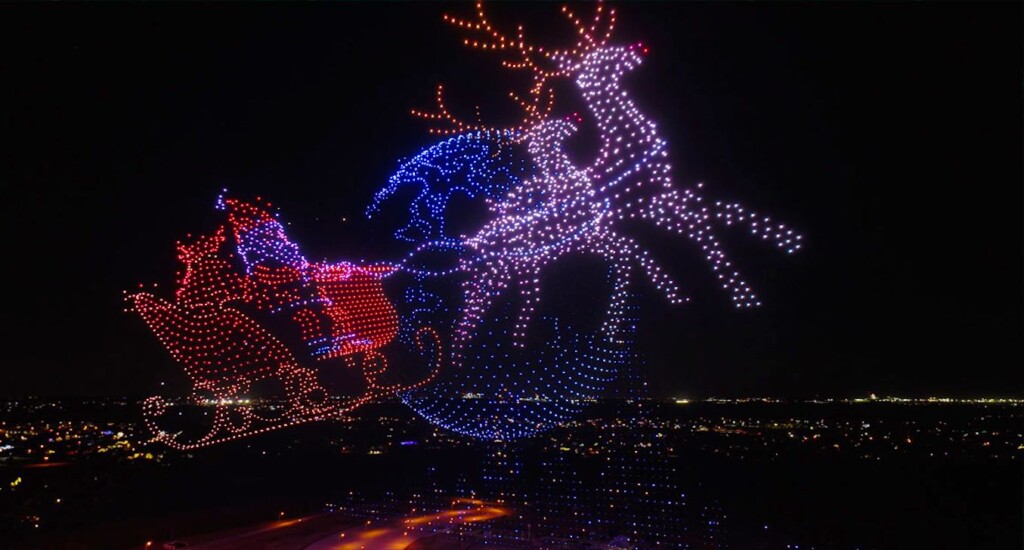
5000 drones form Santa Claus in the night sky over Mansfield, Texas – Courtesy Sky Elements
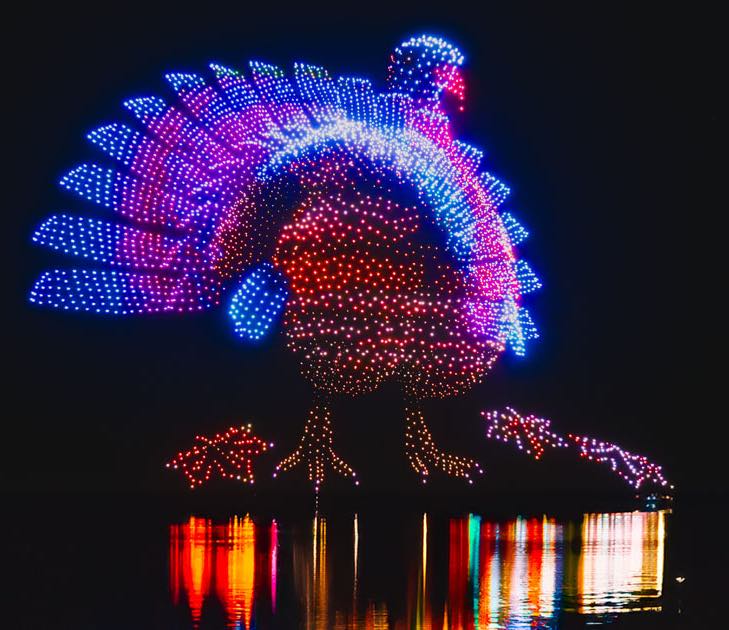
To celebrate the holiday season, Sky Elements provided some happy drone news by creating the largest swarming light show ever to have flown in the United States.

Set to music, the light show created massive motion-filled scenes that captured the spirit of the holidays—a Thanksgiving turkey, a winter wonderland scene, a gingerbread village, and, of course, Santa’s sleigh with reindeer.

Making the holiday a little more magical in Mansfield, Texas, 4,981 drones lit up the sky to ring in the season.

Partnering with UVify, a manufacturer of swarm drones for light shows, the team
began the show with a lifelike turkey, full of movement and color, spreading wide its tail feathers. (See the video at the bottom…)
Thanksgiving turkey drone show – Courtesy Sky Elements
A wintery wonderland appeared next, centered around a massive snowman. A surreal gingerbread village also was featured, with candy cane street lamps and gumdrop rooftops. The sun sets on the cozy winter village as lights illuminate the homes and smoke billows out of the chimneys.

For the finale, Santa Claus in his sleigh with two reindeer, waved at the audience.

“We teamed up to create holiday cheer in a new, fun way: by making the largest gingerbread village… made entirely of drones,” said Preston Ward, Chief Pilot of Sky Elements.

“Not only did we spread the holiday spirit, but we also scored our 11th Guinness World Record.”

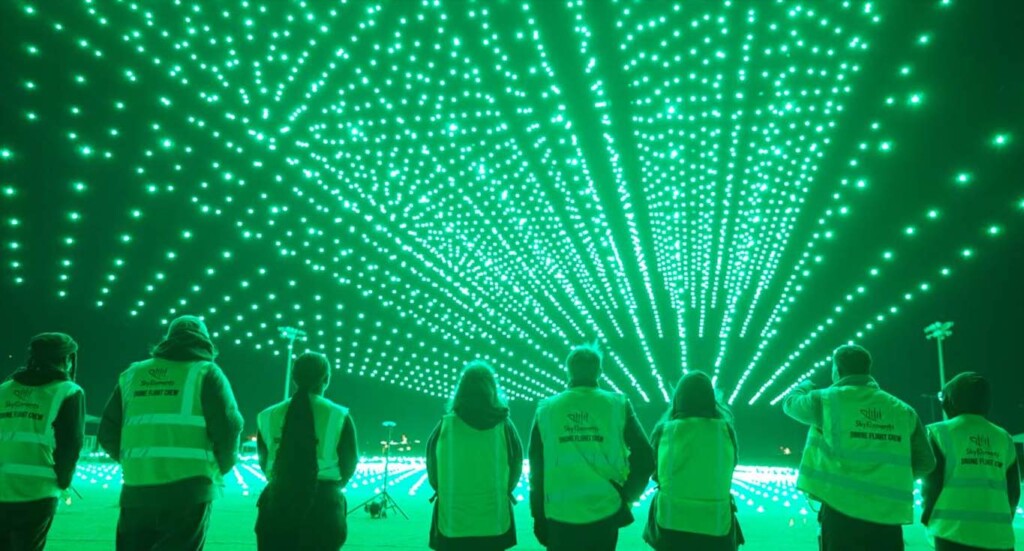
Flying the nearly 5,000 drones in formation was quite a feat for the private company, and it took 40 people to coordinate the exhibition.
Thousands of drones lift-off for light show in Mansfield, Texas, with crew looking on – Courtesy Sky Elements

“Shout out to our unforgettable pilots, crew leads, animators, and drone crew that made this all possible.”Watch the awesome show below… Best Holiday Light Show in the Sky Wins Guinness World Record With Dazzling 5,000 Drone Christmas Display–LOOK
Read More........

Why a musical instrument is the perfect gift this Christmas (and some suggestions for which to get)

Christmas is the season to be jolly, but it’s wrapped in some cheerless trials. There’s car park mania, pre-dawn pilgrimages to purchase seafood, and the ever-perplexing question, “What should I buy family and friends for Christmas?”

I have no tips for parking zen or pilfering prawns, but here’s a solution for your gift-giving puzzle: how about a musical instrument?

They come with physical and mental benefits, and there’s an instrument to suit everyone.

The gift of an instrument can solve your problem and revive everyone’s jollies.

Gifts from playing musical instruments

Research shows that playing an instrument is good for our brains across the life span.

Studies of children and adolescents have linked learning an instrument with a positive effect on cognitive skills and academic achievement.

Studies on the elderly suggest playing protects against dementia and cognitive decline.

Playing an instrument is a gift for our fine motor skills. A Canadian study found university students who had learnt an instrument performed better at beginner surgical skills. Likewise, research on older adults found that one year of piano lessons improved players’ hand control.

Learning an instrument opens the door to social connection: one-to-one interaction with a teacher, participating in group lessons, joining ensembles, starting a band and performing for others. In a lonely world, players can experience belonging, confidence and collaboration.

Combined, the findings suggest giving a musical instrument is like giving multiple gifts. So, here’s some suggestions for matching the right instrument with the right person.

For fitness fans

A drum kit can liven up the exercise routines of fitness fans and engage energetic kids.

Studies of rock and heavy metal drumming measured players’ heart rate and oxygen consumption, finding these are relatively high-intensity physical activities.

Don’t worry about the noise of your purchase. According to The Little Drummer Boy, pa-rum-pum-pum-pumming makes babies smile. But if you’re sceptical, an electronic kit with headphones will keep the peace.

For quirky fitness options, look out for second-hand pianolas and pump organs. These musical relics require vigorous pedalling while playing. (Think exercise bike without boredom.)

For upper body strength, the weight and pumping action of the accordion can give the arms a workout. Alternatively, if you want something smaller, buy castanets and suggest flamenco dance lessons.

For the creative and the troubled

Researchers have long connected creative expression with mental well-being.

If you’re shopping for expressive relatives, downhearted friends or angsty teenagers, instruments support the healthy emotional outlet of songwriting.

Novice songwriters can play pianos and guitars to accompany themselves while singing their hearts out. These instruments provide a healthy avenue for releasing inner pain.

For the budget-conscious

If you’re watching the dollars this year, mini keyboards and ukuleles give singer-songwriters their accompaniment without the expense of pianos or high-end guitars.

Other low-cost musical instruments include harmonicas, glockenspiels, palm-sized clay whistles called ocarinas and that old school favourite, the recorder, which has more advantages than you think.

If purchasing a drum kit is too much, consider cheaper percussion possibilities. Teenagers can enjoy mastering a cajon – a wooden box which street performers sit on and play with their fingers, palms and heels. Youngsters can experiment with handheld percussion, like tambourines and maracas.

You can also keep costs down by watching local advertising for listings of second-hand instruments. Musicians (and their parents) frequently sell beginner models to fund the next instrument upgrade. You can pick up bargains on trumpets, flutes, clarinets and violins.

For the eco-friendly

When saving the planet tops your Christmas list, check out the range of bamboo instruments.

Bamboo has been used for centuries for instruments such as the shakuhachi (a traditional Japanese flute) and angklung (an Indonesian instrument where players rattle bamboo segments together to produce notes). Today we value bamboo ecologically because it is natural, biodegradable, re-grows easily and grows faster than the wood used in other instruments. Its tubular shape and acoustic properties make it an ideal material for musical instruments.

This Christmas you can pick up bamboo flutes, panpipes and xylophones.

If recycling is your passion, then lurk around at pre-Christmas drinks and collect discarded beer bottle caps. Then, with a stick, hammer and nails, you can gift someone a home-made lagerphone while saving the environment.

And for the reluctant musician?

There are hundreds of musical instruments so you’ll never be shopping for the person who has everything. You may, however, encounter the reluctant musician.

Solve this challenge by gifting a novelty instrument, like the comically-sounding kazoo or nose flute (yes, you play it with your nose!).

I can’t vouch for all the benefits, but when you’re sitting around the Christmas table watching Dad trying to play his new nose flute, you’ll unwrap another gift – laughter. That will put the jolly back into Christmas. The Conversation

Wendy Hargreaves, Senior Learning Advisor, University of Southern Queensland

This article is republished from The Conversation under a Creative Commons license. Read the original article.

Read More........

Elephant Santas spread virus awareness among Thai children

Students receive face masks from an elephant dressed as Santa Claus, in an effort to help prevent the spread of the coronavirus disease (Covid-19), ahead of Christmas celebrations at a school in Ayutthaya, yesterday.

AFP/Bangkok: Christmas and Thailand’s love of elephants combined yesterday when four of the giant creatures dressed as Santa turned up at a school just outside Bangkok, complete with huge coronavirus masks.
Excited children from Jirasat Wittaya School in Ayutthaya, an hour’s drive from the capital, sang Christmas carols and lined up to have their photos taken with the animals in the annual tradition.
The elephants, Sri Mongkon, 14, Sri Raya, 6, Peter, 15, and King Kaew, 18, used their trunks to carry baskets of face masks to the youngsters and motorists outside the school.
English and science teacher Brett Baxter said the event brought a special kind of Christmas spirit coupled with a flavour of Thailand. 
“It’s fantastic for the children. It mixes two cultures together. It’s not just about Santa Claus...the culture of Thailand is based around elephants,” he said. Ayutthaya, the former capital of Siam, the country now known as Thailand, is considered the birthplace of the kingdom’s Catholic community.
European Catholic missionaries built a church on the banks of the Chao Phraya River three centuries ago.
Ittipan Paolamai, the manager of Ayutthaya’s elephant palace, where the animals are cared for, said the school visit had been held for 17 years.
“This year due to the pandemic as well as the recent outbreak, we used this opportunity to raise public awareness about the spread of Covid-19,” he said.
Thailand, a country of 70mn people, has registered more than 5,700 coronavirus infections and in the past week there has been a spike of more than 1,000 cases linked to an outbreak at a Thai seafood market.
But not everyone feels the Christmas school visit is a healthy tradition. Jan Schmidt-Burbach, a wildlife veterinarian and adviser for World Animal Protection, said bringing elephants to a school “for these kinds of public stunts is quite questionable and not acceptable”.
“Children will perceive elephants as entertainers and clowns rather than the wild animals they biologically are,” he said.
The experience can be stressful for the animals, he added, and there was always the potential for accidents.
“The elephant handler has to make sure he can control the elephant...Elephants can get out of control and hurt and sometimes even kill people.”
But manager Ittipan said that the creatures were well trained and looked after.
“I don’t see this as exploitation or torture. We have had elephants in our province for tourism and social awareness for a really long time.
So it’s really not a big deal doing activities with them like this morning,” Ittipan said.
“Elephants have always been integral to the Thai way of life.” Source: https://www.gulf-times.com/
Read More........

Traditional fervour marks ‘Sontrio’ festival

Devotees smear ‘gulal’ on each other as the palanquin carrying the idol of Shree Shantadurga Kunkallikarin leaves the Fatorpa temple

Goa News, NT NETWORK, MARGAO: The traditional sontrio (umbrella) festival was celebrated with pomp and religious fervour at Cuncolim on Tuesday. Thousands of devotees from all walks of life participated as the idol of the deity Shree Shantadurga Kunkallikarin was taken from the Fatorpa temple to her place of origin in Cuncolim and then back to Fatorpa. In the afternoon, pooja was performed in the temple of Shree Shantadurga in Fatorpa by twelve vangdis and the deity was put in a silver palanquin. Gulal (color) was put on the goddess and on the image of the gods that are installed near her temple. The idol was taken in a procession accompanied by twelve umbrellas (sontris) carried by the descendents of satpurush that is the sath vangdis (7 direct descendents) and the panch vangdis (5 associates) Catholics and Hindus. The palanquin was carried under the shelter of the twelve umbrellas which swayed to the beats of drum as the procession made its way to Cuncolim from Fatorpa. Source: http://www.navhindtimes.in/:
Read More........

4th Dubai Canvas Art Festival


By Shayne Heffernan : Brand Dubai, the creative arm of the Government of Dubai Media Office, GDMO, announced that the fourth edition of the Dubai Canvas Art Festival will be held in partnership with Meraas, one of Dubai’s leading holding companies, from 1st to 7th March, 2018, at La Mer.

Mona Al Marri, Director-General of GDMO, said, “Organising the event is part of Brand Dubai’s efforts to implement the directives of the Vice President, Prime Minister and Ruler of Dubai, His Highness Sheikh Mohammed bin Rashid Al Maktoum to transform Dubai into an open-air art museum. The event aims to enrich the aesthetic ambience of Dubai’s urban spaces and create opportunities for the public to engage with world-class art.”

“Dubai Canvas 2018 will again showcase Dubai’s unique creative energy and cultural vibrancy. Public spaces at La Mer will be converted into ‘open-air canvases’ for artists to create and display their work. Apart from bringing together unique works from the world’s leading 3D artists, Dubai Canvas 2018 will also provide a platform for other innovative art forms. We invite the public to come to La Mer and watch master artists create their works, ahead of the start of the event,” Al Marri added.

The details of the participating artists and art forms will be announced in the coming weeks.

Al Marri stressed that this year’s festival will continue to support talented young Emirati artists and introduce them to the audience. She further added that this support is part of Brand Dubai’s comprehensive plans to give the nation’s youth a platform to showcase their talent and enhance their involvement in the local art scene.

Abdulla Al Habbai, Group Chairman of Meraas, said, “This is the third year that Meraas has supported Dubai Canvas. Our partnership with Brand Dubai reflects our commitment to improve the lifestyle in Dubai while fostering a creative environment that will give residents and visitors the opportunity to enjoy new experiences. Supporting an event such as Dubai Canvas is also part of our efforts to strengthen Dubai’s global position as the preferred choice for people to live, work and visit. By hosting Dubai Canvas at La Mer, alongside various events and activities accompanying this event, we also aim to highlight the vital role of Meraas in creating open spaces, to enrich and stimulate a diverse urban culture.”

Maitha Buhumaid, Director of Brand Dubai, said, “We are delighted with the ongoing support of Meraas for the 2018 event, and we are confident that our collaboration will help create another unique event. La Mer provides the ideal backdrop for Dubai Canvas and promises engaging experiences for the event’s visitors.”

The 2018 event will also feature many international artists, including the stars of the 3D art world. Those participating in the festival will include the Italian artist, Cuboliquido, the winner of last year’s Dubai Canvas 3D Art Award, as well as second place winner Danila Shmelev from Russia, and third place winner Leon Keer from the Netherlands. Source: Live Trading News
Read More........

Pink Revolution in North East Cherry Blossom Festival 20161110

India’s First Cherry Blossom Festival begins this Children’s Day, on 14th November 2016 and will continue till 17th November 2016, at Shillong, Meghalaya. This is also the World’s First Autumn Cherry Blossom Festival and will provide outstanding opportunities not only to show the unique beauty of pink and white cherry blossoms but also showcase Meghalaya’s traditional arts, culture and cuisine. 

This is being organised by the Government of Meghalaya, in association with, Institute of Bioresources and Sustainable Development (IBSD), a National Institute of Department of Biotechnology, Govt of India. This festival will not only bring socio-economic development of the region but will also promote Peace, Prosperity and Sustainable Development, which is one of the United Nations (UN) Sustainable Development Goals, said Prof Dinabandhu Sahoo, Director of IBSD. He further said that the festival would set the stage for the Year 2017, which has been declared as the International Year of Sustainable Tourism for Development, by the UN. 

In general, Cherry Blossom Festivals, also popularly known as Sakura Festivals in Japan are held in the month of April, every year. A few other countries like USA, Korea, China and Australia, also organise such festivals, which creates positive impacts on the local economy, and it is estimated that the Washington DC Cherry Blossom Festival alone generates about US$126 Million Dollars every year by drawing in huge numbers of tourists. 

The opening ceremony of India’s First Cherry Blossom Festival will be inaugurated by Dr Mukul M Sangma, Hon’ble Chief Minister of Meghalaya on November 14, 2016 at Polo 2nd Ground, Shillong. 

All through the festival, there will be several events showing the unique culture of Meghalaya blending with the Cherry Blossoms. Presently, the city of Shillong and adjoining areas are slowly turning pink, as the blossoming has started and Shillong will be in full bloom during the festival. 

Now, tourists need not go to Japan or USA to experience the Cherry Blossom Festival by spending thousands of Dollars or Yen. One can enjoy the similar activities in India right now. Cherry Blossoms can bring a ‘pink revolution’ in India, said Prof Sahoo. 

A full calendar of events, coverage of the blossoms, the online photo competition and live feed of the signature events is available on the :-
Festival website –www.cherryblossomfestival.in 
Facebook (CherryBlossomFestivalofIndia)
Instagram@CherryBlossomShillong #cherryblossomshillong 

For further information/ clarifications , please contact
Prof Dinabandhu Sahoo, Director IBSD

(Email- dbsahoo(AT)hotmail(DOT)com) Source: http://e-pao.net/
Read More........

Hungry Ghost festival – picture

An effigy of the Chinese deity Da Shi Ye is set alight during the Hungry Ghost festival in Kuala Lumpar, Malaysia. The Buddhist festival marks the opening of the 'gates of hell', when ghosts are said to return from the afterlife in search of food, rest and entertainment. Credits MANAN VATSYAYANA/AFP/Getty Images. Source: The Week UK
Read More........

Subaru Cherry Blossom Festival


.Subscribe
The Subaru Cherry Blossom Festival in an important representation of Philadelphia’s cultural integration. This festival was established in 1926 when the Japanese government donated cherry trees to Philadelphia in honor of the Sesquicentennial of American Independence. The Subaru Cherry Blossom Festival celebrates all things Japanese both traditional and contemporary, with a variety of events, including demonstrations of martial arts, ikebana flower arranging, a restaurant week—Dine Out Japan, as
well as live musical and dance performances. The centuries-old tradition of Sakura Matsuri, or Cherry Blossom Festival, takes place throughout Philadelphia and includes ceremonial drumming, martial arts exhibitions, a traditional tea ceremony, origami demonstrations, Japanese movies and a special sushi-making presentation, which features nationally recognized master sushi chefs from Japan. The Subaru
Cherry Blossom Festival features more than 50 events including culinary demonstrations, workshops, film screenings, live performances and more. Few highlight events of the festival are Subaru Cherry Blossom Festival Karaoke Kick-Off, Tamagawa Taiko Drum and Dance Troupe, Cherry Blossom 5K and Sakura Sunday. The main event, Sakura Sunday is held at the Horticulture Center in Fairmount Park and features two stages of performers, arts & crafts, Little Akiba, tours of Shofuso, and much more. Source: http://surkhiyan.com/
Read More........

Tenerife celebrates the Virgen del Carmen


.Subscribe
Doves are released as a statue of the Virgen del Carmen, patron saint of fishermen, begins its journey along the cost of Tenerife. The procession is part of a summer festival attended by more than 35,000. Source: The Week UK
Read More........

Festival of colour and wishes in Japan


.Subscribe
People stroll underneath Tanabata ornaments during the Shonan Hiratsuka Tanabata Festival in Hiratsuka, Japan. The holiday is celebrated by decorating bamboo trees with coloured paper on which people write their wishes. Source: The Week UK
Read More........

Wembley awash with colour – picture

4 AUG 2014: Party-goers at the annual Holi One Festival dance in a plume of vibrant colour at London's Wembley Park. Inspired by the Hindu festival of Holi, thousands of revellers celebrate the 'colour of everyday life' by coating each other in brightly coloured paint. Source: The Week UK
Read More........

Festival of Colors: World's Biggest Color Party

Holi | Festival of Colors 2014
Hindu’s carnival of Holi includes the celebration of Colors which is a popular springtime event renowned throughout the world. Thousands headed to the Krishna Temple in Spanish Fork, Utah, located 50 miles south of Salt Lake City to contribute in the colorful event. Colored powder and paints were thrown every
two hours in the two day event. Devin Graham and Good Line Films are there to capture every moment creating amazing short films. If you missed out on the event, Krishna Temple is holding an addition festival Saturday, April 14th. , Source: flickr.com
Read More........

Play Holi Naturally! Make Natural Organic Colors at Home

Play Holi Naturally! Make Natural Organic Colors at Home
Playing Holi in Indian style means a blast of colors all over you. But when these chemically loaded colors come in contact with the skin, they tend to react and cause allergies and other skin related problems. The colors available in market are extremely harmful and stink due to the presence of harsh chemicals in them. Chemicals like Copper Sulphate (Green) causes eye allergy, temporary blindness; Aluminium Bromide (Silver) may prove to be Carcinogenic; Lead Oxide (Black) can cause renal failure & learning disability; Chromium Iodide (Purple) can lead to bronchial asthma & allergies; Mercury Sulphite (Red) can lead to Skin cancer!!! After learning this, don’t you think that using natural colors is the safest option as they would go off easily, won’t harm your skin and won’t even cost you much. Holi can be fun by using environment friendly colours. Let’s explore the fascinating world of natural harmless colours that not only are gentle on our skin but are also helping to save our environment and conserve our biodiversity. Natural
Make Natural Organic Colors at Home
Prepare Natural colours at Home
colors can be easily made at home. Here are a few ideas on how to create your own natural colours and stay away from harmful chemicals. So, get set to be drenched in colours, without any worries.
  • Dry the rind of the Bael fruit and grind to obtain a yellow colored gulal.
  • Mix turmeric powder with double the quantity of gram flour (besan) to be used as yellow gulal. Besan can be substituted by wheat, rice or talcum powder. Turmeric can also be boiled in water to get deep yellow color. 
  • Soak marigold flowers in water and boil it to get yellow color solution. 
  • Dry the petals of flowers like yellow chrysanthemum, Amaltas or marigold and grind them to obtain different shades of yellow. Use this powder with gram flour or use it separately.
Vibrant and Energetic Red is one of the most favorable colors used in Holi. Use the simple tips to make the red colour at home: 
  • Dry red rose petals by spreading them on newspaper. Grind these rose petals and use this red powder as `gulal`. 
  • Dry red hibiscus flowers in the shade and grind them to a lovely red color. 
  • The red sandalwood powder can also be used as Red Gulal. It is beneficial for skin. For wet colour, boil 2 tsp of red sandalwood powder in 5 liters of water. Dilute it with twenty liters of water to get red color solution. 
  • Mix a pinch of lime powder in half a cup of water and add 2 tsp of turmeric powder in it. Use only after diluting with 10 litres of water for red colour.
  • Peels of red pomegranate can be boiled in water to obtain red colour.
  • Madder Tree Wood can also be boiled in water to get a lovely red color. 
  • Sinduria (Annato) fruit contains lovely brick color red seeds which can be used to obtain both dry and wet colors.
Saffron and orange colors are easy to prepare at home. Try these methods-
  • Add little turmeric and sandalwood powder to rose water to make a saffron color solution. 
  • Mix a pinch of sandalwood powder in 1 litre of water for an instant, beautiful and fragrant saffron color.
  • Collect and dry the stalks of Harashringar flowers during the early winter season. Soak them in water to get a pleasant orange color.
  • The flowers, Tesu, Palash or Dhak can be soaked overnight in water and can also be boiled to obtain a fragrant yellowish orange colored water.
  • Soak a few stalks of Saffron in 2 tbsp of water. Leave for few hours and grind to make a fine paste. Dilute with water for desired color strength.
Green Colour has a calming and healing effect, in its natural and herbal form. To prepare the same at home, go for these suggested methods-
  • Use Henna (mehendi) powder mixed with equal quantity of any flour to attain a lovely green shade. Dry mehendi will not leave color on your face as it can be easily brushed off. Only mehendi mixed in water might leave a slight color on face. To prepare wet colour, mix 2 tsp of mehendi in a litre of water and stir well.
  • Gulmohar, spinach, coriander or mint leaves can be dried and ground to get a rich green gulal. Dry and finely powder the Gulmohur tree leaves for a natural Green gulal.
  • Crush the tender leaves of the Wheat plant to obtain a natural safe green Holi color.
Blue and Magenta are the colors of new beginnings and creative expression. Learn about the simple ways to make these at home-
  • Crush berries of the Indigo tree and add to water for desired color strength. The leaves of Indigo plant can also yield rich blue color, when boiled in water. 
  • Jacaranda flowers that bloom in summers can be dried in the shade and ground to obtain a lovely blue gulal.
  • Grate a beetroot and soak in water overnight for a wonderful magenta colour solution. Boil or leave overnight in water for a deeper shade.
  • Celebrating an eco-friendly Holi can make a difference to this colorful festival. So, work out these fabulous options and have a happy and safe holi.
Note: While natural colours are usually considered safe, do look out for any reactions or rashes. Each person is different and people with sensitive skin may react to everyday herbs or ingredients. Source: HerbHealtH,
Read More........

International Aeronautics Festival: Ballooning over an ancient Russian city

The International Aeronautics Festival of balloonists started in Pereslavl-Zalessky on Thursday. The Voice of Russia correspondent Margarita Oshun flew on board a balloon, and she was amazed by the landscape of the ancient Russian city below.
The residents of the ancient Russian city of Pereslavl-Zalessky have already got used to enjoying the parade of large balloons flying in the sky. Ballooning fans are happy that they get an opportunity get a bird’s-eye view of the city, and they spend millions of rubles to buy cloth, gas cylinders and the trailers
that transport the basket, burners, fans and other things. In fact, almost one kilometer-long fire-proof piece of cloth is necessary to tailor one aerostat. Eleven experienced pilots are taking part in the festival, says its organizer Anna Grushevich. They take from 3 to 4 people on board. We fly only during the safe period
of time, from 6.00 am to 8.00 pm. The altitude is limited to 800 meters. We meet and contact each other, and watch the spectacular performances, 11 balloons in flight. While passengers on board at an altitude of 80 to 800 meters, pilots don’t have time to relax. They must land as close as they can to the target, a white cross set by the first balloon that started the flight 3 minutes ahead of others. The ballooners
describe this as “hare hunting” in their sport-slang. The possibility for manoeuvers is quite restricted because the craft flies downwind. In short, the pilot watches the target with one eye and the altitude indicator with the other. Using this indicator, the pilot avoids a possible collision with the neighboring balloons. If a balloon touches a cupola, it’s not dangerous, says President of the Aeronautics Federation
of the Yaroslavl region, Dmitry Koryakin, explaining the safety measures. But it’s very dangerous if the basket of the balloon collides with a cupola and the cloth tears. Then the craft can rapidly fall, he adds. Once a burner went out of order, says another pilot Pavel Kholod. As a result the balloon ceased to get
hot air. And I started losing altitude swiftly. ground, I did not lose self-control, and managed to land safely, he added. Once I landed in a fir tree, Dmitry Koryakin said. My friend landed in a pasture. I fly in the sky
to relax my mind from everything earthy, says to Dmitry Koryakin, explaining his hobby. Everything means the fuss on the while peace, calm and tranquility - in the sky, he says. After the flight a ceremonyof inaugurating newcomers ballooning is held. A Champaign according bottle is opened and a title of Nikolai Pereslavl-Zalessky is presented, to the place where they landed. Margarita OshunSource: Voice Of Russia
Read More........

Dussehra Celebrated Across India


cyclone failed to dampen the spirit of devotees who in large number thronged puja pandals, visited friends and relatives and gorged onto special menus offered by the restaurants across the country. Many people indulged in light hearted chats, before partaking bhog (community feasts of food items offered to the Goddess first), which comprised a wide-range of varieties from luchis (poori bread) to khichuri, vegetable items etc. As per Hindu mythology, Goddess Durga killed Chando and Mundo, two asuras (demons) at the confluence (Sandhi) of Maha Ashtami and Mahanavami and then it turns Vijayadashmi. According to sources, the mythology says that the Puja celebrates the annual descent of the Goddess - accompanied by her four children Ganesh, Kartik, Lakshmi and Saraswati - on the Earth to visit her parents. She stays for four days to eradicate all evil from the Earth before returning to her husband Lord Shiva at Kailash on Dashami. President Pranab Mukherjee has said in his greetings, "The strength and resilience of Indian society lies in its plurality and diversity. Tolerance and pluralism are the principles, which constitute the
foundation of our secular fabric. We must, as individuals and as a society, work hard to foster the spirit of communal harmony and brotherhood. Let us engage in ceaseless efforts to establish and maintain peace and amity amongst the myriad communities that enrich our diverse society.? (With input from Agencies). Source: News Track India
Read More........