Fussy Girl Overcomes Vegetable Phobia and Now Loves Brussels Sprouts Thanks to Eating Disorder Specialist

Emie Williams at home -SWNS

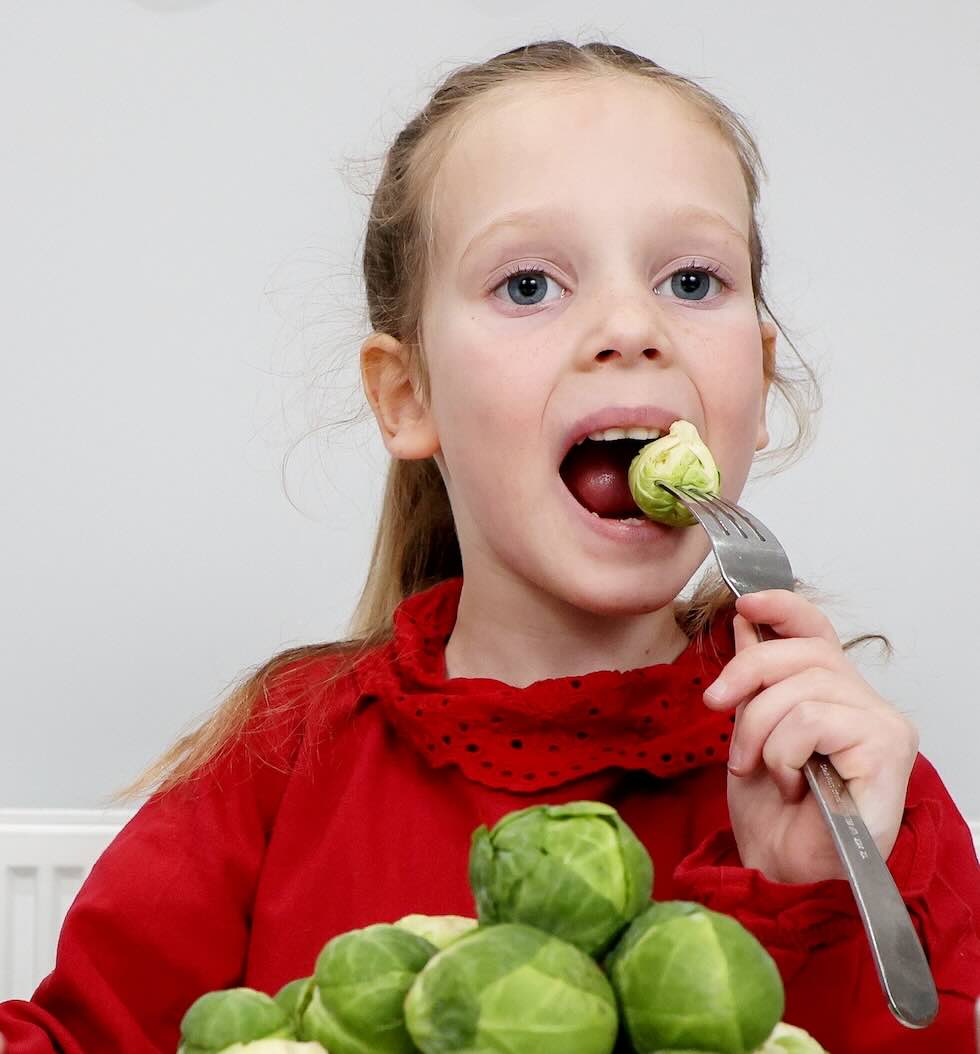
A fussy five-year-old girl has overcome her phobia of vegetables and now loves Brussels sprouts–just in time for her mother’s Christmas dinner.

Emie Williams would scream and cry if her mom, Hayley, tried to give her anything except crackers, french fries, or other beige-colored foods.

It meant family meals were fraught with conflict—Emie wanting different food and refusing to even taste hot dinners.

“She’d just refuse to eat any vegetable or any meat. We took her for check ups and health visits for advice but they just said give her what she wants because it’s probably a phase.”

But Hayley suspected that she may have ARFID (Avoidant/Restrictive Food Intake Disorder), believing she had “all the signs”.

Emie’s energy levels dipped, and she would get really tired at the end of the day.

“I explained (to doctors) that if I don’t give her what she wanted then she wouldn’t eat.”

Last month, Emie had a routine health check-up and a blood test revealed she had erratic sugar levels, so Hayley and her husband took their daughter to the hospital where doctors warned them Emie was in danger of developing diabetes unless she changed her diet.

In desperation, Hayley decided to take drastic action and contacted David Kilmurry, who specializes in obsessive eating conditions.

“We were pretty desperate when we contacted David but the results have been amazing,” the mother-of-3 from Coventry, England, told the SWNS news agency.

After a series of two-hour sessions, Emie now counts 30 foods that she willingly eats. Her favorite is Brussel sprouts, which she even enjoys raw.

Emie Williams eating her new favorite food, Brussel sprouts – SWNS

Due to her age, Emie was not hypnotized, but David, a cognitive behavioral hypnotherapist, sat with the youngster and gradually encouraged her to try different foods.

Hayley attended all the sessions and just watched Kilmurry at work.

“He’d do magic tricks and talk to Emie to gain her trust, and then brought out different foods.

“Slowly, she tried more and more until she was really enjoying apples and oranges.

“She’s really taken with Brussel sprouts, especially eating them raw. I can’t wait to see her enjoying her first ever Christmas dinner with all the trimmings.”

David, who runs practices in Coventry and London, said: “ARFID isn’t taken seriously enough.“It doesn’t just go away.” Fussy Girl Overcomes Vegetable Phobia and Now Loves Brussels Sprouts Thanks to Eating Disorder Specialist
Read More........

Feeding Blueberries to Babies May Reduce Allergy Symptoms and Improve Gut Health

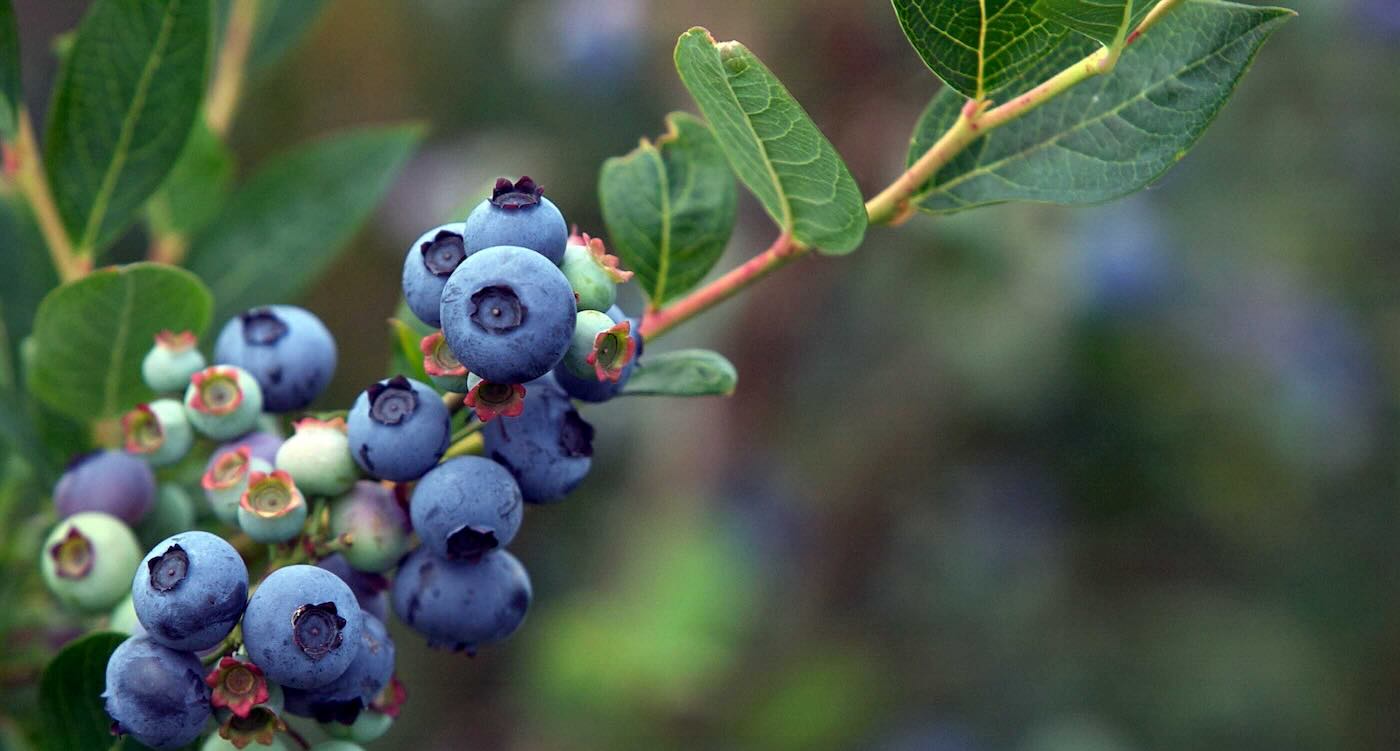
Blueberries on the shrub – SWNS

Feeding blueberries to babies may reduce allergy symptoms and improve their gut health, according to new research.

The ground-breaking clinical trial shows consuming the fruit early in life can improve immunity and support long-term health.

Feeding blueberries to babies as one of their first solid foods may help strengthen their immune systems, reduce allergy symptoms and support healthy gut development, says scientists at the University of Colorado.

To safely introduce the “superfood” to younger infants, the research team recommend pureeing them.

For older babies and toddlers, they say blueberries should be mashed or cut into small pieces to eliminate choking hazards.

The study, published in the journal Frontiers in Nutrition, is the first of its kind to rigorously test the effects of a specific food on infant health using a randomized, placebo-controlled clinical trial.

“For parents beginning to wean their infants, it’s incredibly difficult to find solid, research-backed advice on what foods to introduce,” said the study’s senior author Professor Minghua Tang, from the University of Colorado in Anschutz.

“This study is a critical first step in filling that gap by offering real data on how a specific food like blueberries can improve your infant’s health.”

The researchers followed 61 babies in the Denver area from five to 12 months of age.

Each day, participants consumed either freeze-dried blueberry powder, or a placebo powder with no blueberries.

Parents were free to feed their children as they normally would, simply adding the powder to their daily routine.

The research team collected stool and blood samples every two months to monitor changes in the infants’ gut bacteria, immune system biomarkers and allergy-related outcomes. They also tracked growth and dietary habits.

Key findings included improved allergy symptoms in babies who consumed blueberry powder, reduced inflammation and signs of a stronger immune response, and “positive” shifts in gut microbiota—with changes considered beneficial for immune health.

“This research supports the idea that blueberries are not only safe for infants but also offer meaningful health benefits,” added Professor Tang.

“Just a few blueberries a day could make a difference in supporting long-term health.”

“We view infancy as a critical window of opportunity and what we introduce during this time can have lasting effects as children grow.”The research team is continuing to explore what other early foods might help support healthy gut bacteria and a strong immune system as babies grow to ensure there’s better guidance in place for parents. Feeding Blueberries to Babies May Reduce Allergy Symptoms and Improve Gut Health
Read More........

Eating Baby Carrots 3 Times a Week May Provide Significant Health Benefits

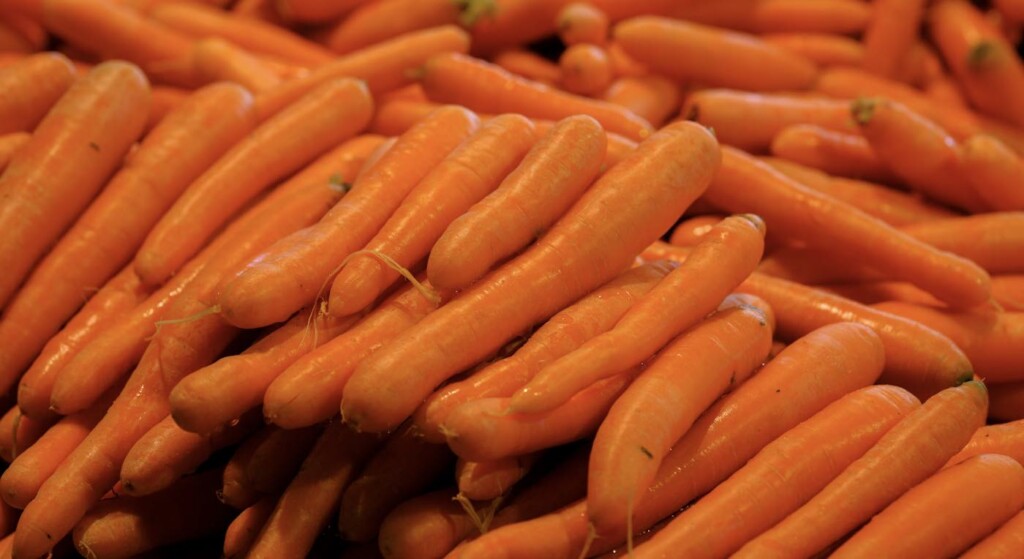
By engin akyurt

A new study found that eating a snack of baby carrots just three times a week significantly increased skin carotenoids in young adults. Levels of these phytonutrients were boosted even more when combined with a multivitamin containing beta carotene.

Carotenoids are responsible for the red, orange, and yellow pigments in many fruits and vegetables—and when it’s measured in the skin it shows how many fruits and vegetables you’ve been eating.

Higher levels of skin carotenoids are linked to increased antioxidant protection, and a lower risk of chronic diseases like heart disease and some cancers. This marker also reflects improved skin health and immune function.

“Previous studies have demonstrated that skin carotenoid levels can be increased by consuming three times the recommended serving of fruits and vegetables every day for three weeks,” said Mary Harper Simmons, a Master of Science in Nutrition student at Samford University.

“Our findings suggest that a small, simple dietary modification — incorporating baby carrots as a snack — can significantly increase skin carotenoid accumulation.”

Simmons presented the findings at the annual meeting of the American Society for Nutrition held June 29–July 2 in Chicago.

For the study, the researchers randomly assigned 60 young adults to groups that received a four-week intervention of either Granny Smith apple slices (the control group), 100 grams of baby carrots (around 1/2 cup), a multivitamin supplement containing beta carotene, or a combination of baby carrots and the supplement.

Before and after the intervention, they used a noninvasive research-grade spectroscopy instrument called a VeggieMeter to detect and quantify carotenoids in the skin of the study participants.

The team found that compared to their baseline levels, skin carotenoid scores were significantly increased by 10.8% in the group receiving the baby carrots and by 21.6% in the group receiving the carrots and the supplement. Skin carotenoid levels remained unchanged in the apple group, and in those receiving just the multi-vitamin supplement.

“We found that the combination of baby carrots and a multivitamin supplement that contains beta carotene can have an interactive effect on skin carotenoid accumulation,” said Simmons. “To get a beneficial effect, people should choose a multivitamin that contains beta carotene, and remember to eat baby carrots at least three times a week.”

Since carotenoid accumulation was not increased by multivitamin supplementation alone there could be differences in how carotenoids are absorbed, depending on whether they are from food or supplements.

The researchers would like to explore the mechanism behind these findings and study the effects of other carotenoid-rich foods, such as sweet potato or green leafy vegetables.The team noted that their current findings should be considered preliminary until a peer-reviewed publication is available. Eating Baby Carrots 3 Times a Week May Provide Significant Health Benefits
Read More........

Speed Up Weight Loss with Fruits and Vegetables!


While some of us find our waistlines expanding with each year, there are others who stay slim & slender throughout their lives! Are these ‘born-slim’ folks genetically gifted, or whether they were in possession of a magic secret resembling the fountain of youth?? The study found that getting a large part of nutrition from fruits and vegetables played a big part in keeping these people trim and youthful.

Fruits and vegetables are low in calories, high in volume, and high in critically important nutrients. They provide the feeling of satiety that goes with fullness. When the stomach is filled with high volume foods that are not high in calories, there is less room to pack in more calorie dense foods.

Eating fruits and vegetables can turn off cravings for other types of foods and short circuit the food addiction cycle, helping to provide a boost to weight loss efforts.Nature has built into each of us the desire to eat because eating provides the body with the nutrition to function and maintain itself. If people choose to eat foods that do not contain the nutrients needed, the body will continue to send the signal that more eating is needed.

Fruits and vegetables are nutrition powerhouses containing the vitamins, minerals, enzymes, fiber, antioxidants and protein needed for good health and avoidance of disease. When they are eaten, the body is satisfied and the signal to continue eating is extinguished.

Eating Fruits and Vegetables Lowers the, Energy Density of the Diet

Various studies have shown that reducing the energy density of the diet by the addition of fruits and vegetables was associated with substantial weight loss. Since people tend to eat a consistent weight of food, when the energy density of the food is reduced, energy intake is also reduced.

Substituting beans and lentils for meat is a great way to lower the energy density of a meal. The calories are about the same, but beans and lentils are high in fiber. Beans and lentils are more filling than meat because a quarter pound of beans has a greater volume than a quarter pound of meat.

To get real impact on weight and health, intake of fruits and vegetables must be drastically increased. People increasing their fruit and vegetable intake while lowering the intake of foods deficient in nutrients will begin to see a difference in their weight and their energy levels. The extra energy you have may even increase your interest in exercise. Replacing many meat and dairy products with fruits and vegetables will help you quickly lose any unwanted pounds. HerbHealtH: Speed Up Weight Loss with Fruits and Vegetables!
Read More........

Eating Baby Carrots 3 Times a Week May Provide Significant Health Benefits

By engin akyurt

A new study found that eating a snack of baby carrots just three times a week significantly increased skin carotenoids in young adults. Levels of these phytonutrients were boosted even more when combined with a multivitamin containing beta carotene.

Carotenoids are responsible for the red, orange, and yellow pigments in many fruits and vegetables—and when it’s measured in the skin it shows how many fruits and vegetables you’ve been eating.

Higher levels of skin carotenoids are linked to increased antioxidant protection, and a lower risk of chronic diseases like heart disease and some cancers. This marker also reflects improved skin health and immune function.

“Previous studies have demonstrated that skin carotenoid levels can be increased by consuming three times the recommended serving of fruits and vegetables every day for three weeks,” said Mary Harper Simmons, a Master of Science in Nutrition student at Samford University.

“Our findings suggest that a small, simple dietary modification — incorporating baby carrots as a snack — can significantly increase skin carotenoid accumulation.”

Simmons presented the findings at the annual meeting of the American Society for Nutrition held June 29–July 2 in Chicago.

For the study, the researchers randomly assigned 60 young adults to groups that received a four-week intervention of either Granny Smith apple slices (the control group), 100 grams of baby carrots (around 1/2 cup), a multivitamin supplement containing beta carotene, or a combination of baby carrots and the supplement.

Before and after the intervention, they used a noninvasive research-grade spectroscopy instrument called a VeggieMeter to detect and quantify carotenoids in the skin of the study participants.

The team found that compared to their baseline levels, skin carotenoid scores were significantly increased by 10.8% in the group receiving the baby carrots and by 21.6% in the group receiving the carrots and the supplement. Skin carotenoid levels remained unchanged in the apple group, and in those receiving just the multi-vitamin supplement.

“We found that the combination of baby carrots and a multivitamin supplement that contains beta carotene can have an interactive effect on skin carotenoid accumulation,” said Simmons. “To get a beneficial effect, people should choose a multivitamin that contains beta carotene, and remember to eat baby carrots at least three times a week.”

Since carotenoid accumulation was not increased by multivitamin supplementation alone there could be differences in how carotenoids are absorbed, depending on whether they are from food or supplements.

The researchers would like to explore the mechanism behind these findings and study the effects of other carotenoid-rich foods, such as sweet potato or green leafy vegetables.

The team noted that their current findings should be considered preliminary until a peer-reviewed publication is available Eating Baby Carrots 3 Times a Week May Provide Significant Health Benefits
Read More........

7 benefits of eating papaya on empty stomach every day

Papaya, thanks to its digestive enzyme papain and loads of dietary fibre, is a superfood for your gut health © Provided by Hindustan Times
Eating a bowl of papaya every day on empty stomach can keep your constipation woes away apart from nourishing your body with a variety of vitamins and minerals. The wonder fruit is a natural laxative that can keep bowel movements smooth. The sweet and juicy fruit can also work wonders for your energy levels. It is a storehouse of Vitamin C and can also help reduce stress. Papaya, thanks to its digestive enzyme papain and loads of dietary fibre, is a superfood for your gut health as apart from constipation it can also help treat indigestion, heartburn, acid reflux, and stomach ulcers. (Also read: Amazing benefits of having ginger juice on empty stomach as per nutritionists)

A nutrient powerhouse, papaya has vitamin A, vitamin C, and vitamin E., folate, magnesium, folate, potassium, and copper. Papaya also makes sure you absorb nutrients of your meal better. Apart from that papaya can help detoxify the body naturally. Eating papaya in morning can boost satiety as it can keep hunger pangs at bay.

"Papaya is rich in enzyme Papain which lends many benefits to the fruit, especially in relieving constipation and aiding digestion. Consuming papaya in the morning on empty stomach can help in body detox and digestion. Papaya fruit is rich in antioxidants and one can consume papaya in breakfast or in the evening," says Shruti K Bhardwaj, Chief Dietician Zydus Hospitals, Ahmedabad.

Dr Rohini Patil, MBBS & Nutritionist, Founder of Nutracy Lifestyle, who specialises in the field of diet and nutrition feels the ideal time of eating papaya is two hours post any meal.

"Choosing to consume papaya on an 'empty stomach' typically refers to a period of about two hours post any meal. During this time, digestive processes are less active, creating an optimal environment for several benefits," says Dr Patil, as she elaborates on benefits of eating the fruit every day.
  • 1. Optimized digestion : Enzymes like papain in papaya work more efficiently when digestive activity is reduced, enhancing protein digestion and minimizing the risk of indigestion.
  • 2. Increased nutrient absorption: Consuming papaya two hours post-meal ensures that the fruit's nutrients are absorbed effectively, as there is less competition from other foods being processed in the digestive system.
  • 3. Natural detoxification: The two-hour post-meal window aligns with a phase when the digestive system is less burdened, allowing papaya's fibre content to effectively support natural detoxification and the elimination of waste and toxins.
  • 4. Stabilized blood sugar levels: Waiting 2 hours after a meal to consume papaya helps in avoiding potential spikes in blood sugar levels, promoting better glycaemic control.
  • 5. Enhanced satiety: Consuming papaya during this period contributes to a sense of fullness, making it an ideal snack for those seeking weight management benefits.
  • 6. Improved nutrient utilization: The body is in a state of heightened nutrient utilization during this time, ensuring that the vitamins, minerals, and antioxidants in papaya are effectively utilized by the body.
  • 7. Prevention of digestive discomfort: Having papaya two hours post-meal reduces the likelihood of digestive discomfort or bloating that can occur when combining certain fruits with a heavy meal.Read more news like this on HindustanTimes.coma2z Information: 7 benefits of eating papaya on empty stomach every...:
Read More........

How do I keep my fruit, veggies and herbs fresh longer? Are there any ‘hacks’?

We all know fresh produce is good for us, but fruit, vegetables and herbs have a tendency to perish quickly if left uneaten.

This is because even after harvesting, produce from living plants tends to continue its biological processes. This includes respiration: producing energy from stored carbohydrates, proteins and fats while releasing carbon dioxide and water vapour. (Ever found a sprouting potato in your pantry?)

On top of that, fresh produce also spoils easily thanks to various microbes – both harmless and ones that can cause disease, called pathogens.

Simply chucking things in the fridge won’t solve the problem, as different types of plants will react differently to how they’re stored. So, how can you combat food waste and keep produce fresh for longer? Fortunately, there are some helpful tips.

Freshness and quality begin at the farm

Farmers always aim to harvest produce when it’s at an optimal condition, but both pre-harvest and post-harvest factors will affect freshness and quality even before you buy it.

Pre-harvest factors are agricultural, such as climatic conditions, soil type and water availability. Post-harvest factors include washing and cleaning after harvesting, transportation and distribution, processing and packaging, and storage.

As consumers we can’t directly control these factors – sometimes the veggies we buy just won’t be as good. But we can look out for things that will affect the produce once we bring it home.

One major thing to look out for is bruised, wounded or damaged produce. This can happen at any stage of post-harvest handling, and can really speed up the decay of your veggies and fruit.

Moisture loss through damaged skin speeds up deterioration and nutrient loss. The damage also makes it easier for spoilage microbes to get in.

To wash or not to wash?

You don’t need to wash your produce before storing it. A lot of what we buy has already been washed commercially. In fact, if you wash your produce and can’t get it completely dry, the added moisture could speed up decay in the fridge.

But washing produce just before you use it is important to remove dirt and pathogenic bugs.

Don’t use vinegar in your washing water despite what you see on social media. Studies indicate vinegar has no effect on lowering microbial loads on fresh produce.

Similarly, don’t use baking soda. Even though there’s some evidence baking soda can remove pesticide residues from the surface of some produce, it’s not advisable at home. Just use plain tap water.

Location, location, location

The main thing you need is the correct type of packaging and the correct location – you want to manage moisture loss, decay and ripening.

The three main storage options are on the counter, in the fridge, or in a “cool, dry and dark place”, such as the pantry. Here are some common examples of produce and where best to put them.

Bananas, onion, garlic, potatoes, sweet potato and whole pumpkin will do better in a dark pantry or cupboard. Don’t store potatoes and onions together: onions produce a gas called ethylene that makes potatoes spoil quicker, while the high moisture in potatoes spoils onions.

In fact, don’t store fruits such as apples, pears, avocado and bananas together, because these fruits release ethylene gas as they ripen, making nearby fruits ripen (and potentially spoil) much faster. That is, unless you do want to ripen your fruits fast.

All leafy greens, carrots, cucumbers, cauliflower and broccoli will do best in the low-humidity drawer (crisper) in the fridge. You can put them in perforated plastic bags to retain moisture but maintain air flow. But don’t put them in completely sealed bags because this can slow down ripening while trapping carbon dioxide, leading to decay and bad smells.

Some fruits will also do best in the fridge. For example, apples and citrus fruits such as oranges can keep fresh longer in the fridge (crisper drawer), although they can stay at room temperature for short periods. However, don’t store watermelon in the fridge for too long, as it will lose its flavour and deep red colour if kept refrigerated for longer than three days.

Most herbs and some leafy vegetables – like celery, spring onions and asparagus – can be kept with stems in water to keep them crisp. Keep them in a well-ventilated area and away from direct sunlight, so they don’t get too warm and wilt.

Experimenting at home is a good way to find the best ways to store your produce.

Fight food waste and experiment

Don’t buy too much. Whenever possible, buy only small amounts so that you don’t need to worry about keeping them fresh. Never buy bruised, wounded or damaged produce if you plan to keep it around for more than a day.

“Process” your veggies for storage. If you do buy a large quantity – maybe a bulk option was on sale – consider turning the produce into something you can keep for longer. For example, banana puree made from really ripe bananas can be stored for up to 14 days at 4°C. You can use freezing, blanching, fermentation and canning for most vegetables.

Consider vacuum sealing. Vacuum packaging of vegetables and berries can keep them fresh longer, as well. For example, vacuum-sealed beans can keep up to 16 months in the fridge, but will last only about four weeks in the fridge unsealed.

Keep track. Arrange your fridge so you can see the produce easily and use it all before it loses freshness.

Experiment with storage hacks. Social media is full of tips and hacks on how best to store produce. Turn your kitchen into a lab and try out any tips you’re curious about – they might just work. You can even use these experiments as a way to teach your kids about the importance of reducing food waste.

Grow some of your own. This isn’t feasible for all of us, but you can always try having some herbs in pots so you don’t need to worry about keeping them fresh or using up a giant bunch of mint all at once. Growing your own microgreens could be handy, too.The Conversation

Senaka Ranadheera, Associate Professor, The University of Melbourne

This article is republished from The Conversation under a Creative Commons license. Read the original article.

Read More........

Parents Reveal Their Top 10 Sneaky Techniques for Getting Kids to Eat Vegetables


It can be quite a struggle for parents to get stubborn children to eat their vegetables—which is why generations of them have come up with creative methods for sneaking nutrition into their kids’ diets.

In the survey of 2,000 parents with children under 18, half declared a parenting ‘win’ whenever their child requested a healthy snack. 53% said another win was watching them actually enjoying that healthy snack.

These wins could arguably be the most satisfying for parents too, because 55% of respondents agreed getting their child to eat healthy food was “difficult”.


Conducted by OnePoll on behalf of Pirate’s Booty for National Snack Food Month in February, the survey looked at the top tips and hacks parents use to assist them in scoring those parentings wins.

Fifty-five percent of respondents said they’ve employed the “stealth health” technique to help them maintain a well-rounded and nutritious diet for their children.

21% of parents polled really dedicate themselves to stealth health by pureeing, dicing, or even grating vegetables so they can be snuck into a plate undetected.

Creativity is also key for parents—from slipping spinach into brownies or placing veggies underneath the cheese in pizza. One respondent even said they mix powdered baby food into mac n’ cheese in order to keep their kids eating their veggies.

‘Chicken nuggets’ is another key to stealth health, as twenty-two percent of parents surveyed said they’ve told their children breaded vegetables were chicken nuggets to help persuade the little ones to eat them and 21% said they’ve told their children all meat is chicken nuggets to give them a boost to eat it.

The most successful tip to keep their kids eating healthy, however, is simply allowing them to lend a hand in the kitchen (37%). Any way you slice it, adults all love those satisfying little ways we manage to empower ourselves while raising their brood.

WHAT ARE THE TOP 10 HACKS PARENTS USE TO MAINTAIN A NUTRITIOUS DIET FOR THEIR FAMILY? Survey Says…
  • 1. Allowing your child to help cook meals so they will be more likely to eat them
  • 2. Letting your child pick their own healthy snacks
  • 3. Letting your child pick a few meals for the family to have each week
  • 4. Only letting your child eat dessert if they’ve finished their vegetables
  • 5. Switching the packaging from an unhealthy snack to a healthy snack
  • 6. Bribing your child with a treat to get them to finish their dinner
  • 7. Letting your child put a little ketchup on things they don’t like, so they will eat them
  • 8. Using the “one more bite” rule over and over to get your child to finish their meal
  • 9. Buying snacks with characters your child likes on the packaging so they would be more likely to eat it
  • 10. Making faces with the food so your child will be entertained and be more likely to eat it. 
Read More........

Tomato Juice Can Kill Salmonella and Other Bacteria with Its Super Anti-Microbial Properties

Mar Styazhkin, Unsplash

Scientists have shown that tomato juice kills a particular bacteria responsible for Typhoid fever, a debilitating tropical disease, in addition to other bacteria that can harm people’s digestive and urinary tract health.

Salmonella Typhi is a human-specific pathogen often transmitted in food that not only causes all the symptoms of food poisoning but the potentially deadly Typhoid fever, which even after decades of medical advancement is still a major worldwide public health concern.

The team behind the discovery—from Cornell University, New York, set out to discover which antimicrobial peptides in tomato juice made it so effective against Salmonella.


First they checked to see if tomato juice really does kill Salmonella Typhi and once they had confirmed it did, the team looked at the tomato genome to find the antimicrobial peptides that were involved.

The most significant discovery is that tomato juice is effective in eliminating Salmonella Typhi, its hypervirulent variants, and other bacteria that can harm people’s digestive and urinary tract health.

In particular, the team identified in their recently published paper antimicrobial peptides that can eliminate these pathogens by impairing the bacterial membrane, a protective layer that surrounds the pathogen and keeps it together.

Perhaps substantiating the finding is the fact that as far back as February 2018, the FDA has not registered a single instance of a product recall or advisory from a major food company because of Salmonella contamination that involves tomatoes or tomato juice.The researchers said they hope that when the public learns about the outcome of the study, they will want to eat and drink more tomatoes as well as other fruits and vegetables.Tomato Juice Can Kill Salmonella and Other Bacteria with Its Super Anti-Microbial Properties
Read More........

First harvest of Himsona tomato variety in J&K

JAMMU, MARCH 12: Director Agriculture Production and Farmers Welfare Jammu Arvinder Singh Reen, inaugurated the first harvest of the Himsona tomato variety, here today. The Director picked up these high-quality tomatoes, grown under the controlled conditions of Naturally Ventilated Poly Green House (NVPGH) structure. Speaking on the occasion, the Director said that this marks a significant achievement for the Vegetable Improvement Scheme, showcasing the potential for cultivating advanced and productive tomato varieties in the Jammu region. He emphasised farmers to cultivate Himsona tomato variety which has high yield potential, long duration variety and good for long distance transportation. During the programme JD Inputs Sanjay Verma, JD Extension Satish Sharma, Agronomist Vegetable Development Scheme Jammu Vikas Padha besides other field staff of vegetable improvement scheme were also present at the inaugural function. First harvest of Himsona tomato variety in J&K
Read More........

Support for nutrition, fitness and lifestyle can increase engagement in wider health benefits

Workplace health benefits should include support for nutrition, fitness and lifestyle to encourage greater engagement and utilisation, according to digital health app, Peppy. 

Support for more general health matters such as diet and exercise can be beneficial to those employees who have underlying conditions, and it can also provide a route to harder-to-engage demographics, who don’t see themselves as the target audience for health benefits. For example, men who often interact less with traditional health benefits, or younger employees who feel such benefits might not be relevant.

According to new research1 from Peppy, just over a third (37%) of employers recognise that it is ‘very important’ that employee benefits for both men’s and women’s health are backed up with support on wider health matters such as physical activity and nutrition. A further 48% thought it was ‘somewhat important’ and 14% thought ‘not important’.

Dr Mridula Pore, CEO of Peppy said: “It’s positive to see employers acknowledging that lifestyle support is important in health benefits. However, communication around worst-case scenarios such as cancer or serious mental health issues may not trigger as many employees to engage. And if employees are at arm’s length from their health benefits, they will not truly appreciate or benefit from the depth and breadth of the support available.”

What is lifestyle support?

Peppy explains that employers can promote lifestyle support by specifically targeting areas such as more effective ways to exercise or train, the benefits of good nutrition and improving sleep. In these cases, employees can be reluctant to approach their GP as they are not considered ‘ill’, but they can certainly benefit from support.

Benefits of lifestyle health support

While many employees may not have a diagnosed condition, the majority will benefit from personalised support on improving lifestyle and habits, such as fitness, better understanding of nutrition and encouraging mental resilience. Peppy believes that employees are more likely to engage when the area is relevant to them and if they have spoken to a real, human expert in that field, thus resulting in better health outcomes for the individual.

Once an employee is engaged with their health benefits, other concerns can be addressed which plays a crucial role in prevention and early intervention.

Engagement is key

Health benefits are provided first and foremost to support the employee but the benefits to the employer are also well documented in terms of productivity, recruitment, and retention. However, employees do not become more effective or more loyal by simply being offered these benefits – they must engage with them. So, it is crucially important that employers find a way to encourage all staff to utilise their health benefits to maximise the return on their investment.

Dr Mridula Pore, CEO of Peppy said: “Deploying lifestyle support is a great tactic to engage many more staff with health benefits in the longer term – we particularly see this with our male users. Offering this support also maximises the opportunity to improve staff health. This is true for all staff but particularly so for specific demographics, such as men, who are much more inclined to initially engage in areas that focus on lifestyle.

“For some employees this might mean supporting them in planning a training programme to meet their fitness goals, for others it will be understanding how they can improve their sleep. “As well as the business advantages of having a workforce engaged with their health benefits, there is also a more intangible emotional value here that centres on whether staff feel cared for and whether they are living their best life. This is becoming increasingly important for employers to understand and action.”Support for nutrition, fitness and lifestyle can increase engagement in wider health benefits
Read More........

5 Best Juice Recipes for Life

1. The best juice for Healthy Skin: Cucumber: "Fruit and vegetable juices, prepared in the right combinations, can help you to remove crud from your blood and tissues and restore alkalinity and balance to your system," says Noelle Swatland of GreenLemonade.com. "You see the benefits of this crud removal in younger looking skin and greater energy." Swat land's favorite skin booster? Cucumber. "Consisting of over 90-percent water, cucumbers are a naturally cooling and hydrating food," she says. Plus, they're rich in minerals such as potassium, magnesium, and silica, which is believed to improve complexion and youthful radiance of your skin .

Ingredients:
  • 1-2 Cucumbers
  • For a touch of sweetness, add a small piece of apple.
2. The best juice for Anti-Aging: Blueberries, Strawberries, & Kale
When stress, free-radicals, and lack of exercise and sleep attempt to age your skin, Patty James, certified natural chef and author of More Vegetables Please!, recommends fighting off Mother Nature with antioxidant -packed fruits and veggies that can easily be juiced.

Ingredients:
  • 1 1/2 cups liquid of your choice (water or any kind of milk)
  • 1 cup blueberries
  • 1/2 cup strawberries
  • 1 large leaf kale (thick stem removed)
  • 1/2 medium beet
3. The best juice to boost your $ex Drive: Celery
While oysters and chocolate are a delicious way to get you and your partner in the mood, they're not so appealing juiced. Thankfully, James' top libido-boosting foods are also delicious in liquid form. "Celery contains an ingredient that increases those well-known pheromones in men that send out signals to women saying 'here I am'," James says. "Watermelon helps to relax the blood vessels that increase $ex drive, and avocados contain a B vitamin said to boost male hormone production."

Ingredients:
  • 2 cups coconut water
  • 2 stalks celery
  • 1/2 banana
  • Ginger (a small piece)
  • 1/2 Avocado
  • Basil (a handful)
  • 3 figs
4. The best juice to boost your immune system: Broccoli
Sip on this to stay well all year! "Broccoli is very high in vitamin C , which increases the production of infection-fighting white blood cells," Judita Wignall, author of Going Raw says. "Garlic contains sulfur-containing compounds that have powerful immune-boosting antimicrobial properties."

Ingredients:
  • 1 small beet
  • 3 carrots
  • 8 stalks celery
  • 1 stalk broccoli
  • 2 cloves garlic
The best foods to boost your Immunity

Monsoon can be a hugely vulnerable time for the body, with pesky germs thriving on the warmth of well-incubated office blocks, houses and shops. With so much illness about, it’s almost inevitable that you’ll feel a slight twinge in your throat at some point. But thankfully there are easy ways to combat the onset of germs. Indeed, you can save yourself a lot time and money by avoiding the pharmacy altogether and simply eating your way towards better immunity. White blood cells in the body work to fight bacteria and harmful toxins. However, to perform effectively, these cells need to regenerate in an effort to defend you from feeling ill. There are a number of key foods we can consume to feed our white blood cells with the nutrients they need to thrive and these may include the following:

5. The best juice for stress relief: Carrots
When Eat Naked author Margaret Floyd needs to wind down after a long day, she turns to spinach . "Spinach is high in the amino acid tryptophan, which helps elevate your mood and promotes better sleep," Floyd says. "It's also high in magnesium, which helps to relax nerves and muscles."

Ingredients:
  • 2 big handfuls Spinach
  • 3-4 stalks Broccoli
  • 3-4 stalks Celery1 large or 2 small carrots
Read More........

Consuming fruit, vegetables and exercising can make you happier: Study

WASHINGTON: A new study has found that fruit and vegetable consumption and exercise can increase levels of happiness. The findings of the study were published in the 'Journal of Happiness Studies'. While the link between lifestyle and wellbeing has been previously documented and often used in public health campaigns to encourage healthier diets and exercise, new findings showed that there is also a positive causation from lifestyle to life satisfaction. This research is the first of its kind to unravel the causation of how happiness, the consumption of fruit and vegetables and exercising are related, rather than generalising a correlation. The researchers, Dr Adelina Gschwandtner (University of Kent's School of Economics), Dr Sarah Jewell and Professor Uma Kambhampati (both from the University of Reading's School of Economics), used an instrumental variable approach to filter out any effect from happiness to lifestyle. It showed that it is rather the consumption of fruit and vegetables and exercising that makes people happy and not the other way round. Findings demonstrate that the ability of individuals to delay gratification and apply self-control plays a major role in influencing lifestyle decisions, which in turn has a positive impact on wellbeing. The research also shows that men appear to exercise more, and women eat more fruit and vegetables. With it being well known that lifestyle diseases are a leading cause of ill health and mortality worldwide, and the UK having one of the highest obesity rates in Europe, these findings could have significant implications for public health policy. Dr Gschwandtner said, "Behavioural nudges that help the planning self to reinforce long-term objectives are likely to be especially helpful in maintaining a healthy lifestyle. If a better lifestyle not only makes us healthier but also happier, then it is a clear win-win situation." Professor Kambhampati said, "There has been a bigger shift in recent years for healthier lifestyle choices. To establish that eating more fruit and vegetables and exercising can increase happiness as well as offer health benefits is a major development. This may also prove useful for policy campaigns around environment and sustainability.", Copyright © Jammu Links News Source: Jammu Links News
Read More........

Eat more ‘Dragon’ fruit to reduce weight


Excessive weight causes various physical and skin problems. To lose weight people follow many diet charts and go to the gym regularly. However, dragon fruit is very useful to lose weight. This red fruit is usually the favorite fruit of South Americans.

However, it is also available in Vietnam, Thailand, and China. Dragon fruit is currently found in our country as well. Let’s know how dragon fruits help you to lose weight and get rid of acne.

> Apply dragon fruit juice on acne and its spots to get rid of the acne problem.

> You can scrub the skin by mixing some sugar with it. Again, you can mix vitamin C serum and apply it to acne.

> Make a paste by mixing 1/4 dragon fruit with vitamin E capsules. Now apply it on your skin for 15 minutes. Then rinse well in cold water.

> Eat dragon fruits regularly to lose weight. The fiber in it will help your digestion. It will keep the stomach full for a long time. As a result, you can refrain from eating repeatedly. This will reduce weight very quickly. Source: https://www.daily-bangladesh.com/
Read More........

Seven fruits’ peel to have health benefits


Everyone likes to eat nutritious fruits; the fruits with sweet or sour taste relieve various diseases of our body. But, not only fruit some fruits’ peel also has many health benefits!

Apple peel

Apple peel contains fiber that helps reduce constipation with enhancing immunity as well as helping to prevent cancer.

Lemon peel

Lemon peel contains vitamin C and antiseptic ingredients which help to reduce stress.

Papaya peel

Papaya peel keeps the intestines clean and keeps health good. However, it is safe to eat any food before or after understanding the condition of the body.

Orange peel

Orange peel contains vitamin C and antioxidants. It works to cut fat; reduces constipation and respiratory problems.

Banana peel

The banana peel works to whiten teeth. Applying it on the skin reduces the burning sensation and rash on the skin.

Pomegranate peel

Pomegranate peel contains nutrients and vitamins. It works to prevent heart disease; Reduces sore throat and strengthens bones.

Watermelon peel

The white part of the watermelon peel reduces the weight. It keeps the skin and hair well and nourishes the cells.Source: https://www.daily-bangladesh.com
Read More........

The Health Benefits of Eating Beets


By Paul Ebeling : “ Beets are rich in nutrients that boost brain health, especially antioxidant flavonoids that protect the brain from age-related oxidative stress,” notes Dr. Gary Small, director of the UCLA Longevity Center and author of The Mind Health Report newsletter.

Below is a rundown on what the latest studies show about how the red root vegetable may help combat a variety of health conditions, as follows:

Anti-aging: According to several studies by Oxford Brooks University in the UK researchers and others, beet juice, more than any other vegetable beverage helps protect against oxidative stress damage to DNA, linked to aging.

Helps brains work better: Researchers at Wake Forest University in Winton-Salem, NC found beet juice supplements boosted the brain function of 26 sedentary men and women with high blood pressure. When taken before exercise, participants’ brains performed better, acting more like younger brains, than individuals who took an inactive placebo.

Lowers blood pressure: Beets are rich in dietary nitrate, which widens blood vessels, and allows blood to flow more easily through the body. This is why multiple studies, including one published in the American Heart Association’s journal Hypertension, have found beet juice is a powerful aid in lowering blood pressure. Researchers found that drinking 8 ounces of beet juice daily lowered blood pressure by 10 mm Hg. In fact, people on hypertension medication may want to check with their doctor before using beet juice for this purpose, to make sure they don’t experience a low blood pressure dip, the researchers warned.

Improves quality of life for heart failure patients: Taking beet supplements may increase the ability of people with congestive heart failure to exercise, which can improve quality of life, new researchfinds. The Indiana University study examined the effect of the supplements in whose hearts do not pump strongly enough. Those taking the supplements had significant increases in exercise duration and peak oxygen uptake while exercising, the study found.

Boosts exercise endurance: The power of beets to boost exercise endurance is not limited to people with heart failure. A small study by researchers at Wake Forest Baptist Medical Center in Winston-Salem, NC, found that beet supplements enabled healthy people to perform aerobic exercise better.

Prevents cancer: A study published in the Journal of Complementary & Integrative Medicine found that, when beetroot extract was added to the drinking water of animals in laboratory studies, tumor growth was reduced pancreatic, breast and prostate cancer cells.

Improves eye health: It is not just beets and beet juice that are beneficial; beet greens are rich in the carotenoid lutein, which helps protect against cataracts and age-related macular degeneration, the leading causes of blindness in the US, the American Optometric Association says.

While beets, beet juice, and beet greens are generally considered safe, they are high in dietary oxalates. As a result, if you are susceptible to kidney stones or gout, you may want to check with your doctor 1st before consuming them.

Also be aware that beet and beet juice consumption may stain your urine, or stool, red, which can be easily mistaken for blood.

To add more beets to your diet, nutritionist Vicki Shanta Retelny, author of “Total Body Diet for Dummies,” offers the following tips:
  • Chop beets and add to mixed green salads
  • When making pesto, substitute beetroot leaves for basil
  • Mix cubed beets into tuna, crab, or chicken salads
  • Puree beets into soup. (Borscht is soup made from beets)
  • Sauté diced beets into a veggie hash and serve with eggs
  • Puree beets into smoothies
  • Freeze beet juice into molds for popsicles
  • Roast beets with other root veggies with a hint of oil, rosemary, and garlic
  • Pile sliced beets into a sandwich with hummus, turkey breast, and lettuce
  • Cut beets into coleslaw by combining with green cabbage and carrots with light vinaigrette dressing
  • Puree beets and blend them into muffin and brownie batter
Eat healthy, Be healthy, Live lively Source: Live Trading News
Read More........

Leafy greens keep elderly sharp


It has been previously reported that nutrients such as vitamin K, lutein, folate and beta carotene (among others) have been shown to slow the cognitive decline typical of aging and now a group from Rush University Medical Center has set out to prove just that in a recent study. Subjects enrolled in the Memory and Aging Project, whose average age was 81 years, reported their daily food and beverage intake for an average of five years. Throughout this time frame, subjects were assessed for changes in their cognitive abilities and skills. After adjusting for variables, researchers found that those people who consumed greater amounts of green leafy vegetables experienced a decrease in the rate of cognitive decline, as compared to those who ate few or no leafy green vegetables. Simply put, one or two servings of green leafy vegetables a day allowed these subjects to maintain the cognitive abilities of someone 11 years younger. Source: idahostatejournal.com. Leafy greens keep elderly sharp
Read More........

Tangy tomato

Hungarian Tomato Magic
Manju Dewan: Tomatoes in this season are mostly used in salads. However, this royal red vegetable forms a tasty dish by itself. Semi-cooked tomatoes lead to the release of Lycopene, which has immense nutritional benefits. So, here is a mouth-watering tomato recipe involving tomatoes.
Hungarian Tomato Magic: 
Ingredients
  • ½ cup cottage cheese
  • ¼ cup onion 
  • ½ tsp cumin seeds
  • ¼ tsp black pepper powder
  • 1 tsp green chilli, finely chopped
  • 1 tbsp white vinegar
  • 1 tbsp peanut powder
  • ½ tsp salt
  • 4-5 tomatoes
For garnish: 
  • A few leaves of parsley or coriander
Method: 
  • Take a tomato and cut its top. Scoop out the seeds. Repeat with the remaining tomatoes and keep them in the refrigerator. Blend the onions in a blender. Add cottage cheese, cumin seeds, peanut powder and green chilli; blend again. Add vinegar and mix well. Refrigerate them. To serve, fill the cottage cheese mixture into the tomato. Garnish with parsley or coriander leaves and serve. (Dewan is a Ludhiana-based culinary expert) — As told to Poonam Bindra. Source: http://www.tribuneindia.com/
Read More........

Our body transforms raspberries into beneficial molecules

A team of researchers in the area of ​​Technology, Post-harvest and Food Industry of the Institute for Agricultural and Fisheries Research and Training (IFAPA), at the Alameda del Obispo Centre in Cordoba, Spain, has studied the process of absorption and metabolism of two groups of micronutrients in raspberries: anthocyanins and ellagitannins, considered responsible for the fruit's health benefits. According to the experts, the digestive system transforms these initial compounds into smaller substances or metabolites with anti-inflammatory, anti-diabetic and anti-cancer effects. For the scientists, identifying these molecules is an essential step to learn about the contribution of raspberries in a healthy diet. Anthocyanins and ellagitannins are two groups of polyphenol or antioxidant compounds found naturally in some plants and fruits, such as raspberries and blueberries. The former are responsible for the red and blue tones of these fruits, while ellagitannins, also present in almonds or nuts, are micronutrients known for their complex chemical structure. According to the researchers, both nutrients have a number of anti-cancer, anti-inflammatory, anti-diabetic, and anti-microbial effects, as shown in several studies performed on humans, animals and with cell culture. However, the scientists have found that these beneficial effects are not produced by the compounds themselves, but by their metabolites. "The healthy function of anthocyanins and ellagitannins cannot be fully understood if it is not known how and where they are processed by the body. And so far, there been no comprehensive studies regarding the absorption, metabolism and excretion of the antioxidants present in raspberries," explained one of the researchers involved in this project, Gema Pereira-Caro, of IFAPA Cordoba, who has counted with the collaboration of experts from the universities of Glasgow (UK) and Parma (Italy). The expert states that these compounds are micronutrients that, when ingested, are metabolised by the body and become simpler molecules or metabolites. "These substances, derived from the transformation of the initial micronutrients, are the ones going into the bloodstream, reaching major organs and thus positively affecting our health," argues Pereira-Caro. The researcher also highlighted the importance of the colon in metabolising these micronutrients. "Both compounds are transformed by the action of intestinal microflora, either by breakage, processing or destruction of chemical bonds. Identifying and quantifying metabolites in the plasma and urine, from the moment of intake until their expulsion, indicates where the transformation of the antioxidants has taken place," she explains. In this sense, the experts have found that the highest concentration of these molecules in plasma is recorded between an hour and an hour and a half after the intake of raspberries. Meanwhile, in urine, a greater concentration of other metabolites is found between 6 and 24 hours after the fruit has been consumed. "This entails that most of the metabolites are the result of the degradation of antioxidants carried out by bacteria in the colon," continues the author of the study. Furthermore, both the metabolites and their concentration vary depending on the person, a result which confirms the role of the colon in the transformation process, as "each individual has a different microbiota that absorbs and metabolises micronutrients in a different way," she argues. To reach these conclusions, gathered in the article "New insights into the bioavailability of red raspberry anthocyanins and ellagitannins", published in the journal Free Radical Biology and Medicine, the researchers conducted an experiment with ten healthy volunteers, 5 men and 5 women, aged between 18 and 60 years, who ate 300 grams of mashed raspberries. The experts evaluated the bioavailability of the major antioxidants in raspberries, i.e., the processes of absorption, transformation and excretion of anthocyanins and ellagitannins in plasma and urine. To this end, samples of both fluids were taken and analysed during the 36 hours after the fruit's intake using advanced analytical techniques. The results showed the mismatch between the initial compounds present in raspberries and the metabolites found in plasma and urine. "This is a consequence of the transformation process undergone by anthocyanins and ellagitannins when they go through the digestive tract: they decompose into a wide variety of molecules different from the original," continues the researcher. For the researcher, the identification of these raspberry metabolites entails gaining access to a key testing tool to find out about the fruit's health properties. "To learn about the anti-cancer properties of these fruits, it makes no sense, for example, to conduct tests on extracts that are rich in raspberry antioxidants, as the metabolite is what will actually reach our organs," she assured. Source: Fundación Descubre. Source: http://www.freshplaza.com
Read More........

Hot peppers used in pain medicine

Receptors of capsaicin, contained in chili peppers causing their hot flavor, can attenuate pain, researchers from the Institute of Physiology of the Czech Science Academy (AV) have found out, AV spokeswoman Diana Moosová told the Czech News Agency today. Their discovery might contribute to the development of more effective and targeted medicines to treat chronic pain, she added. The treatment of chronic pain is often difficult since it has different causes. Researchers from the functional morphology section focus on the role of the TRPV1 receptors. They are mainly in the neurons of the peripheral nervous system where they participate in the transfer and modulation of painful stimuli. The receptors can be activated trough various stimuli, for instance, a high temperature above 43 degrees centigrade and a low pH. Exactly capsaicin is one of their most common activators. "Our experiments have proved that the TRPV1 receptors in the central projections of neurons of spinal ganglions play an important modulation role in the transfer of information provoking pain. By blocking these receptors' activity, the pathologically increased sensitivity to mechanical and temperature impulses, which is a symptom of many chronic painful conditions, is considerably decreased," said Jiří Paleček, head of the functional morphology team. Source: praguepost.comSource: ArticleSource: flickr.com
Read More........