5th Edition of Nagaland Literature Festival concludes

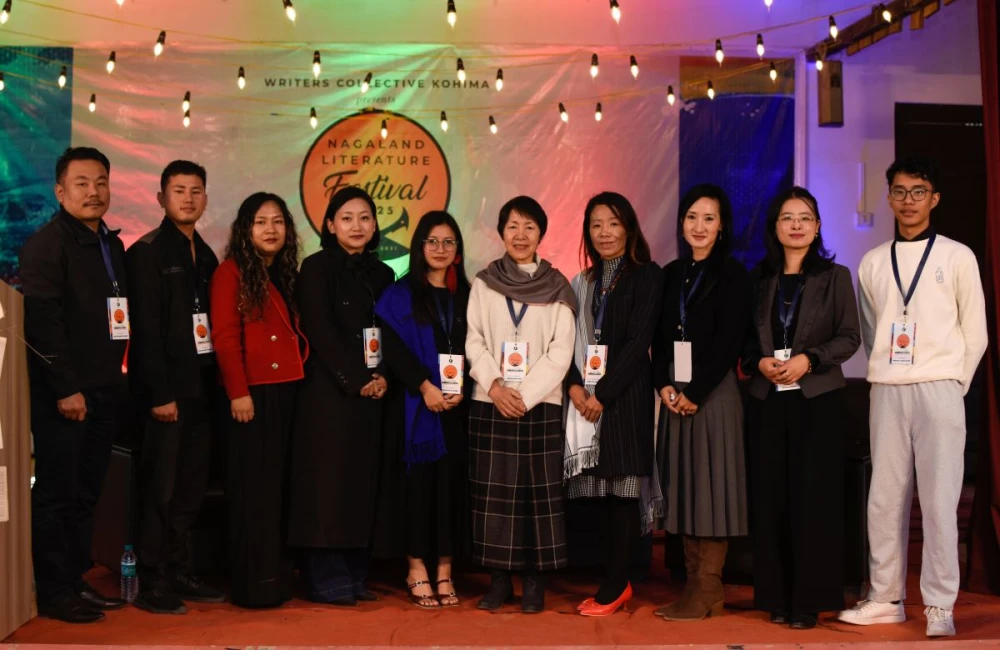
Members of Writers Collective seen with the winners of the Short Story Writing Competition organised as part of the NLF 2025 and others on December 13. (Photo by Jabu Krocha)

‘Distinctive feature of NLF is embracing all forms of creative self-expression’

Asserting that literature is essentially a reflection of life and the most quintessential way in which human beings express their emotions, Dr Vizovono Elizabeth, General Secretary of Writers Collective Kohima remarked that the distinctive feature of Nagaland Literature Festival (NLF) is embracing all forms of creative self-expression and storytelling.

Delivering the way forward at the closing ceremony of the 5th Edition of Nagaland Literature Festival at Don Bosco Higher Secondary School Kohima on December 13, she observed that the mushrooming of literature festivals across India on big scales has become like a ‘fashion’. NLF, she added is still a very small community, and has a long way to go, but stated belief that “it is very special because it is relevant to our own context.”

She echoed the vision of the Writers’ Collective, and expressed that, “the focus is not about trying to do what other people are doing, it is not about trying to compete or be at par with others, but it is more importantly about nurturing our own talents and providing a platform especially for the young, aspiring and upcoming creative artists.”

Even while keeping it very local, she stated that they were encouraged by the support and the positive response from so many unexpected supporters drawing entries even from the international level for its short story & poetry writing competition.

Participants of the Reading Session ‘Unraveling the magic of words’ seen with Easterine Kire. (Photo by Jabu Krocha)

In this regard, she exuded hope that “the seeds that we are sowing are slowly growing and that we will continue to grow together.” She reiterated that the distinctive feature of NLF “is not just a celebration of established and now popular authors, but more importantly, it is a platform and a safe space for new and upcoming writers and creative artists.”

Not all participants are writers either, she further highlighted while revealing that, “we also have very avid readers and supporters of literature taking active part and working along with us.” Terming this as “truly wholesome”, she said that literature would be meaningless without the readers.

Looking ahead, she envisioned that they can go ahead together and continue to support, learn and grow together. Expressing that it is the dream of Writers Collective Kohima to nurture our own storytellers and provide platforms for their voices and stories to be heard, she urged the gathering to walk with them on this beautiful journey. “Let’s learn to do this by utilizing our God-given beautiful brains, not being controlled by AI, but using it only as a tool so that we do not lose our souls or our humanity”, she further articulated.

Highlights of the closing ceremony included prayer and poetry reading by Rev Azahto Kiba, Senior Pastor, New Life Church Kohima & Poet, special number by Richard Ezung and Reading of short story excerpts by Winners of NLF 2025 Short Story Writing Competition, Visemenuo Sekhose and Imnajungshi Jamir. Shyamolima Saikia was adjudged third in the competition. In the poetry writing competition, Temjenwapang Jamir won first prize while Christabel Damien and Songaror Horam won second and third prize respectively. Earlier in the day, a reading session called “Unraveling the Magic of Words” was moderated by the President of Writers Collective, Vishü Rita Krocha. The readers included K. Roselyn Miachieo, Vibeituonuo Kuotsu Solo, Imlikokla Jamir, Kelhukiesie Savino, Machipeibo Zeliang, Elongshila Jamir, Avinuo Kire, Menang Longkumer and Inaholi Asumi. 5th Edition of Nagaland Literature Festival concludes | MorungExpress | morungexpress.com
Read More........

Mr & Miss Gorkha Nagaland crowned

The third edition of Mr & Miss Gorkha Nagaland concluded at the Town Hall here on December 14.

Dimapur, The third edition of Mr & Miss Gorkha Nagaland concluded at the Town Hall here on December 14, with Kishan Lama from Dimapur and Arati Karki from Peren District winning the titles. Organised by B Bros Entertainment with the motto “To promote, preserve the culture and uplift the talent of one’s community,” the event was graced by Kamal Jain, State Treasurer of BJP Nagaland, as the chief guest.

A total of 22 finalists from across various districts competed in the grand finale. In the male category, Som Kumal was declared the first runner-up and Rahul Bagdas the second runner-up. In the female category, Easter Sonar from Dimapur secured the first runner-up position, while Bipana Thapa from Kohima was named the second runner-up.

The event featured several sub-contest awards. Kishan Lama won Best in Talent (Male), Best Discipline (Male), and Mr Popular. Arati Karki secured Best Discipline (Female). Other winners included Rani Chetri for Best in Talent (Female), Anish BK and Priya Sonar for Mr and Miss Photogenic respectively, and Rahul Bagdas for Mr Congeniality.

The judging panel comprised notable figures from the fashion industry, including fashion designer Jwala Raj Pokharel from Nepal, actor Boss Meren, Miss Assam 2024 winner Rose Longchar, Shakshi Bishwakarma, and model Raj Rai. The event was hosted by Homnath Dhungyal from Sikkim and choreographed by international model Sanjay BK. Participants were groomed by Lovi Awomi, Femina Miss India Nagaland.Musical performances by Suraj Gautam and dance acts by the Castle Dance Academy entertained the audience. The organisers stated that the event marked a significant step in promoting cultural identity and nurturing talent within the Gorkha community of Nagaland. Mr & Miss Gorkha Nagaland crowned | MorungExpress | morungexpress.com
Read More........

Linoka K Achumi crowned Miss Nagaland 2025


Exhibiting beauty and grace, Linoka K Achumi, Contestant No. 1 was crowned the prestigious Miss Nagaland 2025 at a grand and glittering ceremony presented by the Beauty Aesthetics Society of Nagaland (BASN) at Regional Centre of Excellence for Music & Performing Arts (RCEMPA) on December 4.

Bendangienla, Contestant 3 was crowned 1st Runner-up while Christina H Yeptho, Contestant No. 4 was crowned 2nd Runner-up respectively. They were selected from among a total participation of 16 contestants.

The newly crowned Miss Nagaland walked away with a cash prize of Rs 1.5 lakhs along with gift hampers and vouchers and also received direct entry to Miss North East 2026 and will be the brand ambassador of TaFMA.

The 1st runner-up and 2nd runner-up were awarded with cash prizes of Rs 1,00,000 and Rs 70,000 along with gift hampers and vouchers. The first runner-up also received direct entry to Miss North East 2026.

Earlier, speaking on behalf of the Minister for Tourism & Higher Education, Additional Director of Higher Education, Dr. K Nishena Nekha expressed that Miss Nagaland is not merely a beauty pageant but has become a platform of transformation, and nurtured young women to become leaders, entrepreneurs, global ambasadors of the state

He said that the beauty pageant has been witnessing confidence, discipline and dreams while stating that 'education and empowerment go hand in hand.' To all the contestants, he said, "you are already winners because you have displayed your courage, vision, and determination."

Judges for Miss Nagaland 2025 were Easternlight Zimik, Founder of EAST, Dr. Abraham Lee, MD & CEO of Atomy Enterprise Pvt. Ltd., Ruopfüzhano Whiso, 4th runner-up of Miss Universe India 2024, Vikuonuo Sachü, Miss Nagaland 2019, and Asangla Nokdir, Member of BASN from 1995-2016.

Mele Pucho was the show director while Arnish Impisha Daimery was the official groomer and choreographer and Runshito Yimkhiung was the host. The beauty pageant also featured the works of designers and performances of several artists.

Mention may also be made here that Miss Nagaland 2025 was presented by BASN in collaboration with Task Force for Music & Arts (TaFMA) and Department of Tourism and powered by Department of Higher Education, Flights and Holidays UK Ltd. and Atomy India.

Event partners and sponsers were Annalia Beauty, ZOD, KFlorist, Ipseity, The Fitness Studio, Dzukou Retreat, Akim Residency, Elo-ki, Symphony Academy of Music, HmingMawi, The Bouffage Experience, Kendyu, Abi's Nails lashes and SMPU, Disong Designs, Audenlama, Sen Style's, Modern College, Kolko, Kekhro Smile Foundation, Rito & 7ven and Naga Eyewear.


Subtitle Winners

Miss Beautiful Smile- Grace Kikon, Contestant No. 15

Miss Multimedia - Linoka K Achumi, Contestant No. 1

Miss Talent- Linoka Yepthomi, Contestant No.11

Miss Photogenic- Susana Kinghen, Contestant No. 13

Miss Perfect Ten - Omai Rebecca Konyak, Contestant No. 9

Queen of Hearts- Christina H Yeptho, Contestant No. 4All the subtitle winners were also awarded with a cash prize of Rs 10,000 besides other gift hampers. Linoka K Achumi crowned Miss Nagaland 2025 | MorungExpress | morungexpress.com
Read More........

Aalekh Foundation honours Nagaland’s Bambi Kevichusa for sustainable fashion

Nagaland's fashion designer, Bambi Kevichusa was recently honoured at the prestigious 3rd edition of the Aalekh Foundation Women Achievers' Awards held in New Delhi on July 19.

Nagaland’s Bambi Kevichusa was recently honoured at the prestigious 3rd edition of the Aalekh Foundation Women Achievers' Awards held in New Delhi on July 19 last. She was among 20 distinguished women from across India recognised for their pioneering contributions and transformative impact. The renowned Naga fashion designer was specifically recognised for ‘sustainability and style from Northeast India,’ with the foundation highlighting her couture bridal creations and her commitment to sustainable, Naga-rooted design. Through her label ‘Bambi K’ and her concept store Windfall in Dimapur, she champions eco-friendly fashion grounded in cultural identity.

Her work has garnered international recognition, having represented Northeast India at events in Istanbul, Paris, Hanoi, and New Delhi, and has been featured in the Horniman Museum, London. Beyond her contributions to fashion, Bambi is also actively involved in environmental initiatives as a volunteer with Team Better Dimapur and is known for her creative pursuits in music.


The Aalekh Foundation, a cultural and social impact organisation dedicated to heritage, sustainability, and women’s empowerment, institutes these annual awards to honour outstanding women from various fields such as the arts, public service, media, law, literature, entrepreneurship, education, and social impact. These awards celebrate women who are not only trailblazers in their respective fields but also catalysts for positive change, demonstrating exceptional courage, leadership, and commitment to shaping a more inclusive and empowered society.

The Aalekh Foundation lauded Bambi on their Instagram, stating, “Meet our Woman Achiever—Tirelessly bold, boundlessly creative, and rooted in purpose Bambi is one among the 20 remarkable women being honoured at the Aalekh Foundation Woman Achiever's Award-3rd Edition.”

They emphasised her role as a fierce advocate for sustainable fashion, noting that she has redefined style as a medium of conscious living and cultural pride. Her work challenges fast fashion norms and promotes mindful choices by elevating indigenous textiles, ethical processes, and zero-waste design into a bold, contemporary aesthetic. The Foundation remarked that her journey is one of fearless reinvention, where art meets activism, and self-expression meets sustainability, honouring her for the movement she leads with style, soul, and substance.

In an interview with The Morung Express, Bambi expressed that receiving the award has been a validation for the work that she does, not so much as a designer but a designer who has embarked on an almost solo journey to show the world how the Naga fabric, weaves, artistic and cultural inheritance can be made into clothes that can be marketed and worn by the modern world.


She shared that it has also personally and professionally validated her belief in her role as a designer to contribute to keeping the planet safe for ‘our children.’
Reflecting on the challenges, Bambi admitted it has been a lonely journey as an artist in many ways, especially in exploring Naga textiles for clothing, even as she added, “And a very expensive journey too.”

“This award for me has meant that someone out there has noticed the work that I am doing and is applauding me for it. So while I am humbled by the recognition, I am also inspired by it; inspired to keep going and not giving up on what I believe in,” she stated.Dr Rennie Joyy, Founder, Aalekh Foundation had commented on the awards during the event, stating, “We have continued to spotlight the role of women as carriers of tradition, creators of beauty, and changemakers in both visible and invisible ways. Whether through a loom or a lens, a courtroom or a classroom, women continue to shape the narrative of a more inclusive and resilient India.” Aalekh Foundation honours Nagaland’s Bambi Kevichusa for sustainable fashion | MorungExpress | morungexpress.com
Read More........

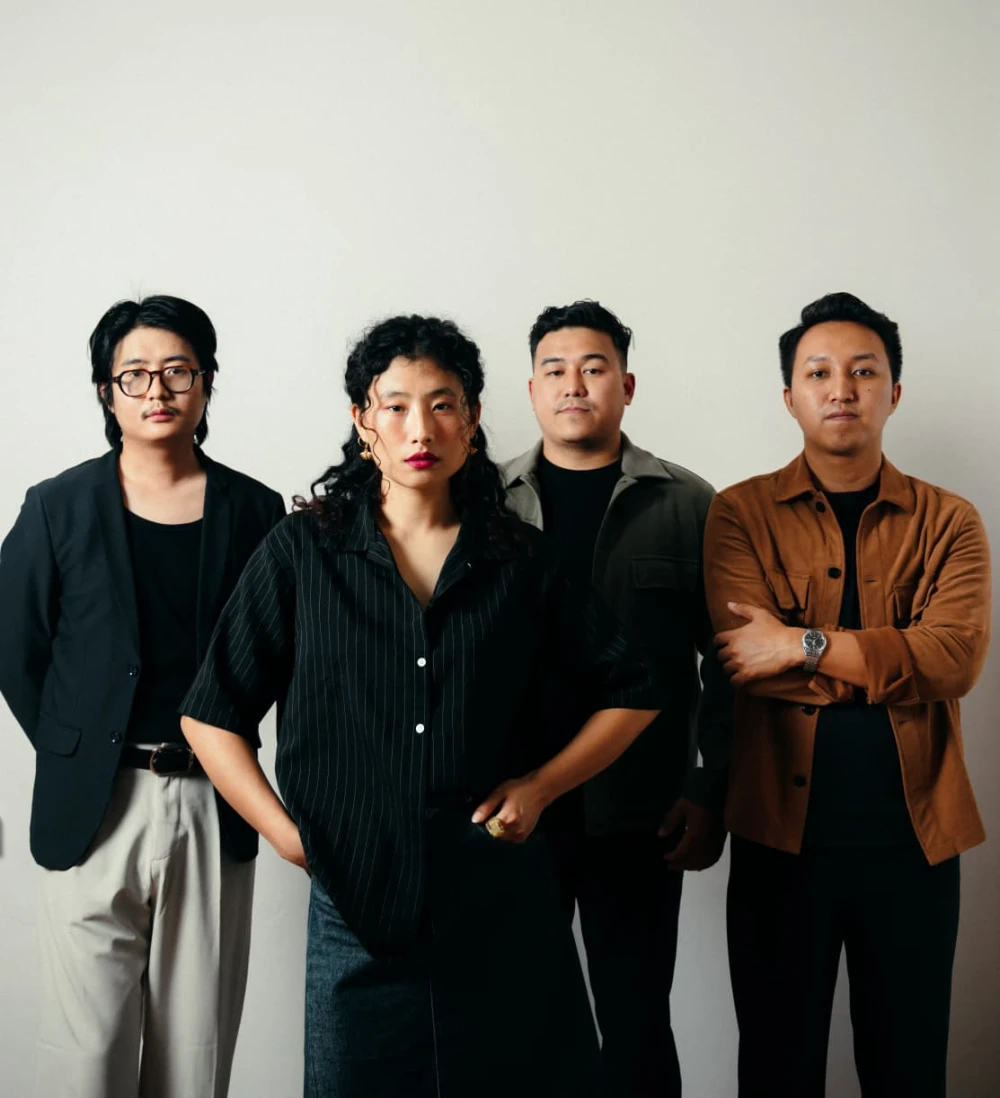
Trance Effect to perform at Big Mountain Music Festival


Kohima, October 11 (MExN): Nagaland’s pop-rock sensation Trance Effect is set to represent India at the Big Mountain Music Festival (BMMF) one of Southeast Asia’s largest and most celebrated outdoor music festivals. The highly anticipated event will take place at Ocean Khao Yai in Nakhon Ratchasima, Thailand, drawing music lovers from across the region.

Renowned for its expansive setup and electrifying atmosphere, BMMF features hundreds of artists performing across 14 stages, showcasing a vibrant mix of genres including Thai pop, rock, folk, and international acts.

Trance Effect’s participation marks a proud moment for Nagaland’s thriving music scene, as the band continues to break boundaries and reach global audiences.

Trance Effect is managed by the international artistes agency Soundpuzzle, which has been instrumental in connecting the band with audiences beyond India. Their upcoming performance at BMMF marks another milestone in their journey, reflecting both the band’s artistic growth and the expanding global recognition of music from Nagaland.

 
Read More........

Poor air quality can affect your joints, trigger severe rheumatoid arthritis: Experts


IANS Photo

New Delhi, (IANS): Poor air quality may not just be choking your lungs, it can also attack joints, leading to severe rheumatoid arthritis, experts said here on Thursday.

Rheumatoid arthritis (RA) is a chronic autoimmune disorder in which the immune system attacks the body’s own tissues, especially the joints, causing persistent pain, swelling, stiffness, and disability.

Traditionally linked to genetics and immune system dysfunction, RA is now increasingly being associated with environmental triggers like air pollution.

Recent studies in Europe, China, and now India suggest that exposure to PM2.5 -- the dangerous fine particulate matter that penetrates deep into the lungs -- may be linked not only to heart and lung diseases but also to autoimmune disorders like RA.

“We are observing a rise in cases of RA in patients living in polluted areas that have no family history or genetic predisposition to autoimmune disease. Pollutants induce inflammatory reactions, exacerbating joint damage and promoting disease progression,” said Dr. Uma Kumar, Head of Rheumatology at AIIMS, New Delhi.

“These toxins trigger systemic inflammation and oxidative stress, causing an overactive immune response. This is a public health emergency we can no longer ignore,” added Kumar, while speaking at the 40th Annual Conference of the Indian Rheumatology Association (IRACON 2025), at Yashobhoomi, Dwarka here.

Current estimates suggest that RA already affects around 1 per cent of India’s adult population, but with pollution as a trigger, these numbers may spike dramatically.

Dr. Pulin Gupta, Professor and Rheumatologist at Dr. Ram Manohar Lohia Hospital highlighted that the pollution-related cases of RA are more severe than the general ones.

“What we are witnessing is not just more RA cases but also more severe ones. Patients exposed to higher concentrations of PM2.5 are presenting with aggressive disease that progresses faster. Reduced green spaces in urban areas are worsening the problem, depriving residents of protective environmental buffers,” Gupta said.

Studies have shown strong associations between exposure to PM2.5, nitrogen oxides, and ozone, with increased risk of RA and worsening symptoms, especially in genetically susceptible individuals. Living near busy roads, which means constant traffic-related pollution, has also been linked to higher RA risk.

The experts also pointed out that autoimmune diseases like RA are lifelong conditions with no permanent cure, only management.The health experts stressed the urgent need for multidisciplinary action: stricter pollution control, increased public awareness, and early screening of at-risk populations, and lifestyle changes to reduce exposure. They also called for expansion of urban green cover, cleaner transport solutions, and stronger national policies linking air quality to health. Poor air quality can affect your joints, trigger severe rheumatoid arthritis: Experts | MorungExpress | morungexpress.com.
Read More........

Seyievinuo Chuzho gets ORTA Culture & Heritage National Award 2025

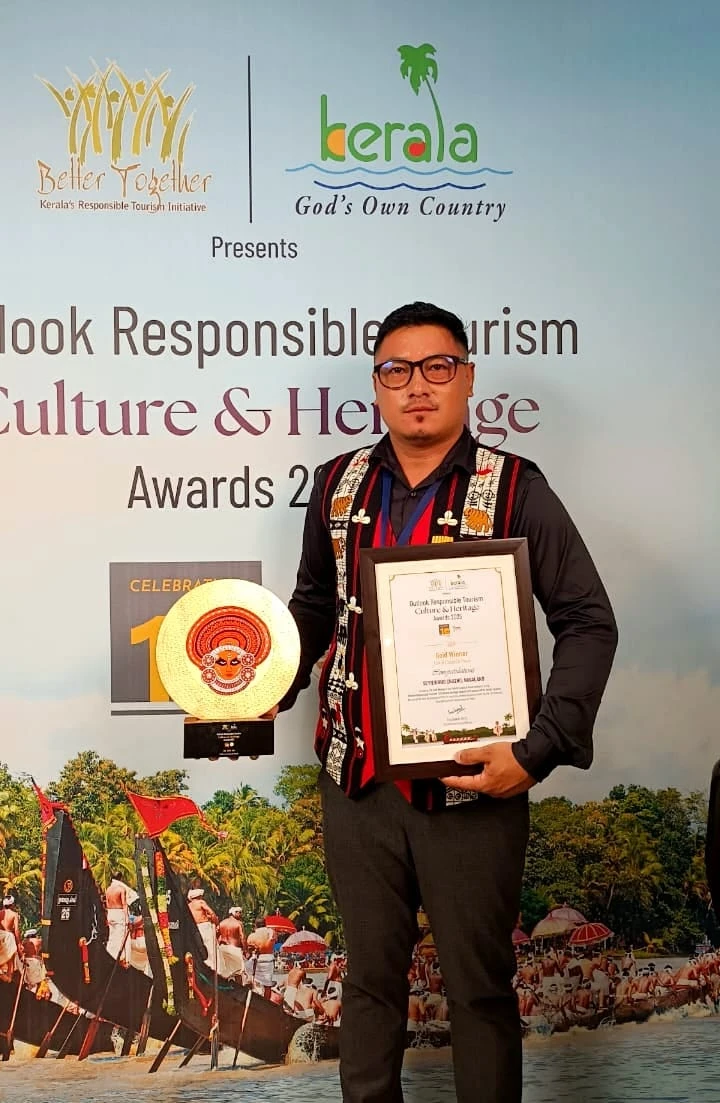
Seyievinuo Chuzho

An acclaimed singer Seyievinuo Chuzho from Nagaland has been conferred with 1st edition of Outlook Responsible Tourism Award (ORTA)- Culture & Heritage National Award 2025 in the category of Folk & Classical Music on September 20 at Sargalaya, Kozhikode, Kerala.

Chuzho has been conferred with the award out of more than 400 applicants from India.

The event was organized by the Ministry of Tourism, Government of Kerala.

As Chuzho is currently in Singapore for a performance at the Northeast Festival 2025, the award was received on her behalf by Tekatemjen Imchen, vice president, Naga Students’ Welfare, Kerala.

Tekatemjen Imchen, vice president, Naga Students’ Welfare, Kerala, received the award on behalf of Seyievinuo Chuzho..

“I feel deeply honored and humbled to receive the Culture & Heritage Award 2025 in the category of Folk & Classical Music. This recognition is not just a personal achievement but also a tribute to the rich cultural traditions and musical heritage of Nagaland and our region,” Chuzho told The Morung Express.

Folk and classical music carry within them the stories, values, and wisdom of generations, and to be acknowledged for contributing towards preserving and sharing this heritage is truly meaningful, she said.

“This award inspires me to continue working with greater passion and to safeguard our traditions, to bring them to new audiences, and to ensure that the younger generation finds pride and identity in their cultural roots,” Chuzho said.

I accept this honor with gratitude to all my mentors, fellow artists, and supporters who have journeyed with me, and I dedicate it to the community whose voices and rhythms live through music, she said.Meanwhile, Chuzho thanked Tekatemjen Imchen for receiving the award on her behalf as she couldn’t make it to the event because of her performance at Northeast Festival in Singapore. Seyievinuo Chuzho gets ORTA Culture & Heritage National Award 2025 | MorungExpress | morungexpress.com
Read More........

Junk food, low physical activity and low intake of fruits & vegetables leading risk factors for diabetes in India: ASSOCHAM


Choose a healthy track to manage diabetes.(photo: IANSLIFE)

New Delhi, (IANS) The Associated Chambers of Commerce and Industry of India (ASSOCHAM), the apex trade association of the country, as part of its 'Illness to Wellness' campaign and in the light of the forthcoming 'World Diabetes Day' on Saturday unveiled a report on the findings of a National Level Survey conducted on the state of Diabetes in India.

The release was followed by a webinar on "Diabetes Free India" organized with the objective of cascading awareness and disseminating wisdom on diabetes management and its prevention, which was attended by a panel of eminent experts and doctors from across the country.

The survey report entitled "Diabetes in India" was produced by ASSOCHAM and the Delhi-based think tank, Thought Arbitrage Research Institute (TARI). The survey was designed and conducted by IMRB-Kantar and covered 2,33,672 people and 673 public health offices in 21 state clusters covering appropriate regions and age segments.

The key findings of the survey relate to the burden of diabetes and its primary causes or risk factors which lead to its rise and increasing spread in the country. According to the report, the prevalence of diabetes cases in India almost doubled from 42.6 million cases in 2005 to 85.4 cases in 2019.

Globally, on the other hand, the prevalence of diabetes increased from 273.4 cases in 2005 to 460 million cases in 2019. Small wonder then that India has the dubious distinction of becoming the global hub for diabetes cases with prevalence of cases increasing from 15.6 per cent to 18.6 per cent cases in the same interval.

Globally, diabetes accounts for 70.9 million DALYs (Disability-Adjusted Life Years) and 36.7 YLDs (Years Lived with Disability) in 2019. In India, diabetes accounts for 12.8 million DALYs, 6.7 million YLDs and 0.3 million deaths during the same time-period.

In terms of risk factors for diabetes, dietary habits related to high intake of junk / fried foods, most common in younger people today, has highest relative risk of 47 per cent. The next highest risk factors as elicited by the survey report relate to low physical activity (38 per cent), low intake of fruits and vegetables (28 per cent), and other causes such as stress, pollution, and high consumption of alcohol and carbonated/ sugary drinks.

Diabetes is a chronic disease that occurs either when the pancreas does not produce enough insulin or when the body cannot effectively use the insulin it produces. Over the time, uncontrolled diabetes leads to serious body's systems damage, especially the nerves and blood vessels. There are ample studies conducted by RSSDI (Research Society for the Study of Diabetes in India) which emphatically depict and highlights that diabetes is a major cause of blindness, kidney failure, heart attacks, stroke, and lower limb amputation.

The survey outlines the prevalence landscape of diabetes in that it accounts for 25 per cent of all NCDs in India at a rate of 2.9 percent. The disease incidence increases significantly in individuals above 35 years of age and affects men more than women.

The report also finds that about 16.8 per cent of the male adult population (15 years) and 14.6 per cent of the female adult population (15 years) on average are estimated to be diabetic. Prevalence of diabetes is highest in southern states including Puducherry, Kerala, Tamil Nadu, Andhra Pradesh and Telangana and lowest in Uttar Pradesh and Rajasthan.

In terms of sufferers seeking treatment for diabetes, the survey presented some important insights in this regard too. About 7 per cent of the respondents who were suffering from diabetes stated that they were not seeking any treatment at all. However, more than 56 per cent of the respondents stated that they are seeking treatment for more than one year, a fact testifying to the indisputable and inevitable morbidity of this disease.

Diabetes is proven through studies to be associated with a high risk of cardiac arrest and there have been substantial increases in new cases of diabetes during the Covid-19 pandemic due to various reasons. In the current situation, diabetes has become a serious health concern since large numbers of patients are already vulnerable to the coronavirus. Thus, diabetic patients affected by Covid-19 can cause a major health crisis. Reports show that large occurrence of diabetes makes it a serious comorbidity in Covid-19 patients. Diabetes also imposes a substantial burden on society in the form of higher medical costs, lost productivity, premature mortality, and intangible costs in the form of reduced quality of life.

Setting the tone for the panel discussion at the webinar, Anil Rajput, Chairperson, ASSOCHAM CSR Council, said: "This year marks the 100th anniversary of the discovery of insulin. It is, however, unfortunate that diabetes has been underrated as a global public health issue. This needs to be addressed on priority and we as a nation need to take urgent important steps to address this challenge. It is a fact that diabetes is one of the top three NCDs in India and with each year the burden of this disease is rising."

Dr. Banshi Saboo, President, Research Society for Study of Diabetes in India (RSSDI), said: "Diabetes prevention must be part of a larger national mission. Students should be taught 'Health Science' as a subject in schools which can help in preventing this disease and creating awareness about healthy lifestyles among our future generations. We must also change the age limit for the cyclical three-year testing protocol for sugar from 30 years presently to 25 years of age."

Dr. (Col.) Sudhir Tripathi, Chairperson and HOD, Endocrinology and Metabolism, Sir Ganga Ram Hospital New Delhi, said: "Diabetes can be prevented even at the pregnancy stage. Healthy mothers give birth to healthy children. We must also educate and inform people that this disease is reversible with healthy lifestyle and timely interventions. Babies who are healthier, not obese, have a far lesser risk of developing diabetes in adulthood. It is advised that we must now have a National Diabetes Month in November to spread awareness and access about diabetes amongst people."

Dr. Dinesh Agarwal, Senior Consultant Internist and Head of Department, Department of Medicine Marwari Hospitals, Vice Chairman, RSSDI Assam Chapter, said: "One of the key risk factors and causes of diabetes is stress and junk food. Even children undergo a huge amount of stress these days due to a highly competitive and strained environment. It is a fact that stress leads to hormonal changes which in turn can trigger diabetes in individuals. Add to this the fact that lack of exercise among both children and adults lead to an onset of the disease which could have easily avoided by following simple steps."

Dr. Rajesh Kesari, Founder and Director, Total Care Control, Delhi-NCR, said: "Diabetes free India is a dream for all of us. Diabetes, a chronic disease, has so many affected all of us either as families or as individuals. It is important to control this disease because not only does it cause many other diseases or co-morbidities and complications to take place, but also leads to a huge economic burden. The interesting aspect here is that 95 per cent of diabetes can be prevented, and it is important that we all work towards this."

The webinar was addressed by Shri Anil Rajput, Chairperson, ASSOCHAM CSR Council; Dr. Kaushik Dutta, Founder and Co-Director, Thought Arbitrage Research Institute (TARI), New Delhi and eminent doctors which included - Dr. Banshi Saboo, President, Research Society for Study of Diabetes in India (RSSDI), Dr. (Col.) Sudhir Tripathi, Chairperson and HOD, Endocrinology and Metabolism, Sir Ganga Ram Hospital New Delhi, Dr. Dinesh Agarwal, Senior Consultant Internist and Head of Department, Department of Medicine Marwari Hospitals, Vice Chairman, RSSDI Assam Chapter, and Dr. Rajesh Kesari, Founder and Director, Total Care Control, Delhi-NCR.

Disclaimer: This story is auto-generated from news agency feeds and has not been edited by The Morung Express.

Source: IANS


Read More........

The Hornbill Festival: A Tribute to Nagaland's Rich Heritage

File Photo Courtesy Talimoa Pongen

Dipak Kurmi

The Hornbill Festival, celebrated annually in the first week of December, has emerged as a cultural masterpiece that brings together the vibrant diversity of Nagaland’s 16 tribes. Conceptualized as a modern-day platform to showcase both traditional and contemporary aspects of Naga culture, this festival is a living testament to the spirit of unity amid diversity. Nestled in the serene Naga Heritage Village of Kisama, a mere 12 kilometers from Kohima, the festival serves as a beacon for preserving ethnic heritage while bolstering tourism in the state. Since its inception in 2000, the Hornbill Festival has not only revitalized cultural pride but also transformed the tourism landscape of Nagaland, inviting visitors from across the globe to experience the land's unparalleled richness.

A Cultural Convergence of Naga Tribes

The Naga Heritage Village, where the festival unfolds, symbolizes a harmonious blend of tradition and modernity. This village houses a cluster of 17 traditional tribal huts, known as Morungs or youth dormitories, each uniquely designed to represent a distinct tribe. These architectural marvels, adorned with indigenous designs and cultural motifs, provide a fascinating insight into the Naga way of life. Visitors are treated to a captivating spectacle of tribal dances, songs, and rituals that encapsulate the essence of Naga culture. This extraordinary amalgamation offers a rare opportunity to witness the diverse customs and traditions of all Naga tribes in a single venue.

Nagaland, often referred to as the "Land of Festivals," thrives on its rich tapestry of traditions and rituals. With its picturesque hills, vibrant flora, and warm-hearted people, the state exudes an aura of mystique and hospitality. Though Christianity is now the predominant religion, the Nagas have preserved remnants of their animist beliefs and ancient practices, evident in their colorful festivals. These celebrations, deeply entwined with the agricultural calendar, are marked by songs, dances, and rituals that narrate oral histories passed down through generations.

The Hornbill Festival: A Celebration of Unity

The festival derives its name from the hornbill bird, a revered symbol in Naga folklore, representing grandeur, courage, and unity. This week-long cultural extravaganza unites all Naga tribes, showcasing a vivid tapestry of traditional arts, crafts, sports, food fairs, and ceremonies. From the intricate wood carvings and sculptures to the mesmerizing folk performances and indigenous games, the festival pulsates with creativity and energy. Highlights include traditional archery, wrestling, herbal medicine displays, and the sale of exquisite handicrafts. The event also features flower shows, beauty contests, fashion shows, and musical concerts that cater to diverse tastes, ensuring that there is something for everyone.

The Hornbill Festival is not merely a showcase of cultural heritage but a dynamic platform for interaction and exchange. It offers a deeper understanding of the Naga way of life, fostering a sense of camaraderie among the tribes and bridging cultural gaps for visitors. The Naga Heritage Village itself is a testament to the government's commitment to preserving cultural identity while promoting sustainable tourism. The nomenclature "Kisama" reflects the fusion of Kigwema and Phesama villages, symbolizing unity and cooperation.

The Legacy of the Hornbill Festival

Over the years, the Hornbill Festival has grown into a symbol of cultural resurgence and a platform for global recognition. The festival not only celebrates Nagaland's traditions but also inspires the younger generation to embrace and sustain their heritage. The inclusion of modern elements, such as the Hornbill Music Festival, exemplifies this balance between preserving the past and embracing the future. The music festival, featuring both local and international artists, has become a major draw, with performances continuing late into the night.

The legacy of the Hornbill Festival lies in its ability to foster unity among the diverse tribes of Nagaland while serving as a catalyst for socio-economic development. By attracting tourists, the festival generates income for local artisans, performers, and entrepreneurs. It also amplifies the visibility of Naga culture on the global stage, challenging stereotypes and promoting cross-cultural understanding. Furthermore, the festival underscores the resilience and creativity of the Naga people, who have overcome historical challenges to build a thriving cultural identity.

The Spirit of Community and Innovation

The resilience of Naga village communities is evident in initiatives like the Village Councils and the Communitization of Public Institutions and Services Act of 2002. These community-driven approaches in areas like education, health, and infrastructure reflect a unique model of governance that has been widely acknowledged for its success. The Hornbill Festival embodies this spirit of innovation, bringing together traditional and modern elements in a seamless blend.

For instance, the festival's integration of modern music and arts highlights Nagaland's evolving cultural landscape. The Task Force for Music and Arts (TaFMA) plays a pivotal role in nurturing local talent, as seen in the recent release of the official song for the 25th Hornbill Festival, “Come Together,” performed by the band Trance Effect. This band has not only won accolades like the Nagaland Music Awards but also represented India on international platforms, showcasing the global appeal of Naga artistry.

A Vision for the Future

The Hornbill Festival is more than just an annual celebration; it is a living legacy that honors Nagaland's cultural wealth and resilience. Through its vibrant festivities and inclusive ethos, the festival bridges the past and the future, offering a vision of cultural preservation and progress. As the festival continues to evolve, it stands as a shining example of how traditions can adapt to modernity while retaining their essence.

For anyone seeking a profound cultural experience, the Hornbill Festival is an unmissable event. It not only offers a glimpse into the soul of Nagaland but also reaffirms the enduring relevance of cultural heritage in a rapidly changing world. As the "Festival of Festivals," it encapsulates the spirit of unity in diversity, leaving an indelible mark on all who partake in its celebrations.A passionate columnist, insightful writer, and dedicated policy analyst, Dipak Kurmi serves as the Sub-Editor for a prominent daily newspaper based in Assam. His work, deeply rooted in analysis and editorial expertise, shapes conversations and brings critical issues to the forefront. Residing at House No-3, Hengrabari Housing Colony, Hengrabari, Ganeshguri, Dispur, Guwahati-05, Kamrup (M), Assam, Dipak Kurmi is always connected to the pulse of regional and national discourse. The writer can be reached at dipakkurmiglpltd@gmail.com. The Hornbill Festival: A Tribute to Nagaland's Rich Heritage | MorungExpress | morungexpress.com
Read More........

Building confidence & transforming people’s lives through Makeup

Independent Makeup Artist, Kelenuo Tepa, creating magic strokes on her clients through makeup.

Vishü Rita Krocha, Kohima, every typical Naga family, Kelenuo Tepa was also expected to appear for competitive examinations and secure a white-collar job. But even as a child, she was always fascinated by creative things like makeovers. Given her interest, she vividly remembers how people would often approach her for a glam up and also appreciate her works.

Having nurtured such a dream from a young age, she indulged herself in a lot of self-practice by watching videos and updating herself with the latest trends in the makeup industry. Although interestingly, she is a Commerce Graduate, her love for makeup never wavered. “During those days, I didn’t know that I could pursue a professional course in Makeup”, she related to The Morung Express.

Throughout her high school, she excelled in Mathematics, and pursuing Commerce seemed like the best choice. But as an independent makeup artist today, she said, “studying commerce has not gone to waste. It is helping me in the venture I have chosen.” In between her years of education, she would have brides and others approaching her to do their makeup, and when it became quite frequent, that was when she also started rediscovering her career path again.

“I felt that this could be God’s plan for my life. I would pray earnestly, asking God to show me a sign in my dream, and when He finally did, coupled with the motivation I received from various clients, I underwent a professional makeup artist class”, she recalled her journey into becoming a professional independent makeup artist.

Kelenuo Tepa is especially driven by the profound impact that makeup has on people, even as she expressed that, “it’s the thrill I feel when I use my talent to enhance a person’s natural beauty.” “I believe doing makeup is not just a job, but it is a powerful form of transforming people to feel beautiful and confident”, she underlined.

Observing that with the change of time, there are many people looking for makeup services for every occasion, she also highlighted that, “it’s not only the bride but also the wedding guests, families, and even those who are attending a birthday party, etc.”

Most of her clients are looking for makeup that emphasises their natural look. This, she explained, is done with the help of “products and techniques that create a flawless and healthy looking base while still allowing their individual features to shine through rather than drastically altering one’s natural appearance.”

Glamming up Oscar-winning composer A.R. Rahman
Even as she ventured into pursuing makeup professionally, Kelenuo Tepa also got the opportunity to glam up Oscar-winning composer A.R. Rahman, who was the guest of honour at the 25th Edition of Hornbill Festival last year.

“Although I had been doing makeup all my life, I was very nervous to work with a celebrity like him. But I took it as an opportunity”, she recalled. Stating that he was friendly and made the process very comfortable, she also elatedly added, “he said he was very happy with the service and also took a photograph with me in memory of it.”

Glamming up the celebrity artist involved close to one hour prior to the event and touch-ups on the makeup throughout the day during breaks. The difference between men’s and women’s makeup is that men require a shorter duration while women’s makeup takes more time as it requires more detailing involving the hair, eye, etc., which is a long procedure, she further highlighted.

However, for both genders, she emphasised on achieving a natural finish and making it appear most natural. “Through my makeup, I want to bring out the best version of my clients, since makeup can be a powerful way for individuals to feel good about themselves and build their confidence”, she reiterated while also adding that, “my signature style would be the dewy makeup, which my clients mostly prefer.”

Her clients mostly include bridal makeovers, but it also extends to the fashion industry, where she works with models, pageants, and song artists for music videos, etc. Further highlighting that occasion makeup is cheaper as compared to bridal makeup, she expressed that, “the prices also change with the distance of location since I work as a freelancer. And my makeup services are open for bridal, groom, beauty pageants, parties, fashion industries, and to anyone who loves makeup.”

Kelenuo Tepa also gives classes on professional and self-makeup, enabling those who enrol to get more knowledge about different types of makeup, such as Thai, Douyin, Korean, Indian, etc. While there are always clients looking for makeup every season, the maximum demand, she revealed, is from October through January, with lots of weddings, shows, and events taking place during that time.To those aspiring to become a makeup artist, she enunciated that, “If your passion lies in this field, embrace your creativity and bring out the best artistry in you because nowadays, this profession offers a lot of positive, high-paying opportunities.” Building confidence & transforming people’s lives through Makeup | MorungExpress | morungexpress.com
Read More........

14-year-old Kuzo Kezo becomes author of 3 books

14-year-old Kuzo Kezo (L) with Rev. Dr. Kevekhalo Lasuh, Senior Pastor of Chakhesang Baptist Church Kohima (R) during the launch of 'The Drug Factory' and 'The Trio, Tuition Disaster' at The Heritage Kohima on August 9. (Photo by Jabu Krocha)

14-year-old, Kuzo Kezo currently a student of Class-9 at St. Mary's Cathedral Higher Secondary School Kohima today became the author of 3 books following the formal release of "The Drug Factory" and "The Trio- Tuition Disaster" at The Heritage Kohima on August 9.

The two books mark the 108th and 109th publications of PenThrill Publication House, and were formally released by Rev. Dr. Kevekhalo Lasuh, Senior Pastor of Chakhesang Baptist Church Kohima with a dedicatory prayer.

Speaking at the launch, the author Kuzo Kezo thanked God for the gift of writing and highlighted that 'The Drug Factory' is the sequel to his first book, 'The School of Bullies'. "I wrote the sequel because I wanted to finish the plot from the first book. It is about friendship, betrayal and adventure", he said during the launch.

Expressing that the other book, "The Trio, Tuition Disaster" is also about friendship and adventure, along with bravery and courage, he said that, "these books were written because I enjoy reading, writing, exploring new ways of writing books and characters and entertaining myself and others as well." He further expressed desire to help raise funds for missionaries through the books.

Citing the growing literary landscape in the state that is clearly seen through frequent book launches, Publisher of PenThrill, Vishü Rita Krocha said that, "this is a positive indication of the growth of writing that is evolving in the state."

She said that it was encouraging to see young children like Kuzo are continuing to write despite having to juggle with their studies. "The kind of commitment that he is showing in writing is an encouragement to the entire writing community of Nagaland", he said.

Further highlighting the need for narratives that are rooted in the Naga way of life, she also encouraged Kuzo to keep exploring such stories in his journey of writing.

Dr. Rukulu Puro, Assistant Professor of Capital College Kohima & Chief Instructor, CUE Academy, Center of Writing Skills, gave comments on "The Drug Factory, a sequel to The School of Bullies". She said the book is an energetic, suspenseful, and thoughtful sequel that proves the young author is not just telling stories but also reflecting on the world around hím.

Fast-paced, and layered with meaning, she also remarked that "The Drug Factory is more than just a schoolyard adventure, and is a story about friendship, betrayal, and reconciliation, but also about the hidden dangers lurking in everyday environments." "Through the lens of a young boy's courage and perspective, Kuzo Kezo raises questions we can't afford to ignore-about trust, appearances, and the silent battles happening in schools today", she added.

Commenting on "The Trio, Tuition Disaster", Pfokreni Dominic, Teacher at St. Mary's Cathedral Higher Secondary School Kohima said the book is an exciting and imaginative adventure story that showcases the power of courage, friendship, and teamwork — all through the eyes of a young and talented writer.

Stating that what makes this story special is not just the suspense and action, but the strong bond between the trio and their courage despite being so young, he remarked that, "the themes of not giving up, standing up for what’s right, and working together are portrayed in a way that’s inspiring for children and young teens."

He further stated that the book is a fantastic effort by a young writer, full of spirit, adventure, and heart while noting that, "it reads like a fun mix of detective and mystery stories and reminds us how even kids can become heroes when they choose to do the right thing."

"This story has the potential to become a favorite among young readers. A very promising start for a future author", he added. 14-year-old Kuzo Kezo becomes author of 3 books | MorungExpress | morungexpress.com
Read More........

Nothing beats a child's smile when it comes to true happiness: Telegraph reports

The most beautiful smile in the world!
A leading English Newspaper of Australia 'Daily Telegraph' has reported that according to the latest survey, Australians derive true happiness by simply looking at their children's smile. According to Daily Telegraph, an exclusive survey has found that Australians are a happy bunch overall, thanks largely to their children, loving partners and good friends. The survey, in which around 2,000 persons participated, reveals that 56.8 percent respondents insisted that their children gave them the most joy while 50.3 percent said favoured to their partners. The survey, which was based on a scale from from "extremely happy" to "extremely unhappy" also revealed that three in five or 59.3 per cent, ranked spending time with friends highly. About 14 per cent said their jobs made them "extremely happy" while 7.7 per cent said that getting rid of their boss would improve their mood. '63.1 per cent respondents said more money might make them even happier while some said extra holidays and rest of them asserted to better health', the Daily Telegraph reported. Almost 70 per cent considered themselves happy people but opinions were evenly divided when it came to whether married or unmarried people were happier or which gender was more cheerful. 44 per cent asserted that money could buy happiness, 45 percent said it couldn't and 11.1 per cent were undecided. For 54.4 per cent of people those little bundles of joy are just that, while 45.6 per cent said childless people were happier. Baby boomers were believed to be the happiest age group. Source: Newstrack India
Read More........

Bendangienla crowned Miss Mokokchung 2025


Bendangienla, a 19-year-old from Mangkolemba, was crowned Miss Mokokchung 2025 at the grand finale held at the Town Hall, Mokokchung, on July 22. A native of Khar village, Bendangienla is currently pursuing her Bachelor of Arts in Political Science from Fazl Ali College, Mokokchung. Standing at 5 feet 5 inches tall, she emerged victorious among 13 contestants from across the district.

Temsulila Longkumer, 23, of Longjang village was adjudged the first runner-up, while 22-year-old Putusenla Aier of Süngratsü village secured the second runner-up title.

After a hiatus of three years, the Miss Mokokchung pageant returned with this edition organized by Forerunners Mokokchung under the aegis of the Mokokchung District Arts and Culture Council (MDACC) was held under the theme “Beyond Beauty.”

As the newly crowned Miss Mokokchung 2025, Bendangienla received a cash prize of Rs 50,000, sponsored by the District Hub for Empowerment of Women and the District Administration under the Beti Bachao, Beti Padhao (BBBP) initiative, along with gift hampers.

She will also serve as the face of the BBBP campaign and the brand ambassador of MDACC. Additionally, she will receive grooming support from Talent Foresight and has earned a direct entry to compete in Miss Nagaland 2025.

Temsulila Longkumer, who holds a Master’s degree in Clinical Psychology and aspires to become a child psychologist, was awarded Rs 30,000. Second runner-up Putusenla, a graduate and budding entrepreneur aiming to become a supermodel, received Rs 20,000.

In addition to the main titles, various subtitles were also awarded. Bendangienla won the Miss Beautiful Smile title. Other subtitle winners included:

• Best Ethnic Wear: Yangerkumla
• Miss Congeniality: Putusenla Aier
• Miss Talented: Sentikala
• Miss Beautiful Skin: Temsulila Longkumer
• Miss Perfect 10: Putusenla Aier
• Queen of Hearts: Temsulila Longkumer
• Beautiful Hair: Putibenla
• Best Ramp Walk: Alemlila
• Miss Photogenic: Imnasenla

The pageant was judged by the panel comprising Chanchui Khayi (Femina Miss India Manipur 2024), Akshatha Das (Femina Miss India Kerala 2024), Shyamanga Kashyap, Mele Pucho, Imlibenla Wati Nienu, and Asola Ozukum.

The night also featured performances by prominent artists such as Moko Koza, Tiameren Aier, and several others.


Read More........

Longsa village prepares for grand Tsüngremmung Festival 2025

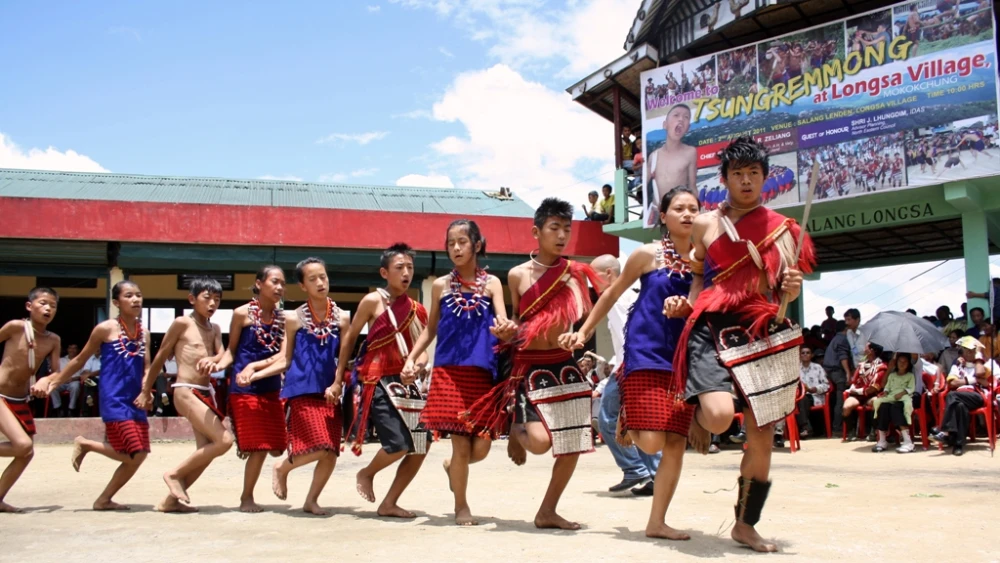
A group of young boys in traditional attire at Longsa village. (Photo Courtesy: Sashimeren Jamir)

Mokokchung, July 29 (MExN): Longsa village under Mokokchung District has begun preparations to host the Tsüngremmung Festival 2025 from August 1 to 3. After a long pause due to the COVID-19 pandemic, this year’s Tsüngremmung is set to be a grand celebration, showcasing the cultural richness, traditional practices, and communal spirit of the Ao Naga people.

Organised by the Longsa Village Council under the patronage of the Tourism Department, Government of Nagaland, the festival aims to highlight the essence of Ao Naga identity through traditional customs, cultural performances, and collective community participation, stated a press note received here.

Tsüngremmung, one of the most significant traditional festivals of the Ao Nagas, is celebrated ahead of the harvest season, symbolizing thanksgiving, unity, and renewal. Tsüngremmung is a traditional Ao Naga festival celebrated ahead of the harvest season, symbolizing thanksgiving, unity, and renewal. It symbolizes spiritual cleansing and strengthens community bonds through songs, dances, and feasts. Reflecting rich cultural heritage, it preserves ancestral values, stories, and identity, making it more than just a celebration, it’s a living expression of Ao Naga heritage.

This year’s celebration at Longsa village will be graced by G Kaito Aye, Minister, PWD (R&B), Nagaland, as the chief guest; Imkong L Imchen, Advisor, Information & Public Relations, Soil and Water Conservation, as the guest of honour and Imkongmar, MLA, Advisor, Minority Affairs & Sericulture, as the honoured guest.

The three-day celebration will begin with Süngben Mung (Preparation Day) on August 1, featuring traditional activities such as collection of firewood and vines, cleaning of homes, and pounding of rice, culminating in a cultural competition in the evening. The main celebration, Yatimung, on August 2 will include the ceremonial pulling of vines, tug-of-war between men and women, cultural dances, community feasting, and all-night singing of Kimak. The final day, Aien Lenpi, on August 3, will focus on traditional practices by unmarried men such as bonfires, village cleaning, and final community feasts.

Significance of süngremmung:

The essence of Tsüngremmung is sanctification of the self and society for obtaining blessings from God. It has a strong bearing on community building as the entire village comes together to work, earn, save, and eventually share in the feasts that accompany the festival. Preparations for the festival actually start during the cultivation season, when the Zünga (age groups) work the fields to collect for the Zünga Yongya (age group feasts), held during Tsüngremmung. Tsüngremmung thus evolved as a festival where, along with feasting, oral traditions and knowledge were passed from one generation to another through songs and dance, and community life was enhanced through sharing.


The origin:

In the days of old, when men abided close to God—there lived a man named Merangshang. He was hard-working and devoted much of his time to working his field. Tsüngremshang cultivated the field adjacent to his. While Merangshang toiled endlessly, he observed that Tsüngremshang worked only occasionally, and yet, at harvest time, his field yielded abundant grains. Observing this amazing phenomenon, Merangshang befriended Tsüngremshang and asked him his secret. Tsüngremshang revealed that he could communicate with God and that during the cultivation period he would purify himself, and just before harvest time, he performed a ritual to propitiate God, asking for His blessings. Merangshang also decided to follow in his neighbor’s footsteps, and in the following years, they observed the same worship, and both received abundant harvests.

Merangshang passed on this knowledge of propitiating ‘Longditsüngba’ (translated as ‘god the provider) for an abundant harvest to the rest of his village. Slowly, it gained a growing number of practitioners, and soon the entire village started coming together to offer thanksgiving in the form of a festival that came to be known as Tsüngremmung (named after the man who started the ritual). Eventually the entire Ao tribe began observing this festival.

As the years passed, the flowering of the white blossoms of ‘Songsaben’ below Chungliyimti was taken to herald the festival. Since the blossoms were first sighted from Longsa village, Tsüngremmung was therefore celebrated first at Longsa and only then observed in the other Ao villages. So the festival is also referred to as Longsamung.

About Longsa village:

Longsa, a picturesque Ao Naga village southeast of Mokokchung, borders Zunheboto and Tuensang districts. Nestled among rolling hills under vast blue skies, it offers stunning views of lush green landscapes. As one of the most prominent villages in Ao Naga territory, Longsa has produced many distinguished leaders and luminaries.

Longsa village is home to several cultural attractions and heritage sites that reflect its deep historical roots and unique traditions. Key sites include: Longkakak, a historic cave formed by natural boulders; Koralong, the legendary ‘stone that used to crow’; Longsa Long, believed to be the symbolic gateway to the afterlife; Ko Kongki, a traditional stringed instrument made from trophy-head hair; Awatzü Pond, tied to oral histories from the Sangpuyimti era. Visitors can also take in breathtaking views from Yimpenzükong, blending cultural heritage with stunning landscapes steeped in folklore and ancestral meaning.Recognizing its cultural and scenic appeal, the Nagaland government declared it a Tourist Village in 2006. Since then, Longsa has grown into a must-visit tourist destination, attracting travelers from around the world. Longsa village prepares for grand Tsüngremmung Festival 2025 | MorungExpress | morungexpress.com
Read More........

List of Tallest Statues in India that have become tourist destinations


By Bharat Gatha, Throughout history, various cultures have crafted statues with their inception beginning at ancient times to the contemporary era. The oldest statues date back to 30,000 years. Sculptures manifest in diverse forms, portraying a range of beings whether real or fantastical and often adorn public spaces serving as expressions of public art.
Tallest Statue in the in India and World;

As of 2024, the highest statue in the world is that of the Statue of Unity located in Gujarat, India. This colossal monument is of Sardar Vallabhai Patel, who played a prominent role in India’s independence and stands at a towering height of 182 metres (597 feet).

The statue is located along the banks of the Narmada river.

Next Top 5 statues in India;

Statue of Belief (Viswas Swaroopam)


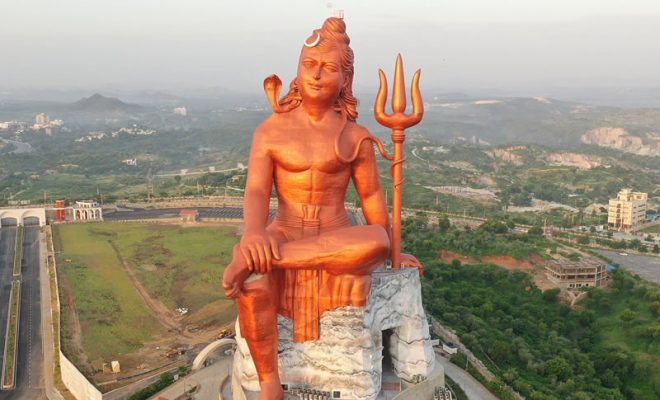
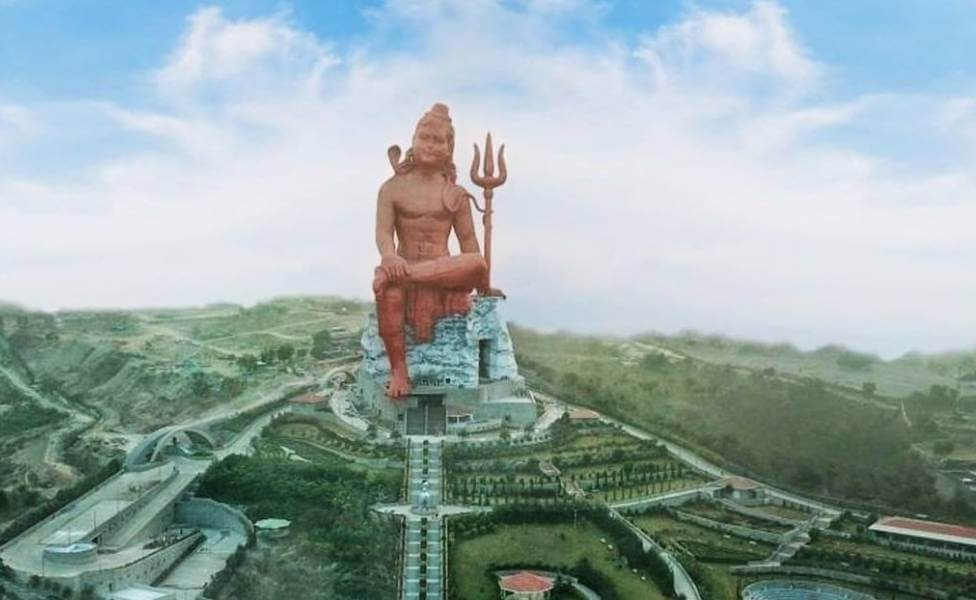
In April 2013, Indian businessman Madan Paliwal gave the instructions to build a Shiva Statue in Nathdwara, Rajasthan, at a height of 369 feet (112.4 metres). The statue was completed in August 2019. It was designed by sculptor Nagesh Kumawat.

Statue of equality (Ramanuja)


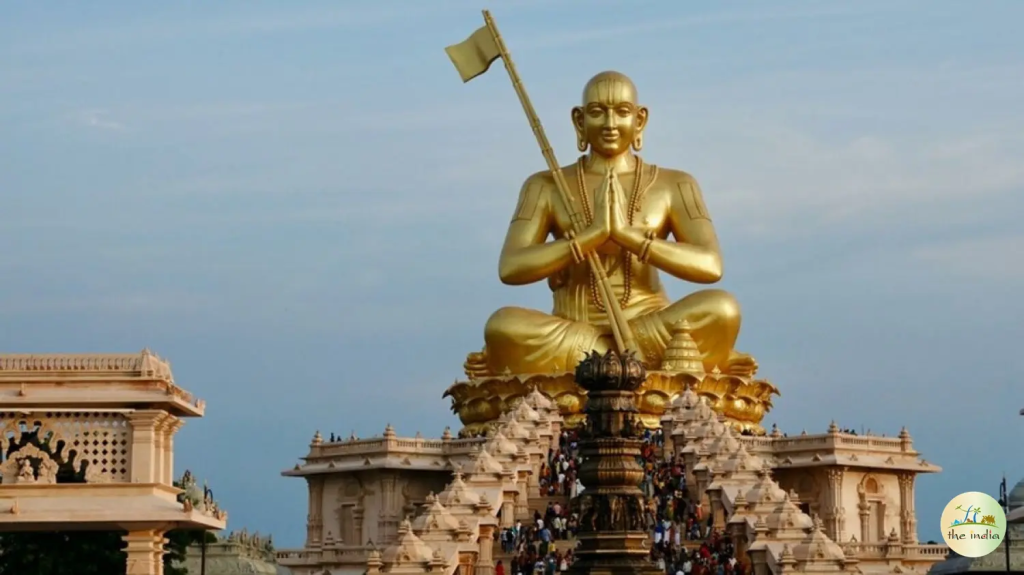
The idea of this statue was conceived by ascetic Chinna Jeeyar who after getting the idea went up to architect DNV Prasad Sthapati. Construction began in May 2014 and is located at Muchintal, Telangana. The statue is a seated image of 11th century philosopher Ramanuja and reaches up to a height of 216 feet (66 metres).

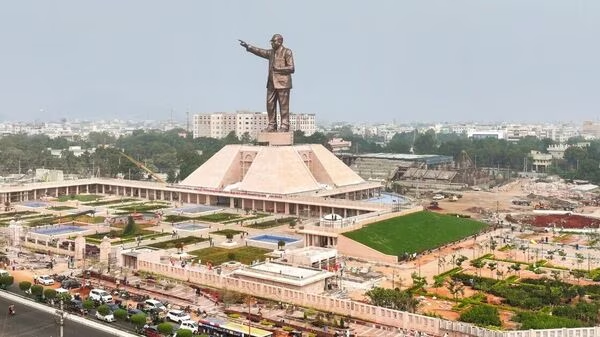
Dr Ambedkar Statue


Located at Hussain Sagar, Hyderabad, in Telangana, it is the biggest Ambedkar Statue in the country. It reaches a recorded height of 175 feet (55.34 metres). The statue is designed by Ram V Sutar alongwith his son Anil Ram Sutar.

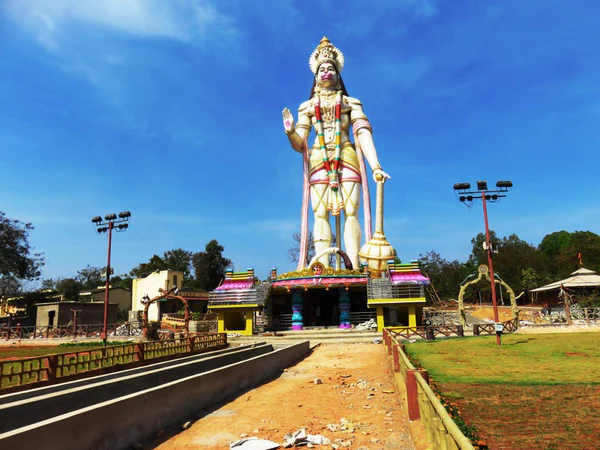
Hanuman Statue


It is located along the banks of river Krishna, Andhra Pradesh. Started as a dream by Jayi, Ramanamurthy, a devotee soon received donations from his community and made it the highest Hanuman statue in India. Started in 2005 and finished in 2020, the height of the idol is 171 feet (52 metres).

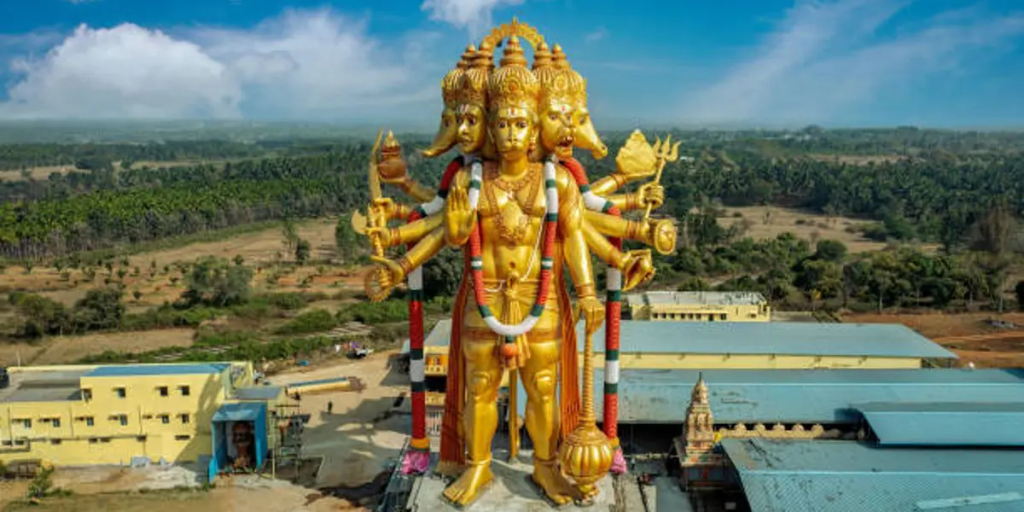
Panchmukhi Hanuman Statue

The Panchmukhi Hanuman statue is located at Bidanagere, Karnataka and is the second highest Hanuman statue in India. It is of a height of 161 feet (49 feet) and was unveiled by chief minister Basavaraj Bommai. List of Tallest Statues in India that have become tourist destinations
Read More........

What Are The Pros And Cons Of Wearable Fitness Trackers In India?


Wearable fitness trackers, like smartwatches and fitness bands, are becoming a trend, especially among young adults in India. These devices track your daily activities like steps, sleep, heart rate, and more. They’re quite handy, but like everything, they have their upsides and downsides.

Pros Of Wearable Fitness Trackers

The wearable fitness trackers make you more aware of your physical activity. You might start noticing how much you walk or how well you sleep. They’re great motivators. Seeing your steps or workout progress pushes you to do better.

Plus, they’re social tools. Many apps let you connect with friends, making fitness fun and competitive. A big plus is tracking your health progress. It’s like having a mini health diary on your wrist.

However, these benefits come when you use them as part of a larger health plan. They’re not magic wands. You still need to exercise and eat right.

Cons Of Wearable Fitness Trackers

Accuracy can be an issue. Sometimes, these devices might not give you the exact data, like the exact number of calories burned. This can be misleading. Then there’s the risk of getting too obsessed with the numbers.

Constantly checking steps or calories can become stressful, taking the fun out of fitness. The cost is another factor. While there are affordable options, the high-end models can be pricey. And, they might not track all activities, like weight lifting or yoga accurately.

Moreover, there’s the issue of data security. These devices collect a lot of personal health data, which could be misused if not handled properly. So, it’s important to choose a reputable brand that takes data privacy seriously.

Should You Embrace or Avoid Wearable Fitness Trackers?

Wearable fitness trackers are useful tools if used correctly. They should complement, not dictate, your health regime. Remember, they are tools to assist you, not solutions by themselves. Before you buy one, think about why you need it and if it fits into your lifestyle and budget. And always, it’s good to consult with a health professional before making any big fitness changes. Stay informed and choose wisely! What Are The Pros And Cons Of Wearable Fitness Trackers In India?
Read More........

Dr. Suruchi Bawa From Punjab Crowned Mrs. India One In A Million


By Bharat Gatha, Dr. Suruchi Bawa, from Jalandhar, Punjab, achieved great success at the Mrs. India One in a Million 2023 contest. This contest was for talented women from all over India and other countries.

It took place at the Hotel Leela Ambience in New Delhi. 73 women were competing, chosen from 5000 who tried out. This event was to showcase women’s beauty and skills.

The event was organized by Prashant Chaudhary and Swati Dixit. It was sponsored by many, including Forever India Events and Kosmo-Plast Hospital. The judges were famous people like Miss India Universe Shweta Sharda, fashion experts, and business leaders.

Dr. Suruchi Bawa stood out in this competition. She has always been very talented, doing well in school in dance and sports, and learning martial arts. Even though she was busy with her dental clinic and family, she kept her interest in fashion and ramp walking.

She has done a lot for society. Her team offers free dental treatment to poor people, especially children and older couples. She also served as a medical officer during the COVID-19 pandemic.

Dr. Suruchi Bawa’s husband entered her in this contest. She worked very hard, balancing her professional and personal life. She managed to prepare for the pageant while looking after her patients and family.

The judges praised her for her elegant walk and perfect fitness. They were impressed by her confidence and quick, smart answers.

In the end, Dr. Suruchi Bawa won the Gold category. The first runner-up was Guncha Singh and the second runner-up was Dr. Akansha Massey. They all thanked the organizers for giving them this chance.

Dr. Suruchi Bawa wore different outfits for the event. She started with a sports T-shirt and jeans, then wore traditional and western dresses. The event was supported by many people and organizations. They all worked together to make it a success. Dr. Suruchi Bawa From Punjab Crowned Mrs. India One In A Million
Read More........

Banana Fiber and Big Dreams: Gloria Awomi Champions Eco-Friendly Innovation in Zunheboto


Gloria Phuleshe, a dynamic and dedicated entrepreneur, has been making significant strides in both her professional and personal life.

Hailing from Satami Village in the Zunheboto District, Gloria is a Computer Assistant under RD Zunheboto, while also serving as the Media Secretary of the Sumi Totimi Hoho (STH). Her entrepreneurial spirit extends beyond her office duties, as she is the proud owner of Meraki Event Planner and Makeup Artist, based in Zunheboto.

In addition, Gloria has cultivated a unique brand identity through Musa Mix, a venture that produces eco-friendly products like bags, baskets, lampshades, and home décor, all made from banana fiber. Her innovative work stands out as a testament to her creativity and commitment to sustainability.

Speaking exclusively to The Morung Express, Gloria shared her passion for blending creativity with practicality. “Doing something based on our own ideas and creativity is what I prefer,” she explained. “I try to keep busy as possible because doing nothing makes me feel I’m nothing.”


Gloria’s journey is a blend of ambition and determination. After completing her higher secondary education at Love Dale School in Zunheboto, she pursued higher studies at Tetso College in Dimapur English Honours. Upon graduation, she returned to her village and initially worked in agriculture, cultivating paddy fields and producing sticky rice (Asüphà ajiu) —an essential staple for the village. Her success in producing 115 tins of sticky rice became the seed capital for launching her event planning business.

“My top priorities are my office duties, my business, and other activities come after my office work,” she emphasized. “Even if my business schedule is full, if my office demands my attention, I will always cancel my business plans to fulfill my duties as a Computer Assistant. Helping my community is my first responsibility.”


One of Gloria’s most notable ventures, Musa Mix, came to life when she sought to make use of her free time while assisting a family member in Dimapur. While browsing online, she discovered Runway India’s training program on banana fiber products. After completing the week-long course, she began creating eco-friendly products that support her livelihood and contribute to the local economy.

However, her success has not come without challenges. The primary hurdle she faces is the lack of access to sufficient banana fiber, as she does not yet possess the machinery required to produce it at scale. This limitation has impacted her ability to meet increasing demand for her products.


“I always wake up early and start working with banana fiber while cooking. Afterward, I go to the office to resume my duties, and once I return home, I continue working on my banana fiber creations,” Gloria said, highlighting her relentless work ethic.

Her efforts align with broader environmental concerns, as she explained, “It’s eco-friendly, and with the state government banning single-use plastic, banana fiber products could serve as a great alternative that benefits both the environment and local businesses.”

Currently, Gloria runs her business with a small but dedicated team of three, including herself. Despite her busy schedule, she remains committed to maintaining a healthy lifestyle, incorporating daily exercise and jogging into her routine to ensure her physical and mental well-being.

Read More........

Reducing salt intake most cost-effective strategies to boost health: Experts


New Delhi, (IANS) Reducing salt intake is one of the most cost-effective strategies to boost health, said experts as salt consumption in India is exceeding safe limits, contributing significantly to the growing burden of non-communicable diseases.

Doctors and public health leaders called for stronger physician-led campaigns, reformulation of packaged foods, and consumer education to curb India's rising salt crisis, at The Salt Fight 2025: Say NO to Na workshop organised by the Delhi Medical Association (DMA) and other organisations.

Addressing modifiable risk factors like excess salt intake is critical to reversing the country's non-communicable disease burden, which accounts for nearly 65 per cent of all deaths, said Dr Vinod Kumar Paul, Member, of NITI Aayog, during the event, held in the national capital.

"Reducing salt intake may seem simple, but it is among the most cost-effective strategies available. It is not enough to know the risks -- we must focus on what works. Practical campaigns and evidence-based solutions must be scaled urgently," he added.

Further, quoting global research, Paul noted that cutting salt intake by 30 per cent could reduce hypertension prevalence by at least 25 per cent, helping prevent conditions non-communicable diseases such as heart attacks, strokes, and kidney disease.

According to health data, the average salt consumption in India stands at nearly 11 grams per day, far exceeding the WHO-recommended limit of 5 grams. Excess salt is often consumed unknowingly through processed foods, restaurant meals, and packaged snacks.

Dr Girish Tyagi, President of the Delhi Medical Association, stressed that physicians had a vital role in making salt reduction a part of routine clinical practice.

"Salt reduction should not be a footnote during patient consultations. It must be central to our health advice, encouraging low-sodium options and greater awareness about hidden sources of salt," he said.

Dr Atul Goel, Director General of Health Services, New Delhi, linked salt excess to broader issues in modern lifestyles.

"Processed foods, refined oils, and excessive salt are harming us slowly. Even medicines and injectable products may contain sodium. Reducing salt by even 2 grams a day can protect millions," he said.

The experts also discussed the importance of food industry reformulations, mandatory front-of-pack salt labelling, taxation on high-salt foods, and promoting low-salt recipes that do not compromise taste.The experts called on physicians, policymakers, and the food industry to work together in creating a low-salt culture across India to help stem the tide of preventable diseases. Reducing salt intake most cost-effective strategies to boost health: Experts | MorungExpress | morungexpress.com
Read More........

Study claims online plant-based diet programme can help manage diabetes


New Delhi, (IANS): A structured online nutrition programme may address India's diabetes epidemic by removing key barriers to dietary adherence, according to a study, led by an Indian-origin researcher.

The study, led by the US-based Physicians Committee for Responsible Medicine (PCRM), showed that participants who followed a physician-led, plant-based nutrition programme experienced measurable improvements in health. This included reduced medication use, body weight, blood sugar, and cholesterol levels.

The findings offer potential insights for India, where diabetes currently affects more than 101 million adults, with an additional 136 million in the prediabetes stage, said the team in the paper, published in the American Journal of Lifestyle Medicine.

"India's diabetes crisis requires solutions that work within our healthcare realities," said lead author Dr. Vanita Rahman, internal medicine physician with PCRM.

"While we've long known that dietary changes can effectively manage diabetes, implementation has been challenging due to limited consultation time, inconsistent follow-up, and accessibility barriers -- particularly in tier-2 and tier-3 cities," Rahman added.

The study addressed common challenges Indian patients face when attempting lifestyle modifications such as accessibility; structured support; practical implementation; and consistent follow-up.

The 12-week programme enrolled 76 adults with type 2 diabetes. Among the 58 participants who completed the programme 22 per cent of participants reduced diabetes medication dosages; average weight decreased by 3.7 kilograms (approximately 8 pounds); HbA1C (a measure of blood sugar control) decreased by 0.6 per cent.

Further, the total and LDL cholesterol levels decreased by 15 and 12 mg/dL, respectively, among participants not taking lipid-lowering medications“These results are especially relevant in the Indian context, where vegetarian and plant-forward dietary habits are already part of cultural norms. With simple adaptations to lower fat content and focus on whole foods, these interventions can be easily incorporated within Indian households,” Rahman said. Study claims online plant-based diet programme can help manage diabetes | MorungExpress | morungexpress.com
Read More........