Seyievinuo Chuzho gets ORTA Culture & Heritage National Award 2025

Seyievinuo Chuzho

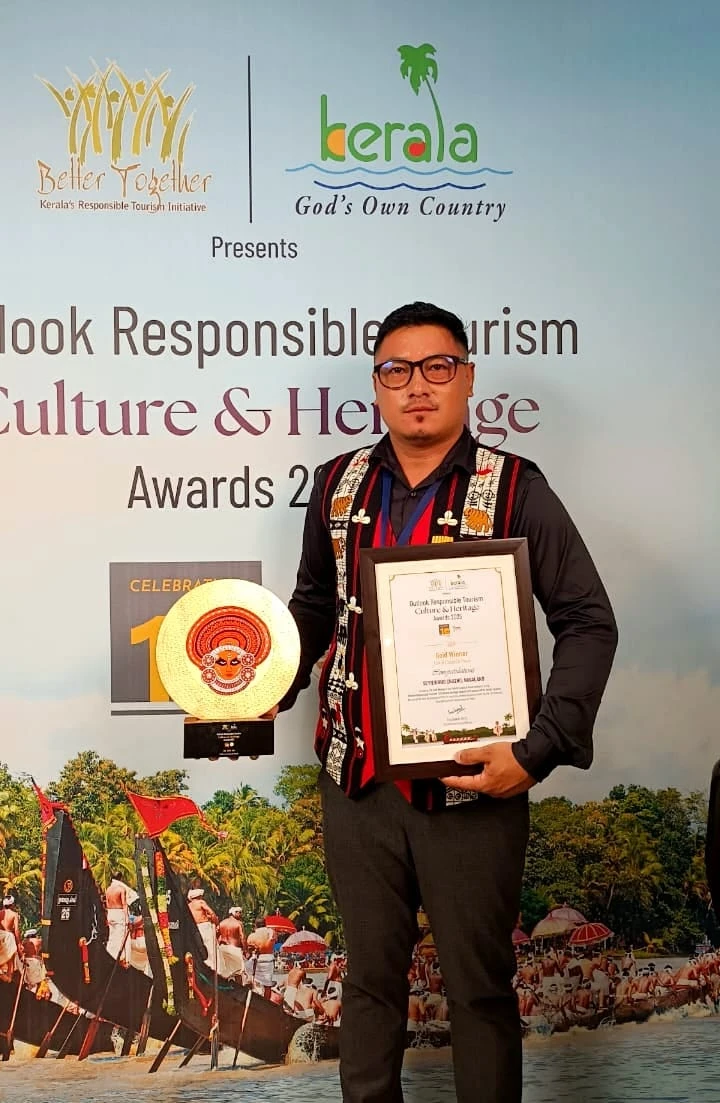
An acclaimed singer Seyievinuo Chuzho from Nagaland has been conferred with 1st edition of Outlook Responsible Tourism Award (ORTA)- Culture & Heritage National Award 2025 in the category of Folk & Classical Music on September 20 at Sargalaya, Kozhikode, Kerala.

Chuzho has been conferred with the award out of more than 400 applicants from India.

The event was organized by the Ministry of Tourism, Government of Kerala.

As Chuzho is currently in Singapore for a performance at the Northeast Festival 2025, the award was received on her behalf by Tekatemjen Imchen, vice president, Naga Students’ Welfare, Kerala.

Tekatemjen Imchen, vice president, Naga Students’ Welfare, Kerala, received the award on behalf of Seyievinuo Chuzho..

“I feel deeply honored and humbled to receive the Culture & Heritage Award 2025 in the category of Folk & Classical Music. This recognition is not just a personal achievement but also a tribute to the rich cultural traditions and musical heritage of Nagaland and our region,” Chuzho told The Morung Express.

Folk and classical music carry within them the stories, values, and wisdom of generations, and to be acknowledged for contributing towards preserving and sharing this heritage is truly meaningful, she said.

“This award inspires me to continue working with greater passion and to safeguard our traditions, to bring them to new audiences, and to ensure that the younger generation finds pride and identity in their cultural roots,” Chuzho said.

I accept this honor with gratitude to all my mentors, fellow artists, and supporters who have journeyed with me, and I dedicate it to the community whose voices and rhythms live through music, she said.Meanwhile, Chuzho thanked Tekatemjen Imchen for receiving the award on her behalf as she couldn’t make it to the event because of her performance at Northeast Festival in Singapore. Seyievinuo Chuzho gets ORTA Culture & Heritage National Award 2025 | MorungExpress | morungexpress.com
Read More........

Longsa village prepares for grand Tsüngremmung Festival 2025

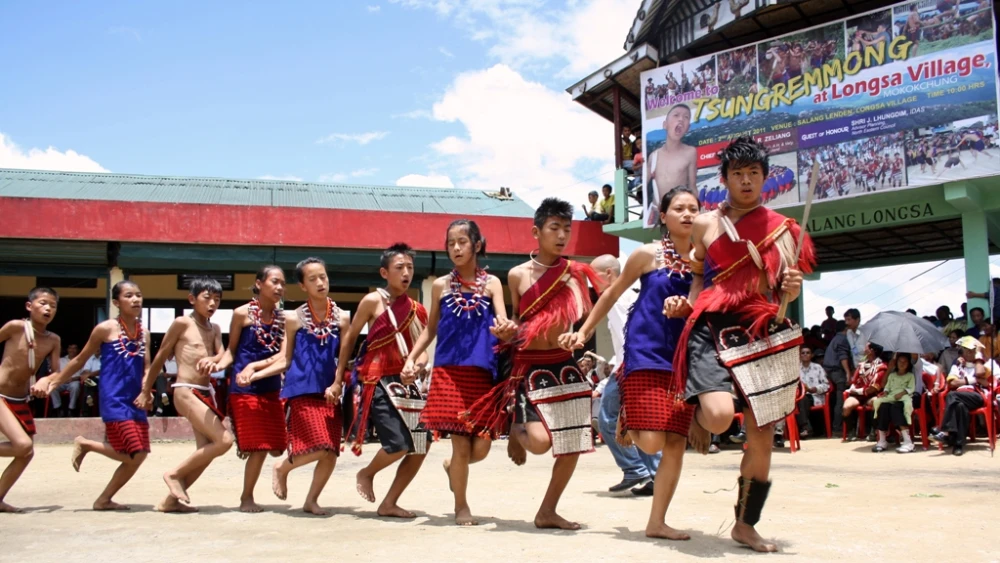
A group of young boys in traditional attire at Longsa village. (Photo Courtesy: Sashimeren Jamir)

Mokokchung, July 29 (MExN): Longsa village under Mokokchung District has begun preparations to host the Tsüngremmung Festival 2025 from August 1 to 3. After a long pause due to the COVID-19 pandemic, this year’s Tsüngremmung is set to be a grand celebration, showcasing the cultural richness, traditional practices, and communal spirit of the Ao Naga people.

Organised by the Longsa Village Council under the patronage of the Tourism Department, Government of Nagaland, the festival aims to highlight the essence of Ao Naga identity through traditional customs, cultural performances, and collective community participation, stated a press note received here.

Tsüngremmung, one of the most significant traditional festivals of the Ao Nagas, is celebrated ahead of the harvest season, symbolizing thanksgiving, unity, and renewal. Tsüngremmung is a traditional Ao Naga festival celebrated ahead of the harvest season, symbolizing thanksgiving, unity, and renewal. It symbolizes spiritual cleansing and strengthens community bonds through songs, dances, and feasts. Reflecting rich cultural heritage, it preserves ancestral values, stories, and identity, making it more than just a celebration, it’s a living expression of Ao Naga heritage.

This year’s celebration at Longsa village will be graced by G Kaito Aye, Minister, PWD (R&B), Nagaland, as the chief guest; Imkong L Imchen, Advisor, Information & Public Relations, Soil and Water Conservation, as the guest of honour and Imkongmar, MLA, Advisor, Minority Affairs & Sericulture, as the honoured guest.

The three-day celebration will begin with Süngben Mung (Preparation Day) on August 1, featuring traditional activities such as collection of firewood and vines, cleaning of homes, and pounding of rice, culminating in a cultural competition in the evening. The main celebration, Yatimung, on August 2 will include the ceremonial pulling of vines, tug-of-war between men and women, cultural dances, community feasting, and all-night singing of Kimak. The final day, Aien Lenpi, on August 3, will focus on traditional practices by unmarried men such as bonfires, village cleaning, and final community feasts.

Significance of süngremmung:

The essence of Tsüngremmung is sanctification of the self and society for obtaining blessings from God. It has a strong bearing on community building as the entire village comes together to work, earn, save, and eventually share in the feasts that accompany the festival. Preparations for the festival actually start during the cultivation season, when the Zünga (age groups) work the fields to collect for the Zünga Yongya (age group feasts), held during Tsüngremmung. Tsüngremmung thus evolved as a festival where, along with feasting, oral traditions and knowledge were passed from one generation to another through songs and dance, and community life was enhanced through sharing.


The origin:

In the days of old, when men abided close to God—there lived a man named Merangshang. He was hard-working and devoted much of his time to working his field. Tsüngremshang cultivated the field adjacent to his. While Merangshang toiled endlessly, he observed that Tsüngremshang worked only occasionally, and yet, at harvest time, his field yielded abundant grains. Observing this amazing phenomenon, Merangshang befriended Tsüngremshang and asked him his secret. Tsüngremshang revealed that he could communicate with God and that during the cultivation period he would purify himself, and just before harvest time, he performed a ritual to propitiate God, asking for His blessings. Merangshang also decided to follow in his neighbor’s footsteps, and in the following years, they observed the same worship, and both received abundant harvests.

Merangshang passed on this knowledge of propitiating ‘Longditsüngba’ (translated as ‘god the provider) for an abundant harvest to the rest of his village. Slowly, it gained a growing number of practitioners, and soon the entire village started coming together to offer thanksgiving in the form of a festival that came to be known as Tsüngremmung (named after the man who started the ritual). Eventually the entire Ao tribe began observing this festival.

As the years passed, the flowering of the white blossoms of ‘Songsaben’ below Chungliyimti was taken to herald the festival. Since the blossoms were first sighted from Longsa village, Tsüngremmung was therefore celebrated first at Longsa and only then observed in the other Ao villages. So the festival is also referred to as Longsamung.

About Longsa village:

Longsa, a picturesque Ao Naga village southeast of Mokokchung, borders Zunheboto and Tuensang districts. Nestled among rolling hills under vast blue skies, it offers stunning views of lush green landscapes. As one of the most prominent villages in Ao Naga territory, Longsa has produced many distinguished leaders and luminaries.

Longsa village is home to several cultural attractions and heritage sites that reflect its deep historical roots and unique traditions. Key sites include: Longkakak, a historic cave formed by natural boulders; Koralong, the legendary ‘stone that used to crow’; Longsa Long, believed to be the symbolic gateway to the afterlife; Ko Kongki, a traditional stringed instrument made from trophy-head hair; Awatzü Pond, tied to oral histories from the Sangpuyimti era. Visitors can also take in breathtaking views from Yimpenzükong, blending cultural heritage with stunning landscapes steeped in folklore and ancestral meaning.Recognizing its cultural and scenic appeal, the Nagaland government declared it a Tourist Village in 2006. Since then, Longsa has grown into a must-visit tourist destination, attracting travelers from around the world. Longsa village prepares for grand Tsüngremmung Festival 2025 | MorungExpress | morungexpress.com
Read More........

Amazing vibes of the Music & Dance of Rajasthan

Posted by jinson, The people of Rajasthan live life to the hilt. After hard work under the scorching sun rays and on the rocky terrain whenever they take time off, they let themselves go in gay abandon. There is dancing, singing, drama, devotional music and puppet shows and other community festivities which transform the hardworking Rajasthanis into a fun-loving and carefree individual. Each region has its own folk entertainment, the dance styles differ as do the songs, interestingly enough, and even the musical instruments are different.  

Rajasthani music is very famous not only in India but also in the world. Music & dance are deeply integrated in Rajasthani Life. The stillness of the desert evening and the upsurge of life in the short-lived rainy season or spring are filled with soulful, full-throated music and rhythmic dance. Instruments such as Sarangi, Kamaycha, Satara, Nad, and Morchang create a wide range of lightning and melodious sound in accompaniment to the music of the Bhopas, Kalbeliyas, Langas and the Mananiyars. Professional performers like the Bhatts, Bholis, Mirasis, Nat, Bhands are omnipresent across the state.
They are patronised by the villagers who participate actively in the shows put up by these travelling entertainers. Their amazingly rich music has an extraordinary full individually, tradition and exotic flavour, which gives a distinctive feature and quality to their musical sounds. They have songs for every occasion with rich emotional content, almost an endless variety of tunes, quite a few delightful dance forms, and a large number of musical instruments, all a collective creation of the folks which is retained by them in its traditional form and character and passed from one generation to the other.

Rajasthani dances are a spectacular celebration of life and colour. The Thar Desert of Rajasthan gets life with its musicians and dancers, which are simple expressions of celebrations and festivity. The dancers, the dances and costumes have made Thar the most colourful desert in the world. Each region adding its own form of dance styles and performers, there are dances that follows a lineage of age old traditions, adhere to religious significance, display their daring attitude as well as complimenting various fairs and festivals.

Fire Dance: The Jasanthis of Bikaner and Chum are renowned for their tantric powers and this dance is in keeping with their lifestyle. A large ground is prepared with their live wood and charcoal where the Jasnathi men and boys jump on to the fire to the drum beats. The music gradually rises in tempo and reaches a crescendo; the dancers seem to be in a trance like state.

Ghoomer Dance: This is basically a community dance for women and performed on auspicious occasions. Derived from the word the “Ghooma”, this is a very simple dance where the ladies move gently, gracefully, in circles.


Giat Ghoomer: This one is one of the many dance-forms of the Bhil-tribal. Performed during Holi festival this is among a few performances where both men and women dance together.
Chari Dance: This is popular in the Kisherigarh region and involves dancing with a Chari, or pot, on one’s head. A lighted lamp is then placed on the pot.

Kachchi Ghodi: This is a dance performed on dummy horses. Men in elaborate costumes ride the equally well decorated dummy horses. Holding naked swords, these dancers move rhythmically to the beating of drums. A singer narrates the exploits of the Bavaria bandits of Shekhawati.


Drum Dance: This is a professional dance-form from Jalore. Five men with huge drums round their necks, some with huge cymbals accompany a dancer who holds a naked sword in his mouth and performs in his mouth and performs vigorously by twirling three painted sticks.

TerahTali: Performed by the female dancers while sitting, Terahtali is one of the fabulous dance forms. In this the women ties little brass discs called ‘manjeerans’ with long strings to their hands, arms, wrists, waists, and elbows. While their male partners sing and play ‘tandoora’, the women with manjeerans create a strong rytham with perfect balanced dance moves.


Music


Ragas : Folk music is the basic style of Rajasthani music, Also, different Raga and various instruments are other essential factors which form a fantastic @ unique music culture of Rajasthan. Bilawal, Kafi, Desh, Khamaj and Peelu are some ragas, most widely used in Rajasthani folk songs. Some in their pure forms and others in combinations. Many folk songs are tuned in Bilawal and Kafi. The folk songs of Rajasthan have maintained the elements of Indian classical music despite the fact that they are freely composed and sung, without any specific rules. Classicism in music have been framing and improving its form with the help of folk-songs.

Maand: Rajasthan's most sophisticated style of folk music and has come a long way from the time it was only sung in royal courts, in praise of the Rajput rulers. Professional singers still sing the haunting ballads of Moomal Mahendra, Dhola-Maru and other legendary lovers and heroes.

Instrument: The Thrilling melody of Rajasthan sounds in variety of delightful primitive instruments. The stringed variety is the mixture of Sarangi, Morchang, Ektara Rawanhatta and Kamahacha. Then Percussion instruments are in all shapes & sizes like huge Nagara( giant Drums) and Dhols to the little drums. Daf and Chang are the instruments which are mostly played in Holi.

Folk music of Rajasthan depicts multiple moods & shades including lonliness of lovers, their reunion, inter-personal relationship, laughter, joy, happiness & faith. This folk music also serves as educational purpose.Holiday India : Amazing vibes of the Music & Dance of Rajasthan
Read More........

Lifestyle choices, workplace culture key for mental well-being, productivity: Eco Survey


New Delhi, (IANS) Lifestyle choices and workplace culture are critical for the mental well-being and thus, the productivity of the people in India, according to the Economic Survey 2024-25 on Friday.

Tabled in Parliament by Finance Minister Nirmala Sitharaman, the Survey noted that mental well-being encompasses all our mental-emotional, social, cognitive, and physical capabilities -- construed as the mind's composite health.

It noted that beyond being an economic issue, mental well-being is the ability to navigate life’s challenges and function productively.

"Data suggests that mental well-being is not static; indeed, there is a myriad of factors, including workplace culture, hours spent working, and lifestyle, that influence mental well-being," the Survey said.

It highlights how lifestyle, work culture, family bonds, eating habits, etc., are affecting the mental health of citizens in the country.

It also laid emphasis on the impact of screen time and ultra-processed foods on mental health.

"While promoting a better workplace culture will lead to better mental well-being, lifestyle choices, and family situations also play a significant role. Results of the survey show that individuals who rarely consume ultra-processed or packaged junk food have better mental well-being than those who regularly do," the Survey said.

Similarly, people who rarely exercise, spend their free time on social media or are not close to their families have worse mental well-being.

"Lifestyle choices and workplace culture are critical for mental well-being and, hence, productivity. If India’s economic ambitions are to be met, then immediate attention must be given to lifestyle choices that are often made during childhood/ youth," it said.The Survey also showed how "hostile work cultures and excessive hours spent working at the desk can adversely affect mental well-being". This, it noted, will "ultimately put the brakes on the pace of economic growth" in the country. Lifestyle choices, workplace culture key for mental well-being, productivity: Eco Survey | MorungExpress | morungexpress.com
Read More........

US Hindi Teachers Travel to India to Learn Culture

YHS-Fulbright-Hays-participants-with-environmentalist-Vandana-Shiva-in-Dehradun – Photo Credit: Ashok Ojha

In the months of October and November 2022, a team of 12 US-based teachers and student teachers visited India on a Study Tour. The tour was sponsored by the US Department of Education under the ‘Fulbright-Hays GPA Short-Term /Curricula Development Award 2022’, awarded to Yuva Hindi Sansthan, that prepared the project in close collaboration with the Hindi program at the NewYork University. The project Consultant Professor Gabriela Nik. Ilieva and myself, as the director, were leading the study tour.

The purpose of the tour was to familiarize US-based teachers and student teachers with the ground realities, created by global warming and climate change, at various locations in India. Participants were required to look at the impact of ‘Climate Change’, in the cultural context of India and be aware of the ‘sustainable’ lifestyle of local communities. We were also required to collect authentic materials in the native land of the Hindi language.

The Study Tour played an important role in acquiring authentic material and subsequently supported the curricula for using it in the language classroom.

We boarded the United Airlines flight for New Delhi on October 28, 2022 at Newark International Airport. We arrived at Indira Gandhi International Airport, New Delhi on October 29, 2022, where we were received by our Indian staff.

For four weeks we traveled to various parts of India that are deeply impacted by climate change. First, we traveled to Nainital, a hill station in the northern state of Uttarakhand. We were invited to attend an event organized by Kumaun University. Ajay Rawat, an expert, and activist, presented detailed information about the problems of land erosion and water pollution in the region. We visited an area called Ballia Nala, where we witnessed the devastation caused by land erosion. The local population is living with the fear of further landslides. A road passing through the area was completely cut off due to the landslide. We met activists who were working to create awareness among people about water pollution and climate. We traveled to the surrounding villages and interviewed villagers on local issues.

YHS-Fulbright-Hays-participants-having-real-life-experience-in-a-Warli-village-near-Dahanu-Mumbai – Photo Credit: Ashok Ojha

We left Nainital for Jim Corbett National Forest area and then to Dehradun, the capital of Uttarakhand state. We rented safari jeeps to travel inside the forest and observed the impact of Climate Change on the wildlife. We continued our journey to Dehradun where we camped at Navdhanya complex, a farmland established by the noted environmentalist Vandana Shiva, who mentored us on traditional living. We observed people engaged in producing agricultural crops using compost fertilizer. Dr. Shiva lectured and demonstrated the benefits of sustainable living that were possible with organic farming and a simple lifestyle. Our participants joined local farmers and villagers to get hands-on experience on sustainable living.

We flew to Mumbai and traveled by road to Dahanu, a coastal town where the Warli tribal folks live a self-contained life in their hutments. They use local resources to build huts, fishing and create world-famous Warli paintings. We intended to enhance our knowledge and understanding of sustainable living. We met Warli artists and farmers to learn about ‘sustainability’ and the depiction of life in their paintings. Our participants took part in art workshops conducted by experienced Warli artists and visited local schools to experience how Warli boys and girls were learning language and art.

Our fourth and final destination was Alwar district in the state of Rajasthan-the region that has experienced water shortage for decades. Alwar is also home of dozens of wild animals that live in the forest of Sariska. We learned about the impact of climate change on the local communities. There was the depletion of water levels in local wells and ponds that affected the lives of people and animals. However, the local population has managed to store rain water by constructing small dams. The traditional methodology to rejuvenate wells, ponds, and rivers were revived by Tarun Bharat Sangh, a local Non-Government organization in the early Eighties. Since then volunteers of TBS, under the mentorship of Dr. Rajendra Singh, a Magasaysay Award winner social activist, have been working with villagers to preserve water resources by constructing Johads and Pokhars, as the small dams are locally known. They have preserved water for drinking and irrigating farmland, and rejuvenated rivers to raise water levels in the village wells enabling women and girls to engage in more productive activities than just fetching water from miles away. Today the villages of the Alwar district have enough water for drinking and irrigating their farmland. They are able to sustain their lives which have been facing the impact of climate change.The participants of YHS FULBRIGHT-HAYS GPA SHORT TERM CURRICULUM DEVELOPMENT PROJECT 2022 observed, learned, and collected varieties of authentic materials at various locations in India during the 4 week-long Study Tour from October 29-November 26, 2022. All video clips created during the trip are available on our website, https://21stcenturyhindi.com/phase-ll. US Hindi Teachers Travel to India to Learn Culture
Read More........

What is happening at Tallinn Biennial today?


The Tallinn Biennial schedule for Friday 3 July includes openings and presentations from Kalamaja to Juhkentali. We can get to know artists Kärt Hammer, Patrick Soome, Raul Meel and Ruudu Rahumaru, as well as the main draw card for Tallinn Biennial Edward von Lõngus and other exhibitions that are already open.

From 12–7pm a presentation of work titled “drowning”, where abstractions meet installation and fragility meets rawness, created collaboratively with artist Patrick Soome and exhibited at ArtDepoo (Jahu 12, Tallinn) as part of Kärt Hammer’s painting exhibition “abstractions”. Both artists will be present throughout the day and ready to meet visitors. Subsequently, the exhibition will be open every day 12–5pm until 9 July. Free admission.

At 6pm Raul Meel’s exhibition “Truth and Justice: the elderly” will open at Telliskivi Creative City’s Outdoor Gallery (Telliskivi 60a, Tallinn), which similar to previous exhibitions at the gallery, attempts to bring art as close to the viewer as possible so that it becomes an everyday part of one’s environment and an almost obvious element in the inspiring atmosphere of Telliskivi Creative City. The selected artists may already be well-known but may also include beginners. The gallery is open 24 hours a day. Admission is free.

At 7pm yet another exhibition will open – Ruudu Rahumaru’s “Temple Keepers” at Fahle Gallery (Tartu mnt 84a, Tallinn). The photo-paintings created using a technique characteristic of the artist combine animism, the supernatural, a fairy tale quality, the synergy between humans and ancient nature, exotic, organic and psychedelic patterns and the artist’s own emotional world in an attempt to record universal sources of energy. The gallery is open Mon–Fri 9–5pm. Admission is free.

At 9pm the second performance of “One Hundred Seconds till Midnight”, a collaboration between Edward von Lõngus and Must Kast will take place at the artist’s exhibition at Ülemiste City (Sepapaja 10, Tallinn). The base material for the performance combines the artist’s work with John’s visions from the Book of Revelation in the New Testament. Drawing on the fact that Lõngus’ plan is to create an inverted church to consumerism, Must Kast furnishes the space with a ritual performance, which plays with the same themes. A limited number of tickets are available through Piletilevi.

In addition to Edward von Lõngus’ exhibition “Doomsday Cathedral” at Ülemiste City, “Artists Crisis Centre” at the ARS Art Factory Project Space and an exhibition of paintings at Solaris Gallery are also open on 3 July.

The programme for the biennial is accessible at tallinnabiennaal.ee and as a hard copy is available at the information point in Solaris Center.

This year’s Tallinn Biennial will take place 2–30 July. The almost month-long programme includes many extraordinary art events, exhibition tours and performances. The main organiser of the biennial is Nordic Baltic Art Center NOBA MTÜ. The main sponsors of the art event are NOAR.eu, Solaris and Ülemiste City. Source: https://www.baltictimes.com/
Read More........

Cultural events mark 2nd day of Buddha Mahotsava

Sanjay MOSING: BOMDILA, Nov 5: The Day 2 of the ongoing three-day Buddha Mahotsava at picturesque Bomdila town was marked by performances of cultural troupes presenting dances and songs showcasing the rich and varied traditional cultural heritage of the six tribes of West Kameng district.

Besides the troupes from Bogun, Shertukpen, Sartang, Aka, Miji and Monpa tribes, cultural troupes from various places of Arunachal like Wancho, Galo, Adi, Apatani performed in the evening, enthralling the audience with their varied numbers of dances and songs.

However, the main attraction of the evening was the beautiful dance performed by a cultural troupe from Bhutan.

Fashion show to create awareness on wildlife and nature by Wildlife Warden Kesang Lhamu Khrimey and designer Neetu Tering Rabasow and performances by Anu Mara, ‘Voice of Arunachal’ winner were other attractions of the evening.

Earlier in the morning, a marathon race was organized as a part of the celebration wherein the West Kameng DC also participated. A face painting competition was also organized on the occasion besides adventure and traditional sports.

Last night (inaugural day), the dance troupes from Yeshi Sambuddha Tibetan School, Tenzingaon, Shertukpen of Shergaon, Aka of Thrizino, Lhayi Lugar Performing Arts, Bhutan, Snow Lion, Tawaang, Nyishi and Apatani presented their wonderful dances and songs to enthrall the audience who thronged the venue in thousands.

However, the ethnic dress show of six tribes of the district captivated the spectators. The dresses were designed by designer Rinchin Lhamu Kharma. Source: http://echoofarunachal.in/
Read More........

Design your own tricolour bag for Republic Day

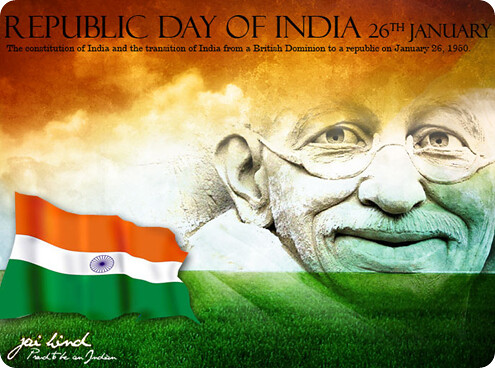
New Delhi, Jan 22 (IANS) Whenever Republic Day is around the corner, clothes and accessories in the Indian tricolour become a rage. How about designing your personalised handbag in a combination of saffron, white and green. Toteteca Bagworks, an online platform, allows you to experiment with your designing skills to create a bag that gives a 'patriotic' colour to your wardrobe. The saffron and green add boldness to the designs, which are available in various shapes, sizes and with different accessories. You can choose from its online library - there are totes, clutches, satchels and more. The customisation can be viewed on the website, and the final product will be delivered at your doorstep within the promised time. The bags are priced between Rs.900 and Rs.3,400 and are available in about 50 styles, which are updated every week. Made freshly at the brand's workshop, the product is delivered at your doorstep within the promised time. Source: ArticleImage: flickr.com
Read More........

A Victorian Christmas Postcard

By Joseph Crisalli: I can’t make out the year on the postmark, but I’d say this postcard was mailed in the early 1900s. It has all the hallmarks of an Edwardian Christmas postcard with nods to the past and “the future.” Father Christmas is, instead of a sleigh, driving a roadster. It’s loaded with toys, but, I’ll bet you
can guess which of them is the reason I have this card. Yup. There he is! Playing the cymbals. It’s our Mr. Punch. Punch and Santa, it seems, have a long history together. It’s really quite a lovely card, beautifully printed and embossed. And, the Christmas wish from Anna, whoever she was, is just as pleasant now as when she sent it to friends in Omaha. Source: Stalking the Belle Époque
Read More........

New standards boost age-old martial art

Representatives from different schools of Wushu, a traditional Chinese martial art, demonstrate their skills on the grasslands near Tianshan Mountain for a kung fu show this week. They were criticized online for putting on a show rather than popularizing martial arts. [Photo/China Daily]
Created by the Chinese Wushu Association in 2011, the Chinese Wushu Duanwei System, a hierarchical system that evaluates practitioners' qualifications, combat skills, theoretical knowledge and martial morality, has effectively provided unified access and understandable education to learners, according to a development report released by the association on Tuesday. Wushu, a traditional Chinese martial art, has made a major development in global self-promotion with the development of a standardized evaluation system over the past two years. According to the report, 257,137 domestic exercisers and 3,409 overseas practitioners from 69 countries and regions have obtained classifications in the system, which grades players from low to high as follows: Primary Duan (first through third), Middle Duan (fourth through sixth) and Advanced Duan (seventh through ninth). There is also pre-Duan grading, which has three levels. Each Duan class requires a certain number of years of practice, a level of theoretical and practical ability, martial arts ethics and etiquette. Wushu, which has long intrigued foreigners with its miraculous moves in kung fu movies and novels, has developed into hundreds of styles and schools, some of which grew in popularly while others gradually vanished. The charm of wushu's extensive and profound roots has attracted worldwide attention while presenting challenges to promoting the martial-art form internationally.
Liu Suibin, a representative of the Qingchengpai, a school of traditional Chinese martial arts, demonstrates his style. [Photo/China Daily]
As a result, the introduction of unified standards was important, a top official said. "The formulating of the Duanwei System helped wushu lift its veil to the world by offering clear classifications, straightforward training methods, and unified management of all schools," said Xiao Tian, China's deputy sports minister, who is in charge of wushu development. The system covers 23 of the most popular styles, including changquan, shaolinquan and taijiquan (tai chi) out of the 129 schools identified by the CWA, which compiled textbooks, offered assessment methods and organized exams at 629 test centers around the country. The standardization has worked well on earning international acceptance but has also sparked disputes in Chinese wushu circles. "Diversity is the unique character of Chinese martial arts, but it's also a headache," said Wu Bin, the former technical committee director of the International Wushu Federation who trained kung fu star Jet Li in the 1980s. "Different schools all claimed wushu originated from their tradition, and debates on which style represents the most authentic Chinese martial arts or which one is the strongest never end," Wu said. Wu said representatives of some schools excluded out of the 23 categories even urged students to boycott the system. Meanwhile, some leaders of other schools didn't accept the training methods in the system, saying that standardized stunts in textbooks failed to reflect the deep tradition and cultural roots of wushu. Zhou Jinsheng, master of kunlunpai, which is a longstanding school that originated around the Kunlun Mountains, said the gestures and motions in the system are too simple to embody wushu. "The categories granted by the system are only a drop in the bucket of Wushu and couldn't represent the massive amount of sects that originated from the grassroots," Zhou said on Tuesday during the Tianshan Mountain Cultural Week. The Tianshan event, which was held in the Ili Kazak autonomous prefecture of the Xinjiang Uygur autonomous region, invited representatives from 11 wushu schools to share experiences while displaying characteristic skills and uniforms. However, the event received negative reviews from the public, as the local county governor admitted it was held to promote local tourism, and Wushu fans claimed it was more like a cosplay show. Still, pundits said such activities should be welcomed as they focus media attention on wushu's development. "I think it has a positive impact as it helped to gain more exposure," said Kang Gewu, secretary-general of the Chinese martial arts research institute. "With more and more people paying attention to Chinese wushu, we could better promote the current duanwei system and find something in common among different styles." Source: China.org.cn
Read More........

2nd Ordos Int'l Nadam Fair opens

1 2 3 4 5 Next
Performers dressed in traditional costumes of Mongolian ethnic group prepare to take part in the opening ceremony of the 2nd Ordos International Nadam Fair in Ordos City, north China's Inner Mongolia Autonomous Region, Aug. 27, 2012. Nadam, meaning entertainment and playing in Mongolian language, is a folk festival of the Mongolian ethnic group. The eight-day fair in Ordos consists of art, cultural and trade activities as well as sports competitions, including horse-racing and Mongolian-style wrestling. [Xinhua], Source: China.org.cn
Read More........

Shigmo Festival–Goa

Posted by Lakshmi: Over the weekend, I saw a different Goa – Cultural, mythical and colourful. It was the Shigmo Festival. It was the first time I had heard of Shigmo, a festival that originated in the villages of Goa as it celebrates the arrival of spring. Dances, floats filled the air as I was told that the pageantry moved from village to village. Each village performs during the festival, based on a certain theme . Goa Tourism is
working on a promoting the cultural aspects of the state taking a cue from the others such as Karnataka Tourism .While a detailed post is coming up soon, I am leaving you with a video from the festival in Panjim. at. Source: Backpacker
Read More........

Raksha Bandhan being celebrated across India

Rakshabandha copy
.Subscribe
The school children tying ‘Rakhi’ to the President, Shri Pranab Mukherjee, on the occasion of ‘Raksha Bandhan’, in New Delhi
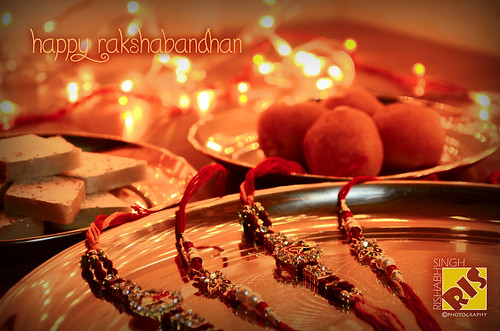
New Delhi, Aug 20 (ANI): RakshaBandhan, the festival of love between brothers and sisters, is being celebrated across the country today with full enthusiasm. The central ceremony involves the tying of a sacred thread, Rakhi by a sister on her brother's wrist. This symbolizes the sister's love and prayers for her brother's well being, and the brother's vow to protect her long life. President Pranab Mukherjee, Vice President Mohammad Hamid Ansari and Prime Minister Dr. Manmohan Singh have greeted the nation on the occasion. President Mukherjee in his message said the festival of Raksha Bandhan symbolizes the sacred bond of love, trust and commitment between sisters and brothers. "It is an occasion for us to dedicate ourselves to the well-being of women and in particular, the child. Women should be provided a safe, secure and congenial environment in which their talents can flower and they can contribute their full share in the building of our nation. Traditional cultural values of respect for women need to be fully entrenched in our minds," he said. "May this unique festival inculcate in every member of our society the highest respect for women, as we strive collectively for the prosperity of our people," he added. In his message, Ansari said called upon people to imbibe the valuable message of  Rakshabandhan to promote the spirit of amity, fraternity and harmony in our lives. "This festival not only celebrates the immaculate love between brothers and sisters but also transcends the confines of family to cover the entire society by underscoring the need for harmonious social life and peaceful co-existence," he said. In a separate message, Dr. Singh said that Raksha Bandhan is a festival celebrated to strengthen the bonds of love and affection in our family and society. "It is also an occasion to re-commit ourselves to ensuring the safety and security of women," he added. (ANI). Source: News Track India,
Read More........

Best countries to be mom named in Mother’s Index released today


Finland, Sweden and Norway are named the best three places in the world to be a mother, according to a global survey released on Tuesday by the Save the Children Fund ahead of Mothers’ Day to be celebrated on the second Sunday of May. The charity has assessed 176 countries by a range of criteria: education, income, female political representation and the chances a mother and her baby will survive – and compiled the so-called Mother’s Index, where the three northern European countries have filled the three top positions. Germany was placed on the ninth place, Australia – on the 10th, France – on the 16th, Ireland – on the 20th, Britain – on the 23rd . The United Stated has filled the 30th position. Democratic Republic of the Congo was named as the toughest place in the world to be a mom. According to yet another and new part of the annual global survey – the Birth Day Risk Index, yearly 1 million babies die on the day they are born, making the first day of their life the most dangerous day. It has turned out that the US has more first-day deaths than the rest of the industrialized world combined. In some US counties the first-day death rate is similar to the one common for the developing world, where the rate is as high as 98 percent. The report indicates child mortality has decreased from 12 million annual deaths in 1990ies to under 7 million. However, the new-born death rate, on the whole, has remained on the same level, it adds. The main culprits for the high child mortality figures are prematurity, birth complications and severe infections, the report says. Voice of Russia, Heraldonline.com, The Independent, Source: The Voice Of Russia
Read More........

Lohri Function at Rashtrapati Bhavan in New Delhi


Watch an in-house delightful Lohri Function's video, held at Rashtrapati Bhavan in New Delhi on January 13, 2013
'
Read More........

Taj Mahotsava begins


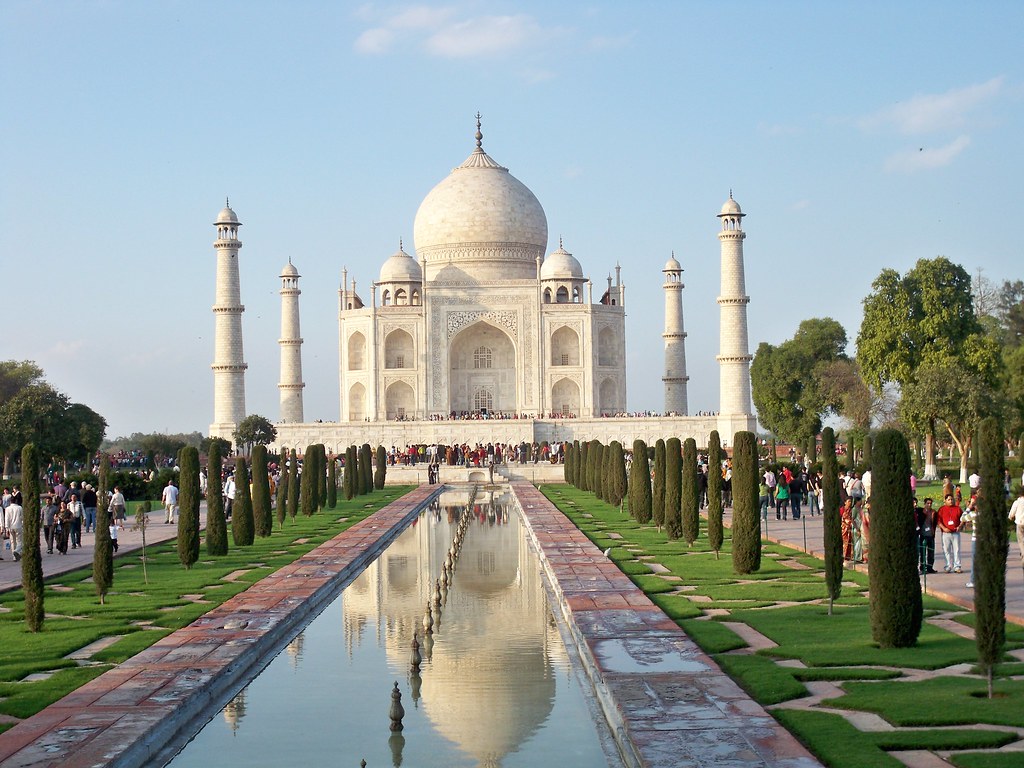
Agra: The 22nd annual Taj Mahotsava, a cultural extravagaæa, begins. The 10-day long event that has been delayed by a day due to the busy schedule of Uttar Pradesh Chief Minister Akhilesh Yadav, would begin tomorrow. As many as 340 local artisans would participate in the Taj Mahotasava. Artisans from various states and various organisations, including Jute Council, Zila Udyog Kendra, Coconut Board and Hasthkarga Hasthshilpa would display their products in the event, Agra’s Divisional Commissioner
Reference Video: Taj Mahotsava
Pradeep Bhatnagar Sanobir Kabir, comdedian Kapil Sharma, singer Jaswinder Narula and sitarist Shahdi Parvez have confirmed their participation in the Mahotsava based on ”Humari Parampara, Humari Virasat” theme. The district administration has made stringent security arrangments and deployed a posse of policemen. CCTV cameras have also been fixed for monitoring, official sources stated. The entry fees that has been fixed at Rs 40 and will exclude children below 5 years and foreign tourists. The event would be thrown open to public by UP Tourism minister Om Prakash. –UNI, Source: Indore-CityImage: flickr.com
Read More........

Yekaterinburg hosts world festival of clowns

The 5th World Festival of Clowns opens in Russia’s city of Yekaterinburg in the Urals to welcome the most successful clowns from Germany, Switzerland, Italy, France, Belgium and Israel.
Russia is represented by Sergei Prosvirin, a clown with a saxophone. Prosvirin is a successor of one of Russia`s most popular clowns, Yuri Nikulin. The festival has no jury and no competition, with the clowns simply gathering to send people joy. Source; Voice of RussiaImage: flickr.com
Read More........

Russian fairy-tale at Viennese Ball

The Russian ball in Vienna appointed on the 7th of February promises a fairy-tale to its guests. This festive night at the formerly imperial and now presidential residence of Hofburg is, on the one hand, part of the traditional Viennese ball season and, on the other, a beautiful introduction to an exchange of cultural seasons planned between Russia and Austria for the next three years.
By Karina Ivashko: This  will  be  the  seventh  Russian  ball  in  the  Austrian  capital.  It  always attracts attention, and not only of Austrians interested in Russian history and culture. This time, for example, guests are expected to arrive from 13 countries, the hostess of the ball Nathalie Holzmueller said in her interview with The Voice of Russia. “Just imagine the imperial palace which is called one of the most elegant palaces in Europe. Imagine the room with chandeliers given by Russian Emperor Alexander I to the Austrian monarchy. It was at the time of the Congress of Vienna 1814-1815, which is known to have determined the fate of Europe. Alexander I lived in Vienna for a long time and took part in that congress which came down in history as a ‘dancing congress’. Three is a suite of rooms in Hofburg that bears Emperor Alexander’s name.” The figure of Johann Strauss Jr., the Waltz King, became the symbol of cultural relations between Russia and Austria in the 19th century. He spent 11 summer seasons in Russia performing with his orchestra and also Russian musicians in the palaces of St. Petersburg and its environs, such as the Czar’s Village, Pavlovsk and Peterhof. At present residents of St. Petersburg hold and international festival called The Great Waltz in memory of those seasons. At the turn of the 21st century Russian musician and conductor Vladimir Fedoseyev had an impact on the Viennese musical environment. He was the main conductor of the Vienna Symphony Orchestra for 8 years. The Russian ball in Vienna did not emerge out of the blue either but was evoked by impressions of today’s cultural life in Russia. Nathalie Holzmueller, a native of Russia and a graduate of St. Petersburg Conservatory, says: “Several times I was a guest at the Mariinsky Theatre balls called White Nights Balls in the Catherine Palace in the Czar’s Village. I was stupefied with the splendour of the throne room, smart and elegant guests, wonderful ornaments, delightful tables, flowers and the Mariinsky Theatre orchestra with Maestro Gergiev and the best soloists. The fireworks and ballet on the ponds were mind-boggling. As a child I always dreamed of being invited to a real ball, so I developed a passionate desire to organize something similar and persuaded Valery Gergiev to throw a ball in Vienna, the European ball capital.” Maestro Gergiev liked the idea. The first three Russian balls were under the auspices of the Mariinsky Theatre which showed its young talents in Vienna. With time the circle of performers grew wider and balls started to be dedicated to a certain theme. This year’s theme is The Russian Fairy-Tale. It is a fairy-tale and also a dream come true. The hostess will play the part of a fairy and wonders of performing art will be demonstrated by the Bolshoi Theatre soprano Dinara Alieva, The Indian Summer vocal group from Moscow and The Merry-Go-Round children’s dancing workshop from Vienna. The sponsors’ aim is not only to make people happy but also to show the Russia which they know and love, without stereotypes and primitive iconic images. Austrian journalists call the Russian Ball a symbol of Russian culture abroad. Its hostess Nathalie Holzmueller assures that most Austrians are delighted with Russia and interested in it. Source: Voice of Russia
Read More........

Kremlin treasures on display in Germany

оружейная палата экспонат оружейная палата кремль музей
A unique exhibition of treasures from Moscow’s Kremlin “Between East and West” has opened in Residenzchloss palace in Dresden, Germany.
The exhibition is one of the key events of Russia-Germany cross cultural year. More than 140 works of Russian craftsmen, including parade arms and rare clothes are on display. The exhibition covers the period between 1547 when Ivan the Terrible ascended the throne and 1712 when Peter the Great declared St. Petersburg Russia’s new capital. Many of the masterpieces represented at the exhibition have never been taken outside the Kremlin walls before. The exhibition will last till March 4, 2013. Source: Voice of Russia
Read More........

7th Beijing Int'l Cultural & Creative Industry Expo


Actors perform at the opening ceremony of the 7th China Beijing International Cultural & Creative Industry Expo in Beijing, capital of China,Dec.19,2012.The 5-day expo opened Wednesday night in Beijing
7th Singers perform at the opening ceremony of the 7th China Beijing International Cultural & Creative Industry Expo in Beijing, capital of China, Dec. 19, 2012. The five-day expo opened Wednesday night in Beijing. [Photos: Xinhua: Luo Xiaoguang], Source: China.org.cn
Read More........