Western Tatami Mat Mania Keeping Alive Japan’s Traditional Woven Grass Flooring Industry

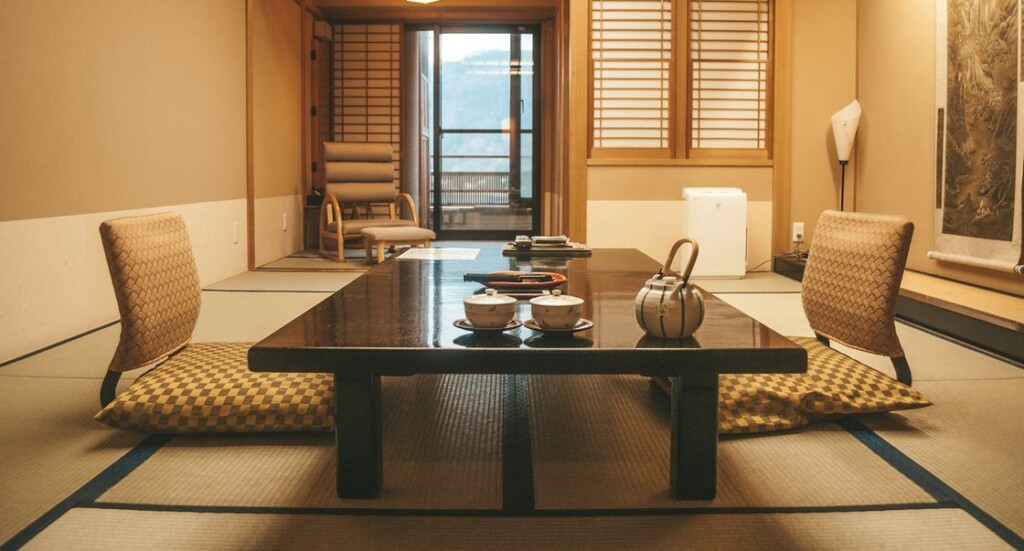
A modern tatami room – credit, Filiz Elaerts on Unsplash

Western admirers of Japanese aesthetic are keeping afloat tatami craftsmen in Japan, where modernity and maintenance requirements are driving down interest in this artisanal form of flooring.

From Europe to the US and even in the Middle East, eager importers of tatami mats now account for a sizable amount of orders from workshops like that run by Mr. Fumio Kuboki.

Kuboki is just the latest of his kin to run the family business which has been making tatami mats for 280 years. He still sells mostly to the Japanese market, but substantial help is coming from across the Pacific.

Half of the company’s international orders come from the US, Kuboki told the Japan Times.

For hundreds of years, a Japanese house wouldn’t be complete without wall-to-wall mats made of woven grass, called tatami. Made of tightly woven igusa grass, they were the standard feature in all dry rooms.

But one of Japan’s great marvels is that, even with as characteristic and attractive a traditional culture as it cultivated over the centuries, its modern aesthetic and lifestyle is almost just as iconic. As a result, the tatami mat has become somewhat neglected among Japanese crafts: reminiscent of your grandparents house and rural living.

Western-style flooring began to be the norm starting in the 1970s, and China began mass producing synthetic tatami that was easier to clean, longer-lasting, and cheaper to replace. As a result, it’s estimated that every year, 40 traditional tatami makers close up shop for good.

Yet for the increasing number of foreign residents, tatami represents the attractiveness of the Japanese aesthetic, and as well as installing it in their residences in the country, many of them bring it back to Europe or the US.

Arno Suzuki, a professor of architectural design at Kyoto Tachibana University who has studied the use of tatami in Spain, Italy and France, told the Times that seeing the appreciation for tatami among the rest of the world has somewhat reminded the younger generations of Japan of its value

Having a tatami “space” in an apartment or house is suddenly not as uncool as it once was.

“Nowadays they have a tatami space—not a tatami room, but at the corner of their living room they have three or four tatami mats, and they enjoy it. And also, many people realize that it’s better for when—especially when they have small kids, like toddlers and babies, it’s safer for them to crawl,” Suzuki told the Times.

In the city of Kobe, Taro Mano is the 4th in his family to take over the 70-year-old tatami business. He too has seen a rise from foreign buyers in countries like those Suzuki studied in.

“Tatami is a kind of symbol of Japan. It’s an easy way to express a Japanese atmosphere, even in other countries,” Mr. Mano said, adding that he first thought the interest would come from the United States, but it came to be far more diverse than that.

Mr. Kuboki makes some 10% of his revenues from overseas sales, with many of his products being stocked year-round at Japan House in Los Angeles. 100 years ago, no one ever wondered what else could be made of tatami, but now, whether it’s a coaster or a book cover, the artform is being reimagined.“Every day I talk with visitors and listen to what kind of tatami they want,” Mr. Kuboki said. “The products that are selected and loved by people are the ones that will naturally become the future of tatami. The future of tatami will be decided by customers.” Western Tatami Mat Mania Keeping Alive Japan’s Traditional Woven Grass Flooring Industry
Read More........

Japanese Woman Offers to Hold New Mother’s Baby so Exhausted Travelers Can Finish Their Meal

credit – Maggie Boynton, retrieved from TikTok

The Japanese have an unjustly-bestowed-upon reputation for being cold and distant, and one new American mother who’s gone viral on TikTok discovered just how wrong that stereotype can be.

While out at a restaurant with her husband, Maggie Boynton was approached by a matronly Japanese waitress who offered to hold their fussy newborn daughter so that a couple could eat in peace.

“I was pretty shocked,” Boynton shared with People Magazine. “I don’t think I’ve ever had a stranger offer to hold my baby before. At first, I hesitated—like, should I let her? But she seemed so genuine and sweet. You just have that intuition when someone truly wants to help.”

While nothing in general was going wrong per se, Boynton, who shared the video of the waitress cradling their daughter on TikTok to the tune of 2 million views, said that flying across so many time zones is already quite the drain—as is looking after a newborn, and the two together had worn her out.

“Even just 10 minutes for us to enjoy our meal was all I needed,” to recover, she wrote in a caption on the TikTok video.

On a practical note, chopsticks are not ideal eating utensils if there’s an infant squirming around in your arms.


“It’s crazy how much you take for granted—just being able to eat without worrying about spilling on your baby or juggling everything at once. That small gesture felt like such a weight off my shoulders,” Boynton felt.
Maggie Boynton and her husband with their daughter in front of Mount Fuji – credit Maggie Boynton, retrieved from TikTok


Japan in general was very baby-friendly, and from nursing areas in various public places to bassinets on board the flight, the whole trip was very accommodating to the couple and their little sprout.

Boynton suggests going to Japan at any possible opportunity, and said the fact that they were traveling with a newborn was no problem.“Keep calm and know that no one else is thinking about your baby being fussy as much as you are. Your baby feeds off your energy, so staying grounded can make such a difference,” she said. Japanese Woman Offers to Hold New Mother’s Baby so Exhausted Travelers Can Finish Their Meal – (WATCH)
Read More........

Watching Sports Boosts Well-being and Improves Your Health, According to ‘Ground-breaking’ Research

Roger Wilson Stadium Buffalo Bills game – by runneralan2004 (CC license)

Beyond simply providing entertainment and relaxation, watching sports fosters community and belonging, which benefits both individuals and their society.

Despite its recognized positive effects, limited evidence exists on the link between watching sports and well-being. To address this gap, the team of Japanese researchers used a multi-method approach and found that sports viewing activates brain reward circuits, leading to improved well-being.

This is especially true when watching popular sports like baseball or football, which can notably boost both physical and mental well-being.

Their research offers insights for public health policies and individual well-being enhancement.

Led by Associate Professor Shintaro Sato from the Faculty of Sport Sciences at Waseda University, the team found that watching sport—particularly in large crowds—goes “beyond entertainment” by fostering a sense of community and personal belonging.

“This sense of connection not only makes individuals feel good but also benefits society by improving health, enhancing productivity, and reducing crime,” said Professor Sato.

He explained that a significant challenge in well-being research is the subjective nature of measurement procedures, potentially leading to biased findings. These studies focused on both subjective and objective measures of well-being, combining secondary data analysis, self-reports, and neuro-imaging measures to understand the connection.

In the first study, the researchers analyzed large-scale publicly available data on the influence of watching sports on 20,000 Japanese residents. The results of this study confirmed the ongoing pattern of elevated reported well-being associated with regular sports viewing. However, this study was limited by its inability to provide deeper insight into the relationship between sports consumption and well-being.

The second study, an online survey involving 208 participants, aimed at investigating whether the connection between sports viewing and well-being varied depending on the type of sport observed.

The experiment exposed them to a range of sports videos, assessing their well-being both before and after viewing.

The findings underscored that widely embraced sports, such as football, exerted a “more significant” impact on enhancing well-being compared to less popular sports, such as golf.

However, the most ground-breaking aspect of the research emerged in the third study where the team employed neuro-imaging techniques to scrutinize alterations in the brain activity of 14 Japanese participants before and after watching sports clips.

The results showed that watching sports triggered activation in the brain’s reward circuits, indicative of feelings of happiness or pleasure.

Analysis also revealed that people who reported watching sports more frequently exhibited greater gray matter volume in regions associated with reward circuits, suggesting that regular sports viewing may gradually induce changes in brain structures.

“Both subjective and objective measures of well-being were found to be positively influenced by engaging in sports viewing,” said Prof. Sato.

“By inducing structural changes in the brain’s reward system over time, it fosters long-term benefits for individuals.”

“For those seeking to enhance their overall well-being, regularly watching sports, particularly popular ones such as baseball or soccer, can serve as an effective remedy.”Prof. Sato says the findings, published in the journal Sport Management Review, have “profound” implications for not only sports fans but in a larger general population irrespective of their relationship to sports consumption. Watching Sports Boosts Well-being and Improves Your Health, According to ‘Ground-breaking’ Research
Read More........

New Groundbreaking Study Reveals How Vitamin C Reactivates Skin Regeneration Genes

– credit Apostolos Vamvouras

A coalition of Japanese researchers and institutes have established that a pathway exists through which humble vitamin C can actually regenerate skin cells.

As we age, our skin naturally becomes thinner and more fragile due to a decline in cell production. The researchers found that vitamin C works throughout our life to counteract this aging process.

Using a 3D human skin model, they showed that C boosts thickness in the epidermal skin layer by activating genes linked to cell growth through DNA demethylation. These findings suggest that vitamin C may help prevent age-related skin thinning and support healthier, stronger skin in aging individuals.


The epidermis is the outermost layer of skin, and also the most susceptible to thinning during aging. As our first line of defense against pathogens, this loss of protective strength is problematic.

About 90% of the cells in the epidermis are keratinocytes, which originate from deeper layers of the epidermis and migrate upward, ultimately forming the skin’s protective barrier. To combat aging’s impact on skin, numerous studies have emphasized the benefits of vitamin C, a vitamin well known for its role in skin health and antioxidant properties.

Research led by Dr. Akihito Ishigami, Vice President of the Division of Biology and Medical Sciences at Tokyo Metropolitan Institute for Geriatrics and Gerontology, has found that vitamin C helps thicken the skin by directly activating genes that control skin cell growth and development.

“C seems to influence the structure and function of epidermis, especially by controlling the growth of epidermal cells. In this study, we investigated whether it promotes cell proliferation and differentiation via epigenetic changes,” explains Dr. Ishigami, according to a release from his university.

To investigate how vitamin C affects skin regeneration, the team used human epidermal equivalents, which are laboratory-grown models that closely mimic real human skin. In this model, skin cells are exposed to air on the surface while being nourished from underneath by a liquid nutrient medium, replicating the way human skin receives nutrients from underlying blood vessels while remaining exposed to the external environment.

The liquid medium contained concentrations of C comparable to those typically transported from the bloodstream into the epidermis. On assessing its effect, they found that vitamin C influenced a thicker epidermal cell layer without significantly affecting the stratum corneum (the outer layer composed of dead cells) on day seven.

By day 14, the inner layer was even thicker, and the outer layer was found to be thinner, suggesting that vitamin C promotes the formation and division of keratinocytes. Treated samples showed increased cell proliferation, demonstrated by a higher number of Ki-67-positive cells—a protein marker present in the nucleus of actively dividing cells.

Importantly, the study revealed that C helps skin cells grow by reactivating genes associated with cell proliferation. It does so by promoting the removal of methyl groups from DNA, in a process known as DNA demethylation.

When DNA is methylated, methyl groups attach to cytosine bases, which can prevent the DNA from being transcribed or read, thereby suppressing gene activity. Conversely, by promoting DNA demethylation, vitamin C promotes gene expression and helps cells to grow, multiply, and differentiate.

DNA methylation is one of the most consequential processes in human aging, and one of the ways that scientists can measure someone’s true biological age, independent of their chronological age.

Vitamin C is an interesting topic in the field of nutrition. Many doctors and registered dieticians will encourage people to try and get all their minerals and vitamins from food, but research has shown that today in America, an orange contains about one-eighth of the vitamin A of an orange grown in the 1950s. There are reasons to suspect similar declines to be measured in vitamin C.

Other research has shown that vitamin C is 30% less abundant in American produce now than it was 70 years ago. There are also nine types of vitamin C, and foods rich in one variety may not be rich in another.

Vitamin C recommendations can range from 90 milligrams per day for a man, to 120 for a breastfeeding mother. However, these are the minimal requirements to stave off known diseases, and optimal health, such as the skin regeneration found in the study, may require substantially more.Additionally, depending on how the food is prepared, vitamin C absorption may not be the measurable content of the food item itself. Among commonly consumed produce, bell and chili peppers contain the most amount of vitamin C per calorie. One analysis didn’t have oranges in the top 50 items, and lemons only just made it into the ranking. New Groundbreaking Study Reveals How Vitamin C Reactivates Skin Regeneration Genes
Read More........

Burping too much? Improve your dietary habits, says study

New Delhi, (IANS): While belching or burping is a normal physiological function, a new study on Tuesday revealed that dietary habits or a disease could be the reason.

About 10,000 persons participated in an online survey administered by researchers at Osaka Metropolitan University in Japan to investigate the association between the prevalence of belching disorders, comorbidities, and lifestyles.

Based on the results, 151 individuals, or 1.5 per cent of the total, had belching issues. This was more common in men, alcohol drinkers, and people on acid reflux medicine.

“The problem with belching disorders is that they take a long time to treat and are only practised in a limited number of medical facilities,” said Professor Yasuhiro Fujiwara from the varsity’s Graduate School of Medicine.

“In the future, the evaluation of the number of times someone chews and the effects of improved dietary habits in patients with belching disorders will provide a treatment option for patients to perform on their own,” Fujiwara said.

Moreover, studies showed a strong association between gastrointestinal disorders, finishing food before feeling full, excessive chewing frequencies (either very low or extremely high), and burp problems.

These results imply that the development of belching issues is significantly influenced by underlying gut health and dietary practices.

Remarkably, the study disproved common beliefs by finding no connection between excessive carbonated beverage use and burp problems.

This may indicate that treating digestive health and mindful eating techniques are more important for treating belching problems than just avoiding carbonated beverages.People can achieve substantial alleviation and enhanced general well-being by addressing their dietary habits and gut health, which lessens the need for band-aid solutions or placing the blame incorrectly on carbonated drinks alone, the researchers noted. Burping too much? Improve your dietary habits, says study | MorungExpress | morungexpress.com
Read More........

Shelf-sharing seeks to save bookstores in Japan

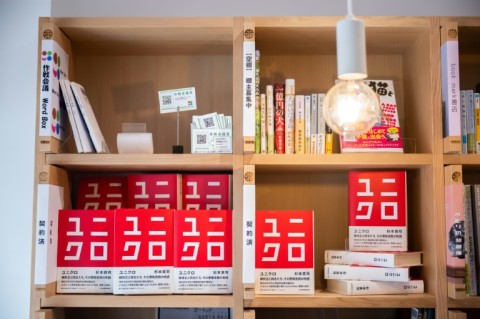
TOKYO - "I'm holding an illustrated book of cheeses," says a delighted Tomoyo Ozumi, a customer at a growing kind of bookshop in Japan where anyone wanting to sell their tomes can rent a shelf.

The concept brings back the joy of browsing real books to communities where many bookstores have shut, and gives readers more eclectic choices than those suggested by algorithms on online sellers, its proponents say.

"Here, you find books which make you wonder who on earth would buy them," laughs Shogo Imamura, 40, who opened one such store in Tokyo's bookstore district of Kanda Jimbocho in April.

"Regular bookstores sell books that are popular based on sales statistics while excluding books that don't sell well," Imamura, who also writes novels about warring samurai in Japan's feudal era, told AFP.

"We ignore such principles. Or capitalism in other words," he said. "I want to reconstruct bookstores."

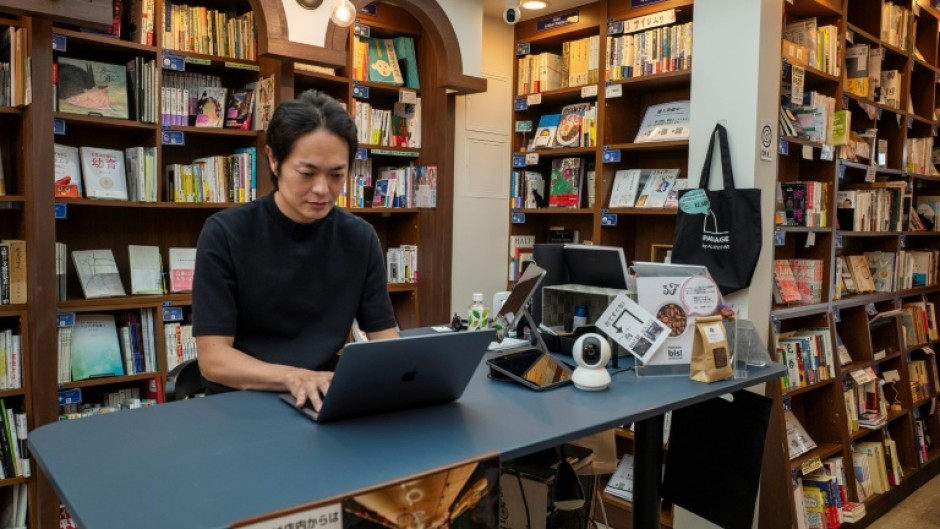
His shop, measuring just 53 square metres (570 square feet), houses 364 shelves, selling books -- some new, some used -- on everything from business strategy and manga comics to martial arts.

AFP | Yuichi YAMAZAKI

The hundreds of different shelf renters, who pay 4,850-9,350 yen ($32-$61) per month, vary from individuals to an IT company to a construction firm to small publishers.

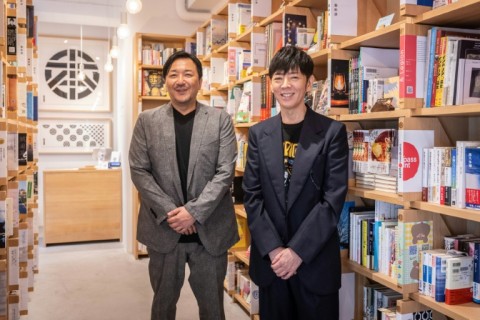
"Each one of these shelves is like a real version of a social media account, where you express yourself like in Instagram or Facebook," said Kashiwa Sato, 59, the store's creative director.

- Cafes and gyms -

For now his store Honmaru -- meaning the core of a Japanese castle -- is only in Tokyo, but Imamura hopes to expand to other regions hit hard by bookstore closures.

AFP | Yuichi YAMAZAKI

A quarter of Japan's municipalities have no physical bookstores, with more than 600 shutting in the 18 months to March, according to the Japan Publishing Industry Foundation for Culture.

Imamura in 2022 visited dozens of bookstores that have managed to survive the tough competition with e-commerce giants like Amazon, some by adding cafes or even gyms.

"But that is like putting the cart before the horse. Because if a gym is more profitable, 90 percent of the shop may become a gym, with 10 percent for bookselling," Imamura said.

- Crowd-pullers -

Rokurou Yui, 42, said his three shelf-sharing bookstores in the same Tokyo area are filled with "enormous love" for shelf owners' favourite books,

AFP | Kazuhiro NOGI

"It is as if you're hearing voices of recommendations," Yui told AFP.

Owners of regular bookstores put books on their shelves that they have to sell to stay in business, regardless of their personal tastes, he said.

"But here, there is no single book that we have to sell, but just books that someone recommends with strong passion and love for," he said.

Yui and his father Shigeru Kashima, 74, a professor of French literature, opened their first shelf-sharing bookstore, called Passage, in 2022.

They expanded with two others and the fourth opened inside a French language school in Tokyo in October.

Passage has 362 shelves and the sellers help attract customers with their own marketing efforts, often online.

That is in contrast to conventional bookstores that often rely on owners' sole sales efforts, he said.

On weekends, Yui's store sometimes "looks as if it were a crowded nightclub with young customers in their 10s, 20s, 30s" with edgy background music playing, he said.

Customers and shelf-owners visit the bookstore not only to sell and buy books, but to enjoy "chatting about books", he said.

Japan' industry ministry in March launched a project team to study how to support bookstores.

"Bookstores are a hub of culture transmission, and are extremely important assets for the society in maintaining diverse ideas and influencing national power," it said.

kh/stu/tym

Read More........

Shiatsu Massage Therapy for Stress & Anxiety

Shiatsu Massage Therapy
Shiatsu in Japanese means ‘Finger pressure’. It is a non-invasive therapy consisting of finger and palm pressure, stretches, and other massage techniques. Shiatsu is believed to have both preventative and remedial effects & can help people relax and cope with problems such as muscular pain, stress & anxiety, nausea, etc. It is thought to reduce muscle stiffness, stimulate the skin, aid digestion, influence the nervous system & contribute to overall wellbeing.

Self Practicing Shiatsu: Close your eyes, breathe slowly and deeply to relax your body & mind. Familiarize yourself with the pressure points located throughout the body (look into the chart). These pressure points are sensitive and feel different to touch than the surrounding areas. Massage in a large movement using the finger pads. It is not necessary to press hard. Breathe in deeply, then press a pressure point upwards on the affected body part (for eg., toward the top of your head with your fingers), and simultaneously breathe out slowly. Hold the finger movement. Breathe in again & relax. It is even more effective with deep breathing.HerbHealtH: Shiatsu Massage Therapy for Stress & Anxiety
Read More........

Hiking to Machu Picchu past sacred Inca peaks


Ancient route: Hikers walk toward Humantay Mountain on the Salkantay Trail, one of the historic Inca routes that lead through the Andes to Machu Picchu. | AP
BY GIOVANNA DELL'ORTO: SALKANTAY PASS, PERU – Our hiking group had reached the highest point of our trek through the Andes to Machu Picchu. Now our guide was leading us in a Quechua ritual. We took turns placing stones in an “apacheta” pyramid over herbs and bits of chocolate bars, offering them to Apu Salkantay, the spirit of the mountain sacred to the Incas. Its ice-covered peak shone above us, spotlit by the sun. Three days earlier in Cuzco, the region’s gateway city, I had watched hundreds of people carry glittering statues of Catholic saints in procession around the main plaza, past rippling Baroque churches and whitewashed houses with carved wooden balconies. In another three days, I would see the dawn’s first sunray fill a stone window in the 550-year-old Temple of the Sun at Machu Picchu. The Incas’ “lost city” is one of the world’s iconic destinations, with more than 1.2 million visitors in 2015. But to absorb the mesmerizing historical and spiritual significance of this region, I first explored Cuzco’s fusion of native traditions and colonial heritage, and then trekked with locals through the steep 4,500-meter mountains surrounding it. Cuzco was built on a 3,400-meter Andean plateau. By the mid-15th
century, it became the umbilical center of the Incas’ continent-spanning empire.  The perfectly fitted, massive mortar-free walls of their palaces and temples still line many of the narrow streets, though most buildings were rebuilt after the violent conflicts during the Spanish conquest a century later. The rounded boulders of the Incas’ central sanctuary, Qoricancha, became the foundation of Santo Domingo, whose convent courtyard encloses the temple’s tapered niches. European and indigenous imagery mixes in Cuzco’s celebrated paintings, most conspicuously in an 18th century “Last Supper” canvas in the cathedral that features a paws-up, roasted Andean rodent as the meal’s entree. I preferred seafood ceviche at Limo restaurant or local charcuterie at Museo del Pisco, paired with potent pisco sours. But I did try cuy (guinea pig) in chiriuchu, a dish including fish eggs, corn fritters, seaweed, sausage, dried meat, cheese, chicken and singeing rocoto pepper prepared for the Corpus Christi celebration, held 60 days after Easter. That holiday and Inti Raymi, the winter solstice celebration in late June, are Cuzco’s wildest mingling of piety and partying. They fall at the start of prime hiking season (May-October). From my glass-covered igloo, the swirls of stars framing Salkantay were breathtaking, even more so than hiking to this camp at 3,850 meters on the Salkantay Trail, which follows ancient routes and is considered the best alternative to the often sold-out Inca Trail. For four days, we hiked past glaciers and through cloud forests to Machu Picchu. Our guides, Kenneth Leon and Irvin Llacta from Salkantay Trekking, showed our group of nine from four countries turquoise mountain lakes, tiny mud-brick villages, and centuries-old Inca channels. They also grounded us in local life, explaining Quechua traditions like medicinal uses of plants they picked by the trail, where we also found mouthwatering avocados and granadillas (a type of passion fruit). Their team of cooks and horsemen prepared eight-course meals and afternoon teas of mate de coca, which alleviates altitude sickness. From the village of Aguas Calientes, I looked across the river straight up vertical peaks and cheated, taking the shuttle instead of 1,500-plus steps to Machu Picchu. In the mid-15th century, the Incas built this improbable citadel nearly 2,400 meters up on a skinny ridge between precipices where the Andes meet the Amazon basin, and abandoned it a hundred years later. It lay covered by the rain forest until the 1910s, when Yale historian Hiram Bingham brought it global renown. For two days, I wandered the main site along steep staircases, climbed the “you-slip-you-die” path to the ruins on Huayna Picchu, the peak overlooking the citadel, and walked the Inca Trail to the Intipunku viewpoint. The nearly 200 gray houses, temples and agricultural buildings are haunting, but the practical and cosmological engineering is mind-blowing. From every perspective, the view defies logic: Terraces clinging to sheer, 500-meter drop-offs hold up colossally heavy granite palaces and sanctuaries. Carved stones, foundations and windows precisely trace the sun’s travels and line with sacred peaks like Salkantay. Late on my last afternoon, a white llama grazing inches from my feet woke me from a doze on a terrace overlooking the citadel. Most of the thousands of daily tourists had gone, and workers raked highlighter-green grass in the main plaza. Archaeologists still debate why the Incas built this citadel. As I watched the sun slant through the peaks, tinging wisps of clouds at eye level, the real and symbolic magic of Machu Picchu’s placement seemed answer enough. Source: The Japan Times
Read More........

Subaru Cherry Blossom Festival


.Subscribe
The Subaru Cherry Blossom Festival in an important representation of Philadelphia’s cultural integration. This festival was established in 1926 when the Japanese government donated cherry trees to Philadelphia in honor of the Sesquicentennial of American Independence. The Subaru Cherry Blossom Festival celebrates all things Japanese both traditional and contemporary, with a variety of events, including demonstrations of martial arts, ikebana flower arranging, a restaurant week—Dine Out Japan, as
well as live musical and dance performances. The centuries-old tradition of Sakura Matsuri, or Cherry Blossom Festival, takes place throughout Philadelphia and includes ceremonial drumming, martial arts exhibitions, a traditional tea ceremony, origami demonstrations, Japanese movies and a special sushi-making presentation, which features nationally recognized master sushi chefs from Japan. The Subaru
Cherry Blossom Festival features more than 50 events including culinary demonstrations, workshops, film screenings, live performances and more. Few highlight events of the festival are Subaru Cherry Blossom Festival Karaoke Kick-Off, Tamagawa Taiko Drum and Dance Troupe, Cherry Blossom 5K and Sakura Sunday. The main event, Sakura Sunday is held at the Horticulture Center in Fairmount Park and features two stages of performers, arts & crafts, Little Akiba, tours of Shofuso, and much more. Source: http://surkhiyan.com/
Read More........

Festival of colour and wishes in Japan


.Subscribe
People stroll underneath Tanabata ornaments during the Shonan Hiratsuka Tanabata Festival in Hiratsuka, Japan. The holiday is celebrated by decorating bamboo trees with coloured paper on which people write their wishes. Source: The Week UK
Read More........

Would you wear a giant animal tail in the name of fashion?


If you happen to spot a giant squirrel tail coming out of someone's jeans in the near future, fear not. She isn't a mutant. She's a trendsetter. Japanese street wear retailer “Kigu” is bringing life-sized animal and dinosaur tails to the masses. TellTails are a new line of wearable animal tails sold in the U.K. and by Kigu. Adventurous dressers can choose from a variety of hyper-realistic tails in models such as Lizard, Squirrel, Dinosaur, Lion, Lemur and Fox. Or rather, they could, before many of the models sold out. "We believe that everyone has a tail in them just waiting to be wagged, a residual longing not quite expelled from the evolutionary process," referencing the theories of Charles Darwin in their explanation” and become purveyors of the finest handmade tails for Bipeds."Source: Sam Daily Times
Read More........

Awesome Matchstick Sculptures Art

The Scottish David Mach, 53 years old, has a passion for art and matches, so he decided to combine them and create unique works of art. Using a clay mold, David manages to create a fiberglass model of  what he wants to create, and then begins the phase of the introduction of the matches on it, one at atime. Most of his creations are made with tens of thousands of matches with color on top, imported from
Japan, and may take up to months to complete one of them. Marilyn Monroe, Gandhi, Charlie Chaplin and other characters look very realistic.icePice.blogspot.com: Awesome Matchstick Sculptures Art
Read More........

First Miss World Japan crowned

Michiko Tanaka, 23, was crowned the title of Miss World Japan 2013 on July 29th. She will represent Japan in the upcoming Miss World 2013 pageant, scheduled for September 28th, 2013 in Indonesia. She is the first ever Miss World Japan to be crowned; past Japanese representatives to Miss World had been
first runner-ups to Miss International Japan. Michiko had competed in Miss Universe Japan 2011 where she placed 2nd runner-up. Michiko Tanaka and her court Photo credit: Miss World Japan official website. Source: Critical Beauty
Read More........

Spectacular 'iceworks' shine in Japan Snow Fest

The 64th Sapporo Snow Festival has opened in Japan featuring 216 snow statues and ice sculptures which were built with the assistance of army units.
The spectacular 15-meter-tall snow compositions represent scenes from Japanese mythology, cartoon and fairytale characters, and famous sportsmen. The exhibits include a full-size building of the Kabuki Theatre in Tokyo. More than 32 tons of snow went into the creation of the ‘iceworks’. The snow and ice sculptures glitter with numerous lights at nighttime. The festival will come to a close on February 11th Source: Voice of Russia
Read More........

Martial Artist Credits His Achievements To The Philosophy Of Kendo

Sticks with it: Alex Bennett, demonstrating a classical kenjutsu at a shrine in Kyoto, says everything in his life has somehow been connected to kendo since encountering the martial art in his teens. "Courtesy of Alex Bennett"
By KRIS KOSAKA, Alex Bennett was 18 years old when he first read the wisdom: "From one thing, know 10,000" — in Miyamoto Musashi's "The Book of Five Rings." Now living this maxim, Bennett is a scholar, teacher, translator, writer, coach and active competitor in the martial arts. He holds two Ph.Ds in studies related to budo, has achieved seventh dan in kendo and fifth dan in naginata, and recently coached the New Zealand national kendo team to a top-eight finish at last year's world championships. That's only a few of Bennett's accomplishments in the martial arts world. Like any lifelong pursuit, Bennett's road has been paved with both challenge and tragedy, gifts and joy, and persistently hard work. From winning second at last year's Naginata World Championships to overcoming the tragedy of the 2011 Christchurch earthquake, which killed two of his kendo team members, Bennett says "everything in my life is somehow connected to kendo." Bennett first came to Japan in 1987 as a high school senior on a Rotary Exchange program to deepen his Japanese studies. An avid sportsman in New Zealand, Bennett hoped to play soccer in Japan, but "the soccer ground was just dirt as opposed to the lush fields of grass that I was used to in New Zealand. I hesitated; it seemed kind of unnatural." His host family encouraged him to try a martial art, and after observing judo and kendo, Bennett casually chose kendo: "Even though kendo was very loud and looked very violent, was smelly and the teacher scary, it looked a little like 'Star Wars,' and I thought I could play samurai for a year." Bennett admits the year was like a "military boot camp" and was relieved to leave the "pressure pot" of intensive mental and physical training. His year in Japan ended with a return to New Zealand and no plans to ever practice kendo again, although he had achieved shodan, a first-level rank. Not sure what he wanted to study, Bennett worked in construction to save money for college. "While I was working at a building site, I started getting a little jittery because I wanted to do kendo again, and every time there was a piece of wood lying around I would pick it up and start doing suburi, much to everyone's surprise." A quick stop at a martial arts shop in Christchurch told the 18-year-old Bennett there were no local kendo clubs, but the shop owner did have a list of interested participants who had earlier made inquiries. Bennett decided to contact a few and suggest training together. From that simple start, Bennett soon had over 30 people gathering for informal training sessions, many with other martial arts experience. "The students wanted to do kendo specifically because they felt something was missing in their other martial arts experiences, and they hoped kendo was a martial art that could teach them more about the spirit or culture of budo or even this rather nebulous idea of bushido. I had absolutely no idea how to reply to them, so that's when I first read everything I could find on the martial arts, [Inazo] Nitobe or Miyamoto. I felt a responsibility to the students, and I decided I should spend the rest of the year saving as much money as possible and then go to Japan to study kendo properly." At 19, Bennett returned to Japan and enrolled at the International Budo University in Chiba. After completing its one-year program, Bennett stayed an extra year working for the All Japan Naginata Federation. "The federation wanted to create an International Naginata Federation and needed someone who could speak both Japanese and English, who was prepared to work for only a little money as long as they had a place to live and a place to train. It was perfect for me. Kendo, iaido and naginata: I could study three martial arts at a high level." His club in New Zealand waited, and Bennett came home to enter a university and help train the Christchurch kendo club. "I was able to pass on all of the new knowledge I had acquired in my second stay in Japan, and the club grew into quite a significant entity over five years, with over 50 members at its peak." Kendo had given Bennett focus for his life, and after graduating from the University of Canterbury, he passed the Japanese exam for attending graduate school. By 1995, Bennett was studying at Kyoto University. He has lived in Japan ever since. "My academic career is completely entwined with martial arts," Bennett says. His masters thesis from Canterbury (completed at Kyoto University) discusses important budo texts in early modern Japanese literature; his first doctorate, written in Japanese from Kyoto University, covers budo and its place within Japanese history and culture. The second, recently completed in English from Canterbury, traces the changes in kendo from the Muromachi Period (from 14th to 16th century) to today. Four years ago, Bennett accepted an associate professorship at Kansai University in Osaka. He teaches three martial arts classes and trains with the university team every day. While immersed in his studies in Japan, Bennett noticed a dearth of English information on kendo, and he and a former member of his Christchurch club, Hamish Robison, started Kendo World Magazine in 2001. Bennett admits he and Robison knew nothing about creating a magazine, yet they now have over 7,000 regular readers in over 80 countries, and have watched the popularity of kendo grow worldwide in the 10 years since their first issue. "We've managed to survive and gradually thrive. It was really just pioneering our way through this completely different world. Of course the only way we could do it was because of our passion for kendo." The magazine also initiated Bennett into the world of publishing, and they now manage Bunkasha International, a publications company dedicated to martial arts and cultural texts in English. "The quality and number of works are gradually increasing. I never make any money off of them, of course, but it is so rewarding to create something valuable to martial arts, and now organizations like The All Japan Kendo Federation or Nippon Budokan trust us to complete works for them in English, so it is very gratifying." Physically, Bennett has never stopped learning from the martial arts. His most recent personal triumph in kendo was achieving the second-highest level, seventh dan. Last year, he competed at the World Naginata Championships and placed second in the men's competition. A competitor at the Kendo World championships for over 20 years, Bennett was asked to coach the New Zealand national team three years ago, but that triumph also brought tragedy. "I was back in Christchurch for a training camp on Feb. 22, 2011, when the Christchurch earthquake struck. Pretty much, the city was decimated — especially the central business district, where we were renting an old building with a high ceiling and a wooden floor. All of those old buildings were completely destroyed. "Two members of our Christchurch kendo club were killed — two Japanese nationals studying English in New Zealand. We had to overcome the grief and personal tragedy of losing two of our members, but also the practical problem of no longer having anywhere to practice. It was almost impossible to find a place for us to continue our club." Bennett returned to Japan in time for the calamity on March 11 and then back to New Zealand to check on the families of his club members. Driven by the dual tragedies, Bennett was determined to do something tangible to make a difference. He found property "the perfect size for a kendo dojo" in the unscathed western part of the city and finally secured a loan through Kansai University. Family and friends throughout the kendo world raised money to install the wooden floor necessary for martial arts practice. Bennett's team placed within the top eight of the 47 countries that competed last May at the World Kendo Championship in Novara, Italy. With Bennett's own translation of the seminal martial arts text "Hagakure" due out from Tuttle Publishing next year, and as a director for the Japanese Academy of Budo, busy organizing an international conference on the martial arts, his accomplishments really do seem endless. To Bennett, it all goes back to that one thing: "I am just trying to disseminate this wonderful culture to the world." Source: The Japan Times Online
Read More........

Eyelash extensions new rage among women


Eyelash extensions have become a popular beauty procedure among women across all ages, and salons with therapists specializing in the treatment are surging, it has been revealed. Semipermanent eyelash extensions used to be “a beauty technique just for celebrities such as fashion models,” Maki Miura, head of the Japan Eyelist Association said. “But the price for a full set (of extensions) has declined to about 10,000 yen and (the procedure) has spread rapidly among ordinary customers over the last three years,” the Japan Times Online quoted Miura as saying. Semipermanent extensions are an enhancement technique in which false lashes are bonded one by one to a customer’s natural lashes, adding length and thickness and making their eyes stand out while maintaining a natural look. They usually last about a month, longer than temporary eyelashes that are applied by customers themselves and last for only a short time. Among the customers at a beauty salon in Minato Ward, Tokyo, is a company president in her 80s, Miura said. She said semipermanent eyelash extensions are far more popular than nail art among middle-aged and older women. “I think women today are strongly conscious about maintaining their beauty, even if they are busy working or even if they get old,” Miura said. “Eyelash extensions make them look gorgeous and it seems they can’t stop wearing them once they get them,” she added. The beauty industry has stepped up efforts on teaching professional techniques and training to students at beauty schools. Kubota Beauty and Hairdressing College in Nakano Ward, Tokyo, introduced a special curriculum for eyelash extensions in April 2011. The course load includes classes that delve into knowledge of medicine and chemistry — content that goes beyond the traditional beauty education curriculum. Source: Indian ExpressImage: flickr.com
Read More........

Workout for the Mind

In recent years, some research has suggested that a high-fat diet may be bad for the brain, at least in lab animals. Can exercise protect against such damage? That question may have particular relevance now, with the butter-and cream-laden holidays fast approaching. And it has prompted several new and important studies. The most captivating of these, presented last month at the annual meeting of the Society for Neuroscience in New Orleans, began with scientists at the University of Minnesota teaching a group of rats to scamper from one chamber to another when they heard a musical tone, an accepted measure of the animals’ ability to learn and remember. For the next four months, half of the rats ate normal chow. The others happily consumed a much greasier diet, consisting of at least 40 per cent fat. Total calories were the same in both diets. After four months, the animals repeated the memory test. Those on a normal diet performed about the same as they had before; their cognitive ability was the same. The high-fat eaters, though, did much worse. Then, half of the animals in each group were given access to running wheels. Their diets didn’t change. So, some of the rats on the high-fat diet were now exercising. Some were not. Ditto for the animals eating the normal diet. For the next seven weeks, the memory test was repeated weekly in all of the groups. During that time, performance of the rats eating a high-fat diet continued to decline so long as they didn’t exercise. But those animals that were running, even if they were eating lots of fat, showed notable improvements in their ability to think and remember. After seven weeks, the animals on the high-fat diet that exercised were scoring as well on the memory test as they had at the start of the experiment. Exercise, in other words, had “reversed the high-fat diet-induced cognitive decline,” the study’s authors concluded. Researchers at Kyoto University in Japan gathered a group of mice bred to have a predisposition to developing a rodent version of Alzheimer’s disease and its profound memory loss. Earlier studies by the same scientists had shown that a high-fat diet exacerbated the animals’ progression to full-blown dementia, and a low-fat diet and exercise slowed their mental decline. But it hadn’t been clear in these earlier experiments which was more effective at halting the loss of memory, a leaner diet or regular rodent workouts. So scientists set out now to tease out effects of each intervention by first feeding all of their mice a high-fat diet for 10 weeks, then switching some of them to low-fat kibble, while moving others to cages equipped with running wheels. A third group began both a low-fat diet and an exercise routine, while the remainder of the mice continued to eat the high-fat diet and didn’t exercise. After an additional 10 weeks, this last group, the animals that ate lots of fat and lounged around their cages, had developed far more deposits of the particular brain plaques associated with Alzheimer’s disease than the other mice. They also performed much more poorly on memory tests. The mice that had been switched to a low-fat diet had fewer plaques and better memories than the control group. But the mice that were exercising had even healthier brains and better memory scores than the low-fat group — even if they had remained on a high-fat diet. In other words, exercise was “more effective than diet control in preventing high-fat diet-induced Alzheimer’s disease development,” the authors write. The amount of exercise required to potentially protect our brains from the possible depredations of marbled beef and cheesecake isn’t excessive. If you can’t walk away from the buffet table, be sure to take a walk afterward. Source: Indian ExpressSource: flickr.com
Read More........

Easy stress test

Do you feel tired? Or perhaps you are bristling with energy? Check which one is true for you with this easy stress test. The optic illusion in the picture was invented by a Japanese psychology professor Akiyoshi Kitaoka, who says the “rotating snakes” stay perfectly still for calm and relaxed people and move if you are tired and need a nap. However a fast-spinning picture means you’d better get some professional help. Akiyoshi Kitaoka was born August 19, 1961 in Kochi, Japan. He graduated from the University of Tsukuba, where he studied animal psychology (burrowing behavior in rats) and neuronal activity of the inferotemporal cortex in Macaque monkeys. In 1991, Akiyoshi Kitaoka received a PhD in psychology for his studies of visual illusions and visual perception of geometrical shape, brightness and color in motion illusions and other visual phenomena like Gestalt completion and perceptual transparency, based on a modern conception of Gestalt Psychology. He rose to prominence through his “rotating snakes” illusion. Source: Voice of Russia
Read More........

Japan wins its first Miss International title

More than 60 women competed for the title of Miss International Beauty 2012 in Okinawa, Japan. Nearly 200,000 people from around the world tuned in to the live six hour broadcast on Ustream as Ikumi Yoshimatsu (Japan), was crowned Miss International Beauty 2012. Yoshimatsu is the first woman from Japan to win the title which is produced and organized by the Japanese. Yoshimatsu's court includes from L-R: 4th runner-up, Nicole Huber (Paraguay), 2nd runner-up, Madusa Mayadunne (Sri Lanka), 1st runner-up Viivi Suominen (Finland), Yoshimatsu, and 3rd runner-up, Melody Mir (Dominican Republic). The Miss International Beauty Pageant prides itself on having contestants who serve as “Ambassadors of Peace and Beauty.” According to the history of the competition, contestants are expected to “show tenderness, benevolence, friendship, beauty, intelligence, ability to take action, and a great international sensibility.” The goal of the international beauty pageant is to, “promote world peace, goodwill, and understanding.” Completing the top 15 were the delegates from the Philippines, Brazil, Colombia, Mexico, Namibia, United Kingdom, Venezuela, USA, India and Haiti. Source: Critical Beauty
Read More........

All aboard for Art Area B1

News photo
If you can't bring the people to the art, take the art to the people: This thinking, which for more than a decade has inspired art-in-the-street and art-in-the-countryside projects, last year engendered its oddest event yet: "Art-in-the-underground-train-station-concourse"! Still, as the so-called Art Area B1 at Naniwabashi Station, Osaka, kicks off its second annual "Tetsudo Geijutsusai" (railway art festival) this weekend, it's clear that while the underlying concept might be muddled, the selection of artists is not. Last year's star was Tatsu Nishino, who is currently making headlines in New York for building a living room around the 21-meter-high statue at Columbus Circle. At Naniwabashi he constructed a two-story "house" that was also a net cafe. This year, he passes the baton to artist-photographer Miwa Yanagi, who represented Japan at the 2009 Venice Biennale. Yanagi's presentation, which will continue through Dec. 24, is centered around a faux train station platform, where she and other guest performers such as the Formant Brothers will stage various events. Her own production will take up a favorite theme: elevator girls. Through open workshops held at the venue, she hopes to unearth elevator talent who will then perform in a play she will present at the venue in December. That play will be set in the early 20th century, which was of course the "golden age" of not just department-stores and their elevators but train travel, too. Now it all makes sense! "Tetsudo Geijutsusai will take place at Art Area B1, Naniwabashi Station in Osaka. For more information visit  Source: The Japan Times Online
Read More........